
New here? This is lesson 7 of a free 240-lesson Traditional Chinese course.
See you tomorrow in Traditional Chinese
You are saying goodbye at Banyan Breakfast after a long day in Taipei. A-Li gets up as if he is leaving, then settles back onto his stool.
Learn a quick goodbye, a casual bye, and ways to say when you will meet again. You will also say you have to go and wish someone good night.
Listen for the tone in 得. A-Li's unfinished soy milk stays on the table, even as Maya finally heads out.
By the end of this lesson
Say goodbye, say you have to go, and say when you will see someone again.
- 再見Goodbye.
- 掰掰Bye-bye.
- 明天見See you tomorrow.
- 晚點見See you later.
- 我得走了I have to go.
- 晚安Good night.
Scene — the third goodbye
At closing time, the lights are warm inside Banyan Breakfast. Maya has finished her visit, while A-Li remains on his stool beside an unfinished soy milk.
Each time he rises to leave, he sits back down. Maya's third goodbye finally takes her out the door; A-Li is still seated.

Learn — leaving and meeting again
Learn six short expressions for leaving, from a quick casual bye to a good-night wish. Notice how the goodbye changes when you plan to meet tomorrow or later.

再見
Goodbye.
When to use it: Use this common goodbye when you or someone else is leaving.
Learn it as one piece.

掰掰
Bye-bye.
When to use it: Use this casual goodbye with friends or people you know.
Learn it as one piece.

明天見
See you tomorrow.
When to use it: Use this when you expect to see someone tomorrow.
Learn it as one piece.

晚點見
See you later.
When to use it: Use this when you expect to see someone again later.
Learn it as one piece.

我得走了
I have to go.
When to use it: Say this when it is time for you to leave.
Learn it as one piece.
Say it: 得 has a third tone here.

晚安
Good night.
When to use it: Wish someone good night when you part in the evening.
Learn it as one piece.
Story — A-Li keeps sitting down
At closing time, Maya tries to leave Banyan Breakfast. A-Li keeps getting up and sitting down, while his soy milk remains unfinished.
She says goodbye three times, then walks out; he is still on his stool.
 Maya我得走了。I have to go.
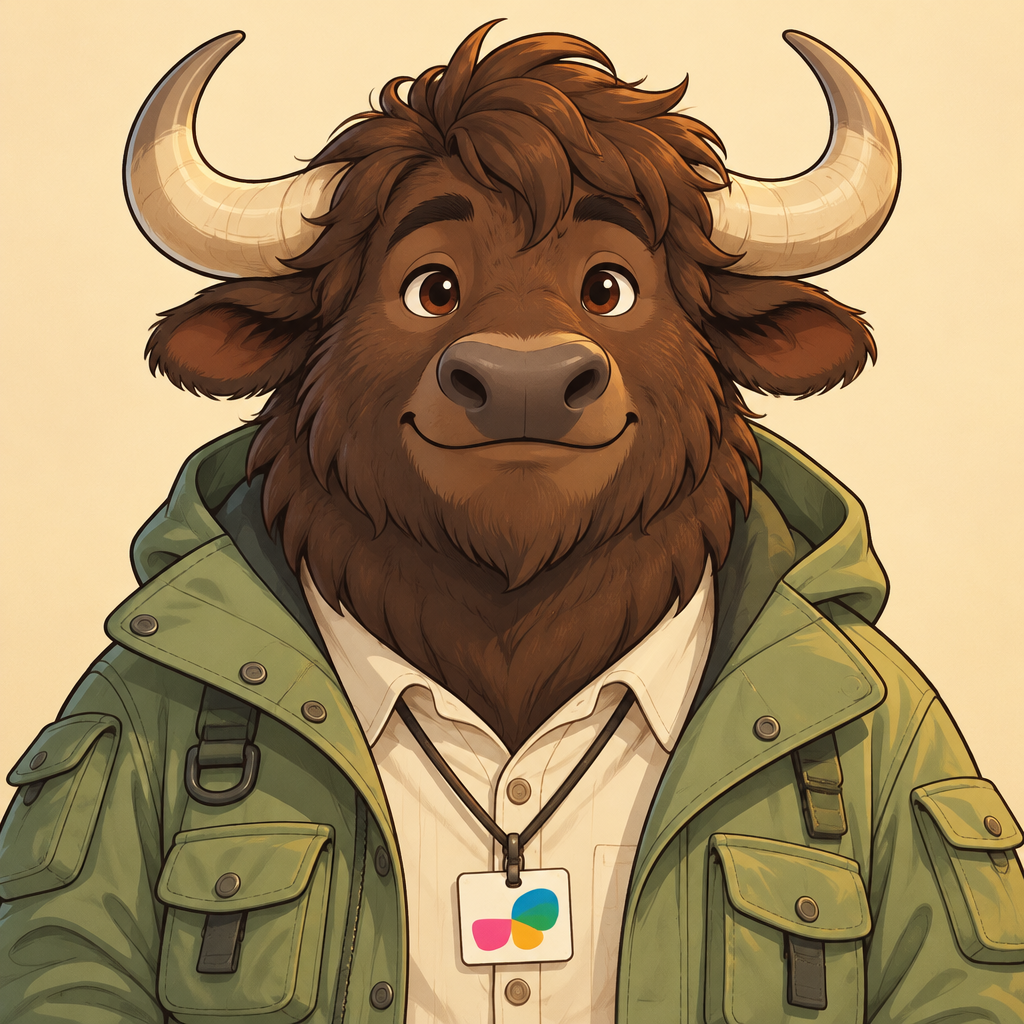 A-Li晚點見。See you later.
- Maya掰掰。Bye-bye.
- A-Li stands, pauses by his unfinished soy milk, and sits back down.
- Maya再見。Goodbye.
- He gets up once more, then settles onto his stool again.
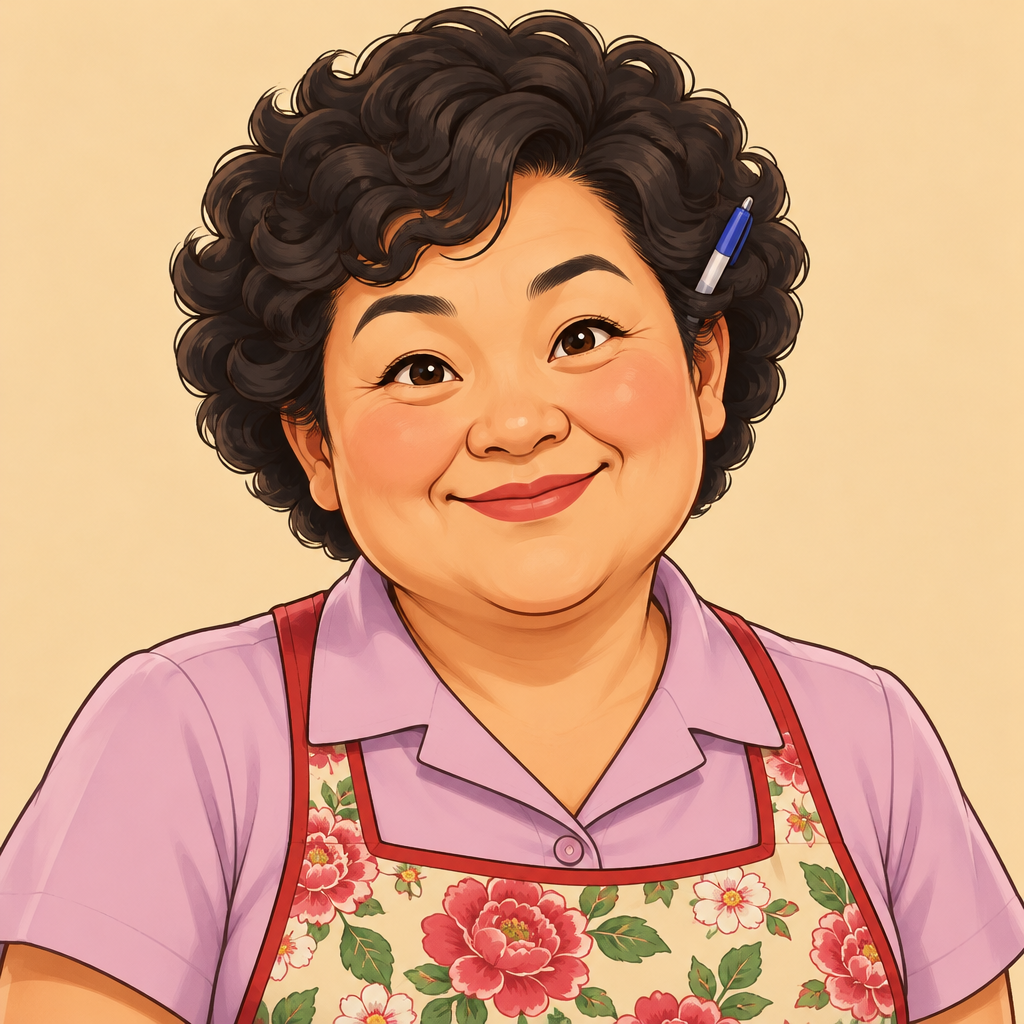 Auntie Lin明天見。See you tomorrow.
- Maya再見。Goodbye.
- A-Li晚安。Good night.
- A-Li rises a third time and sits down again. Maya is at the door.
- Maya再見。Goodbye.
- Maya leaves. A-Li stays on his stool. The next morning she is back.
- Auntie Lin早安!Good morning!
Practice — goodbyes at closing time
Use the situation and sound clues to choose the right goodbye. Then build a sentence, fill a missing word, and greet someone you know.
After each answer, check the explanation and try saying the line again.
0 of 8 done
What does it mean?
What does it mean?
再見
What do you say?
What do you say?
Your friend gives you a casual bye. Return the same casual goodbye.
Build the line
Build the line
See you later.
Tap the words in order.
Fill the gap
Fill the gap
I have to go.
____走了
What do you say?
What do you say?
You already promised to come back tomorrow morning, not later tonight. Tell Auntie Lin when you will see her.
What did you hear?
What did you hear?
What do you say?
What do you say?
You meet Auntie Lin at the shop in the evening. Greet her.
What do you say?
What do you say?
You arrive in the morning and greet a neighbor.
Say it — your goodbyes
You are Maya at the shop door. Listen to the other person, then say you have to go, give a friendly goodbye, and wish them good night. Finish with A-Li's reply.
- Maya is ready to leave Banyan Breakfast.
- Maya (you)Say that you have to go.
Say that you have to go.
我得走了
I have to go.
0 of 3 said
Recap — what you can say now
| Traditional Chinese | English | Play |
|---|---|---|
| 再見 | Goodbye. | |
| 掰掰 | Bye-bye. | |
| 明天見 | See you tomorrow. | |
| 晚點見 | See you later. | |
| 我得走了 | I have to go. | |
| 晚安 | Good night. |
Save your progress — it’s free
Keep your place in the course and see which lines you’ve learned.
Want the next lesson in your inbox?
Get the next lesson by email, one a day.
Join the newsletterDaily lesson emails are coming soon. Newsletter subscribers get them first.
Keep practicing with Yak Cards
Today's goodbyes are in Yak Cards with more useful lines for leaving and meeting again.
Review a few goodbye cards each day so these short lines come easily.
Open Yak Cards