
New here? This is lesson 73 of a free 240-lesson Traditional Chinese course.
Evening and weekend routine in Traditional Chinese
Maya and A-Li compare how their days go. Maya works, exercises, cooks, and goes to bed around midnight. A-Li starts his day at nine.
Learn to describe what you do after work, how long cooking takes, and what you do next. You can also explain how your weekend routine changes.
Listen for the order of actions, and notice how 花 introduces the time spent doing something. Then compare routines with the neighbors at Banyan Breakfast.
By the end of this lesson
Describe the order of activities in your evening and explain how your weekend routine is different.
- 我大概十二點睡覺I go to bed at about twelve.
- 我下班後去運動After work I exercise.
- 我週末的作息不太一樣My weekend routine is a bit different.
- 我吃完飯就洗澡I shower after I eat.
- 我一天通常從咖啡開始My day usually starts with coffee.
- 我花兩個小時做飯I spend two hours cooking.
Scene — a Saturday breakfast
On Saturday, Maya talks about her routine with A-Li at Banyan Breakfast. He is already at the back table with his soy milk, sitting on his usual two stools.
Maya works, exercises, and cooks. A-Li says his day starts at nine and eventually brings him back to this same breakfast shop. His soy milk is still unfinished.

Learn — routines in order
These six lines help you describe a routine from its starting point through the evening. Listen for how each action connects to the next.
Some lines also give an approximate time or say how long an activity takes.

我大概十二點睡覺
I go to bed at about twelve.
When to use it: Use this to give an approximate time when you go to bed.
大概 means about, so the time is approximate.

我下班後去運動
After work I exercise.
When to use it: Use this to say what you do after finishing work.
下班後 places the activity after the workday ends.

我週末的作息不太一樣
My weekend routine is a bit different.
When to use it: Use this to introduce a routine that changes on weekends.
的 links 週末 to 作息, describing the routine as a weekend one.

我吃完飯就洗澡
I shower after I eat.
When to use it: Use this to say you shower right after a meal.
就 connects the first completed action to what happens next.

我一天通常從咖啡開始
My day usually starts with coffee.
When to use it: Use this to describe how your day usually begins.
通常 describes what usually happens, while 從咖啡開始 gives the starting point.
Say it: 一 changes to a falling tone before the first-tone 天.

我花兩個小時做飯
I spend two hours cooking.
When to use it: Use this to say how long cooking takes you.
花 followed by a time amount and an action tells how long the action takes.
Story — two different routines
At Banyan Breakfast, Maya and A-Li compare their routines over a morning meal. Maya describes her evenings, while A-Li explains his unusual schedule.
He starts his day at nine and eventually returns to the same breakfast shop. His soy milk remains unfinished.
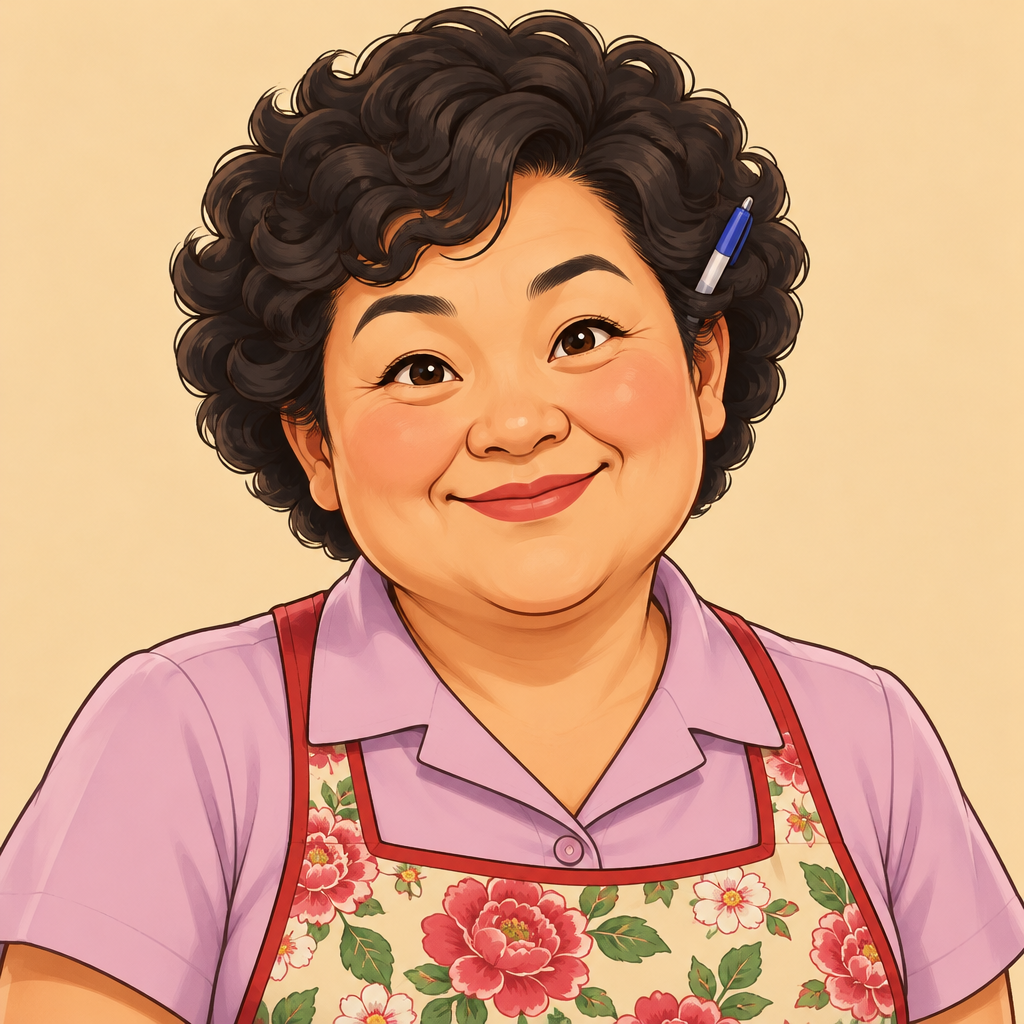 Auntie Lin週末也來啊,美女!Here on the weekend too, beautiful!
 Maya我一天通常從咖啡開始。My day usually starts with coffee.
 A-Li我九點才開始一天。I don't start my day until nine.
- Maya我七點起床,我八點出門。I get up at seven and leave home at eight.
- Maya我下班後去運動,回家再做飯。After work I exercise, then cook at home.
- A-Li我花兩個小時做飯。I spend two hours cooking.
- Maya我吃完飯就洗澡。I shower after I eat.
- Auntie Lin你大概幾點睡覺?About what time do you go to bed?
- Maya我大概十二點睡覺。I go to bed at about twelve.
- A-Li我週末的作息不太一樣。My weekend routine is a bit different.
- Maya你週末也九點開始嗎?Do you start at nine on weekends too?
- A-Li對啊,最後我還是回到這家早餐店。Yeah, in the end I still come back to this breakfast shop.
- A-Li豆漿還沒喝完。I still haven't finished my soy milk.
Practice — talk about your routine
Try eight exercises about daily and weekend routines. Choose, build, and complete lines that fit each situation.
The English meaning is shown for fill-in questions. Check the explanation, then say your answer aloud.
0 of 8 done
What does it mean?
What does it mean?
我大概十二點睡覺
Build the line
Build the line
After work I exercise.
Tap the words in order.
Fill the gap
Fill the gap
I shower after I eat.
我____飯就洗澡
What do you say?
What do you say?
Tell A-Li your weekend routine is a bit different.
What did you hear?
What did you hear?
Pick the reply
Auntie Lin says:
Pick the reply
你幾點起床?
What time do you get up?
And you reply with:
Fill the gap
Fill the gap
I spend two hours cooking.
我花____小時做飯
What do you say?
What do you say?
Tell Lin that you leave home at eight.
Say it — compare your routines
You are Maya, comparing routines with Auntie Lin and A-Li at Banyan Breakfast. Listen to each cue and answer with a complete line.
Say each response aloud. Notice the order of the actions as you describe your evening and weekend.
- Maya tells Lin how her day begins.
- Maya (you)Say that your day usually starts with coffee.
Say that your day usually starts with coffee.
我一天通常從咖啡開始
My day usually starts with coffee.
0 of 4 said
Recap — what you can say now
| Traditional Chinese | English | Play |
|---|---|---|
| 我大概十二點睡覺 | I go to bed at about twelve. | |
| 我下班後去運動 | After work I exercise. | |
| 我週末的作息不太一樣 | My weekend routine is a bit different. | |
| 我吃完飯就洗澡 | I shower after I eat. | |
| 我一天通常從咖啡開始 | My day usually starts with coffee. | |
| 我花兩個小時做飯 | I spend two hours cooking. |
Save your progress — it’s free
Keep your place in the course and see which lines you’ve learned.
Want the next lesson in your inbox?
Get the next lesson by email, one a day.
Join the newsletterDaily lesson emails are coming soon. Newsletter subscribers get them first.
Keep practicing with Yak Cards
Review these daily routine lines in Yak Cards and practise them with more useful phrases.
Review a few cards each day so your routine descriptions come more easily.
Open Yak Cards