English Culture And Fun
Learn English through songs, jokes, slang, stories, cultural quirks, and the fun little things that make the language feel alive.
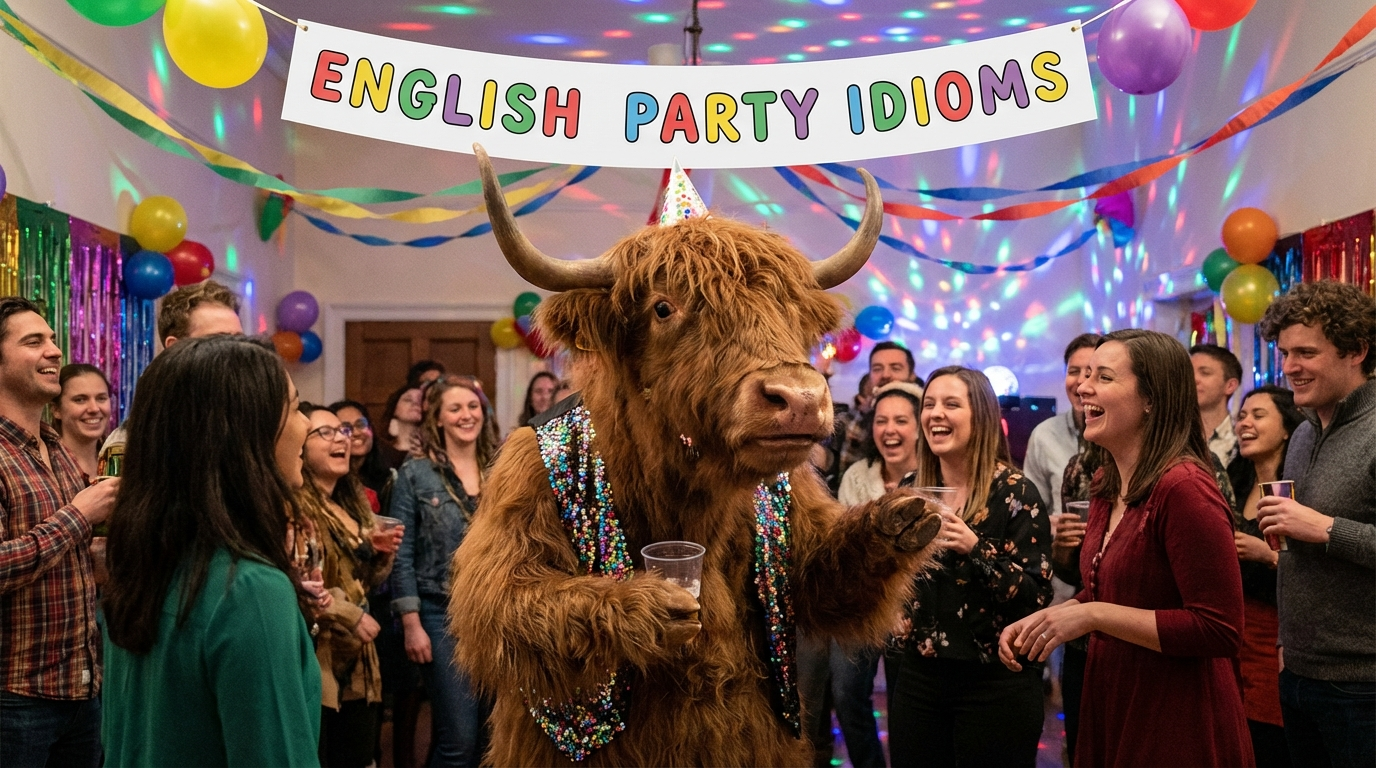
This is the Culture And Fun hub for English learners. Use it when you want practice that feels less like homework and more like wandering into the language wearing comfortable shoes.
Explore English The Fun Way
Culture and fun lessons help you understand how English sounds, feels, jokes, sings, and actually gets used by real people. Start with one area below, then follow the related lessons.
Popular Culture And Fun Lessons
These lessons are a good place to start if you want English practice with music, humor, slang, and everyday cultural references.
Songs And Music
Use music to practice pronunciation, rhythm, listening, and everyday expressions.
Jokes And Humor
Jokes help you notice wordplay, double meanings, casual expressions, and cultural timing.
Slang And Real-Life English
Learn casual words and expressions people use with friends, online, and in everyday life.
Learn English Through Culture
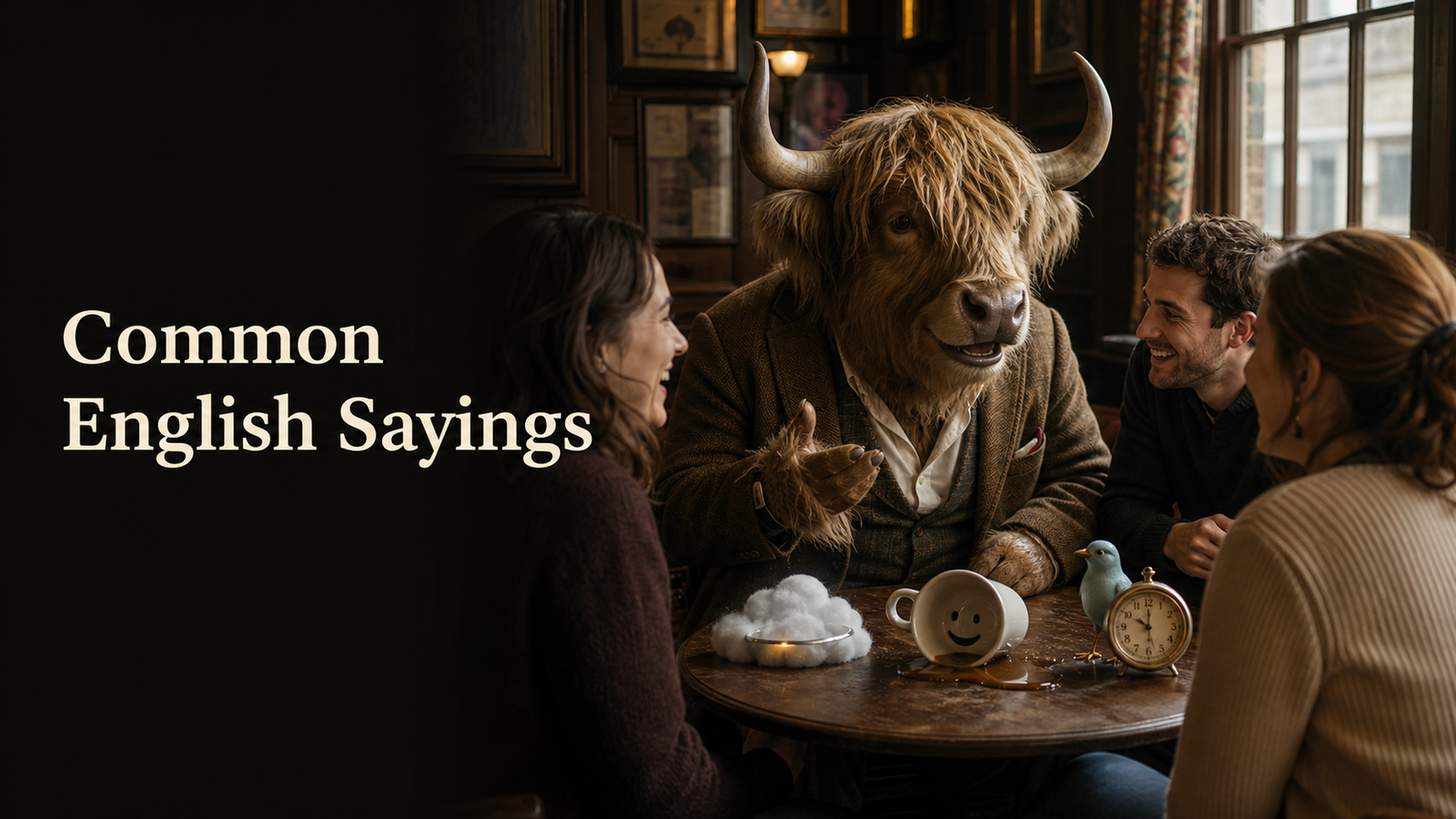
Culture lessons help you understand the social side of English: how people greet each other, make small talk, celebrate holidays, and use language differently in different places.
American And British English
English changes depending on where it is spoken. Start here if you want to understand the most common differences.
Greetings And Social Life
Learn the small phrases that make conversations smoother, friendlier, and less awkward.
Fun Practice Ideas
Culture and fun lessons work best when you actually use them. Here are simple ways to turn these pages into practice instead of just another browser tab quietly gathering dust.
| Activity | What To Do | What It Helps |
|---|---|---|
| Songs | Listen to one chorus, read the lyrics, then sing or speak it slowly. | Pronunciation, rhythm, listening |
| Jokes | Read one joke, explain the meaning, then retell it in simple English. | Vocabulary, wordplay, confidence |
| Slang | Choose one slang phrase and write three safe example sentences. | Casual English, context, tone |
| Small Talk | Practice one short conversation out loud. | Speaking, fluency, social English |
Culture And Fun Lesson Directory
Use this directory to jump into related lessons. Some are playful, some are practical, and some are both — the best kind of language-learning snack.
Music, Sound, And Speaking
Humor, Slang, And Expressions
Conversation And Social English
Culture And Everyday Differences
How This Hub Helps Your English
Grammar and vocabulary are important, but culture gives English texture. It helps you understand what sounds natural, what sounds too formal, what sounds funny, and what might accidentally make everyone stare at you like you just asked a sandwich for legal advice.
- Music helps with rhythm, stress, and pronunciation.
- Jokes help with wordplay and hidden meanings.
- Slang helps you understand casual conversations, movies, comments, and social media.
- Culture lessons help you avoid misunderstandings and sound more natural.
Culture And Fun FAQ
Is slang important for English learners?
Yes, but learn it after basic phrases and vocabulary. Slang is useful for understanding real conversations, but you do not need to use every slang word yourself.
Can songs really help me learn English?
Yes. Songs can help with listening, pronunciation, rhythm, and memory. Just make sure you also study the meaning of the lyrics.
Should beginners learn jokes and idioms?
Beginners can learn simple jokes and common idioms, but do not make them the main study plan. Use them as fun practice alongside phrases, vocabulary, grammar, and listening.
Keep Learning English
When you want the full path, go back to the main Learn English hub. When you want lighter practice, stay here and pick a song, joke, slang lesson, or culture guide.