This B1 Intermediate retelling of Mrs Dalloway's Day keeps the plot clear for learners while still giving the story some atmosphere and momentum. Mrs Dalloway said she would buy the flowers herself. The morning was fresh and bright.
This version is written for English-speaking learners and includes clickable word help inside the story, full story audio, and lesson notes after the reading. It is free to use on Yak Yacker and is designed to feel natural, readable, and manageable in English.
Mrs Dalloway said she would the flowers herself.
The morning was and bright. As she , she remembered a summer long ago at Bourton.
She and her friend Sally had the garden.
"I feel so !" young Clarissa had cried.
Now, older, London, she still loved life. A car , and she saw Hugh Whitbread.
"Good morning, Hugh!" she . "Just getting flowers for my tonight."
"I shall see you there," Hugh and walked on.
Mrs Dalloway entered the flower shop. The of roses filled the air.
As she pink roses, she thought about her husband Richard. He was kind, but sometimes she felt .
Then she remembered Peter Walsh! He had her years ago.
"Why did I say ?" she thought.
Just then, the shop door . In walked Peter Walsh, back from India!
"Clarissa?" he said, .
"Peter!" she . "You must come to my party tonight."
"I will," Peter said . They talked a little, then Clarissa home.
At home, she for the party. Guests arrived, and the house filled with .
Peter came, and they spoke of old times. Clarissa felt and happy again.
Then a doctor arrived late. "A patient this afternoon," he said. "A young man named Septimus. He a window."
Clarissa heard the words and felt a sadness. She did not know Septimus, but she understood his .
She went to the window and looked at the night sky. "So much life, and so much ," she whispered.
But she had to go back to her guests. Inside, she felt .
When the party ended, Clarissa said goodbye to Peter.
"I will come again," he .
Alone, Clarissa thought about the day. She decided to every moment of life.
Mrs. Dalloway said she would buy the flowers herself.
The morning was fresh and bright. As she walked, she remembered a summer long ago at Bourton.
She and her friend Sally had run through the garden.
"I feel so alive!" young Clarissa had cried.
Now, older, walking through London, she still loved life. A car passed, and she saw Hugh Whitbread.
"Good morning, Hugh!" she called. "Just getting flowers for my party tonight."
"I shall see you there," Hugh smiled and walked on.
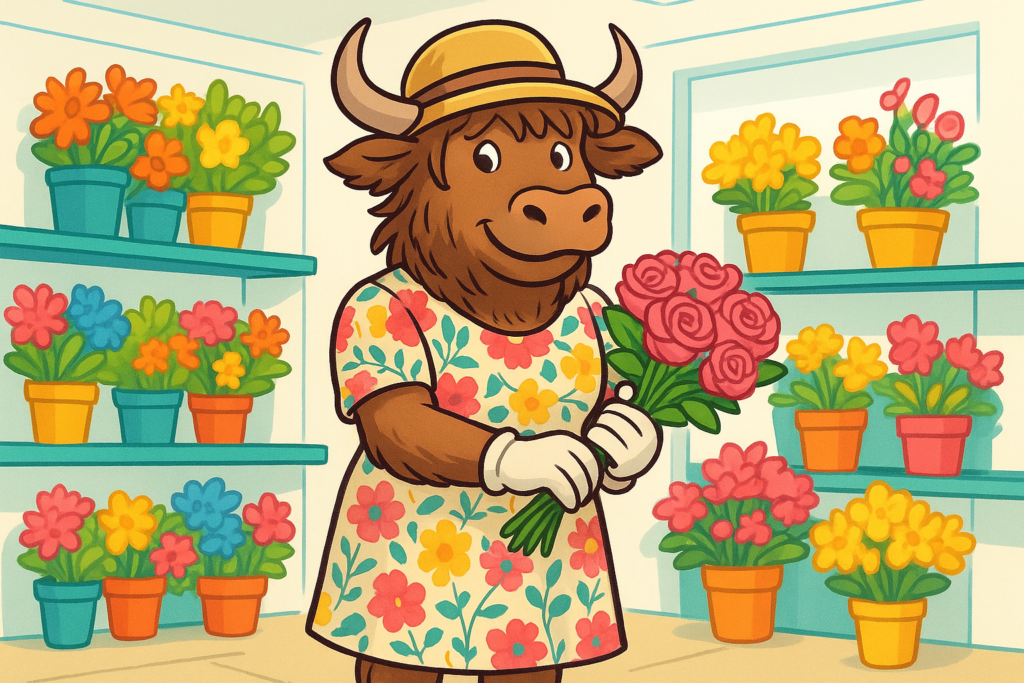
Mrs. Dalloway entered the flower shop. The scent of roses filled the air.
As she chose pink roses, she thought about her husband Richard. He was kind, but sometimes she felt lonely.
Then she remembered Peter Walsh! He had asked her to marry him years ago.
"Why did I say no?" she thought.
Just then, the shop door opened. In walked Peter Walsh, back from India!
"Clarissa?" he said, surprised.
"Peter!" she gasped. "You must come to my party tonight."
"I will," Peter said softly. They talked a little, then Clarissa hurried home.
At home, she prepared for the party. Guests arrived, and the house filled with laughter.
Peter came, and they spoke of old times. Clarissa felt young and happy again.
Then a doctor arrived late. "A patient died this afternoon," he said. "A young man named Septimus. He jumped out of a window."
Clarissa heard the words and felt a strange sadness. She did not know Septimus, but she understood his pain.
She went to the window and looked at the night sky. "So much life, and so much death," she whispered.
But she had to go back to her guests. Inside, she felt changed.
When the party ended, Clarissa said goodbye to Peter.
"I will come again," he promised.
Alone, Clarissa thought about the day. She decided to enjoy every moment of life.
This story is full of simple but powerful words. Let's look at a few you can use in everyday English to sound more expressive, just like Virginia Woolf.
These words are perfect for adding life to your own stories and descriptions.
- fresh and bright - used to describe a morning that feels clean and full of light. "I love a fresh, bright morning after rain."
- scent - a smell, usually pleasant. "The scent of coffee woke me up."
- gasped - to suddenly breathe in because you are surprised. "She gasped when she saw the price."
- whispered - said very quietly, almost in a breath. "He whispered so no one else could hear."
Notice how the story jumps back in time: 'she and Sally had run through the garden' and 'He had asked her to marry him.' This is the past perfect tense (had + past participle).
We use the past perfect to talk about an event that happened before another event in the past. It helps the listener understand the order of actions, especially when telling a story.
- Form: subject + had + past participle. "She had run." "They had spoken."
- Use it after a past-tense mark like 'remembered' or 'thought' to show what came even earlier.
- Compare: 'She walked into the shop and chose flowers' (one thing after another) vs 'She entered the shop. She had decided to buy roses.' (the decision was made before entering).
Woolf lets us hear Clarissa's thoughts directly-'Why did I say no?'-and also in reported form-'she thought about her husband Richard.' This mix makes the story feel alive and personal.
When you read or write, pay attention to moments where the narrator goes inside a character's mind. It's a great way to show feelings without telling them directly.
- Try rewriting a simple action by adding an inner question: 'She opened the door. Why was she so nervous?'
- Notice how Clarissa's thoughts jump between past and present, joy and sadness-that's a technique called stream of consciousness.
- Use pronouns like 'she thought', 'he wondered' to smoothly slip into a character's head.
Mrs Dalloway's story reminds us to notice life's small moments-a scent, a greeting, a memory. Even in a short passage, Woolf packs big emotions.
Now it's your turn: write four or five sentences about a walk you took recently, mixing a memory (past perfect) and an inner thought. See how much richer it feels!
Mrs Dalloway's Day comes from the English / Virginia Woolf tradition and is best known as a modernist novel. This Yak Yacker article is an original learner retelling based on Virginia Woolf, 1925; public domain in U.S., so the wording here is simplified for modern learners rather than copied from one old edition.
Older printings, translations, and retellings of this story can vary quite a bit. The original audience was usually adult, but this version is adapted for B1 Intermediate learners studying English. Interior monologue; hard source, simplified reader possible.
If you want to look into the source tradition, start with Project Gutenberg.
If you want to keep going, browse more in our English section and review the B1 English Vocabulary List. After that, try 1,200 English Phrases and Expressions for another useful next step.