

Best language-learning apps
Here's our honest take on the big language apps, plus a free option that beats most of them (hint: it's ours).
The best language learning apps, yacked about honestly
There are a hundred apps out there promising you’ll be fluent by breakfast. Most of them won’t get you there.
We tried the big names so you don’t waste your money or your time.
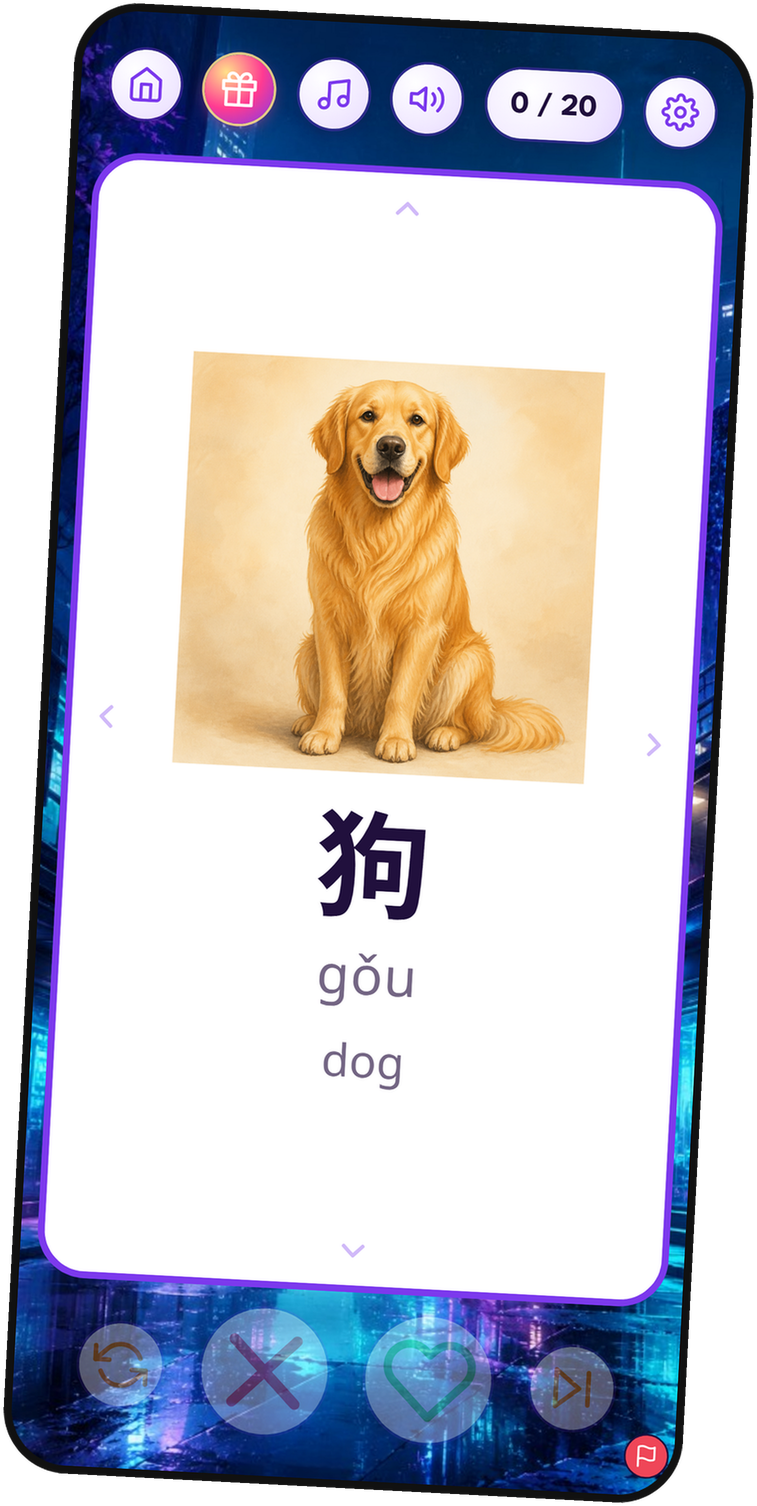
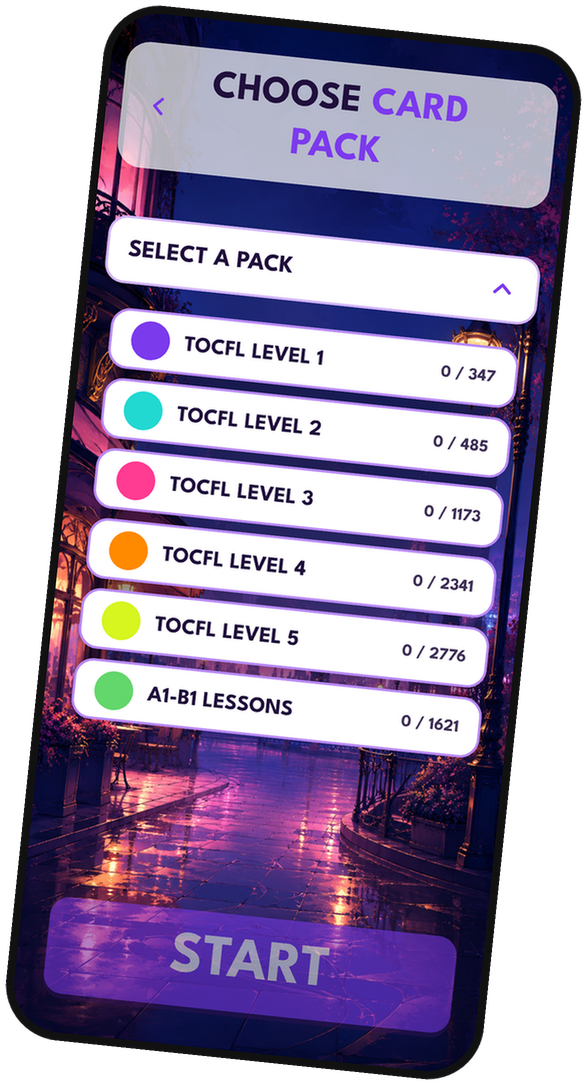
Quick plug before the rankings: our free lessons and Yak Cards cover 1,678 lessons across lots of languages, including 240 English lessons.
No account, no upsell, no owl guilt-tripping you at midnight.
Start there, then use this list to fill gaps.
One more thing: no single app does it all. The people who actually learn languages mix and match.
We’ll show you how at the end.

How we picked these apps
We looked at what each app is actually good at, not what its ads say.
Free trial, real lessons, and a hard look at the price tag after the trial ends.
Would a normal person stick with this past week two?
An app you quit is worth exactly nothing, no matter how shiny it is.
Finally, we checked whether each app teaches you to actually speak, or just tap pictures of ducks.
Both have a place. Only one gets you talking.

The short list — tap an app, then write the review below




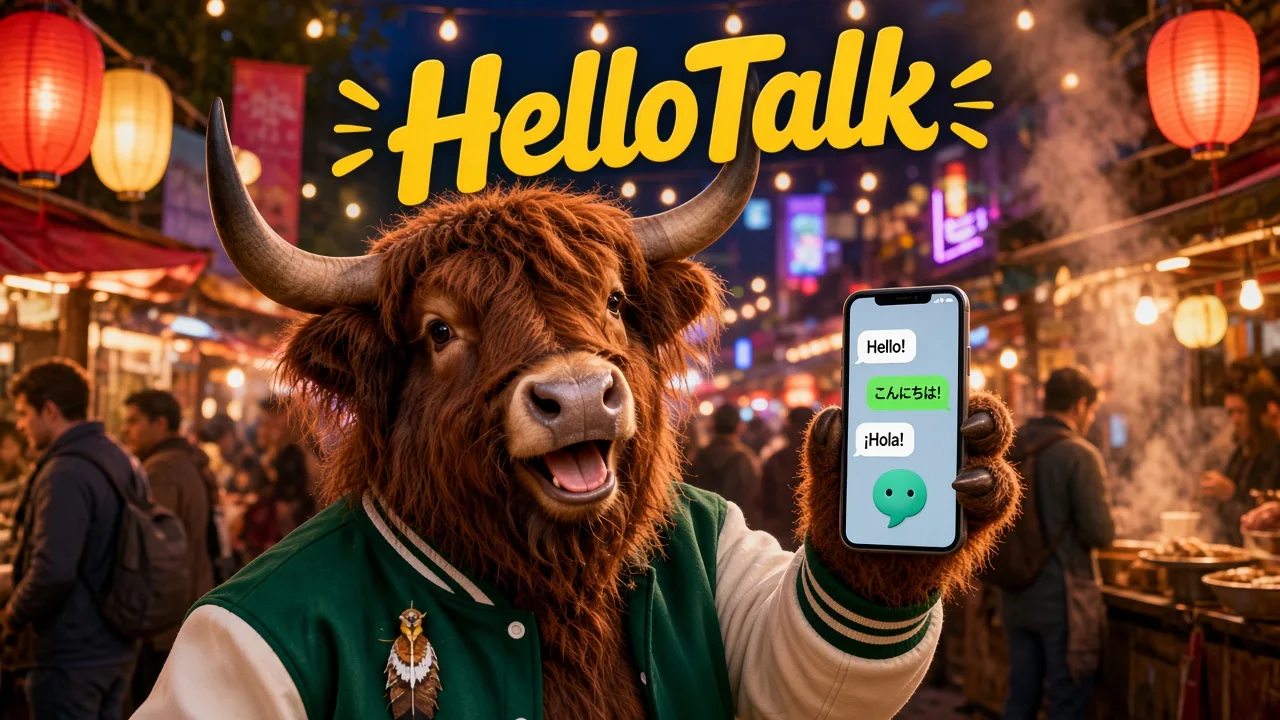
Best language learning apps in the market today
We spent the last few months personally checking out the main language-learning apps. One by one. Mostly Spanish. Mostly on a phone. This is our honest critique of each one.
Our setup was an iPhone 13 Pro Max, plus a Windows computer whenever an app had a desktop or web version worth opening. Some did. Some treat the website as an afterthought, and that tells you something too.
At Yak Yacker we’re trying to make the best possible free language-learning apps (even if we only have Yak Cards so far). What better way to know how to create the best possible product than to understand the tools already out there? So we went and used them.
Each app got roughly two weeks of real use, mostly Spanish. Enough time for the honeymoon to wear off. This is a summary of the apps we’ve tested so far. The long versions live in the linked reviews.
If you want to skip ahead to your situation, the next bits do that.

If you’re on a budget
Start with Duolingo. It’s the only app on this list with a genuinely free, full course. The energy bar throttles you on mobile, and the ads exist, but a free course is a free course.
Anki is the other budget hero. Free on desktop and Android. The iPhone app is $24.99 once, which sounds steep until you remember what a year of subscriptions costs.
HelloTalk is mostly free too, if your budget is measured in patience. You’re paying with flakes and the occasional creepy DM.

If you want to get conversational
Nothing in app-land makes you conversational on its own. Some things get you closer than others.
Pimsleur has you speaking real sentences out loud from lesson one, and it’s hands-free. italki is the other answer: a real human tutor, pay-per-lesson, and you will talk whether you like it or not.
Duolingo’s speaking is read-aloud parroting, not conversation. Memrise trains your ear with native speakers at real speed, but you’re still not holding up your end. If talking is the goal, Pimsleur or italki. Possibly both.
If vocabulary is the actual problem
Sometimes the grammar is fine and the nouns are not. If that’s you, Anki is the tool. Spaced repetition works. The catch is that Anki is flashcards, not a course. You have to feed it cards, and fat shared decks will bury you if you import something enormous on day one.
Memrise is the friendlier vocabulary option, with native-speaker video instead of a grey interface from 2009. Phrases first, rules later or never, so pair it with something that actually explains things.
This is also why we built Yak Cards the way we did. Vocabulary was the boring problem nobody was solving well, so we took a swing at it.
If you want a real course with grammar
Babbel is the classic answer. Dialogues plus grammar pop-ups in plain English, ten to fifteen minutes a lesson, and you finish knowing why the sentence works. Spanish, French, German, and Italian are the flagships. Content tops out around A2 to B1.
Busuu is the other serious course. Real CEFR curriculum, grammar notes that explain things, and Spanish, French, German, and English go up to C1. Buy Premium on the website rather than in the app store. Same product, dumber price in the store.
Duolingo is not this. Duolingo is a habit machine with grammar almost entirely absent. If you want to understand the language, pair it with Babbel or Busuu.
If your time is a commute
Pimsleur was basically built for this. Thirty-minute audio lessons, hands-free, no screen required. The trade-off is that it’s boring, the core vocab is tiny, and it never teaches grammar. For commutes, walks, and dishes, it’s still the one.
Anki reviews on the bus work when your hands are free. HelloTalk voice messages can work too, once you’re past the beginner stage.
A commute can’t schedule a tutor. If your only free time is behind a steering wheel, italki isn’t happening. Pick audio.
Now the quick hits. Eight apps, tested, summarized, linked.

Duolingo
The free course is real, and that matters. Short tap lessons, an owl that gamifies your streak, and it works as a daily habit machine. Spanish and French are strong. The long-tail languages get thin.
The energy bar on mobile throttles free users, and you can do this for a year and still not hold a conversation. The speaking is read-aloud, not dialogue.
What people love: it’s free and sticky. What people hate: the energy leash, the ads, and the “why can’t I talk yet” moment.
Babbel
Paid, structured, and honest about being a course. The dialogues are good and the grammar pop-ups explain things in plain English. Lessons run 10 to 15 minutes.
You have to pay. The tiny free tier is basically a sample. No Japanese, Korean, Mandarin, Arabic, or Hindi. Content tops out around A2–B1. Babbel Live for individuals ended July 1, 2025, so live classes are gone. What’s left is AI conversation.
What people love: finally understanding the why. What they hate: the paywall, the catalogue holes, and the live classes disappearing.
Pimsleur
Audio-first, thirty minutes a day, completely hands-free. You speak real sentences from lesson one and your accent improves. There’s a 7-day trial and a 30-day money-back guarantee, then it’s paid.
It’s boring, the core vocabulary is tiny, and it does not teach grammar. Some languages are audio-only, so forget reading practice.
What people love: speaking out loud on walks, and how their accent gets. What people hate: the tedium, the thin vocab, and the total absence of reading.
italki
A marketplace of real human tutors, paid per lesson with credits, no subscription. Tutors set their own prices. Most cluster around $10 an hour, ranging roughly from $4 to $30. Trials are discounted, not free.
Quality is entirely the tutor, so shop around. Book two or three people before settling. The cancel window is about 24 hours, and credits can lapse if you sit idle for roughly 12 months.
What people love: you actually talk to a real human. What people hate: tutor shopping, the cancel window, and the wallet fine print.
Anki
Spaced repetition flashcards. Not a course. Free on desktop and Android. AnkiMobile on iPhone is $24.99 once. You make your own cards or import shared decks, and the big shared decks will bury you if you get greedy.
Anki punishes binge-and-abandon. The queue doesn’t care about your feelings, and it will remind you that you skipped three days.
What people love: it remembers what you forget. What people hate: the 2009 interface, the review queue, and the homework of making your own cards.
Busuu
A real CEFR course with grammar notes that actually explain things, in phone-first five-minute lessons. Spanish, French, German, and English run up to C1. Korean exists but is thin. Community corrections are a mixed bag.
The free tier is a sample, not a course. Buy Premium on the website, not the app store. The store version costs more. The certificates are fridge paper.
What people love: a real curriculum in your pocket. What people hate: the paywall, the app-store tax, and the thin long-tail languages.
Memrise
Native-speaker video clips are the whole point, and they’re good. Real faces, real speed, real accents. Phrases first, rules later or never.
Grammar will not show up. The community-made decks, which used to be a huge draw, are no longer in the app. You get a limited free slice, then you pay.
What people love: hearing how people actually talk. What people hate: no grammar, and the community decks vanishing from the app.
HelloTalk
A language-exchange social app, not a course. Chat, voice messages, Moments, rooms. Mostly free, and the humans are real.
Creepy DMs happen, so block first. People vanish mid-conversation. That’s the deal. It works best around A2 or better. Below that, partners get frustrated.
What people love: free native speakers who want to help. What people hate: the creeps, the flakes, and the fact that there’s no curriculum at all.
That’s the apps we’ve tested so far. If you want us to put another language-learning app through the same treatment, leave a comment on this page and tell us which one. The queue is open.

How to stack these apps together
The winners almost always run a combo. A common one: free lessons and Yak Cards for the basics, an app like Babbel or Duolingo for daily habit, and italki or HelloTalk once you’re brave enough to speak.
Pick one main course and one speaking outlet.
That’s it.
Six apps at once and you’ll just collect streaks instead of words.
Start with our free lessons before you spend a cent. If those click for you, you might only need to pay for talking time.

Common questions
- What's the single best language app?
- There isn’t one. Duolingo is the best free habit-builder, Babbel is the best structured course, and italki is the best for speaking. The best app is the one you’ll use every day. So… Yak Cards?
- Can you get fluent with just an app?
- Not really. Apps get you to a solid intermediate level. To go further you need real conversation, real content, and a lot of patience. Apps are the on-ramp, not the whole highway.
- Are free apps as good as paid ones?
- Sometimes. Free tools like our lessons, Yak Cards, and Anki cover a shocking amount of ground. Paid apps mostly buy you structure and convenience. Try free first.
- How long until I can actually speak?
- With daily practice, most people can hold simple conversations in three to six months. Here’s what the data shows. Speaking out loud early, even badly, speeds things up a lot.
If you want a free course instead
Look, apps are fun, but if your wallet is feeling shy, you don’t need them.
Our 1,678 free lessons, including 240 English lessons, plus Yak Cards for drilling, cover beginner and intermediate ground without a subscription in sight.
Stack that with HelloTalk for free speaking practice and you’ve got a full setup for the price of zero dollars.
The apps above are upgrades, not requirements.
No yak required.

Flashcards that don’t suck.
A better way to practice every day — without getting sick of it.
Open Yak Cards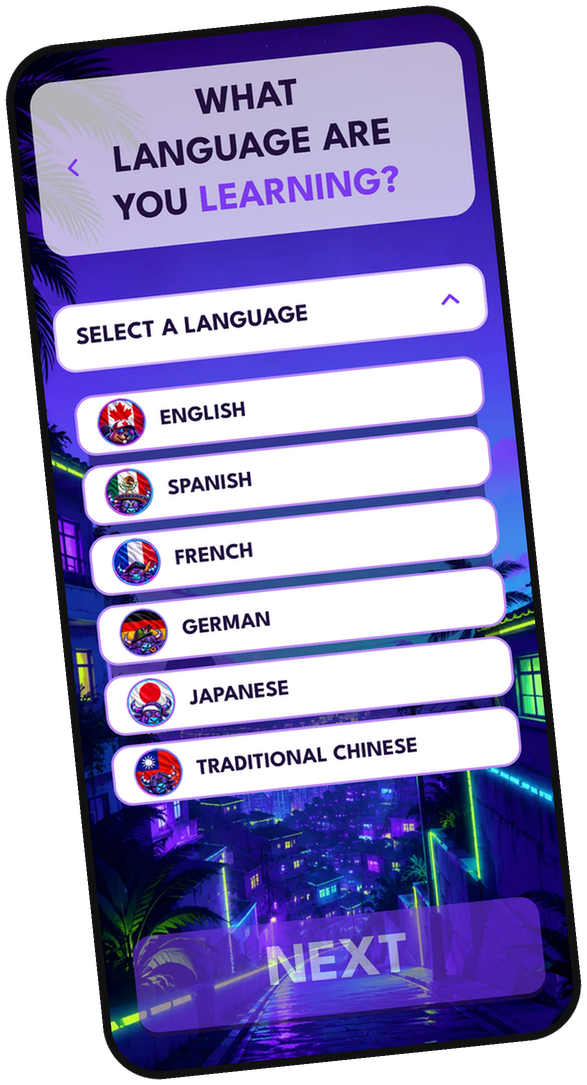
Keep exploring language apps

Best books and resources
This page is the apps roundup. Those are the other review shelves.

Best online tutors
This page is the apps roundup. Those are the other review shelves.

Best resources by goal
This page is the apps roundup. Those are the other review shelves.

How to work with an online tutor
This page is the apps roundup. Those are the other review shelves.

How to learn a language
This page is the apps roundup. Those are the other review shelves.

Reviews and resources
This page is the apps roundup. Those are the other review shelves.