This A2 Elementary retelling of A Christmas Carol keeps the plot clear for learners while still giving the story some atmosphere and momentum. Scrooge was a cold, old man. He did not like people, and he did not like Christmas.
This version is written for English-speaking learners and includes clickable word help inside the story, full story audio, and lesson notes after the reading. It is free to use on Yak Yacker and is designed to feel natural, readable, and manageable in English.
Mr. Scrooge was a , old man. He did not like people, and he did not like Christmas. "Merry Christmas, Uncle!" said his nephew. "Bah! Humbug!" said Scrooge.
That night, the of his partner, Jacob Marley, came. He carried . "I made these chains in life," he said. "You will be visited by three spirits. , or you will wear chains too!"
The first spirit, the Ghost of Christmas Past, took Scrooge to his . Scrooge saw himself as a boy with no friends. He felt very sad.
The second spirit, the Ghost of Christmas Present, showed him the home of Bob Cratchit, his clerk. The family was , but they were .
Tiny Tim, Bob's little son, was . "Merry Christmas to all! God bless us, every one!" said Tiny Tim with a smile.
Then the Ghost of Christmas Future came. It was . It showed Scrooge a with his own name. "Are these things that will happen, or things that may happen?" cried Scrooge.
Scrooge woke up in his own bed. It was Christmas morning! He was so full of . "I am alive!" he shouted. "I can change! I will be kind!"
He bought the and sent it to the Cratchits. Then he walked to his nephew's house. "Merry Christmas!" he called. He and went in.
Scrooge became a to Tiny Tim. He helped the boy get better. And Scrooge kept Christmas in his heart all year long.
Scrooge was an unfriendly old man. He didn't like people or Christmas. His nephew wished him a merry Christmas, but Scrooge replied angrily, "Bah! Humbug!"
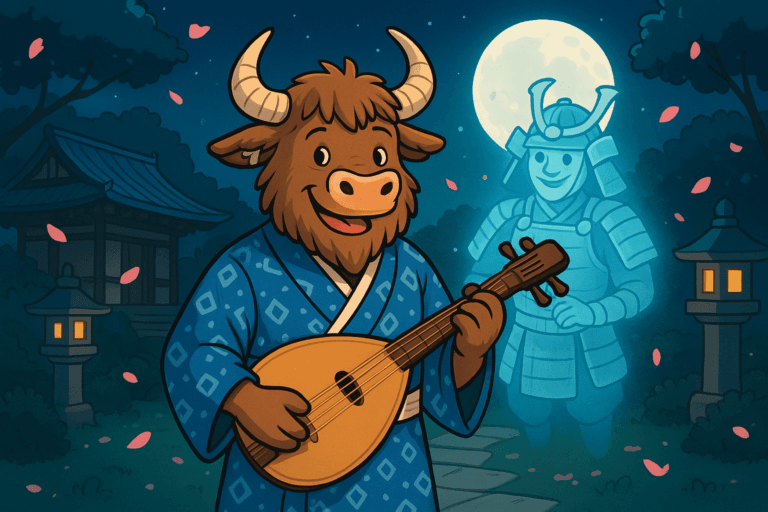
That night, the ghost of his business partner, Jacob Marley, appeared. He was carrying heavy chains. He said he made those chains during his life. He warned Scrooge that three spirits would visit him, and that he must listen to them or else he would end up with chains too.
The first spirit, the Ghost of Christmas Past, took Scrooge back to his childhood. Scrooge saw himself as a lonely boy without friends and became very sad.
The second spirit, the Ghost of Christmas Present, showed him the home of his clerk, Bob Cratchit. The family was poor but happy.
Bob's little son, Tiny Tim, was sick and weak. He smiled and said, "Merry Christmas to all! God bless us, every one!"
Then the Ghost of Christmas Future arrived. It was dark and silent. It showed Scrooge a gravestone with his name on it. Scrooge cried out, asking if these things were certain or if they could be changed.
Scrooge woke up in his bed on Christmas morning, filled with joy. He shouted that he was alive and could change, promising to be kind.
He bought a huge turkey and sent it to the Cratchit family. Then he went to his nephew's house, wished them a merry Christmas, knocked on the door, and went inside.
Scrooge became like a second father to Tiny Tim, helping him get well. He kept the spirit of Christmas in his heart all year.
Here are some important words from the story to help you understand and retell it. We'll look at their meanings and how they are used.
- Ghost: a spirit of a dead person. In the story, Jacob Marley's ghost visits Scrooge.
- Chain: a series of metal rings connected together. Marley's ghost carries heavy chains as a punishment.
- Spirit: another word for ghost, especially one that teaches a lesson. Three spirits visit Scrooge.
- Nephew: the son of your brother or sister. Scrooge's nephew invites him for Christmas.
- Clerk: a person who works in an office, keeping records. Bob Cratchit is Scrooge's clerk.
- Tombstone: a stone on a grave with a person's name and dates. The Ghost of Christmas Future shows Scrooge his own tombstone.
The story uses the simple past tense to tell about finished actions in the past. Many verbs are regular (add -ed), but some are irregular. Let's look at examples from the story and learn a few patterns.
- Regular verbs: liked → liked, walked → walked, shouted → shouted.
- Irregular verbs: come → came, make → made, take → took, feel → felt, wake → woke, buy → bought, become → became.
- Notice how the past form often changes the vowel: come/came, take/took.
- Practice: 'Scrooge did not like people.' (negative form = did not + base verb)
Adjectives help us tell what a person is like or how they feel. In the story, many adjectives describe Scrooge, Tiny Tim, and the Cratchit family. Let's see some examples.
- 'Mr. Scrooge was a cold, old man.' Cold here means unfriendly, not feeling warm emotions.
- 'He felt very sad.' 'He was so full of joy.' Sad and joyful show opposite feelings.
- 'Tiny Tim was sick and weak.' Sick means not healthy, weak means having little strength.
- Try using these: kind, lonely, happy, poor. Example: 'The Cratchit family was poor but happy.'
Now you know the story of Scrooge's change. What part did you like best? Maybe you can retell it to a friend in your own words. Or imagine: if you could be visited by a ghost, what would it show you? A gentle way to remember the lesson is to keep Christmas in your heart, just like Scrooge-be kind and joyful every day!
A Christmas Carol comes from the English / Charles Dickens tradition and is best known as a ghost novella. This Yak Yacker article is an original learner retelling based on Charles Dickens, 1843; public domain, so the wording here is simplified for modern learners rather than copied from one old edition.
Older printings, translations, and retellings of this story can vary quite a bit. The original audience was usually general, but this version is adapted for A2 Elementary learners studying English. Famous and useful, but vocabulary makes it B1 if not simplified.
If you want to look into the source tradition, start with Project Gutenberg.
If you want to keep going, browse more in our English section and review the A2 English Vocabulary List. After that, try English Adjectives and Adverbs for another useful next step.