This B1 Intermediate retelling of The Lodger: A Story of the London Fog keeps the plot clear for learners while still giving the story some atmosphere and momentum. The fog lay thick over London. It was as grey as a ghost.
This version is written for English-speaking learners and includes clickable word help inside the story, full story audio, and lesson notes after the reading. It is free to use on Yak Yacker and is designed to feel natural, readable, and manageable in English.
The fog lay thick over . It was as as a ghost. In one small, warm house, a sign said, "Room to Let."
Mrs. Bunting, the , sat by the fire. She needed a . Money was .
Suddenly, there was a at the door. A man in a dark coat stood there. "I have come about the room," he said .
Mrs. Bunting showed him the room. He liked it. "I will ," he said. "But I must go out every night. You must never the front door."
Mrs. Bunting was , but she agreed. The man paid her for a . He gave her his name: Mr. Smith.
Mr. Smith was a lodger. He never ate with her. He read the Bible for . And every night, when the fog came down, he went out.
The newspapers were full of news. A called "The Avenger" was walking the London streets. The murders always happened on nights.
Mrs. Bunting began to think. "Mr. Smith goes out on foggy nights. He is so quiet. He does not like visitors." She felt a .
One evening, she could not stay quiet. "Mr. Smith," she asked, "why do you go out every night?"
Mr. Smith looked at her with eyes. "I have my work," he said. "You must not ask again." Then he the house.
That night, the fog was than ever. Mrs. Bunting waited and waited. She heard the clock strike midnight. No Mr. Smith.
At two in the morning, she heard the front door . She ran to the hall. Mr. Smith stood there, his coat wet with fog. He carried a small black bag.
"What is in that bag?" cried Mrs. Bunting. Her voice was .
Mr. Smith set down the bag. He opened it . Inside were bread and cheese – and a little grey kitten.
"I work at a ," he said with a smile. "The kitten was in the fog. I could not leave it."
Mrs. Bunting laughed and laughed. The fog outside began to . The house felt warm again.
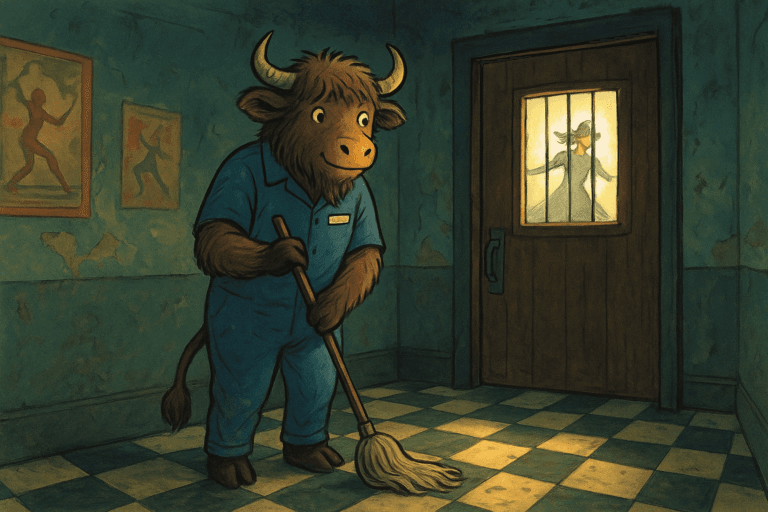
The fog was thick over London, grey like a ghost. In a small warm house, a sign said "Room for Rent."
Mrs. Bunting, the landlady, sat by the fire. She needed a lodger because money was tight.
Suddenly, someone knocked. A tall man in a dark coat stood there. "I'm here about the room," he said quietly.
Mrs. Bunting showed him the room. He liked it and said, "I'll take it. But I must go out every night. Never lock the front door."
Mrs. Bunting was surprised but agreed. He paid for a month and gave his name: Mr. Smith.
Mr. Smith was strange. He never ate with her, read the Bible for hours, and went out every night when the fog came.
Newspapers reported terrible news. A killer called "The Avenger" was on London's streets. Murders happened on foggy nights.
Mrs. Bunting thought: "Mr. Smith goes out on foggy nights, is quiet, and doesn't like visitors." She felt a cold fear.
One evening, she couldn't keep quiet. She asked, "Mr. Smith, why do you go out every night?"
Mr. Smith looked at her sadly. "I have my work. Don't ask again," he said, and left.
That night, the fog was thicker than ever. Mrs. Bunting waited. Midnight came. No Mr. Smith.
At two a.m., she heard the door open. She ran to the hall. Mr. Smith stood there, coat wet, carrying a small black bag.
"What's in that bag?" cried Mrs. Bunting, her voice shaking.
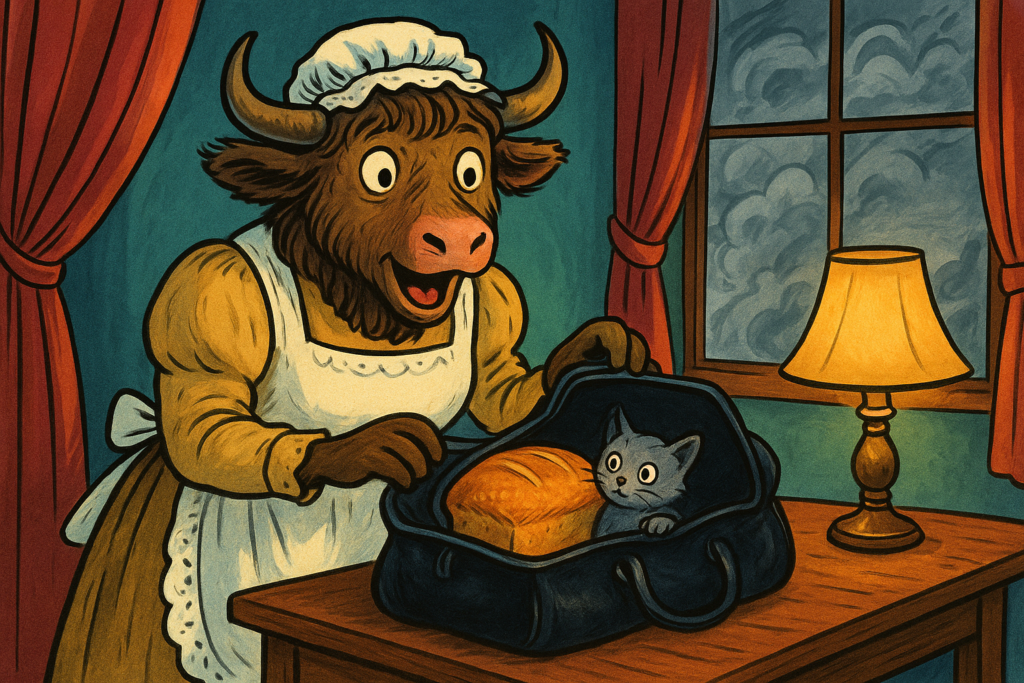
Mr. Smith put down the bag and opened it. Inside were bread, cheese, and a little grey kitten.
"I work at a night bakery," he smiled. "The kitten was lost in the fog. I couldn't leave it."
Mrs. Bunting laughed. The fog lifted, and the house felt warm again.
This story is full of words that create a mysterious, old-fashioned atmosphere. Let's look at some key vocabulary to help you understand and retell the story.
Many of these words describe people, places, and feelings. Learning them will also help you talk about homes, mystery stories, and everyday routines.
- lodger: a person who pays to live in a room in someone's house
- landlady: a woman who rents out rooms in her house
- fog: thick cloud just above the ground, making it hard to see
- bakery: a place where bread and cakes are baked
The writer uses strong adjectives and comparisons to build tension. Notice how the fog is 'as grey as a ghost,' making it almost like a character. Descriptive words like 'thick,' 'dark,' and 'sad' paint a picture of the cold, strange setting.
Try using similar descriptions in your own stories. Instead of just saying 'she was scared,' you could write 'a cold fear crept over her' - it feels more vivid and physical.
- adjectives: thick fog, dark coat, sad eyes, strange lodger, cold fear
- simile: as grey as a ghost - comparing fog to a ghost to emphasise its colour
- imagery: phrases that create a clear picture or feeling in the reader's mind
The story has several moments where characters talk about rules or choices. Mr. Smith says, 'You must never lock the front door.' This is a strong obligation - the door must stay open. Later, Mrs. Bunting says, 'You must not ask again.' That is also a rule she has to follow.
The phrase 'could not leave' shows that he felt he had no choice but to help the kitten. When we say 'could not,' it often means it was impossible to do something differently.
- must never = a strict prohibition (always stay unlocked)
- must not = an order or rule (do not ask)
- could not = it was impossible to do otherwise (he had to save the kitten)
Now that you've enjoyed the twist, try to tell a short mysterious story of your own. Use the vocabulary and phrases from this lesson. Maybe start with a knock on a foggy night and a bag that seems suspicious…
You can also look back at the story and notice how the writer builds suspense - the quiet lodger, the nightly walks, and the newspapers' 'Avenger.' All these details make the ending surprising and satisfying.
- Re-read the story and highlight all the adjectives you find.
- Write three sentences using 'must' or 'could' to describe rules or impossible choices.
- Imagine an unusual thing in a bag - what is it really? Write the scene.
The Lodger: A Story of the London Fog comes from the American / public-domain screen or print culture tradition and is best known as a silent thriller film. This Yak Yacker article is an original learner retelling based on 1927 film; public domain in U.S., so the wording here is simplified for modern learners rather than copied from one old edition.
Older printings, translations, and retellings of this story can vary quite a bit. The original audience was usually adult/general, but this version is adapted for B1 Intermediate learners studying English. Early Hitchcock thriller; check local film status.
If you want to look into the source tradition, start with Project Gutenberg.
If you want to keep going, browse more in our English section and review the Expand Your B1 Vocabulary. After that, try Master Adjectives and Adverbs for another useful next step.