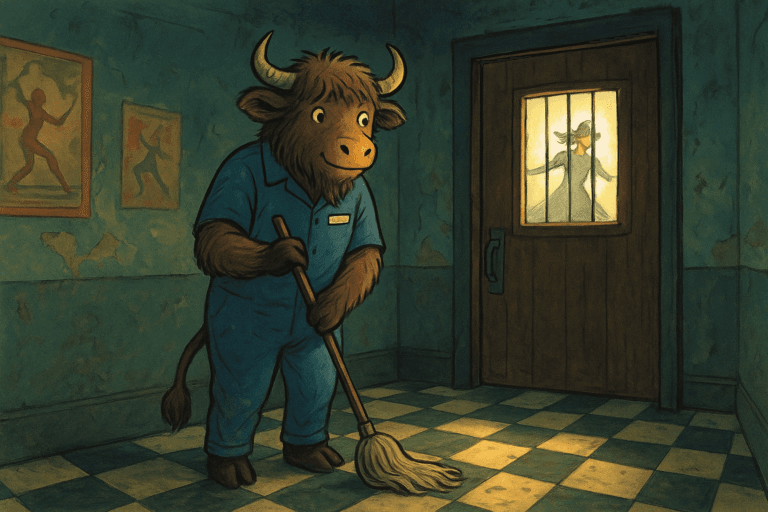
In this classic tale, five children on summer holiday dig in a gravel pit and discover a strange creature called the Psammead. This sand fairy can grant one wish every day – but the wishes never turn out as expected. From growing wings to becoming incredibly rich, each adventure teaches the children important lessons about being careful what you wish for.
This A2 elementary graded reader lets you enjoy the story in simple English. As you read, you can click on tricky words to see their meanings instantly. Plus, listen to the full story audio to improve your pronunciation and listening skills. Whether you're studying alone or with a teacher, this interactive story makes learning English fun and effective.
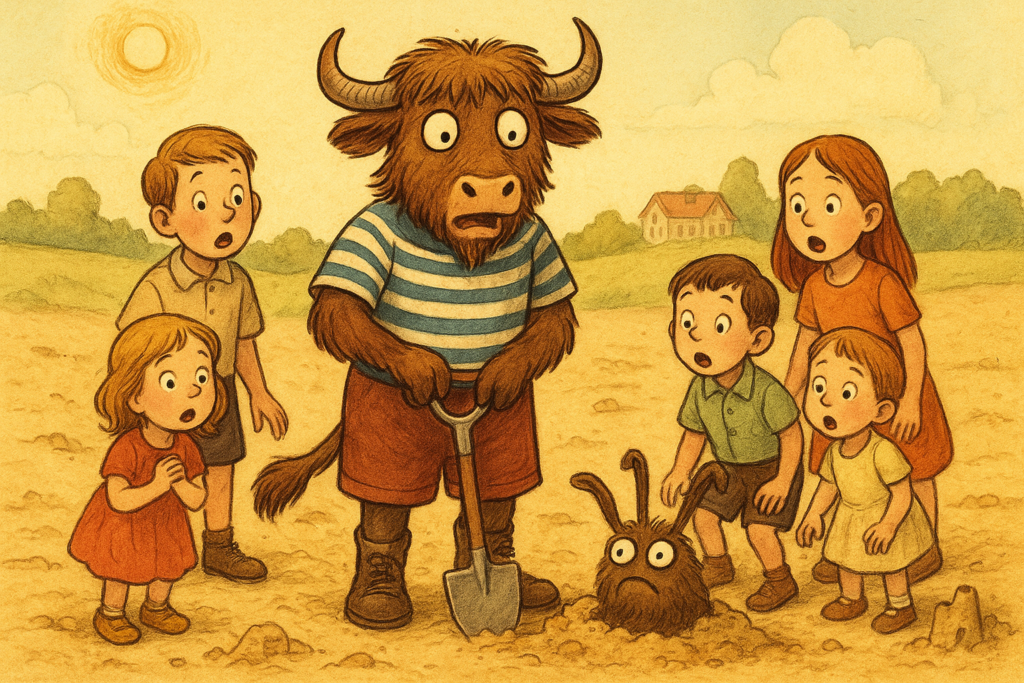
One summer, five children – Cyril, Anthea, Robert, Jane, and Baby Lamb – were staying in an in the country. The house had a big garden with a . One morning, the children were in the sand pit. They wanted to build a sandcastle. Suddenly, Robert's spade hit something hard.
'What is that?' said Cyril. The children . They saw a small, furry creature. It had long ears and eyes on . It looked very . 'Be careful!' it said. 'I am a Psammead, a sand-fairy.' The children stared. 'I can ,' the creature added.
'A wish!' said Jane. 'I wish we were all as beautiful as the day!' The sand-fairy its body. Nothing seemed to happen. But then, the children looked different. Their hair was now golden, and their eyes were bright. 'We look wonderful!' said Anthea. But when they went home, the cook did not know them. 'Go away, you children!' she shouted. The baby cried. The children sat in the garden, feeling sad. At sunset, the wish ended, and they became normal again.
The next day, they returned to the sand pit. 'I wish we had lots of money!' said Robert. The sand-fairy . 'Be careful what you wish for,' it said. In a moment, the ground was covered with . The children were excited. 'We are rich!' they shouted. But the coins were very . They tried to carry them, but they could not. A policeman saw them and began asking questions. The children were frightened. At sunset, the money disappeared, and they were happy to go home.
The children did not learn their lesson. They wished for wings to fly, and they flew over the fields. But they became and hungry, and they could not get down. They wished for a giant, but the giant was too big and the village. Every time, the sand-fairy said, 'Be careful what you wish for.' Every time, the children had .
At last, the children understood. 'We must before we wish,' said Anthea. 'The wishes always bring trouble.' The sand-fairy nodded. 'It is better to be ,' it said. The children agreed.
The sand-fairy smiled for the first time. 'You are ,' it said. Then it in the sand and disappeared. The children never saw it again.
From that day on, the five children enjoyed their holiday. They played in the garden, went for walks, and did not make . They were happy just being .
One summer, five children named Cyril, Anthea, Robert, Jane, and Baby Lamb stayed in an old white house in the countryside. The house had a large garden with a sand pit. One morning, they were digging in the sand pit to build a sandcastle. Suddenly, Robert's shovel hit something hard.
"What's that?" Cyril asked. They dug gently and found a small, furry animal with long ears and eyes on stalks. It seemed annoyed. "Watch out! I'm a Psammead, a sand fairy," it said. The children stared. "I can grant wishes," it added.
"A wish!" Jane said. "I wish we were all as beautiful as the day." The sand fairy swelled up. At first nothing changed. Then their hair turned golden and their eyes shone. "We look amazing!" Anthea said. But when they got home, the cook didn't recognize them. "Go away, strangers!" she yelled. The baby cried. They sat sadly in the garden. At sunset, the wish wore off and they became normal again.
The next day, they went back to the sand pit. "I wish we had lots of money!" Robert said. The sand fairy sighed. "Be careful what you wish for." Suddenly, gold coins covered the ground. The children were thrilled. "We're rich!" they shouted. But the coins were too heavy to carry. A policeman saw them and started questioning them. They got scared. At sunset, the money vanished, and they were glad to go home.
The children didn't learn. They wished for wings to fly, so they flew over fields. But they got tired and hungry and couldn't land. They wished for a giant, but the giant was enormous and frightened the village. Each time, the sand fairy warned, "Be careful what you wish for." Each time, the children faced trouble.
Finally, the children got it. "We must think before wishing," Anthea said. "The wishes always cause problems." The sand fairy nodded. "It's better to be content with what you have," it said. The children agreed.
The sand fairy smiled at last. "You're learning," it said. It dug a hole in the sand and vanished. The children never saw it again.
After that day, the five children enjoyed their vacation. They played in the garden, took walks, and stopped making foolish wishes. They were happy just being themselves.
Let's look at some words from the story that help you talk about wishes, magic, and feelings. These words will come in handy when you describe everyday situations or tell simple stories.
Here are a few that appeared while the children met the Psammead and made their wishes.
- creature - a living thing, often an animal or a strange being (The sand-fairy was a small, furry creature.)
- grumpy - a little angry or in a bad mood (The Psammead looked grumpy when the children woke it up.)
- grant - to give or allow something (The sand-fairy could grant the children a wish.)
- disappear - to go away, to no longer be seen (At the end, the Psammead dug a hole and disappeared.)
The story is full of actions that happened in the past. To talk about them, we use the simple past tense. Many verbs add -ed, but some change their form-these are irregular verbs.
Here are a few irregular verbs from the adventure. Notice how they change from present to past.
- dig → dug (The children dug in the sand pit.)
- say → said (It said, 'I am a sand-fairy.')
- see → saw (They saw a small creature.)
- go → went (They went home, but the cook didn't know them.)
When describing people, places, or things, adjectives help you add colour and detail. The story uses adjectives to show what the children and the fairy looked and felt like after each wish.
Try to spot these describing words and use them in your own sentences. They make your English more interesting!
- Their hair was golden and their eyes were bright. (golden, bright)
- The Psammead was small and furry. (small, furry)
- The children were excited, but later they felt sad and tired. (excited, sad, tired)
The children learned a big lesson: not every wish makes you happy. Sometimes it's better to enjoy what you have. The phrase 'Be careful what you wish for' means that wishes can bring unexpected problems.
Now that you know the story, try talking about a wish you once had. Use the simple past: 'I wished for…' or 'I wanted…' And remember, even in English, sometimes the best magic is just being yourself.
Five Children and It comes from an older public-domain story tradition and is best known as a public_domain_children_story_retelling. This Yak Yacker article is an original learner retelling based on public-domain source material, so the wording here is simplified for modern learners rather than copied from one old edition.
Older printings, translations, and retellings of this story can vary quite a bit. This version is adapted for A2 Elementary learners studying English.
If you want to keep going, browse more in our English section and review the A2 English Vocabulary List. After that, try English Adjectives and Adverbs for another useful next step.