This A2 Elementary retelling of The Little Match Girl keeps the plot clear for learners while still giving the story some atmosphere and momentum. It was a cold winter night. A little girl walked in the street.
This version is written for English-speaking learners and includes clickable word help inside the story, full story audio, and lesson notes after the reading. It is free to use on Yak Yacker and is designed to feel natural, readable, and manageable in English.
It was a . Snow fell. A little girl walked in the street. She had no shoes. Her feet were very . She had in her hand. "Matches! Buy my matches!" she called. .
The girl was . She saw warm houses with lights. Families sat by the fire. She smelled good food. But she could not go inside. "Please buy a match," she said to a man. He did not look. She felt so .
She sat down between two houses. It was a little warmer there. She took out a match. "I will one match," she thought. "Just to warm my fingers." She . It made a small, bright . She saw a big, warm stove. She put out her hands. Then the match went out. The stove disappeared.
She lit another match. She saw a table. There was a big roast goose. The goose walked to her! But the match went out. All became dark again.
She lit a third match. She saw a Christmas tree. It was very big and beautiful. Candles shone on it. The candles flew up and became stars. One star fell. "Someone is ," she said. Her grandmother told her that. But she felt , not fear.
She lit a fourth match. Her grandmother stood in the . She looked kind. "Grandmother!" cried the girl. "Take me with you! Please don't go!"
She quickly lit all the matches. The light was . Her grandmother took her in her arms. "Come with me, my love. There is no cold, no hunger here." They into the warm light.
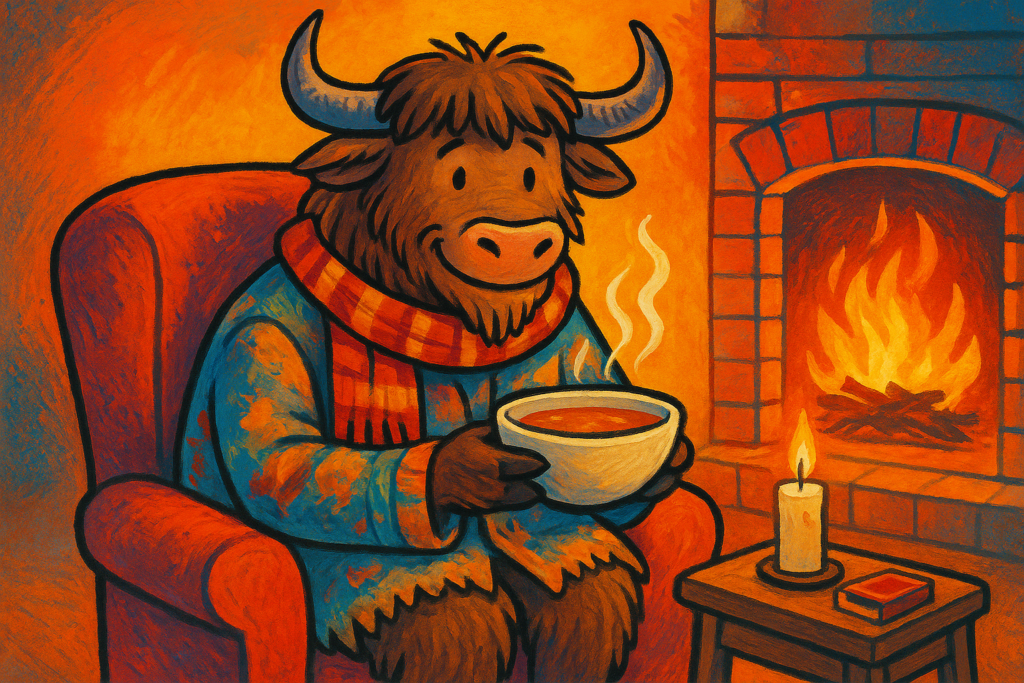
The next morning, people found the girl. She had a . "Look at her smile," they said. A kind woman saw her. She took the girl to her home. There, the girl woke up. She saw a warm fire and a bowl of soup. She was .
On a cold, snowy night, a barefoot girl called out 'Buy my matches!' but nobody stopped.
The hungry, tired girl saw warm houses with lights and smelled good food, but she couldn't go in. She asked a man to buy a match, but he ignored her. She felt very alone.
She sat between two houses where it was a little warmer. She lit a match to warm her fingers and imagined a warm stove, but it vanished when the match went out.
She lit another match and saw a table with a roast goose that walked toward her. When the match went out, everything disappeared.
She lit a third match and saw a Christmas tree with candles that turned into stars. A star fell, and she recalled her grandmother's belief: a falling star means someone is dying. She felt love, not fear.
She lit a fourth match and saw her kind grandmother. She cried, 'Take me with you! Don't go!'
She quickly lit all the matches, making light brighter than day. Her grandmother held her, saying, 'There's no cold or hunger here,' and they flew into the warm light.
The next morning, people found the smiling girl. A kind woman took her home, where she woke up to a warm fire and soup. She was finally safe and warm.
Here are some key words from The Little Match Girl. Learning them will help you describe similar situations.
- match (noun): a small stick that makes fire when you rub it against a rough surface.
- strike (verb): to rub a match against something to make a flame.
- flame (noun): the bright, hot, moving part of a fire.
- disappear (verb): to go away so you cannot see it anymore.
The story uses the past simple tense to talk about finished actions. Many verbs change their form in the past. Look at these examples from the story.
- Regular verbs: walk → walked, call → called, stop → stopped. ('She walked in the street.')
- Irregular verbs: have → had, see → saw, light → lit. ('She saw a Christmas tree.')
- More irregulars: stand → stood, take → took, fly → flew. ('Grandmother took her in her arms.')
The little girl feels very cold, but the matches bring warm and bright visions. These simple words can help you talk about temperature and feelings.
- cold: low temperature, not warm. ('Her feet were very cold.')
- warm: a comfortable, pleasant heat. ('She saw a warm fire.')
- bright: giving a lot of light. ('The light was brighter than day.')
- sweet: pleasing and kind, often used to describe smiles. ('She had a sweet smile.')
Well done! You've read the story and learned some new words and grammar. Try these activities to practice more.
- Retell the story to a friend in your own words, using the past simple.
- Write two or three sentences about a time you felt very cold or warm.
- Draw the little girl's warm stove or the big Christmas tree.
The Little Match Girl comes from the Danish / Andersen tradition and is best known as a literary fairy tale. This Yak Yacker article is an original learner retelling based on Andersen, 1845; public domain, so the wording here is simplified for modern learners rather than copied from one old edition.
Older printings, translations, and retellings of this story can vary quite a bit. The original audience was usually kids/general, but this version is adapted for A2 Elementary learners studying English. Very sad; maybe label as emotional/holiday story.
If you want to look into the source tradition, start with Project Gutenberg.
If you want to keep going, browse more in our English section and review the A2 English Vocabulary List. After that, try 1,200 English Phrases and Expressions for another useful next step.