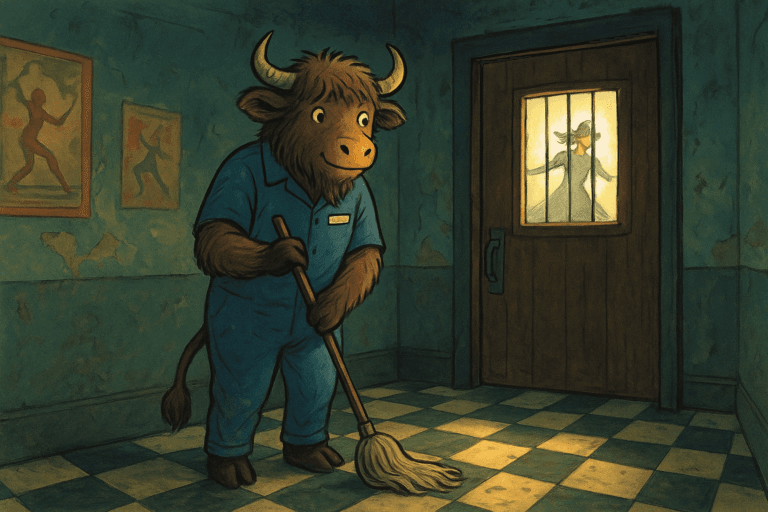
Step into the mysterious world of the Paris Opera House, where strange things happen and a ghostly figure haunts the halls. In this B1 Intermediate English retelling of the 1925 film, you'll meet the Phantom, a masked man with a beautiful voice, and Christine, a young singer he loves. Their story is full of mystery, music, and a little bit of fear.
As you read, you can click on tricky words to see their meanings and listen to the story audio to improve your pronunciation. Our free lesson notes will help you learn new vocabulary and grammar, making this the perfect way to enjoy a classic story while building your English skills. No sign-up needed-just read, listen, and learn!
Long ago, in the grand Paris Opera House, people whispered about a ghost.
They called him the .
Strange things happened in the of the opera.
Sometimes, a moved in the , or a cold wind passed through the empty seats.
A young singer named Christine Daaé worked at the opera.
She had a , but nobody knew her .
Christine believed in an , sent by her dead father.
One night, after a , she sat alone in her dressing room.
Suddenly, a , gentle voice spoke from the shadows.
"Christine, I am the Angel of Music. I will you to sing."
She felt at first, but his words were full of .
Every day, the mysterious voice gave her .
Christine's singing grew and more beautiful.
Soon, the opera directors chose her to sing the .
On the night of her big , she was very nervous.
But when she , her voice flew like a bird.
The went wild with .
In the crowd was her childhood friend, Raoul.
He watched her with and thought, "I love her."
After the show, Raoul ran to Christine's dressing room.
"Christine, you were !" he said.
"We must go to dinner and !"
But Christine looked and pulled away.
"I cannot, Raoul. My is waiting," she whispered.
"Teacher? What teacher?" Raoul asked.
Before she could answer, a filled the room.
"Christine, do not speak to this young man. Think only of your music."
Raoul saw no one, but the voice made his skin .
Days passed, and Christine became more and more .
The Angel of Music was not an angel at all.
He was a man-a man with a .
One night, he appeared in her .
His face was hidden by a white , and he wore a long black cape.
He held out a hand and said, "Come with me, Christine."
She felt both and terrified.
She took his hand, and he led her through a .
They went down, down into the dark beneath the opera.
At last, they arrived at a strange underground house.
The Phantom lit and turned to face her.
"I am Erik," he said. "I will give you the if you love me."
Christine stared at his .
"Take off your mask," she said .
His burned with pain.
"No! You would run away."
But her was stronger than her fear.
She reached up and pulled the mask from his face.
What she saw made her .
His face was and ugly, like a nightmare.
Christine stepped back in .
"Now you see why I must hide from the world," the Phantom said .
His voice was full of .
Meanwhile, Raoul could not forget Christine.
He went to her with a brave friend.
They climbed through dark and heard strange music all around.
At last, they found the Phantom's hidden home.
"Let her go!" shouted Raoul.
The Phantom laughed, a sound.
He pushed a , and a heavy door closed, trapping the two men inside.
"Now, Christine, you must ," the Phantom said.
"Marry me, or your friends will die."
Christine looked at the two men-one handsome and kind, the other broken and alone.
She felt a great wave of .
She walked slowly toward the Phantom and took his ugly face in her hands.
"I do not love you," she said softly, "but I am sorry for your pain."
She kissed his forehead.
The Phantom's body .
No one had ever shown him .
Tears fell from his eyes.
"Go," he whispered. "Take him and go."
He opened the door and let Raoul and his friend free.
Then he turned and walked deep into the .
Christine and Raoul hurried out of the tunnels and never saw the Phantom again.
Sometimes, at midnight, people in the opera house heard , beautiful music.
They said it was the Phantom, still his songs in the dark.
And in an old box in the attic, they later found a white mask, quietly waiting.
Long ago, in the big Paris Opera House, people talked quietly about a strange ghost.
They called him the Phantom.
Odd things happened in the dark parts of the opera.
Sometimes, a shadow moved at the side, or a cold wind blew through the empty seats.
A young singer named Christine Daaé worked at the opera.
She had a lovely voice, but no one knew her secret.
Christine believed in an Angel of Music, sent by her dead father.
One night, after practice, she sat alone in her dressing room.
Suddenly, a deep, soft voice spoke from the darkness.
It said: "Christine, I am the Angel of Music. I will teach you to sing."
At first she was scared, but his words were very kind.
Every day, the strange voice gave her lessons.
Christine's singing got stronger and prettier.
Soon, the opera leaders chose her to sing the main part.
On the night of her big show, she was very worried.
But when she walked on stage, her voice flew like a bird.
The crowd cheered wildly.
In the audience was her old friend, Raoul.
He watched her with bright eyes and thought, "I love her."
After the show, Raoul rushed to Christine's dressing room.
"Christine, you were amazing!" he said.
"We must go to dinner and celebrate!"
But Christine looked troubled and stepped back.
"I can't, Raoul. My teacher is waiting," she said softly.
"Teacher? What teacher?" Raoul asked.
Before she could reply, a cold voice filled the room.
"Christine, don't talk to this young man. Think only of your music."
Raoul saw nobody, but the voice made him shiver.
Days passed, and Christine grew more scared.
The Angel of Music was not an angel at all.
He was a man-a man with a secret.
One night, he appeared in her mirror.
His face was covered by a white mask, and he wore a long black cloak.
He reached out a hand and said, "Come with me, Christine."
She felt both curious and very afraid.
She took his hand, and he led her through a hidden door.
They went down, down into the dark tunnels under the opera.
Finally, they reached a strange underground home.
The Phantom lit candles and turned to her.
"I am Erik," he said. "I will give you the world if you love me."
Christine looked at his masked face.
"Take off your mask," she said softly.
His golden eyes shone with hurt.
"No! You would run away."
But her curiosity was stronger than her fear.
She reached up and pulled the mask from his face.
What she saw made her scream.
His face was twisted and ugly, like a bad dream.
Christine stepped back in shock.
"Now you see why I must hide from the world," the Phantom said sadly.
His voice was full of loneliness.
Meanwhile, Raoul could not forget Christine.
He went to look for her with a brave friend.
They climbed through dark hallways and heard strange music everywhere.
At last, they found the Phantom's hidden home.
"Let her go!" Raoul shouted.
The Phantom laughed, a sad and eerie sound.
He pushed a lever, and a heavy door shut, trapping the two men inside.
"Now, Christine, you must choose," the Phantom said.
"Marry me, or your friends will die."
Christine looked at the two men-one handsome and kind, the other broken and alone.
She felt a strong wave of pity.
She walked slowly to the Phantom and held his ugly face in her hands.
"I don't love you," she said softly, "but I am sorry for your pain."
She kissed his forehead.
The Phantom's body trembled.
No one had ever been kind to him.
Tears fell from his eyes.
"Go," he whispered. "Take him and go."
He opened the door and let Raoul and his friend go.
Then he turned and walked far into the darkness.
Christine and Raoul hurried out of the tunnels and never saw the Phantom again.
Sometimes, at midnight, people in the opera house heard soft, lovely music.
They said it was the Phantom, still playing his songs in the dark.
And in an old box in the attic, they later found a white mask, quietly waiting.
This story is full of atmosphere: whispers, shadows, tunnels, and music. Words like mysterious, hidden, and haunted help create that spooky, romantic feeling. In English, stories often use this kind of language to make a place feel alive and a little dangerous.
Notice how the opera house is not just a building here. It becomes a character in the story, with dark corners, secret doors, and strange sounds. That is a useful storytelling style: when a place feels important, the whole story feels bigger.
- mysterious = hard to understand or explain
- whispered = spoken very quietly
- haunted = believed to be visited by a ghost
- shadow = a dark shape made when light is blocked
The story mixes beautiful and frightening language, which is part of its charm. Christine has a beautiful voice, the Phantom gives gentle lessons, and the audience goes wild with applause. But there is also fear, horror, and loneliness. This contrast makes the story feel dramatic.
A few useful words here are nervous, terrified, curious, and pity. These are strong feeling words, and they often appear in stories where characters must make difficult choices. Try using them to describe not only what people feel, but why they feel it.
- nervous = worried before something important
- terrified = very, very afraid
- curious = wanting to know more
- pity = sadness for someone who is suffering
The dialogue in this story is short, direct, and full of tension. The Phantom speaks in commands: "Come with me," "Do not speak," and "Think only of your music." These short sentences sound powerful and controlling. They also show his need to dominate the situation.
Christine's speech is softer and more careful. She says things like "I cannot" and "I am sorry," which makes her sound polite but trapped. In English, short dialogue can reveal character very quickly, especially when one person speaks forcefully and the other hesitates.
- Commands can sound strong, urgent, or threatening.
- Short replies can show fear, politeness, or uncertainty.
- Dialogue often moves the story faster than description.
- Tone matters: the same words can sound kind or cruel depending on how they are said.
At the end, the Phantom is not defeated by force. He is changed by kindness. Christine does not love him, but she shows him compassion, and that moment breaks the spell of his anger. This is a powerful idea in English storytelling: sometimes the real turning point is emotional, not physical.
If you want to talk about this story in English, try describing both sides of the Phantom: frightening on the outside, lonely on the inside. That balance is what makes the tale memorable. Keep listening for words that show mood and feeling, because they are the secret music of the story.
- compassion = kindness for someone who is suffering
- turning point = the moment when a story changes
- outside vs. inside is a useful way to describe characters
- Try retelling the story using 3 feeling words and 3 action words.
The Phantom of the Opera (1925 Film Retelling) comes from the American / public-domain screen or print culture tradition and is best known as a silent horror film. This Yak Yacker article is an original learner retelling based on 1925 film; public domain in U.S., so the wording here is simplified for modern learners rather than copied from one old edition.
Older printings, translations, and retellings of this story can vary quite a bit. The original audience was usually adult/general, but this version is adapted for B1 Intermediate learners studying English. Use 1925 film or Leroux novel; avoid later Universal/music versions.
If you want to look into the source tradition, start with Project Gutenberg.
If you want to keep going, browse more in our English section and review the B1 English Vocabulary List. After that, try English Root Words and Prefixes for another useful next step.