Join young Sam on a magical adventure to a lighthouse that holds a secret. In this B1 English story, Sam must travel across the sea, face a storm, and discover the power of courage. It's a tale full of wonder and simple, useful English for intermediate learners.
Read this retelling at your own pace, with clickable words to see meanings instantly. Listen to the story audio as you read, and check the lesson notes afterward for vocabulary and grammar tips. It's all free-just relax, enjoy the story, and improve your English naturally.
Our retelling keeps the heart of the original tale but uses clear, modern English perfect for B1 level. Whether you're studying alone or with a teacher, this interactive story will help you build reading, listening, and vocabulary skills.
James was a little boy when he first wanted to go to the . Every summer, his family stayed at a house by the sea. From the window, he could see the white tower on the rock far away.
'Tomorrow we will go to the lighthouse,' his mother said one evening. 'If the weather is .' James . 'I must see it!' he cried.
But his father shook his head. 'It won't be fine. The wind is . A is coming.' James looked out. Already, the waves were growing bigger.
That night, the storm arrived. Wind around the house. Rain the windows. James lay in bed, listening. 'I have to go one day,' he whispered.
The next morning, the sea was . Grey clouds blocked the sun. Waves on the shore, sending spray high into the air. No boat could go out. James pressed his face to the window, silent.
'We must for a better day,' his mother said softly. But that summer ended, and they never went. The family the house, and the years passed.
Ten years later, they returned. James was now sixteen. One morning, he woke to a calm sea. The sun was shining, the water was like glass. 'Today is the day,' he said. 'I have to go to the lighthouse.'
He found his sister Cam. 'Will you come with me? I must the lighthouse. I've waited too long.'
Cam agreed. They the old boat from the shed and carried it to the water. James took the . 'We have to row carefully,' he said.
The boat moved slowly across the bay. James's arms ached, but he kept . Seabirds circled overhead. The lighthouse grew larger with every .
The sea was quiet, but still it took a long time. Cam her fingers in the water. 'Do you remember when we were little?' she asked. 'The storm that stopped us?'
'I remember,' James said. 'I I would come. I had to.'
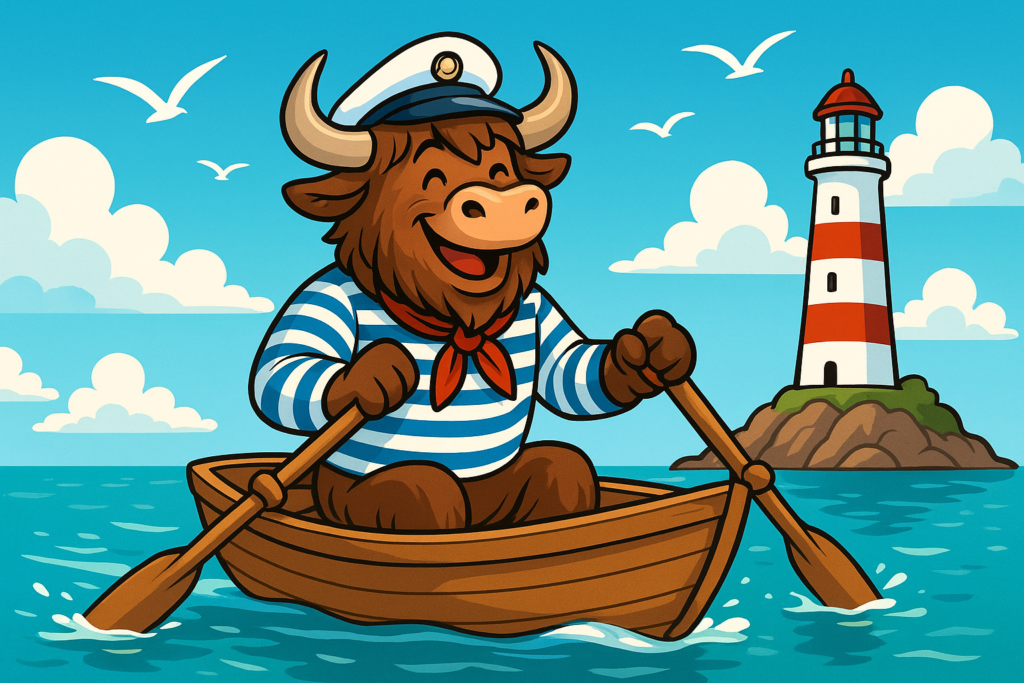
At last, they the lighthouse. It stood tall and white against the blue sky. James tied the boat to the iron ring. They climbed the stairs inside.
From the top, they looked out at the endless sea. The wind was gentle now. James smiled. 'We made it,' he said. 'I always knew I must come here.' Cam nodded. 'And you did.'
James first wanted to visit the lighthouse when he was a small boy. His family spent every summer in a seaside house. Through the window, he could see the white tower on a distant rock.
One evening, his mother said, "If the weather is good tomorrow, we'll go to the lighthouse." James leapt up and shouted, "I have to see it!"
But his father disagreed. "It won't be good. The wind is getting stronger. A storm is coming." James looked outside. The waves were already getting bigger.
The storm came that night. Wind screamed around the house. Rain hit the windows hard. James listened from his bed and whispered, "One day, I have to go."
The next morning, the sea was very rough. Dark clouds hid the sun. Waves smashed against the shore, throwing spray up high. No boat could leave. James pressed his face to the window without a word.
"We have to wait for a nicer day," his mother said gently. But the summer finished, and they never made the trip. The family left the house, and years went by.
After ten years, they came back. James was sixteen. One morning, he awoke to a peaceful sea. The sun shone, and the water was smooth as glass. "Today is the day," he said. "I must go to the lighthouse."
He found his sister, Cam. "Will you come? I need to get to the lighthouse. I've waited too long."
Cam said yes. They got the old boat out of the shed and brought it to the water. James grabbed the oars. "We must row with care," he said.
The boat crept across the bay. James's arms hurt, but he didn't stop rowing. Seagulls flew round above them. With each pull, the lighthouse got bigger.
The sea was calm, but the trip still took a long while. Cam let her fingers drag in the water. "Do you remember when we were small?" she asked. "The storm that prevented us?"
"I remember," James said. "I made a promise to myself that I would come. I had to."
Finally, they got to the lighthouse. It rose tall and white against the blue sky. James secured the boat to an iron ring. They climbed up the steep stairs inside.
From the top, they gazed at the endless sea. The wind had become light. James smiled. "We did it," he said. "I always knew I had to come." Cam nodded. "And you did."
Let's pick out some useful words from the story. These will help you describe journeys, weather, and the feeling of finally reaching a goal.
You saw how James used words like 'lighthouse', 'storm', and 'oars' to build his adventure. Understanding these will make your own stories richer.
- **lighthouse** - a tall tower with a bright light to guide ships at sea
- **oars** - long poles that you pull to move a small boat through water
- **storm** - very bad weather with strong wind, heavy rain, and big waves
- **calm** - quiet and peaceful, often with no wind or waves
- **overcome** - to succeed in dealing with a problem or difficulty (like the storm that stopped young James)
When you tell a story in English, mixing past tenses keeps the timeline clear. The simple past pushes the action forward, the past continuous paints the background scene, and the past perfect reveals what happened even earlier.
Look at the story: '*The wind was rising*' sets the mood as the storm approached. '*James pressed his face to the window*' moves the action along. And '*I had waited too long*' explains his strong feeling from years of waiting.
- Use **simple past** for the main events (*he rowed, the boat moved*)
- Use **past continuous** for background actions and atmosphere (*the wind was howling, waves were growing*)
- Use **past perfect** for an action completed before another past moment (*he had always wanted to go*)
Great storytellers don't just say what happened-they make you feel like you're there. They use sensory details (sight, sound, touch) and comparisons to paint a picture.
From James's experience: '*the water was like glass*' gives a clear image of calmness. '*Waves crashed on the shore, sending spray high into the air*' lets you hear and see the storm.
- Add **adjectives**: *grey clouds, steep stairs, gentle wind*
- Use **adverbs**: *carefully rowed, softly said, slowly moved*
- Try **similes**: *like glass, like a pearl*
- Describe **sensory details**: *rain beat against the windows, seabirds circled overhead*
James's trip to the lighthouse is really about not giving up. Now it's your turn. Think of a goal you worked hard to reach-or imagine one.
Write a short paragraph about your own 'lighthouse moment' using past tenses and descriptive language. Start with something like '*I had always wanted to…*' or '*One summer…*'.
- What was your 'lighthouse'? (a place, a skill, a dream?)
- What obstacles stood in your way? (like the storm?)
- How did it feel to finally get there? (relief? joy? quiet pride?)
To the Lighthouse comes from the English / Virginia Woolf tradition and is best known as a modernist novel. This Yak Yacker article is an original learner retelling based on Virginia Woolf, 1927; public domain in U.S., so the wording here is simplified for modern learners rather than copied from one old edition.
Older printings, translations, and retellings of this story can vary quite a bit. The original audience was usually adult, but this version is adapted for B1 Intermediate learners studying English. More literary than plot-driven; B1 retell is hard.
If you want to look into the source tradition, start with Project Gutenberg.
If you want to keep going, browse more in our English section and review the B1 English Vocabulary List. After that, try English Adjectives and Adverbs for another useful next step.