This B1 Intermediate retelling of A Farewell to Arms keeps the plot clear for learners while still giving the story some atmosphere and momentum. I was an American, but I worked as an ambulance driver for the Italian army during the First World War. One day, I visited a British hospital near the front.
This version is written for English-speaking learners and includes clickable word help inside the story, full story audio, and lesson notes after the reading. It is free to use on Yak Yacker and is designed to feel natural, readable, and manageable in English.
My name is Frederic Henry. I was an American, but I worked as an for the Italian army during the .
One day, I a British hospital near the . A beautiful nurse came to talk to me. "Hello, I'm Catherine," she said with a . "And you are?" "Frederic," I answered. "It's a pleasure to meet you, Frederic," she said and laughed. I liked her immediately.
We spent many hours together. Catherine was and . She made the dark days of war feel .
Soon, I was in battle. I was sent to a hospital in Milan to . I was when Catherine was transferred there to work.
She took care of me every day. We fell deeply in love. One quiet evening, I took her hand and said, "I love you, Catherine." Her eyes filled with . "I love you too, Frederic. you will always come back to me. I can't lose you."
"I promise," I said, but the war to the front. The fighting was . I missed Catherine terribly, and my heart wasn't in the war anymore.
One night, I made a . I left the army and went to find Catherine. "I'm not going back," I told her. "We must to Switzerland. It's safe there."
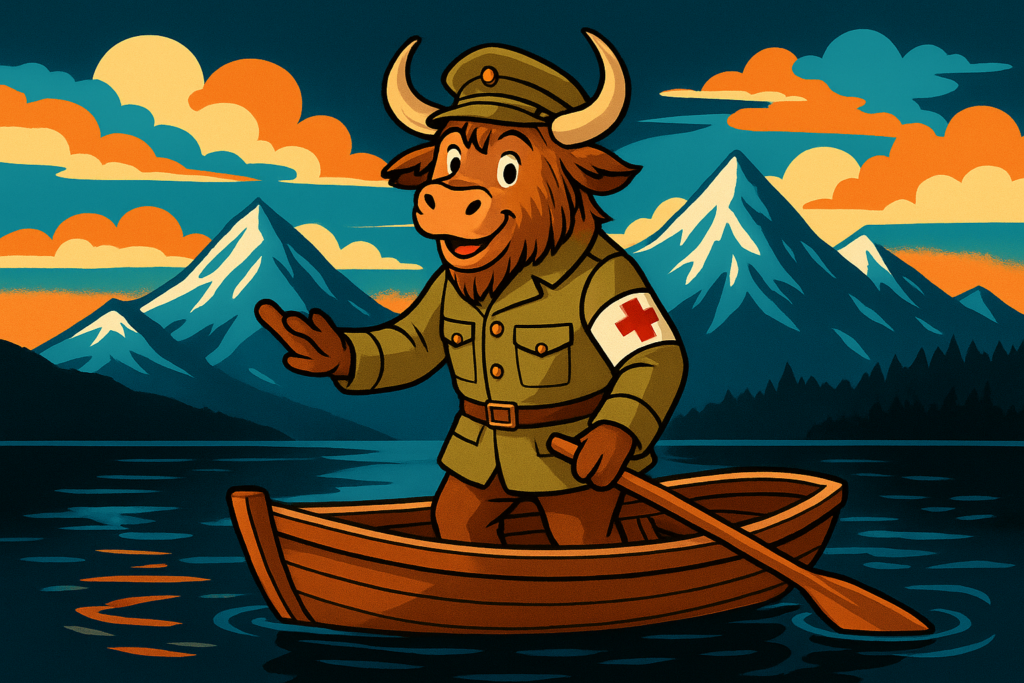
We across a lake in a small boat. The water was , but we held each other. When we reached the other side, we were free.
In Switzerland, we found a house in the mountains. Snow covered the , and we were finally happy. Catherine was pregnant, and we dreamed of our future family.
"I can't wait to meet our baby," Catherine said, her belly . "He will have your smile," I said, and she laughed that same laugh I loved.
The time came for the baby, but there were . The baby did not survive. Catherine became very .
She looked at me and whispered, "Don't be sad, my love. I've had a with you." Then she closed her eyes.
I walked out into the . The world felt empty, but I thought of her laugh and her love. I knew I would forever.
I'm Frederic Henry, an American who drove an ambulance for the Italian army in World War I.
I went to a British hospital near the front. A pretty nurse introduced herself as Catherine. I liked her laugh right away.
We spent lots of time together. Catherine was kind and fun, making the war days less dark.
I got wounded and was sent to a Milan hospital. I was so happy when Catherine came to work there too.
She cared for me daily. We fell in love. One evening, I told her I loved her. She cried and said she loved me too, asking me to promise to come back.
I promised, but I had to return to the front. The fighting was awful. I missed Catherine and no longer cared about the war.
One night I quit the army to find Catherine. I told her I wouldn't go back and we should flee to Switzerland for safety.
We crossed a lake in a small boat. The water was cold and dark, but we held each other. Reaching the other side meant we were free.
In Switzerland, we lived in a cozy mountain house. With snow outside, we were happy. Catherine was pregnant, and we dreamed of our future.
Catherine, with a round belly, said she couldn't wait to meet the baby. I said he'd have my smile, and she laughed her lovely laugh.
When the baby was due, things went wrong. The baby died, and Catherine got very weak.
She whispered to me not to be sad, that she had a beautiful life with me, and then she died.
I went into the rain. The world seemed empty, but thinking of her laugh and love, I knew I'd hold her in my heart always.
The story uses some powerful words to describe war, love, and loss. Let's look at a few that can help you express deep feelings in English.
These words appear in the story. Learning them will make your storytelling richer.
- front - the area where fighting happens in a war
- wounded - injured, especially by a weapon
- overjoyed - extremely happy
- transferred - moved to a different place or job
- rowed - moved a boat using oars
- cozy - warm and comfortable
- pregnant - expecting a baby
- survived - continued to live after a dangerous event
- whispered - spoke very quietly
Phrasal verbs make action and emotion sound natural. The narrator uses several when describing his relationship with Catherine. Let's break down a few useful ones.
- fall in love - to begin to love someone romantically. 'They fell deeply in love in the hospital.'
- take care of - to look after someone or something. 'She took care of me every day.'
- pull back - to force someone to return. 'The war pulled me back to the front.'
- come back - to return. 'Promise you will always come back to me.'
At the end, Catherine whispers, 'I've had a beautiful life with you.' She uses the present perfect (have/has + past participle) because she is looking back at her life from now-it is a completed experience with present emotion.
We use the present perfect to talk about experiences, changes, or situations that connect the past and the present. Compare: 'I was happy' (simple past, finished) vs. 'I have been happy' (up to now, it's still true).
- I've had a wonderful time. (= my experience up to now is wonderful)
- She has never forgotten his smile. (= the memory is still with her)
- We have lived here for two years. (= and we still live here)
Stories like this one stay with us because they are personal and heartfelt. Now it's your turn. Think of a special moment or person in your life. Use the vocabulary and grammar from this lesson to write or tell a short story.
You don't need to share it with anyone-just let the words help you hold on to the memory. And if you do want to share, we're always here to listen.
A Farewell to Arms comes from the American / Ernest Hemingway tradition and is best known as a war/romance novel. This Yak Yacker article is an original learner retelling based on Ernest Hemingway, 1929; public domain in U.S., so the wording here is simplified for modern learners rather than copied from one old edition.
Older printings, translations, and retellings of this story can vary quite a bit. The original audience was usually adult, but this version is adapted for B1 Intermediate learners studying English. Adult war/romance tragedy.
If you want to look into the source tradition, start with Project Gutenberg.
If you want to keep going, browse more in our English section and review the B1 English Vocabulary List. After that, try 1,200 English Phrases and Expressions for another useful next step.