Welcome to this B1 intermediate retelling of Oscar Wilde's famous story, The Picture of Dorian Gray. It's a tale about a young man named Dorian who wishes for something impossible: that a portrait of him would grow old instead of his own body. His wish comes true, leading him down a path of secret sins and hidden horrors, while the painting shows the true state of his soul.
In this free graded reader, you can enjoy the complete story at a level that's just right for intermediate English learners. Every chapter includes clickable word help for difficult vocabulary, so you never get stuck. Plus, you can listen to the story audio as you read, which is a great way to improve your pronunciation and listening skills.
After the story, check out our lesson notes for useful language points and discussion questions. It's everything you need for a fun and effective reading experience. Start reading below!
One summer day in London, the artist Basil Hallward was finishing a . It showed a young man with and . His name was Dorian Gray.
'This is my ,' Basil told his friend Lord Henry. 'But I cannot show it. I put too much of myself into it.' At that moment, Dorian walked in. He was so that Lord Henry thought, 'I must know this boy.'
Lord Henry talked to Dorian while Basil painted. 'Enjoy your , dear boy. One day you'll be old and ugly, and you'll wish for this time back.' Dorian looked at his portrait and felt sad. 'Will I grow old while the painting stays young forever?'
'Yes,' said Lord Henry. 'But life is full of . Don't waste your youth.' Dorian whispered, 'I would give my soul if the picture could grow old instead of me. I wish it could take all my .'
Months later, Dorian fell in love with a young actress, Sybil Vane. 'She is the most woman!' he told Lord Henry. But one night, she acted terribly. She was too in love with real life to on stage. Dorian was ashamed.
After the show, he told her coldly, 'You have killed my love. You are nothing without your art.' He left her crying. That night, she died by her own .
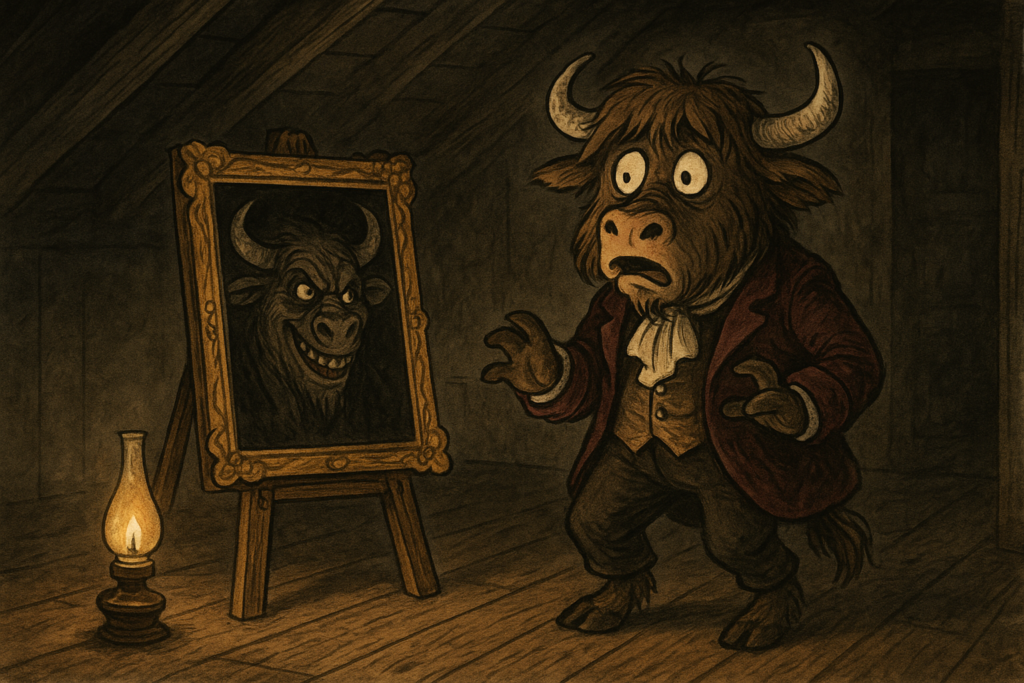
The next morning, Dorian looked at the portrait. The painted smile had turned . He understood: the picture was showing his true soul. It would grow uglier with every , while he stayed young.
Dorian hid the painting in a . He lived for , doing whatever he wanted. Years passed, but his face stayed young and beautiful. However, the portrait became , covered with the lines of his bad deeds.
People whispered that something followed him. One night, Basil came to say goodbye. 'Let me see your soul,' he said. Dorian laughed and took him to the locked room.
Basil saw the painting and screamed. 'This horrible face is your true face!' and angry, Dorian took a knife and killed his old friend.
Now filled Dorian. He tried to do good, but the portrait only grew worse. He hated it more than anything. Finally, he decided to it.
He took the same knife and stabbed the painting in its . A terrible cry sounded, and a crash. When servants came, they found a dead, ugly old man with a knife in his chest. Only his rings showed it was Dorian Gray.
On the wall, the portrait was beautiful again: a young man with golden hair and bright blue eyes. Dorian's and cruel choices destroyed him, while the portrait told the true story of his soul.
One summer day in London, artist Basil Hallward finished a painting of a young man with golden hair and blue eyes. His name was Dorian Gray.
Basil said to Lord Henry, "This is my best painting, but I can't show it because I put too much of myself in it." Then Dorian entered. He was so handsome that Lord Henry wanted to know him.
While Basil painted, Lord Henry told Dorian, "Enjoy being young. Someday you'll be old and ugly and you'll miss this time." Dorian looked at his portrait sadly and said, "Will I get old while the painting stays young?"
Lord Henry said, "Yes, but life has many pleasures. Don't waste your youth." Dorian whispered, "I'd give my soul if the picture grew old instead of me. I wish it could take my sins."
Months later, Dorian loved young actress Sybil Vane. He told Lord Henry she was wonderful. But one night, she acted badly because she was too in love with real life to pretend. Dorian felt ashamed.
After the show, he coldly told her, "You killed my love. You're nothing without your acting." He left her crying. That night, she killed herself.
Next morning, Dorian saw the portrait's smile had become cruel. He understood the picture showed his real soul. It would get uglier with each sin, while he stayed young.
Dorian hid the painting in a locked room. He lived only for pleasure. Years passed, but his face stayed young and beautiful. But the portrait became hideous, showing his bad deeds.
People said something evil followed Dorian. One night, Basil came to say goodbye. "Let me see your soul," he said. Dorian laughed and took him to the locked room.
Basil saw the painting and screamed, "This horrible face is your true face!" Scared and angry, Dorian took a knife and killed his old friend.
Guilt filled Dorian. He tried to be good, but the portrait grew worse. He hated it above all. Finally, he decided to destroy it.
He took the same knife and stabbed the painting's heart. A terrible cry and crash sounded. Servants found a dead, ugly old man with a knife in his chest. Only his rings identified Dorian Gray.
The portrait on the wall was beautiful again: a young man with golden hair and blue eyes. Dorian's vanity and cruel choices destroyed him, while the portrait showed his soul's true story.
This story asks a simple but unsettling question: what would you trade for eternal youth? Dorian Gray wants to stay beautiful forever, but the price is far higher than he understands. The portrait becomes a mirror for his choices, showing that outer beauty can hide a damaged inner life.
In English, words like vanity, pleasure, and soul carry a lot of weight here. Vanity means caring too much about how you look. Pleasure means enjoyment, but in this story it often means short-term fun with long-term damage. A soul is the deepest part of a person, not something you can see, but something the portrait seems to reveal.
- vanity = too much pride in appearance
- pleasure = enjoyment, often immediate
- soul = a person's inner self or moral life
- price = what you must give up to get something
The story uses wish and would to show a strong, unreal desire: "I would give my soul if the picture could grow old instead of me." This is a dramatic conditional idea. It means Dorian is imagining something impossible, but he is serious about it.
You can use this pattern in everyday English for regrets or extreme wishes: "I'd give anything for a quiet weekend," or "I'd love to start over." In stories, this kind of language helps show a character's temptation. It makes the choice feel bigger than ordinary life.
- I would give... if... = a strong, unreal wish
- would + verb often shows imagined situations
- I'd give anything = very strong desire
- This style sounds dramatic, so use it carefully in real life
One clever part of the story is the contrast between Dorian's face and the portrait. Dorian stays young, but the painting grows ugly. That contrast tells us the truth: his outside life and inside life are moving in opposite directions. English often uses this kind of contrast to create tension.
Notice the verbs that show the passage of time and moral decline: fell in love, hid, lived for pleasure, grew worse, stabbed. These are active, forceful verbs. They keep the story moving and make Dorian's choices feel immediate. When you retell a story like this, strong verbs help more than extra adjectives do.
- contrast = showing two very different things side by side
- fell in love = started to love someone
- lived for pleasure = focused on enjoyment above all else
- strong verbs make a story feel vivid and clear
Dorian Gray is a warning story, but it is also a human story. Most people do not make magical bargains, of course, but many people still chase youth, approval, or image at any cost. The story invites you to ask: what matters more, looking good or being good?
As you read more stories, keep noticing how characters speak when they are tempted, ashamed, or afraid. That is where the real English lives. If you want, try retelling Dorian's choice in your own words using one wish sentence and one contrast sentence.
- Ask: what is the character willing to sacrifice?
- Notice how dialogue reveals character
- Try retelling with: "I would..." and "while..."
- Look for the moral question behind the plot
The Picture of Dorian Gray comes from an older public-domain story tradition and is best known as a public_domain_story_retelling. This Yak Yacker article is an original learner retelling based on public-domain source material, so the wording here is simplified for modern learners rather than copied from one old edition.
Older printings, translations, and retellings of this story can vary quite a bit. This version is adapted for B1 Intermediate learners studying English.
If you want to keep going, browse more in our English section and review the B1 English Vocabulary List. After that, try 1,200 English Phrases and Expressions for another useful next step.