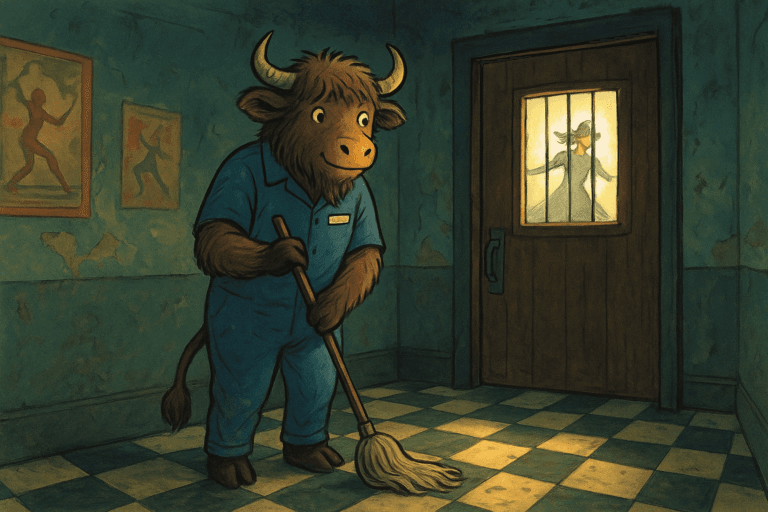
Welcome to a free A2 English story with audio! Today's story is "The Nightingale" – a beautiful fairy tale about a little brown bird with a magical song. You will read about an emperor in China, a real nightingale that sings for him, and a golden mechanical bird that almost takes its place. This story has easy words, but it teaches big ideas about life, friendship, and what is real.
As you read, you can click on any word to see its meaning – perfect for A2 learners. You can also listen to the story audio to hear the natural English pronunciation. After the story, you will find lesson notes with extra vocabulary and three fun activities to check your understanding. This interactive book is 100% free, so just relax and enjoy the story!
The Nightingale is a famous tale by Hans Christian Andersen, and now you can read it in simple English. Let's meet the emperor and the little bird that changes everything…
In a deep, green forest lived a small brown nightingale. Every evening, she sang a sweet song. People stopped to listen. 'Her song is so beautiful!' they said with a smile. The music made everyone feel happy.
The emperor heard about the bird. 'Bring this nightingale to me!' he said. His servants went to the forest and found her. 'Dear nightingale, please come to the palace. The emperor wants to hear your song,' they said. The nightingale nodded and flew with them.
At the palace, the nightingale opened her beak and sang. Her voice was clear and beautiful. The emperor listened and tears fell from his eyes. 'Your song is more beautiful than gold,' he said softly. The nightingale stayed in a golden cage, but she looked out at the sky.
One day, a big box arrived. Inside was a made of . It and sang the same song as the real nightingale. Everyone clapped. 'How clever!' they said. No one noticed the real nightingale the open window and back to her forest.
The emperor played with the mechanical bird every day. But after a few weeks, the stopped and the music died. 'It's so quiet now,' the emperor said sadly. He the nightingale's sweet, warm song. Feeling lonely, he grew weak and sick.
Late one night, a gentle sound came from the window. It was the real nightingale. 'I heard you are sad. Let me sing for you,' she said. She sang a song full of flowers, sunshine, and hope. The emperor felt his strength return and smiled for the first time in days.
'Please stay with me forever,' the emperor begged. The nightingale answered kindly, 'I will come when you need me. But I must be free to fly and sing in the forest.' She visited him often, and the emperor learned that real beauty is free and never breaks.
A small brown nightingale lived in a deep green forest. Each evening, she sang a lovely song. People would stop to listen. They smiled and said, "Her song is so beautiful!" The music made everyone happy.
The emperor heard about the bird. He said, "Bring this nightingale to me!" His servants went to the forest and found her. They said, "Dear nightingale, please come to the palace. The emperor wants to hear your song." The nightingale agreed and flew with them.
At the palace, the nightingale sang. Her voice was clear and beautiful. The emperor listened and cried. He said softly, "Your song is more beautiful than gold." The nightingale was kept in a golden cage, but she looked out at the sky.
One day, a big box came. Inside was a mechanical bird made of gold and jewels. When wound up, it sang the same song as the real nightingale. Everyone clapped and said, "How clever!" No one saw the real nightingale fly out the open window and back to the forest.
The emperor played with the mechanical bird every day. But after some weeks, it broke and the music stopped. "It's so quiet now," the emperor said sadly. He missed the nightingale's sweet, warm song. He felt lonely and became weak and sick.
Late one night, a soft sound came from the window. It was the real nightingale. She said, "I heard you are sad. Let me sing for you." She sang a song about flowers, sunshine, and hope. The emperor felt stronger and smiled for the first time in days.
"Please stay with me forever," the emperor begged. The nightingale kindly said, "I will come when you need me. But I must be free to fly and sing in the forest." She visited him often, and the emperor learned that true beauty is free and never breaks.
This fairy tale is full of words about nature and emotions. Understanding them will help you describe the world around you and how you feel.
- forest - a large area with many trees
- nightingale - a small bird that sings beautifully
- lonely - sad because you are alone
- hope - a feeling that good things will happen
The story uses many past tense verbs to tell us what happened. Regular verbs add -ed, but some verbs are irregular and change completely. Look at these examples from the story.
- lived, stopped, listened, nodded (regular verbs: add -ed or -d)
- sang (sing), flew (fly), heard (hear), fell (fall) (irregular verbs)
- Practice: The emperor ___ (play) with the mechanical bird every day. (played)
The nightingale's song is described with lovely adjectives. You can use these words to talk about music, voices, or any pleasant sound.
- sweet - pleasant and gentle (a sweet song)
- clear - easy to hear, pure (a clear voice)
- beautiful - very attractive (a beautiful melody)
- warm - friendly and comforting (a warm sound)
You now have new words and grammar to retell 'The Nightingale' in your own words. Try to describe the story to a friend, or write a short paragraph about your favourite part. The more you use these words, the more natural they will feel.
- Challenge: use at least three new words from this lesson when you retell the story.
The Nightingale comes from the Danish / Andersen tradition and is best known as a literary fairy tale. This Yak Yacker article is an original learner retelling based on Andersen, 1843; public domain, so the wording here is simplified for modern learners rather than copied from one old edition.
Older printings, translations, and retellings of this story can vary quite a bit. The original audience was usually kids/general, but this version is adapted for A2 Elementary learners studying English. Good for palace/nature/art vocabulary.
If you want to look into the source tradition, start with Project Gutenberg.
If you want to keep going, browse more in our English section and review the A2 English Vocabulary List. After that, try English Adjectives and Adverbs for another useful next step.