Have you ever wondered why we have cold winters and warm summers? The ancient Greeks told a beautiful story about a young goddess named Persephone. She loved flowers and sunshine, but one day, the king of the underworld took her to his dark home below the earth.
In this simple English story for A2 learners, you will follow Persephone's adventure. You will read about her mother Demeter, the mysterious pomegranate seeds, and how the seasons began. Every word is carefully chosen for elementary learners.
Click on any word for instant help. Listen to the full story audio to practice pronunciation. At the end, you will find a short lesson with notes to help you learn new vocabulary and grammar. Start reading for free now!
Long ago, lived with her mother . Demeter was the goddess of the . They loved the , the flowers, and the green fields.
One day, , the god of the , saw Persephone. He and . 'Help me!' Persephone cried. But nobody heard.
Demeter her daughter everywhere. 'Persephone! Where are you?' she called. She the plants. The flowers died, the trees lost their leaves, and the land became . It was winter.
Zeus, the king of the gods, said, 'We must Demeter.' He Hermes to bring Persephone back. Hermes to the dark underworld.
Hades said, 'She ate six pomegranate seeds. Now she must with me.' But Zeus made a . 'For six seeds, she will stay six months with you. The other six months, she will be with her mother.'
Persephone . 'I will you, Mother,' she said. Demeter smiled. 'And I will you to come home.'
When Persephone to her mother, Demeter is happy. The sun shines, flowers , and birds sing. It is spring and summer.
But when Persephone to Hades, Demeter is sad again. The leaves , the days get short, and the world becomes . It is autumn and winter.
Now every year, we have the . It is all because Persephone and her mother .
A long time ago, Persephone lived with her mom Demeter. Demeter was the harvest goddess. They liked the sun, flowers, and green fields.
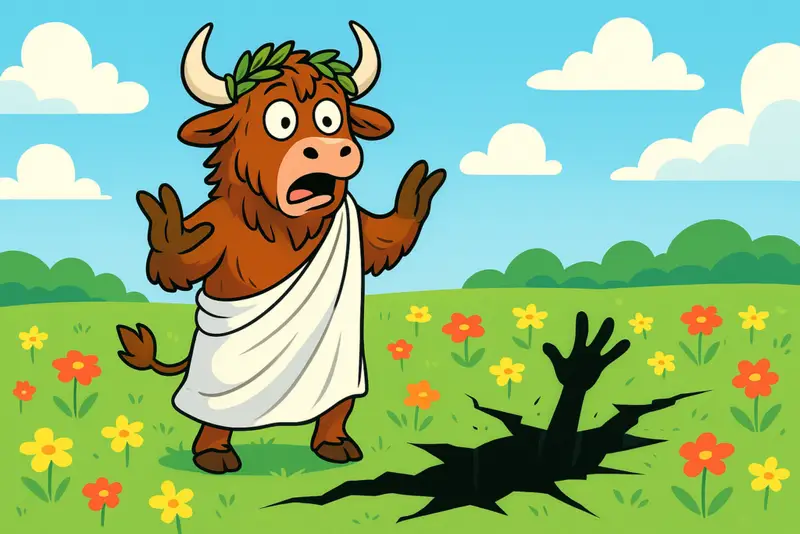
One day, Hades, the underworld god, saw Persephone. He opened the ground and took her down. "Help me!" she yelled. But no one heard.
Demeter searched everywhere for her daughter. "Persephone! Where are you?" she cried. She stopped caring for plants. Flowers died, trees lost leaves, and the land got cold. It turned to winter.
Zeus, the king of gods, said, "We have to help Demeter." He sent Hermes to bring Persephone back. Hermes flew down to the dark underworld.
Hades said, "She ate six pomegranate seeds. So she must stay here." But Zeus said, "Because of six seeds, she stays six months with you, and six months with her mother."
Persephone agreed. "I'll miss you, Mom," she said. Demeter smiled. "And I'll wait for you to come home."
When Persephone comes back to her mom, Demeter is happy. The sun shines, flowers grow, birds sing. It's spring and summer.
But when Persephone returns to Hades, Demeter is sad again. Leaves fall, days get shorter, and the world gets cold. It's autumn and winter.
Now each year, we have seasons. This is because Persephone and her mother love each other.
Let's look at some useful words from Persephone's story. These words will help you talk about myths, nature, and feelings.
- Harvest: the time when farmers collect their crops. "Demeter was the goddess of the harvest."
- Underworld: the place under the earth where Hades lived. "Hades took Persephone to the underworld."
- Seeds: small parts of a plant that can grow into a new plant. "Persephone ate six pomegranate seeds."
- Bloom: when a flower opens. "In spring, flowers bloom everywhere."
The story uses the past simple tense to tell us what happened long ago. Look at these verbs: lived, called, flew, made.
- Regular verbs: add -ed to the base form. Example: look → looked, agree → agreed.
- Irregular verbs: they change their form. Example: take → took, fly → flew, make → made.
- Negative form: use did not (didn't) + base verb. "She didn't hear anyone."
- Questions: Did + subject + base verb? "Did Persephone eat the seeds?"
The story explains the seasons in a magical way. Now you can talk about the weather in English!
- Spring: flowers bloom, the weather gets warm. "It is spring when Persephone returns."
- Summer: the sun shines, days are long. "Demeter is happy, so it's summer."
- Autumn/Fall: leaves fall, days get shorter. "Persephone goes back, and it becomes autumn."
- Winter: it is cold, sometimes it snows. "The land becomes cold - winter."
You read a beautiful myth and learned English. Well done! There are many more stories to enjoy.
- Try to retell the story to a friend using the past tense.
- Look for other Greek myths, like Theseus or Icarus.
- Write three sentences about your favorite season, using new words.
Persephone and the Seasons comes from the Greek / mythology tradition and is best known as a greek myth. This Yak Yacker article is an original learner retelling based on Ancient Greek myth; public domain, so the wording here is simplified for modern learners rather than copied from one old edition.
Older printings, translations, and retellings of this story can vary quite a bit. The original audience was usually kids/general, but this version is adapted for A2 Elementary learners studying English. Good seasons/family vocabulary.
If you want to look into the source tradition, start with Project Gutenberg.
If you want to keep going, browse more in our English section and review the A2 English Vocabulary List. After that, try English Root Words and Prefixes for another useful next step.