Welcome to Yak Yacker! Today, we bring you a fun retelling of a classic fairy tale with a secret-agent twist. In this B1 intermediate English story, you'll meet a clever secret agent who must complete a dangerous mission. But things are not always as they seem, and our hero needs your help to understand tricky words. As you read, you can click on any bold word to see its meaning instantly – no stress, just the help you need when you need it.
And there's more! You can listen to the story audio while you read, which helps you improve your pronunciation and listening skills. After the story, check out the lesson notes for useful English tips and practice ideas. The best part? It's all free and made for learners just like you. So, are you ready to join the secret agent on this adventure? Let's begin!
Alex was not an person. He was a , but no one knew. He worked for a small, hidden called 'The Shadows'.
One rainy Tuesday morning, a letter his door. The envelope was , and it had no stamp.
The note inside said: "Agent 7, we need you. The Silver Key is . Come to the old library ."
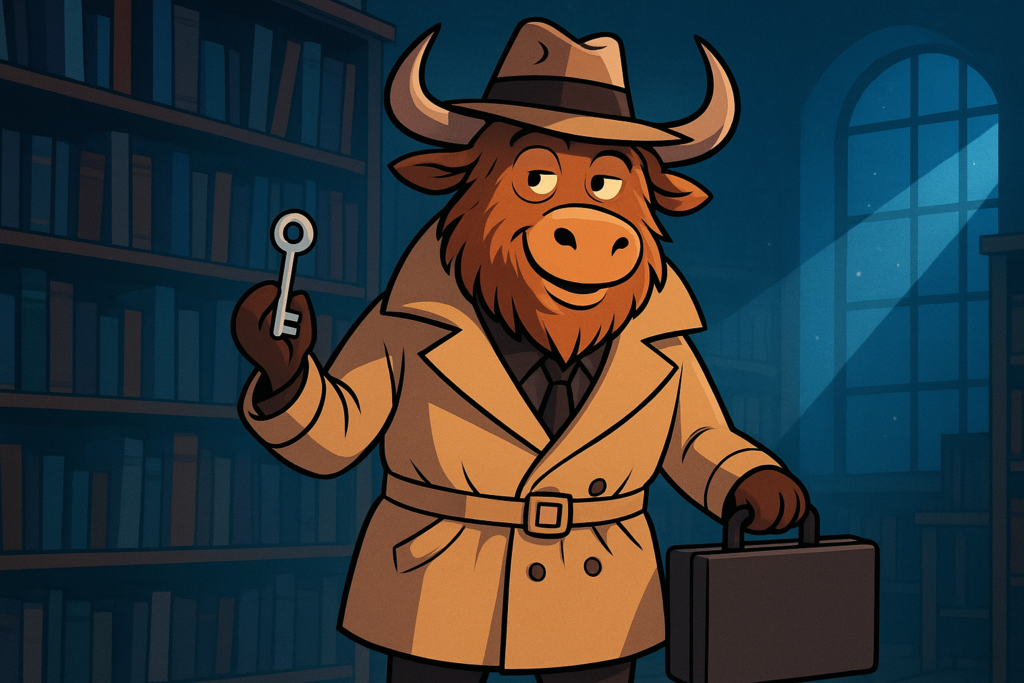
Alex smiled. He loved . He his hat and coat, and his apartment.
The old library smelled of old books. A tall woman in a long coat behind a dusty shelf. She was the of The Shadows.
"Agent 7, I am Ms. Raven," she said . "The Silver Key a secret room under the city. Someone it last night."
"Who had the key last?" asked Alex. "Professor Plum, the inventor," Ms. Raven replied. "He is very . You must it before midnight."
Alex drove to Professor Plum's house. It was a strange, round building full of machines. The professor looked .
"They took it from my desk while I was having tea!" cried the professor. "I saw a , but I can't the face."
Alex looked around the room. On the floor, he a small, shiny button. It had a letter 'C' on it.
"Something begins with C," Alex thought. "Could it be the ? The ?" He decided to the circus first.
At the circus, Alex bought a ticket. He watched the clowns and . But one clown with a big, red nose seemed .
Alex walked up to him. "Nice show," Alex said. "I love your button." He pointed at the clown's coat. A button was .
The clown's eyes grew . "I… I found that button," he . Then he turned and ran.
Alex ran after him through the circus tent. They passed elephants and dancers. Finally, the clown a ball.
Alex stood over him. "Give me the key, or I'll make you laugh forever," Alex said with a smile. The clown and pulled out the Silver Key. Alex took it back to Ms. Raven. "Well done, Agent 7," she said. That night, Alex had a very peaceful cup of tea.
Alex was no ordinary man. He was a secret spy, but nobody knew. He worked for a small secret group named 'The Shadows'.
One rainy Tuesday morning, a letter came under his door. The envelope was black and had no stamp.
The note inside read: "Agent 7, we need you. The Silver Key is lost. Come to the old library right away."
Alex smiled. He liked puzzles. He put on his hat and coat and left home.
The old library had a smell of old books. A tall woman in a long coat stood behind a dusty shelf. She was the leader of The Shadows.
"Agent 7, I'm Ms. Raven," she said softly. "The Silver Key unlocks a secret room below the city. Someone took it last night."
"Who last had the key?" Alex asked. "Professor Plum, the inventor," Ms. Raven said. "He is very sad. You must find it before midnight."
Alex drove to Professor Plum's home. It was an odd, round house with many buzzing machines. The professor seemed tired.
"They took it from my desk while I drank tea!" the professor cried. "I saw a shadow, but I can't recall the face."
Alex looked around. On the floor he saw a small, bright button with a 'C' on it.
"Something starts with C," Alex thought. "Could it be the Circus? The Candy Shop?" He chose to go to the circus first.
At the circus, Alex got a ticket. He watched the clowns and acrobats. But one clown with a big red nose looked worried.
Alex went to him. "Good show," Alex said. "I like your button." He pointed to the clown's coat. One button was gone.
The clown's eyes opened wide. "I... I found that button," he said with a shaky voice. Then he turned and ran away.
Alex chased him through the big tent. They ran past elephants and dancers. At last, the clown fell over a ball.
Alex stood above him. "Give me the key, or I'll make you laugh forever," Alex said, smiling. The clown sighed and took out the Silver Key. Alex brought it back to Ms. Raven. "Good job, Agent 7," she said. That night, Alex had a very calm cup of tea.
This story is packed with useful words for mystery and adventure. A secret agent is someone who works quietly and keeps important information hidden. An agency is an organization that does a special job, and a clue is a small piece of information that helps solve a problem.
You also met words that create atmosphere: dusty, nervous, and mysterious. These words do more than describe things; they help the reader feel the scene. In stories, that feeling is often half the fun.
- secret agent = a hidden worker in a spy story
- clue = a helpful sign or piece of evidence
- stole = took something without permission
- nervous = worried or uneasy
The story keeps moving by giving Alex one problem at a time. First there is the missing key, then the professor, then the clue, and finally the clown. This step-by-step structure is very common in English stories because it makes the reader want to keep going.
Notice how the writer uses short scenes and quick actions: he smiled, he looked around, he decided, he ran after him. These verbs keep the pace lively. If you want your own stories to feel active, use clear action verbs and avoid too many long explanations in a row.
- One clue leads to the next clue
- Short actions make the story feel fast
- Questions in the story create curiosity
- A strong ending gives the reader a satisfying finish
Most of the story is told in the past tense, which is the natural choice for finished events. You see forms like was, worked, found, and ran. This helps the reader understand that the adventure already happened.
The story also uses direct speech, like "We need you" and "I am Ms. Raven." Direct speech makes characters sound immediate and real. In your own writing, you can mix narration and dialogue to keep the story lively and easy to follow.
- Use past tense for completed story events
- Use direct speech for exact words from characters
- Mix action and dialogue for a better rhythm
- Keep verb forms consistent so the timeline stays clear
Tiny details can do a lot of work. The black envelope, the missing stamp, the shiny button, and the red nose all help the reader picture the scene and solve the mystery. Good story details are not random decorations; they are useful clues.
That is a great habit for learners too. When you read English stories, notice which details are there just for mood and which ones matter to the plot. That kind of noticing quietly builds vocabulary, comprehension, and style at the same time.
- Details can create mood and also move the plot
- Objects like buttons and envelopes can become clues
- Reading for details helps you remember new words
- Stories are a natural way to learn without pressure
The Secret Agent comes from the Polish-British / Joseph Conrad tradition and is best known as a spy/political novel. This Yak Yacker article is an original learner retelling based on Joseph Conrad, 1907; public domain, so the wording here is simplified for modern learners rather than copied from one old edition.
Older printings, translations, and retellings of this story can vary quite a bit. The original audience was usually adult, but this version is adapted for B1 Intermediate learners studying English. Adult political violence themes.
If you want to look into the source tradition, start with Project Gutenberg.
If you want to keep going, browse more in our English section and review the B1 English Vocabulary List. After that, try 1,200 English Phrases and Expressions for another useful next step.