
New here? This is lesson 172 of a free 238-lesson Spanish course.
Free Spanish CourseLesson 172 of 238
The best trip in Spanish
Megan is back at Café Laurel, and the weekend was nothing special. What she wants to talk about is a trip she took last year.
In this lesson you'll say where you went, how long you stayed, what you enjoyed, and that you'd go back. That's a whole trip story in six lines.
Yako listens closely. Yaks don't travel much.
By the end of this lesson
Say where you went, what was best, and that you'd go back.
- Fui a ___ el año pasadoI went to ___ last year
- ¿Has ido alguna vez a ___?Have you ever been to ___?
- Lo mejor fue ___The best part was ___
- Disfruté mucho ___I really enjoyed ___
- Nos quedamos en ___ por ___ díasWe stayed in ___ for ___ days
- Definitivamente volveríaI'd go back
Scene — photos on a phone
Monday at Café Laurel. Megan has her phone out with photos from a trip, and Yako is leaning in from the next table.
The weekend was quiet, so the talk turns to the one trip Megan still thinks about: Oaxaca, last year.

Learn — where, how long, and why
Six lines tell a whole trip: where you went, how long you stayed, what you loved, and whether you'd return.
As you practice, fill the blanks with real places and real things.

Fui a ___ el año pasado
I went to ___ last year
When to use it: Say this to tell someone where you went last year.
Fui is the preterite of ir; it means I went.
Say it: Fui sounds like fwee, one syllable.

¿Has ido alguna vez a ___?
Have you ever been to ___?
When to use it: Ask this to find out if someone has ever visited a place.
Has ido is the present perfect: you have gone.
Say it: Idio rhymes with Leo; say EE-doh.

Lo mejor fue ___
The best part was ___
When to use it: Say this to name the best part of an experience.
Fue is the preterite of ser: it was.

Disfruté mucho ___
I really enjoyed ___
When to use it: Say this when you really enjoyed something on the trip.
Disfruté is the preterite of disfrutar, to enjoy.
Say it: Stress the final syllable: dis-fru-TÉ.

Nos quedamos en ___ por ___ días
We stayed in ___ for ___ days
When to use it: Say this to tell where you stayed and for how many days.
Por marks how long: por cinco días, for five days.

Definitivamente volvería
I'd go back
When to use it: Say this to say you would definitely go back.
Volvería is conditional: I would return.
Story — Megan's memory
Justin asks about the weekend, but Megan's best trip is a memory from last year.
The highlighted lines are the ones you just learned. Turn on Show English if you need it.
 JustinMegan, ¿qué hiciste el fin de semana?Megan, what did you do this weekend?
- MeganNo hice mucho. Pero estoy viendo fotos de mi mejor viaje.I didn't do much. But I'm looking at photos from my best trip.
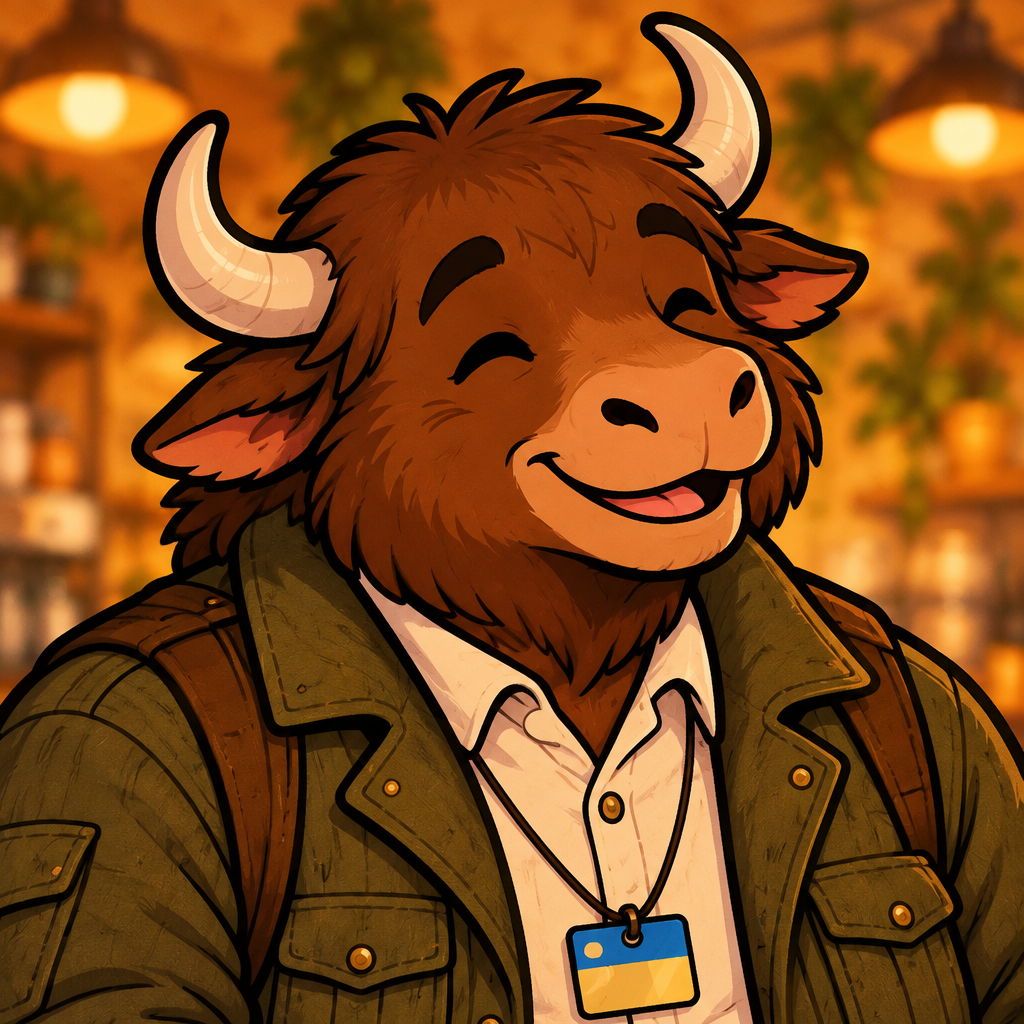 Yako¿Cuál fue? Cuéntanos todo.Which one was it? Tell us everything.
- MeganFui a Oaxaca el año pasado.I went to Oaxaca last year.
- Justin¿Has ido alguna vez a Oaxaca, Yako?Have you ever been to Oaxaca, Yako?
- YakoYo no salgo mucho del café, pero cuéntame más.I don't leave the café much, but tell me more.
- MeganNos quedamos en un hotel pequeño por cinco días.We stayed in a small hotel for five days.
- Justin¿Y cómo estuvo?And how was it?
- MeganIncreíble. Disfruté mucho la comida.Amazing. I really enjoyed the food.
- Yako stares at a photo of mole and quietly licks his lips.
- MeganLo mejor fue el amanecer en Monte Albán.The best part was the sunrise at Monte Albán.
- Justin¿Volverías?Would you go back?
- MeganDefinitivamente volvería.I'd definitely go back.
- YakoPues suena increíble. Yo también quiero ver ese amanecer.Well, it sounds amazing. I want to see that sunrise too.
- JustinEl próximo año vamos los tres.Next year the three of us are going.
Practice — tell the trip
Ten short exercises: listen, match, pick the missing word, and build the line that says you'd go back.
You'll also bring back two questions you already know from earlier lessons.
0 of 10 done
What did you hear?
What did you hear?
Match the pairs
Spanish
Fui a ___ el año pasadoDrop the English here¿Has ido alguna vez a ___?Drop the English hereNos quedamos en ___ por ___ díasDrop the English hereDefinitivamente volveríaDrop the English hereEnglish
What do you say?
What do you say?
It's Monday morning at the café. Ask Megan about her weekend.
Fill the gap
Fill the gap
I really enjoyed ___
Disfruté ____ ___
What does it mean?
What does it mean?
¿Cómo estuvo?
What do you say?
What do you say?
You want to know if Megan has ever visited Chicago.
True or false?
True or false?
In this line, por tells how long the stay lasted.
What do you say?
What do you say?
The sunrise at Monte Albán was your favorite moment. Tell Megan.
What do you say?
What do you say?
Megan asks if you'd return to Oaxaca. You loved every minute of it.
Build the line
Build the line
I'd go back
Tap the words in order.
Say it — your turn to tell it
Now you're the one telling a trip story, and Megan asks the questions.
Tap the microphone when it's your turn, and tap ▶ if you want to hear the line first. Your recording stays on your device.
- YakoPlatícame de tu mejor viaje.Tell me about your best trip.
- Justin (you)Say where you went and when.
Say where you went and when.
Fui a ___ el año pasado
I went to ___ last year
0 of 6 said
Recap — what you can say now
| Spanish | English | Play |
|---|---|---|
| Fui a ___ el año pasado | I went to ___ last year | |
| ¿Has ido alguna vez a ___? | Have you ever been to ___? | |
| Lo mejor fue ___ | The best part was ___ | |
| Disfruté mucho ___ | I really enjoyed ___ | |
| Nos quedamos en ___ por ___ días | We stayed in ___ for ___ days | |
| Definitivamente volvería | I'd go back |
Save your progress — it’s free
Keep your place in the course and see which lines you’ve learned.
Want the next lesson in your inbox?
Get the next lesson by email, one a day.
Join the newsletterDaily lesson emails are coming soon. Newsletter subscribers get them first.
Keep practicing with Yak Cards
Want to keep these trip lines handy? Grab the Yak Cards for this lesson and review them anywhere.
A quick round with the Yak Cards each day keeps your trip story ready to go.
Open Yak Cards