
New here? This is lesson 164 of a free 238-lesson Spanish course.
Free Spanish CourseLesson 164 of 238
Long story short in Spanish
Megan is famous at Café Laurel for one thing: her stories never end. Today she's telling the one about her cousin's wedding, and Justin and Yako are trapped in it.
You'll learn four ways to wrap a story up and skip the extra detail. By the end, you can jump straight to the ending and get your afternoon back.
By the end of this lesson
Wrap a story up and skip the extra detail.
- Para no hacerla larga, ___Long story short, ___
- Y bueno, eso es básicamente todoSo yeah, that's basically it
- No quiero aburrirte con los detallesI don't want to bore you with the details
- En fin, no hace falta decir másAnyway, enough said
Scene — the story that never ends
Late afternoon at Café Laurel. Megan has been talking for ten minutes, and the story keeps growing: a taxi, a church, a cake.
Yako listens from his two chairs. Justin's coffee went cold two subplots ago.

Learn — wrap it up
Four lines that all do the same job: ending a story without telling all of it.
One jumps to the ending, one closes things politely, and two tell the listener the details can wait.

Para no hacerla larga, ___
Long story short, ___
When to use it: Say this right before you give the short version of a long story.
Hacerla is hacer plus la, where la stands for the story.
Say it: The h is silent: ah-SEHR-lah.

Y bueno, eso es básicamente todo
So yeah, that's basically it
When to use it: Use this to close a story or explanation casually.
Y bueno softens the ending, like starting with so yeah.

No quiero aburrirte con los detalles
I don't want to bore you with the details
When to use it: Say this to politely skip the details of a story.
Aburrirte is aburrir plus te: to bore you.

En fin, no hace falta decir más
Anyway, enough said
When to use it: Say this when the point is made and nothing more is needed.
En fin signals you're moving to wrap up.
Story — the last line
Watch Megan's wedding story finally reach its last line. The highlighted words are the four you just learned.
Justin's line near the end brings back one from an earlier lesson.
- Late afternoon. Megan's story about her cousin's wedding is on its fourth tangent.
- MeganY luego el chofer del taxi se perdió en Puebla.And then the taxi driver got lost in Puebla.
 Justin¿En serio?Seriously?
- MeganEspérate, que viene lo bueno. Llegamos tarde a la iglesia y llovió.Wait, the good part is coming. We got to the church late and it rained.
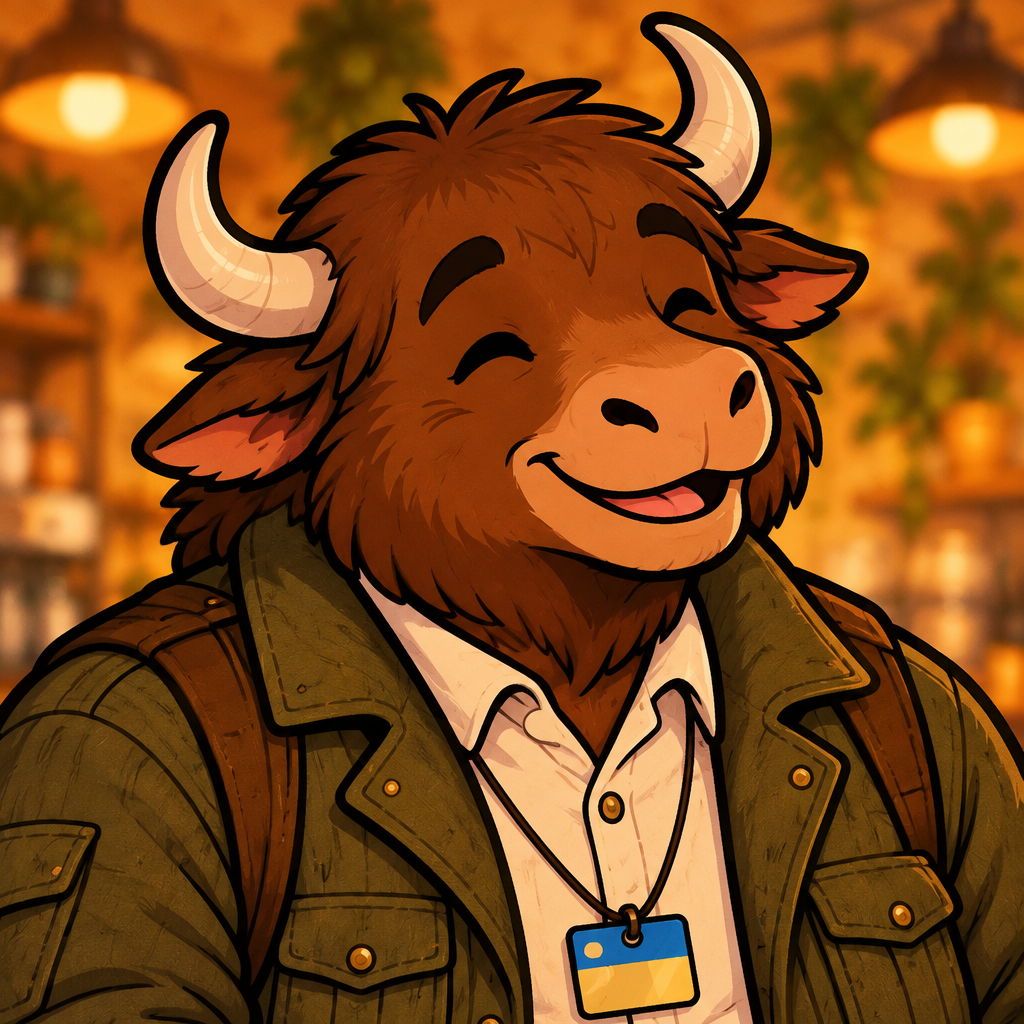 Yako¿Y el novio?And the groom?
- MeganEl novio llegó antes que todos. Él arregló todo.The groom arrived before everyone. He fixed everything.
- Megan stops for water. Justin looks at the clock.
- MeganPara no hacerla larga, perdimos el vuelo de regreso.Long story short, we missed the flight back.
- Justin¿Y el pastel?And the cake?
- MeganY bueno, eso es básicamente todo. El pastel se salvó.So yeah, that's basically it. The cake survived.
- YakoPero espera. ¿Y el chofer del taxi?But wait. What about the taxi driver?
- MeganNo quiero aburrirte con los detalles.I don't want to bore you with the details.
- JustinBueno, ya hablamos bastante de bodas.Well, we've talked enough about weddings.
- MeganEn fin, no hace falta decir más.Anyway, enough said.
- Yako stands up slowly from his two chairs.
- YakoYo solo pasaba.I was just passing by.
Practice — skip the details
Ten quick exercises. You'll listen, pick meanings, fill gaps, and swap words to change how a story ends.
Watch the two reply items: only one answer fits what Megan is asking.
0 of 10 done
What did you hear?
What did you hear?
Match the pairs
Spanish
Y bueno, eso es básicamente todoDrop the English hereNo quiero aburrirte con los detallesDrop the English hereEn fin, no hace falta decir másDrop the English hereHablemos de otra cosaDrop the English hereEnglish
What does it mean?
What does it mean?
No quiero aburrirte con los detalles
True or false?
True or false?
Para no hacerla larga introduces the short version of a long story.
What do you say?
What do you say?
You're telling a long story and your listener's eyes are glazing over. You jump straight to the ending.
Pick the reply
Megan says:
Pick the reply
¿Y luego qué pasó?
And then what happened?
And you reply with:
Fill the gap
Fill the gap
So yeah, that's basically it
Y bueno, eso es básicamente ____
Swap the word
Swap the word
Megan's point is already clear. Nothing more needs saying.
En fin, no hace falta decir ____
Pick the reply
Megan says:
Pick the reply
¿Seguimos con lo de la boda de mi prima?
Should we keep going with my cousin's wedding?
And you reply with:
Build the line
Build the line
Anyway, enough said
,
Tap the words in order.
Say it — end the story
Now you're Justin, and Megan's story has no end in sight. When it's your turn, tap the microphone and help her wrap it up.
Tap ▶ first if you want to hear the line. Your recording stays on your device.
- MeganEspérate, que viene lo bueno del viaje.Wait, the good part of the trip is coming.
- Justin (you)Jump to the ending: say long story short, then finish with what happened.
Jump to the ending: say long story short, then finish with what happened.
Para no hacerla larga, ___
Long story short, ___
0 of 3 said
Recap — what you can say now
| Spanish | English | Play |
|---|---|---|
| Para no hacerla larga, ___ | Long story short, ___ | |
| Y bueno, eso es básicamente todo | So yeah, that's basically it | |
| No quiero aburrirte con los detalles | I don't want to bore you with the details | |
| En fin, no hace falta decir más | Anyway, enough said |
Save your progress — it’s free
Keep your place in the course and see which lines you’ve learned.
Want the next lesson in your inbox?
Get the next lesson by email, one a day.
Join the newsletterDaily lesson emails are coming soon. Newsletter subscribers get them first.
Keep practicing with Yak Cards
Want to keep these story-ending lines handy? Grab the Yak Cards for this lesson and review them anywhere.
A quick round with the Yak Cards each day keeps your wrap-up lines ready for the next long story.
Open Yak Cards