Me lastimé ___.
I hurt my ___.
Me lastimé la mano.
I hurt my hand.
Me lastimé el pie jugando fútbol.
I hurt my foot playing soccer.
Lesson 24 of 159

Goal: Say what’s wrong — simple, useful phrases
Free Spanish lessons with guided practice, audio, and speaking support.
Welcome! In this short lesson you'll practice common short sentences for everyday problems—missing things, small injuries, money troubles, and more. Keep it relaxed: listen, repeat, and try the quick quizzes.
Level A1: In this lesson you'll learn simple Spanish sentences to say things like “I hurt my…”, “I forgot…”, “I missed…”, and “I can't pay.” We'll practice seven ready-to-use problem statements in short dialogues and quick drills. (CEFR-aligned phrasing.)
After this lesson you'll be able to:

Ready? Let's go!
When you tap play on phrases, we track your progress through this lesson.
Hear core phrases, repeat aloud.
Me lastimé ___.
I hurt my ___.
___ está roto.
The ___ is broken.
Se me olvidó ___.
I forgot ___.
Perdí ___.
I missed ___.
Voy tarde.
I'm late.
No puedo pagar.
I can't pay.
Está demasiado ___.
It's too ___.
Hear phrases in a real mini-conversation.
Anna calls David while she is on her way to work.
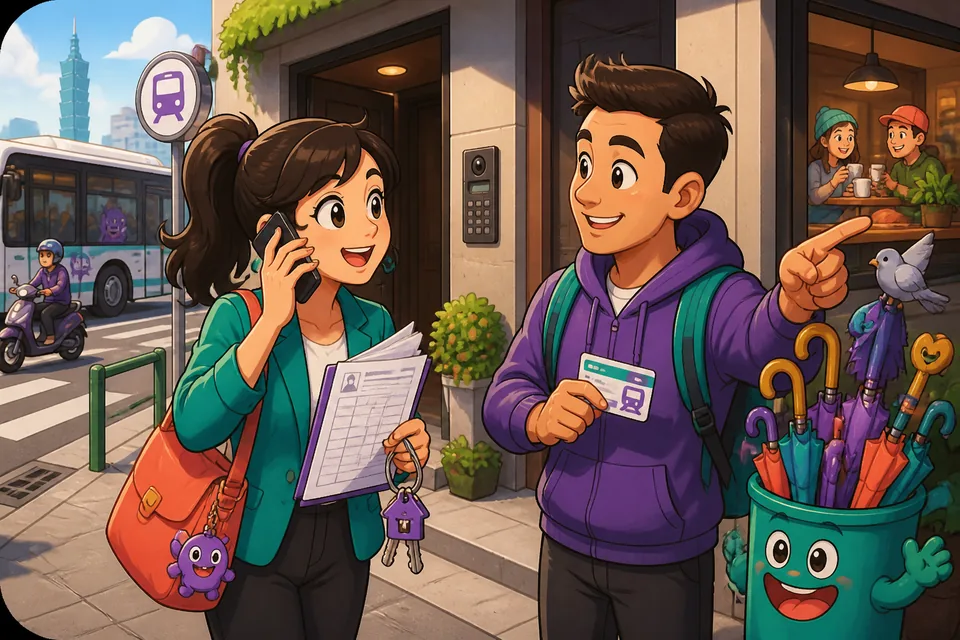

Anna
Hola, David. Voy tarde.
Hi, David. I'm late.

David
¿Por qué? ¿Qué pasó?
Why? What happened?
Anna
Perdí el autobús y me lastimé la pierna caminando.
I missed the bus and I hurt my leg walking.
David
¡Qué mal! ¿Y tienes dinero para un taxi?
Oh no! And do you have money for a taxi?
Anna
Se me olvidó la billetera y no puedo pagar.
I forgot my wallet and I can't pay.
David
Hoy el taxi está demasiado caro.
Today the taxi is too expensive.
Anna
¿Me ayudas? Gracias.
Can you help me? Thanks.
Quizzes and matching to lock in meaning.
Me lastimé ___ cuando jugué baloncesto.
Llegué tarde porque ___.
En el restaurante mi tarjeta no funciona y ___.
Say phrases yourself (mic/recording).
Recording stays on your device only. Check speech uses your browser's speech tools when available.
Say this phrase out loud:
Me lastimé ___.
I hurt my ___.
Say this phrase out loud:
___ está roto.
The ___ is broken.
Say this phrase out loud:
Se me olvidó ___.
I forgot ___.
Say this phrase out loud:
Perdí ___.
I missed ___.
Say this phrase out loud:
Voy tarde.
I'm late.
Say this phrase out loud:
No puedo pagar.
I can't pay.
Say this phrase out loud:
Está demasiado ___.
It's too ___.