
New here? This is lesson 176 of a free 238-lesson Spanish course.
Free Spanish CourseLesson 176 of 238
We left early in Spanish
Justin is back at Café Laurel, and Amanda wants to hear everything about his weekend away with Megan.
In this lesson you'll learn to tell the first part of a trip story in order: when you left, what you were planning, what happened on the way, and what it was like when you arrived.
The first surprise turns out to be a very ordinary one. Part two comes tomorrow.
By the end of this lesson
Tell the first part of a weekend trip: leaving early, the plan, the road and arriving.
- Salimos tempranoWe left early
- Íbamos a ___We were going to ___
- En el camino, ___On the way, ___
- Al llegar, ___When we got there, ___
- El lugar era ___The place was ___
- Esa fue la primera sorpresaThat was the first surprise
Scene — the weekend, part one
Monday afternoon at Café Laurel. Justin has his coffee, Yako is on his two chairs, and Amanda has just come down from upstairs.
She heard Justin was away for the weekend, and now she wants the whole story from the beginning.

Learn — left, were going to, on the way
These six pieces tell the beginning of a trip: leaving, the plan, the road, arriving, the place, and the first surprise.
Learn them as connective tissue. They string your story together so it sounds told, not listed.
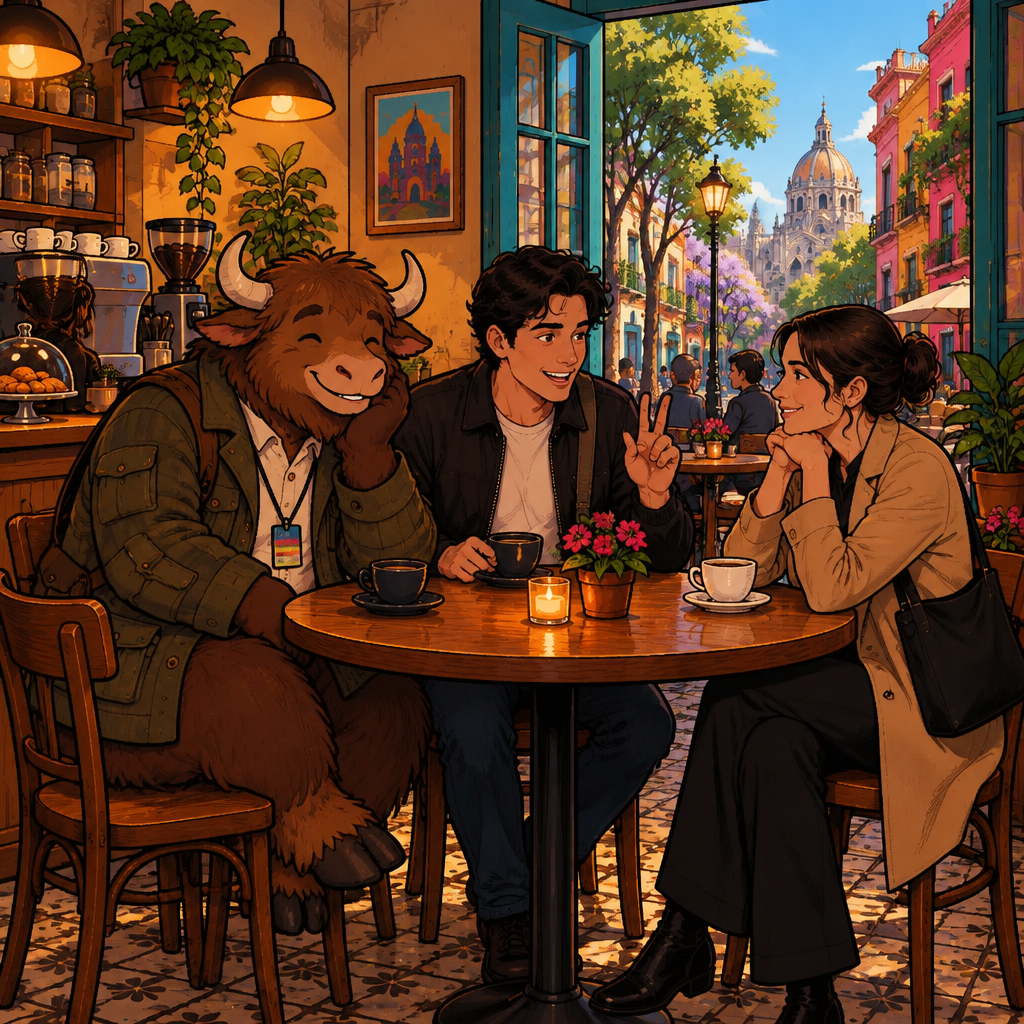
Salimos temprano
We left early
When to use it: Say this to tell when you and others set off early.
Salimos is the preterite we-form of salir, a finished past action.
Say it: sa-LEE-mohs, stress on LEE.
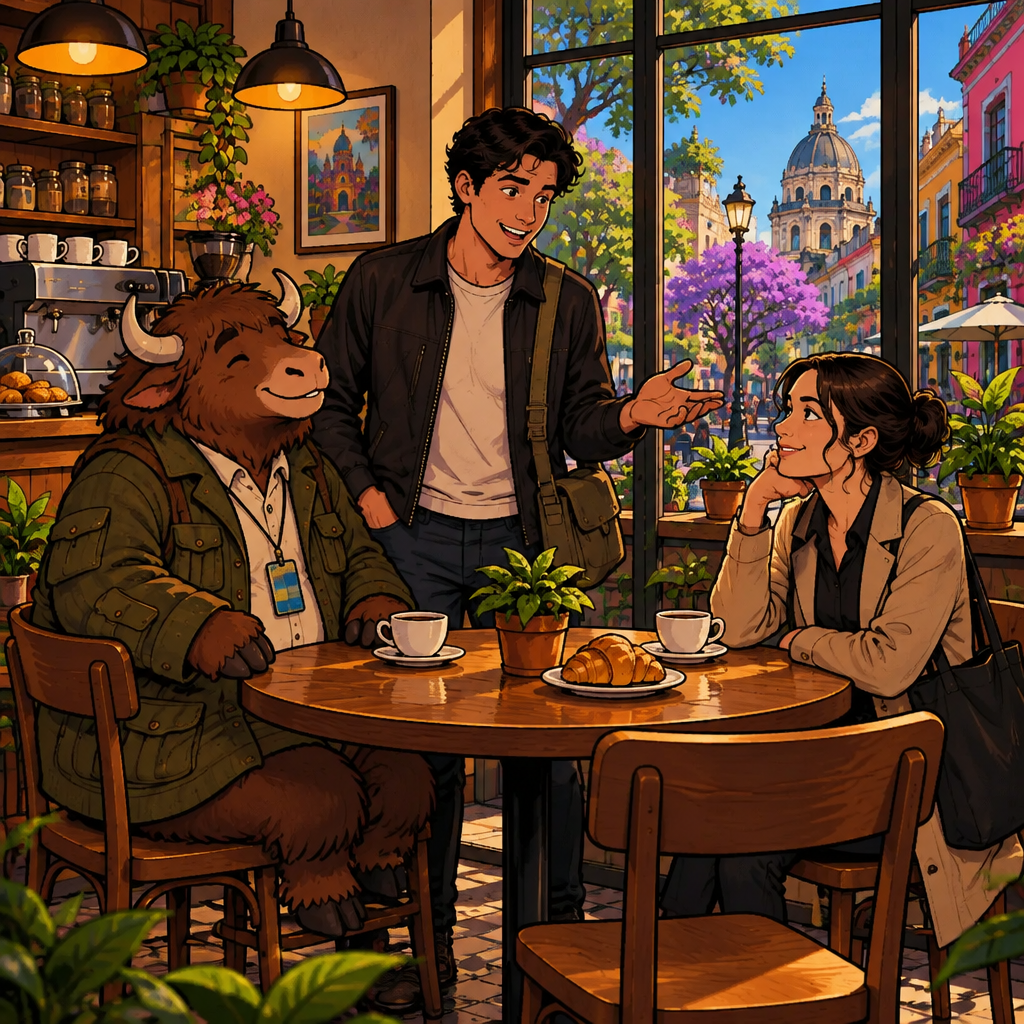
Íbamos a ___
We were going to ___
When to use it: Use this to say what the plan was, before things changed.
Íbamos is imperfect, the tense used for background plans in the past.

En el camino, ___
On the way, ___
When to use it: Use this to introduce something that happened during the trip.
Camino means road or way, so this is literally on the road.

Al llegar, ___
When we got there, ___
When to use it: Use this to pick up the story at the moment of arrival.
Al plus a verb means upon doing it, so al llegar is on arriving.
Say it: The double l sounds like y: yeh-GAR.

El lugar era ___
The place was ___
When to use it: Use this to describe the place you arrived at.
Era is imperfect, for descriptions; what the place was like.

Esa fue la primera sorpresa
That was the first surprise
When to use it: Say this to flag something unexpected and promise more story.
Fue is preterite of ser; la primera sorpresa hints at a second one.
Story — an ordinary surprise
Amanda asks the classic Monday question, and Justin starts the story from the very beginning.
The highlighted lines are the six you just learned. Turn on Show English if the story runs ahead of you.
 Amanda¿Qué hiciste el fin de semana?What did you do this weekend?
 JustinSalimos temprano. Megan y yo, a las seis de la mañana.We left early. Megan and me, at six in the morning.
- Amanda¿En serio? Yo ni me muevo antes de las ocho.Seriously? I don't even move before eight.
- JustinÍbamos a llegar antes del mediodía.We were going to arrive before noon.
- Michael sets down a fresh coffee, and Yako leans in from his two chairs.
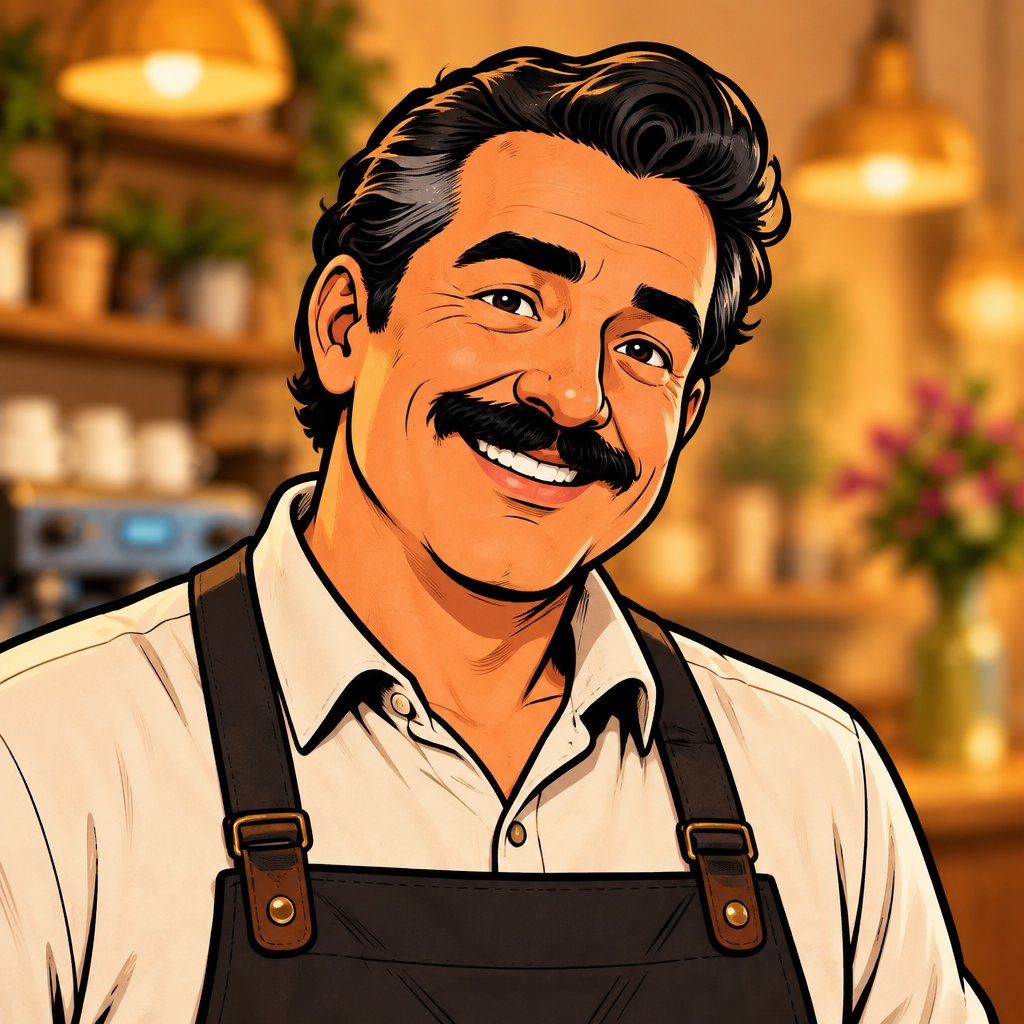 Michael¿Y cómo les fue en la carretera?And how did the highway treat you?
- JustinBien. En el camino, paramos a comer gorditas.Good. On the way, we stopped to eat gorditas.
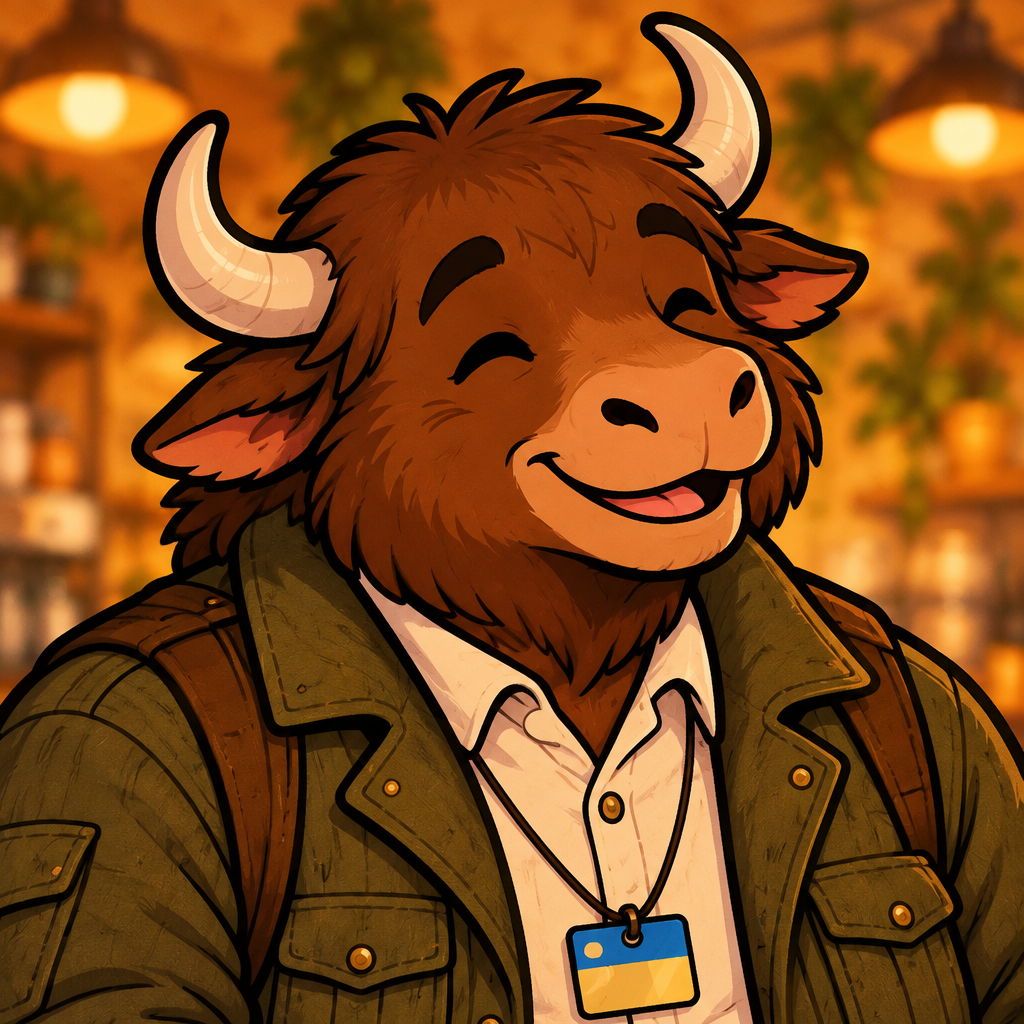 YakoYo solo pasaba, pero... ¿de qué eran las gorditas?I was just passing by, but... what were the gorditas filled with?
- JustinDe quesillo. Al llegar, todo estaba muy tranquilo.With quesillo cheese. When we got there, everything was very quiet.
- Amanda¿Y el pueblo? ¿Cómo era?And the town? What was it like?
- JustinEl lugar era pequeño, con calles de piedra.The place was small, with stone streets.
- Amanda waits for something dramatic. Michael folds his arms.
- Amanda¿Y? Cuéntame la sorpresa.And? Tell me the surprise.
- JustinEsa fue la primera sorpresa: el hotel era una casa de familia.That was the first surprise: the hotel was a family house.
- Yako¿Y la segunda? No me dejes así.And the second one? Don't leave me hanging.
- JustinMañana te cuento. Es parte dos.I'll tell you tomorrow. It's part two.
- Yako sighs so hard that Michael's napkin flies off the table.
Practice — tell it in order
Ten exercises here: listen, match, fill, swap and build. You'll put each trip phrase in its place.
Start easy and end with the odd one out. Everything is recycled from the story you just read.
0 of 10 done
What did you hear?
What did you hear?
Match the pairs
Spanish
Íbamos a ___Drop the English hereEn el camino, ___Drop the English hereAl llegar, ___Drop the English here¿Qué hiciste el fin de semana?Drop the English hereEnglish
What do you say?
What do you say?
Amanda asks what you did this weekend. You and Megan left at six in the morning to beat traffic.
Fill the gap
Fill the gap
We left early
Salimos ____
What did you hear?
What did you hear?
Pick the reply
Amanda says:
Pick the reply
¿A qué hora salieron el sábado?
What time did you leave on Saturday?
And you reply with:
What does it mean?
What does it mean?
Esa fue la primera sorpresa
True or false?
True or false?
En el camino introduces something that happened after you arrived.
Build the line
Build the line
That was the first surprise
Tap the words in order.
Which one doesn’t belong?
Which one doesn’t belong?
Say it — your turn to tell it
Now you're Justin, and Amanda wants your version of the weekend. When it's your turn, tap the microphone and tell her.
Tap ▶ first to hear the model line. Your recording stays on your device.
- Amanda¿Qué hiciste el fin de semana?What did you do this weekend?
- Justin (you)Say you left early, at six in the morning.
Say you left early, at six in the morning.
Salimos temprano
We left early
0 of 6 said
Recap — what you can say now
| Spanish | English | Play |
|---|---|---|
| Salimos temprano | We left early | |
| Íbamos a ___ | We were going to ___ | |
| En el camino, ___ | On the way, ___ | |
| Al llegar, ___ | When we got there, ___ | |
| El lugar era ___ | The place was ___ | |
| Esa fue la primera sorpresa | That was the first surprise |
Save your progress — it’s free
Keep your place in the course and see which lines you’ve learned.
Want the next lesson in your inbox?
Get the next lesson by email, one a day.
Join the newsletterDaily lesson emails are coming soon. Newsletter subscribers get them first.
Keep practicing with Yak Cards
Want to keep these trip-story connectors handy? Grab the Yak Cards for this lesson and review them anywhere.
A quick round with the Yak Cards each day keeps your trip story smooth, from Salimos temprano to la primera sorpresa.
Open Yak Cards