
New here? This is lesson 208 of a free 240-lesson German course.
I heard in German
Deniz is sure the old key in the Fundkiste opens a treasure. He tells Priya at the bakery, and she has to decide what to pass on.
Renate wipes the counter and does not look up. Anton sits with his unfinished Milchkaffee and stays out of it.
By the end, you'll say what you heard, mark it as hearsay, and hold back if it may not be true.
Pass it on with care. Ask the person yourself if you can.
By the end of this lesson
Say what you heard from others and pass it on with care.
- Ich habe gehört, dass ___.I heard that ___
- Es heißt, da steckt eine Geschichte dahinter.They say there's a story behind it
- Ich habe das nur vom Hörensagen.I've only got that from hearsay
- Ob das stimmt, kann ich nicht sagen.I can't say whether it's true
- Das fragst du besser selbst nach.You'd better ask about that yourself
- Ich erzähle das ungern weiter, wenn's nicht stimmt.I don't like passing it on if it isn't true
Scene — the bakery rumour
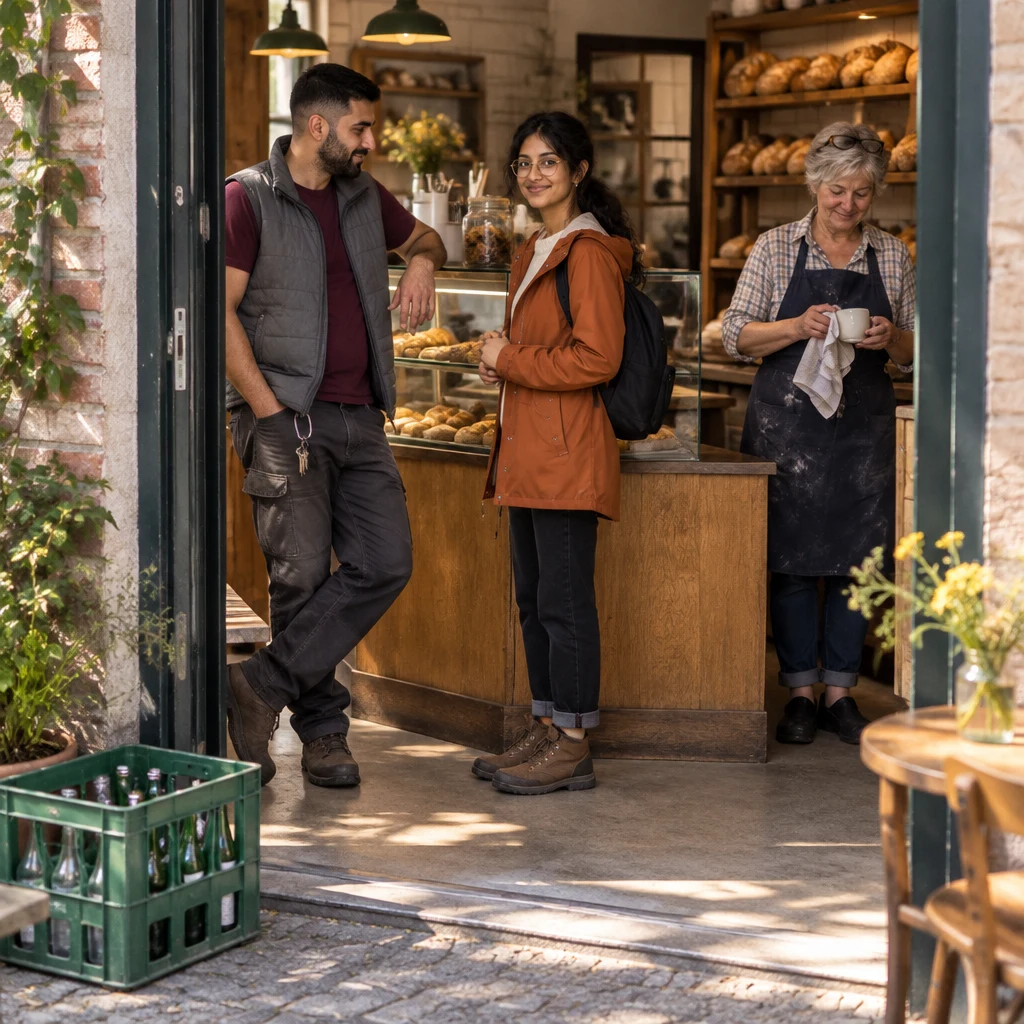
Saturday afternoon at Bäckerei Krause. Deniz leans on the counter with a crate of Pfand bottles still on the pavement.
Priya has just ordered. Renate wipes a cup and does not look up. Anton sits at the corner table, Milchkaffee untouched.
Learn — hearsay and rumours
Six lines help you pass on a rumour without claiming it is a fact.
You'll hear a story, mark hearsay, and send the other person to ask.

Ich habe gehört, dass ___.
I heard that ___
When to use it: Use this to pass on something you heard from someone else.
After dass, the verb in that clause goes last.
Say it: Gehört uses the ö sound, with rounded lips.
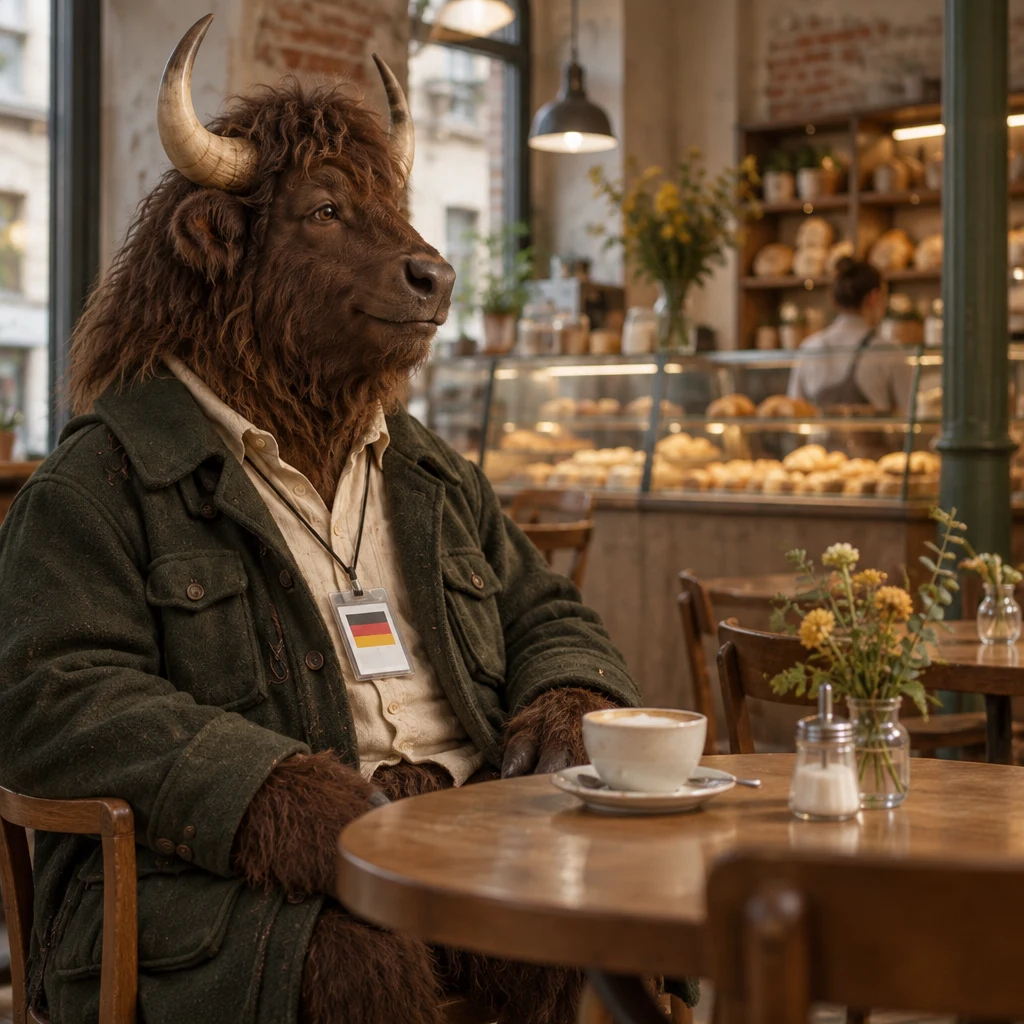
Es heißt, da steckt eine Geschichte dahinter.
They say there's a story behind it
When to use it: Use this when people talk as if a story sits behind something.
Es heißt passes on what people say, not something you checked yourself.

Ich habe das nur vom Hörensagen.
I've only got that from hearsay
When to use it: Use this to say you did not see it; you only heard it.
Vom Hörensagen marks the story as second-hand, not as a fact you checked.
Say it: Hörensagen uses ö and puts the stress on the first syllable.

Ob das stimmt, kann ich nicht sagen.
I can't say whether it's true
When to use it: Use this when you will not claim the rumour is true.
Ob starts a whether clause; the verb waits at the end.

Das fragst du besser selbst nach.
You'd better ask about that yourself
When to use it: Use this to send a friend to ask the person, not you.
In a main clause, the prefix nach goes at the end.

Ich erzähle das ungern weiter, wenn's nicht stimmt.
I don't like passing it on if it isn't true
When to use it: Use this when you do not want to spread a story that may be false.
After wenn, the verb stimmt waits at the end of that clause.
Say it: The ä in erzähle is an open e, not a plain e.
Story — Deniz has heard
Deniz has a rumour about the key. Priya passes it on, then says she cannot say if it is true.
The highlighted words are the lines you just learned. Turn on Show English if you need it.
- Deniz sets the crate down and leans in. Renate keeps wiping.
 DenizNa, Priya. Ich muss dir mal was erzählen.Hey, Priya. I have to tell you something.
 PriyaWas denn?What then?
- DenizIch habe gehört, dass der Schlüssel einen Schatz öffnet.I heard that the key opens a treasure.
- PriyaWer hat dir das erzählt?Who told you that?
- DenizJemand im Späti. Es heißt, da steckt eine Geschichte dahinter.Someone at the late-night shop. They say there's a story behind it.
- PriyaIch habe gestern etwas anderes gehört.I heard something different yesterday.
- Renate wipes a cup. She does not look up.
- PriyaRenate, hast du das auch gehört?Renate, have you heard that too?
 RenateIch habe das nur vom Hörensagen.I've only got that from hearsay.
- PriyaOb das stimmt, kann ich nicht sagen.I can't say whether it's true.
- DenizDann frag doch einfach nach.Then just go and ask.
- PriyaDas fragst du besser selbst nach.You'd better ask about that yourself.
- Anton glances at the Fundkiste, then at his cup.
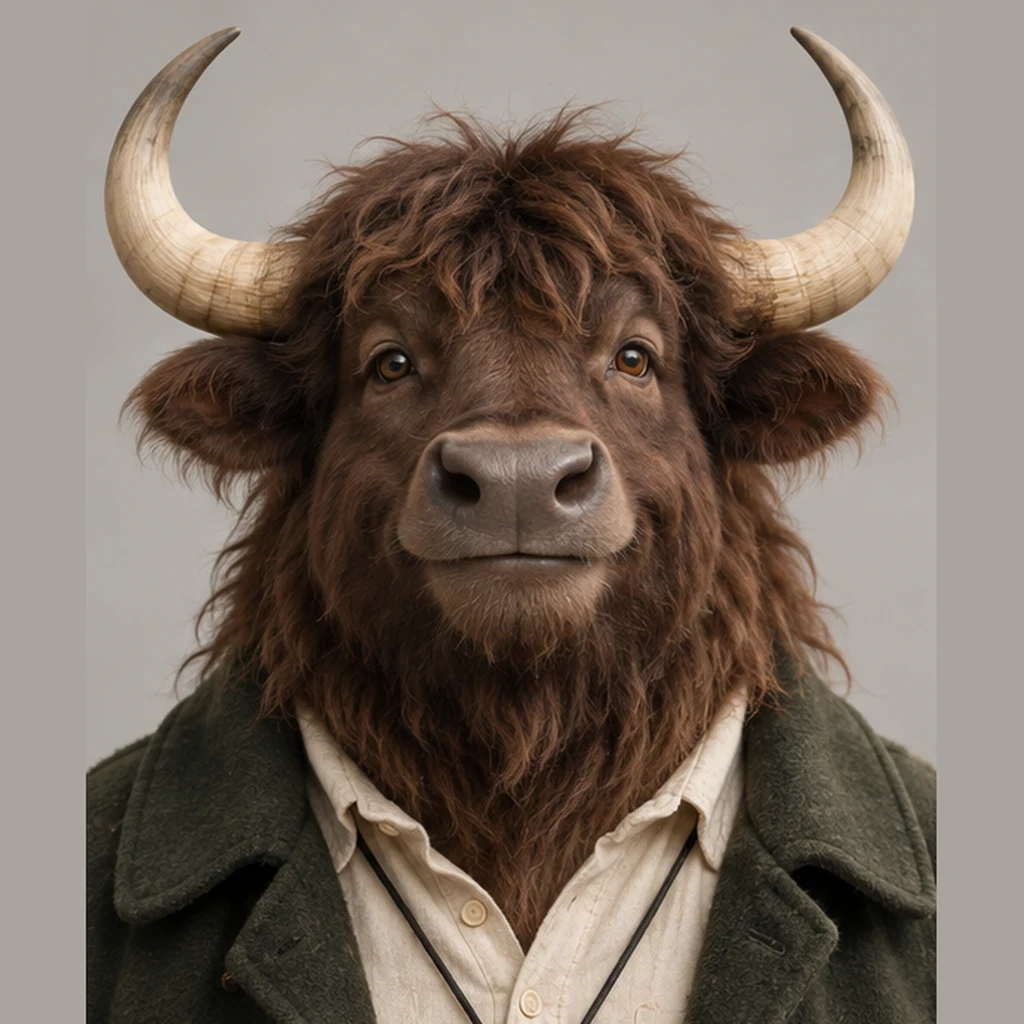 AntonDas kann doch nicht stimmen.That can't be right.
- PriyaIch erzähle das ungern weiter, wenn's nicht stimmt.I don't like passing it on if it isn't true.
- RenateGenau.Exactly.
Practice — pass it on with care
Ten quick exercises wait here. You'll listen, pick, fill a gap, and build a line.
They stay on hearsay, so you practise passing a story on with care.
0 of 10 done
What did you hear?
What did you hear?
What does it mean?
What does it mean?
Ich habe das nur vom Hörensagen.
What do you say?
What do you say?
A friend just told you a claim. Pass on what you heard, not what you saw.
Fill the gap
Fill the gap
You'd better ask about that yourself
Das fragst du besser selbst ____.
Pick the reply
Renate says:
Pick the reply
Stimmt das mit dem Schatz?
Is that true about the treasure?
And you reply with:
Fill the gap
Fill the gap
I don't like passing it on if it isn't true
Ich erzähle das ____ weiter, wenn's nicht stimmt.
Swap the word
Swap the word
Use the word for hearsay, not a neighbour as the source.
Ich habe das nur vom ____.
True or false?
True or false?
You say this when you believe the rumour is true.
What do you say?
What do you say?
Someone just passed you a rumour. You want to know the source.
Fill the gap
Fill the gap
I heard something different yesterday.
Ich habe ____ etwas anderes gehört.
Say it — say it back
Now you're Priya at the bakery. Deniz has just told you a rumour. When it's your turn, tap the microphone and speak.
Tap ▶ first if you want to hear the line. Your recording stays on your device.
- DenizHast du das mit dem Schlüssel schon gehört?Have you already heard about the key?
- Priya (you)Tell him you heard the key opens a treasure.
Tell him you heard the key opens a treasure.
Ich habe gehört, dass ___.
I heard that ___
0 of 6 said
Recap — what you can say now
| German | English | Play |
|---|---|---|
| Ich habe gehört, dass ___. | I heard that ___ | |
| Es heißt, da steckt eine Geschichte dahinter. | They say there's a story behind it | |
| Ich habe das nur vom Hörensagen. | I've only got that from hearsay | |
| Ob das stimmt, kann ich nicht sagen. | I can't say whether it's true | |
| Das fragst du besser selbst nach. | You'd better ask about that yourself | |
| Ich erzähle das ungern weiter, wenn's nicht stimmt. | I don't like passing it on if it isn't true |
Save your progress — it’s free
Keep your place in the course and see which lines you’ve learned.
Want the next lesson in your inbox?
Get the next lesson by email, one a day.
Join the newsletterDaily lesson emails are coming soon. Newsletter subscribers get them first.
Keep practicing with Yak Cards
Want to keep these hearsay lines handy? Grab the Yak Cards for this lesson and review them anywhere.
A short Yak Cards round keeps rumour lines ready before you pass a story on.
Open Yak Cards