
New here? This is lesson 237 of a free 240-lesson English course.
The trip story, told properly in English
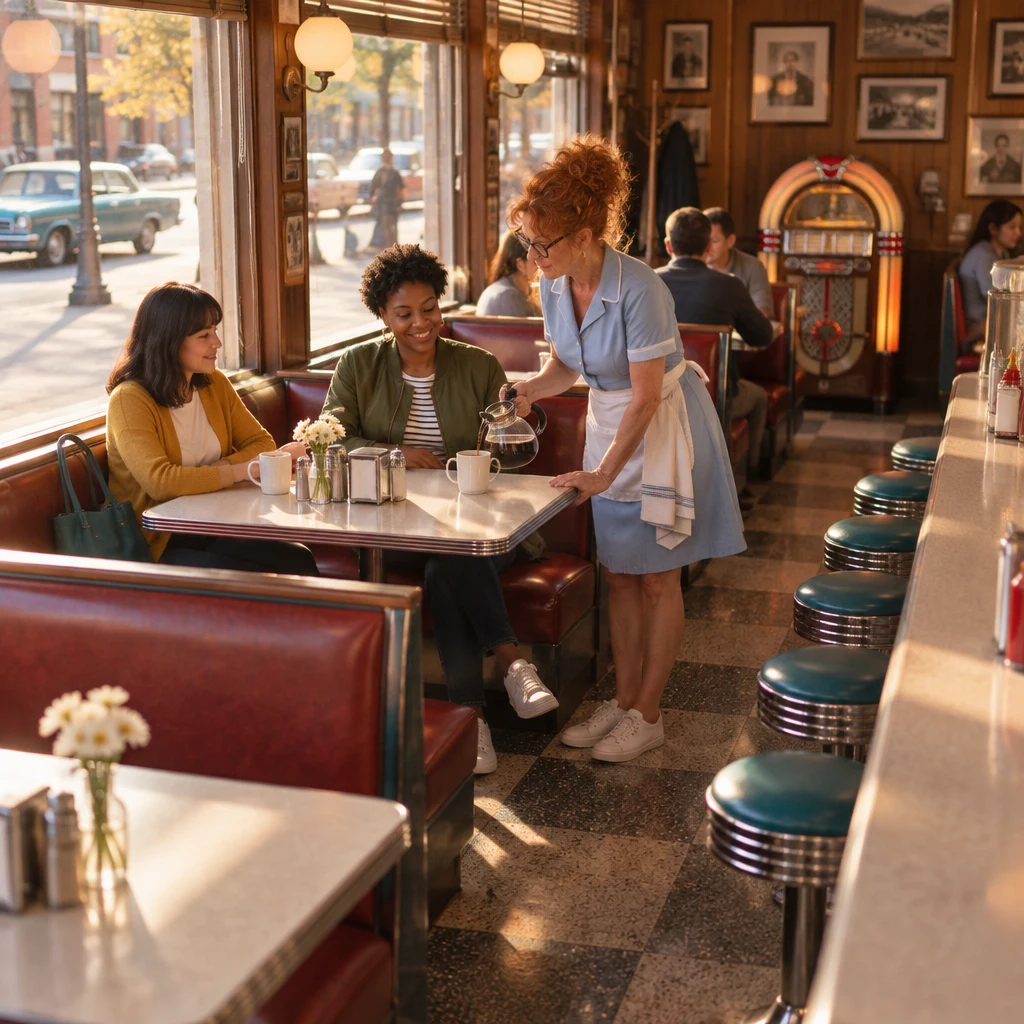
Ana sits at the Blue Plate with Tasha. The Milwaukee weekend is old news, but the diner still wants the full story.
Dee pours coffee. Murray leans in. Ana will tell it in order: the fine morning, the wrong train, the joke at the end.
By the end, you'll start a story, mark the turn, and land the joke.
By the end of this lesson
Retell one trip with details in order and land the joke at the end.
- So here's what happened.I will tell the story from the start.
- Everything was going fine that morning.The day started with no problems.
- Then, of course, we were on the wrong train.After that we rode a train that was not ours.
- That's when the story started growing.At that moment the telling became bigger than the trip.
- And you know what?Here comes the surprising part.
- The funniest part is we still got the custard.The joke at the end is that they got the dessert anyway.
Scene — the booth retelling
Late afternoon at the Blue Plate. Ana and Tasha share a booth by the window. Dee refills coffee without asking.
Murray sits on two stools at the end of the counter. His coffee is still unfinished. The jukebox by the door stays quiet.
Learn — tell it in order
Six lines help you tell one trip in order. You start, set the morning, then mark the turn.
You'll also land the joke at the end.
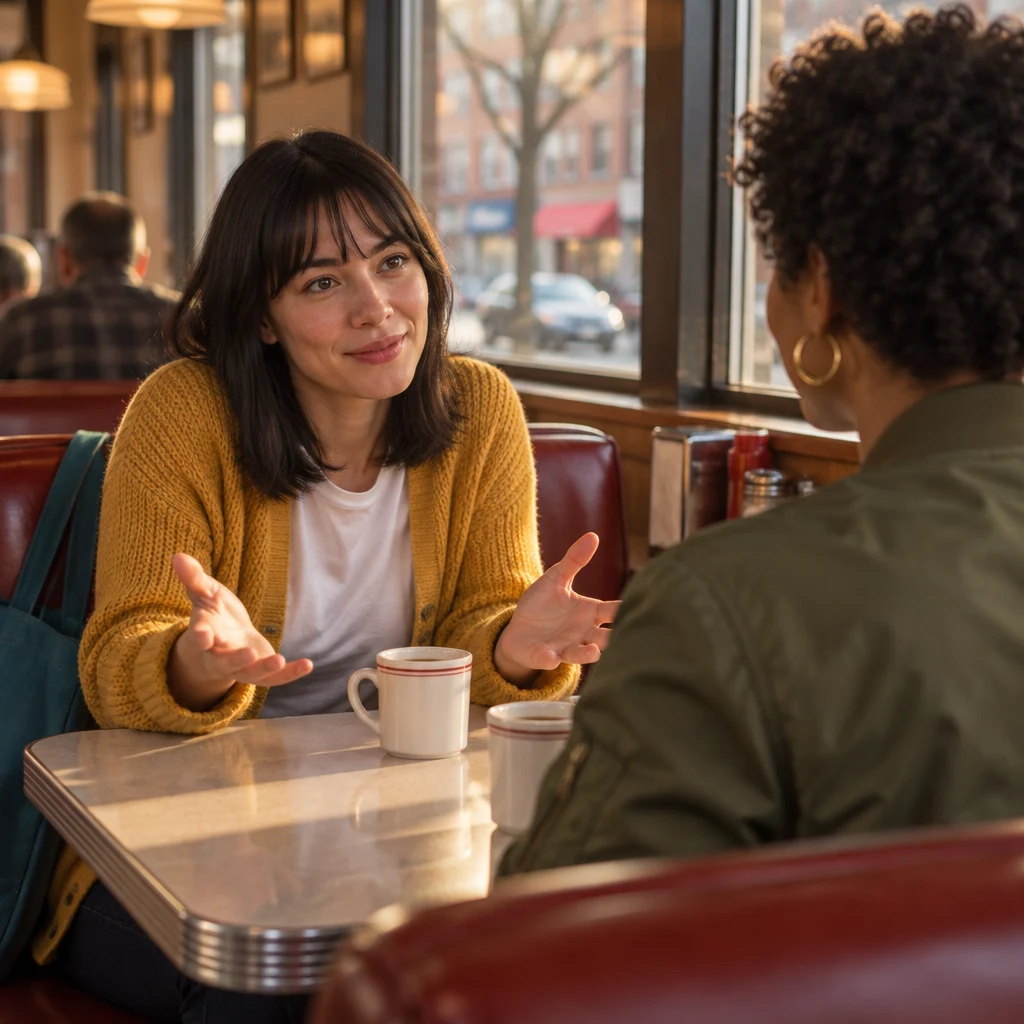
So here's what happened.
I will tell the story from the start.
When to use it: Say this when you begin a story from the start.
Here's is a contraction, so learn So here's as one piece.
Say it: Stress happened at the end.

Everything was going fine that morning.
The day started with no problems.
When to use it: Use this to say the morning started with no problems.
Was going is past tense and sets the scene before the problem.
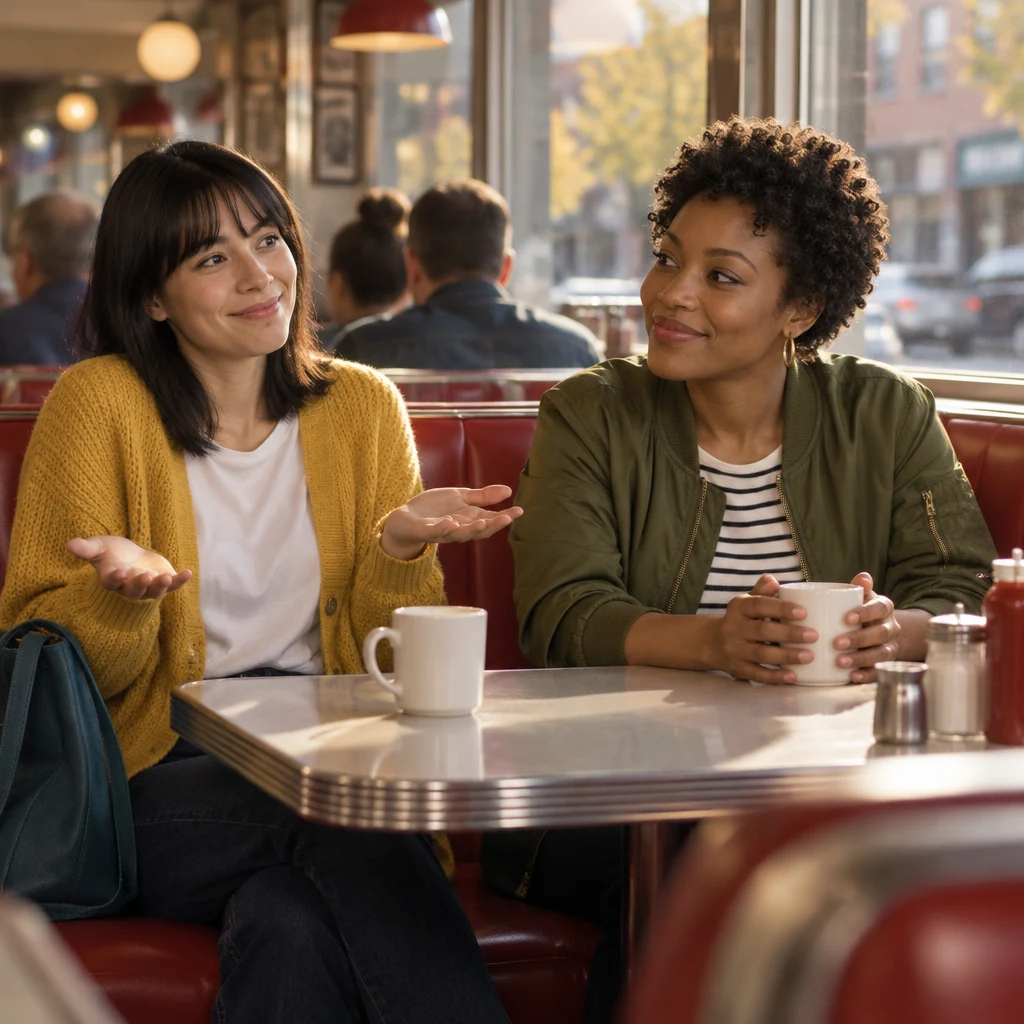
Then, of course, we were on the wrong train.
After that we rode a train that was not ours.
When to use it: Use this after a good start, when the problem begins.
Of course here means the mix-up was not a surprise.
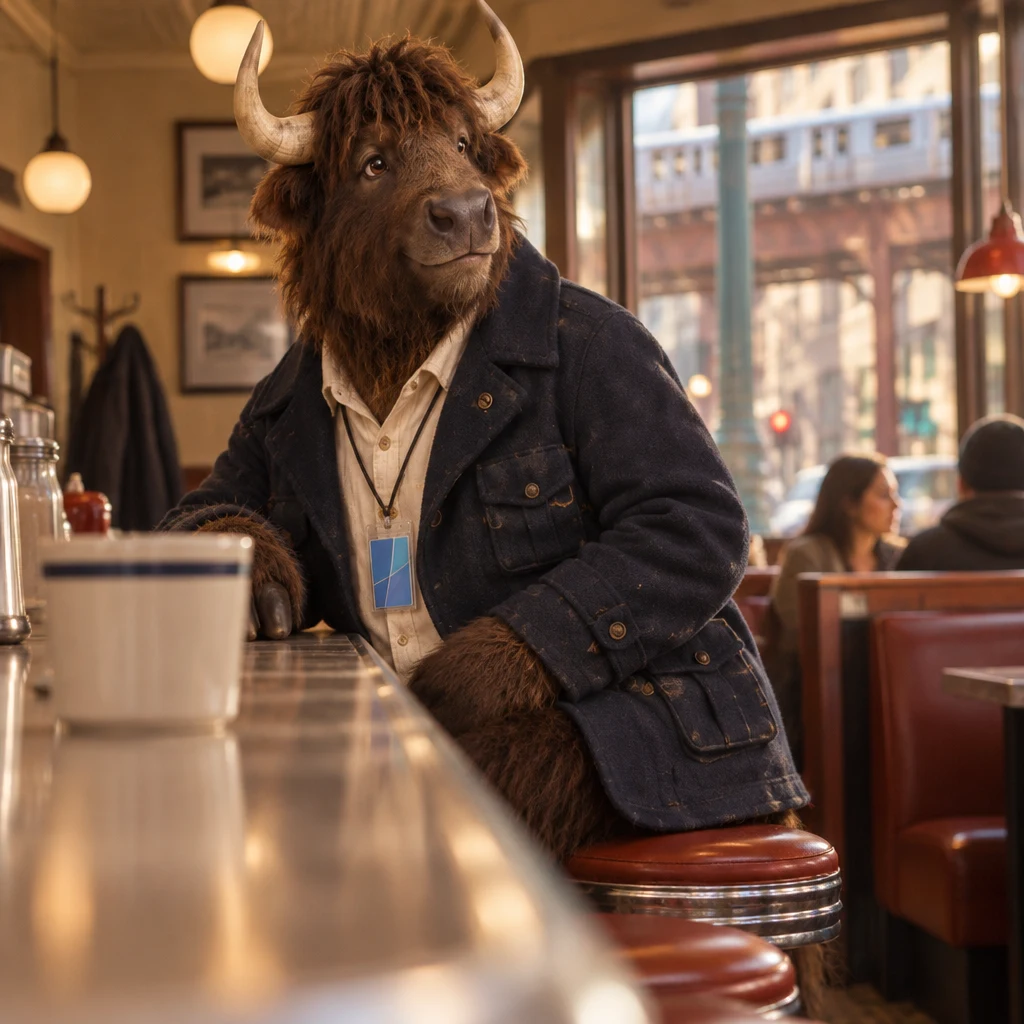
That's when the story started growing.
At that moment the telling became bigger than the trip.
When to use it: Use this when someone makes a story bigger as they tell it.
Growing is the -ing form and means the story got bigger.
Say it: Growing ends with a clear -ing sound.

And you know what?
Here comes the surprising part.
When to use it: Say this right before the surprising part of a story.
Learn you know what as one piece that holds the listener.
Say it: Stress what at the end.

The funniest part is we still got the custard.
The joke at the end is that they got the dessert anyway.
When to use it: Use this as the joke at the end of a trip story.
Still means even after the mix-up they got what they wanted.
Say it: The stress is on funniest, then on custard.
Story — they still got the custard
Watch Ana tell the Milwaukee weekend in the right order. Tasha admits she grew the story.
The highlighted words are the lines you just learned.
- A late afternoon booth. Dee sets down extra mugs.
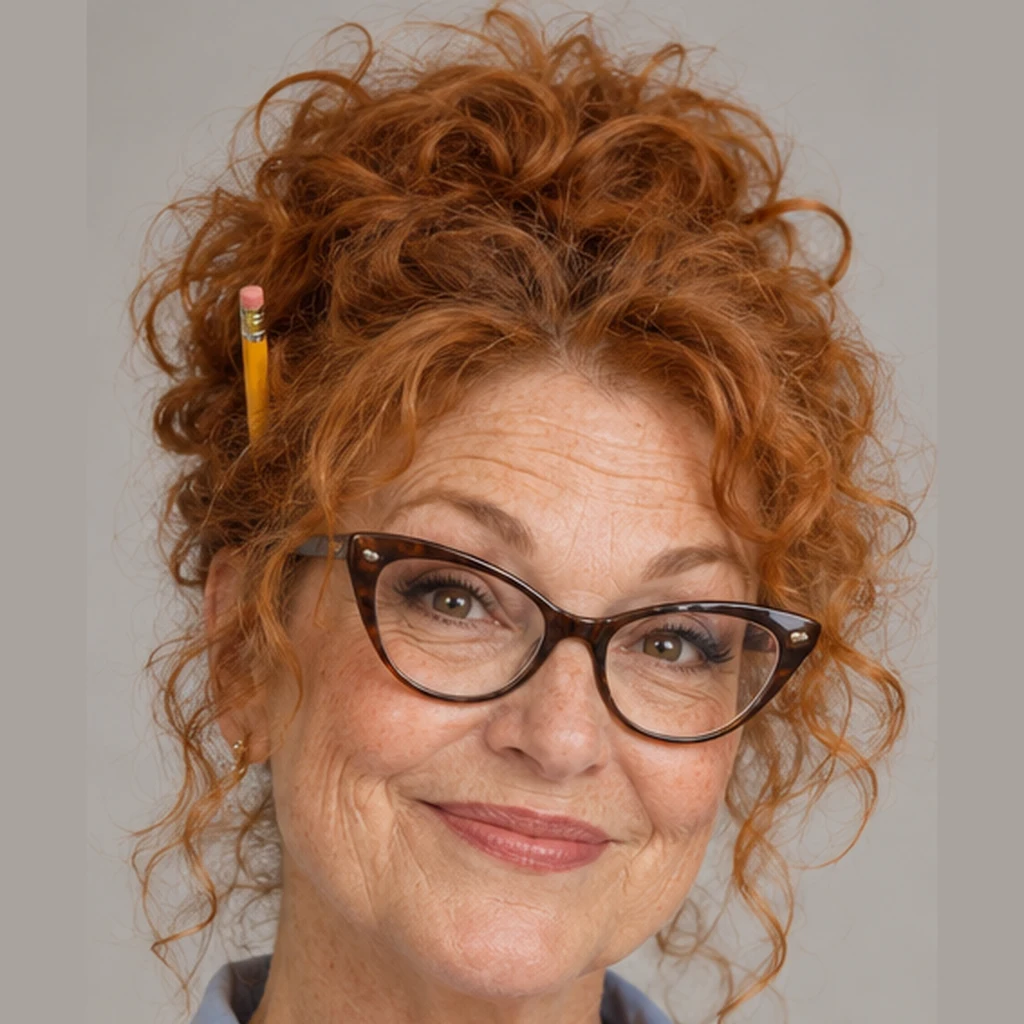 DeeAll right, hon. Milwaukee. Tell it properly this time.Dee wants the Milwaukee story told in the right order.
 AnaSpeaking of which, I never finished the story.That word makes me remember I left the story open.
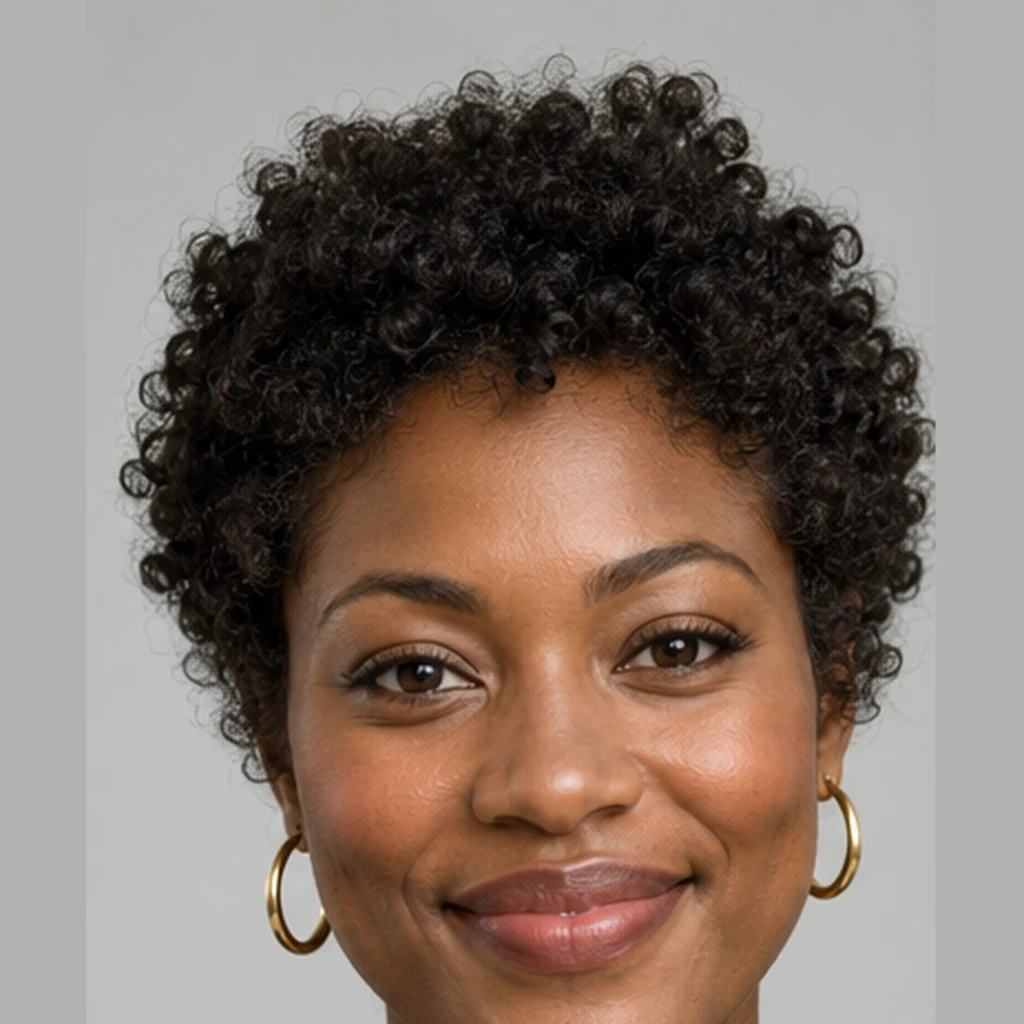 TashaStart from the station. Keep the order this time.She wants the true first steps, in order.
- AnaSo here's what happened.I will tell the story from the start.
- DeeWhat happened next?What was the following thing in the story?
- AnaEverything was going fine that morning.The day started with no problems.
- TashaWe had tickets. We sat down. Then, well.The trip started well, then something went wrong.
- AnaThen, of course, we were on the wrong train.After that we rode a train that was not ours.
- Murray turns on his two stools. His coffee is still unfinished.
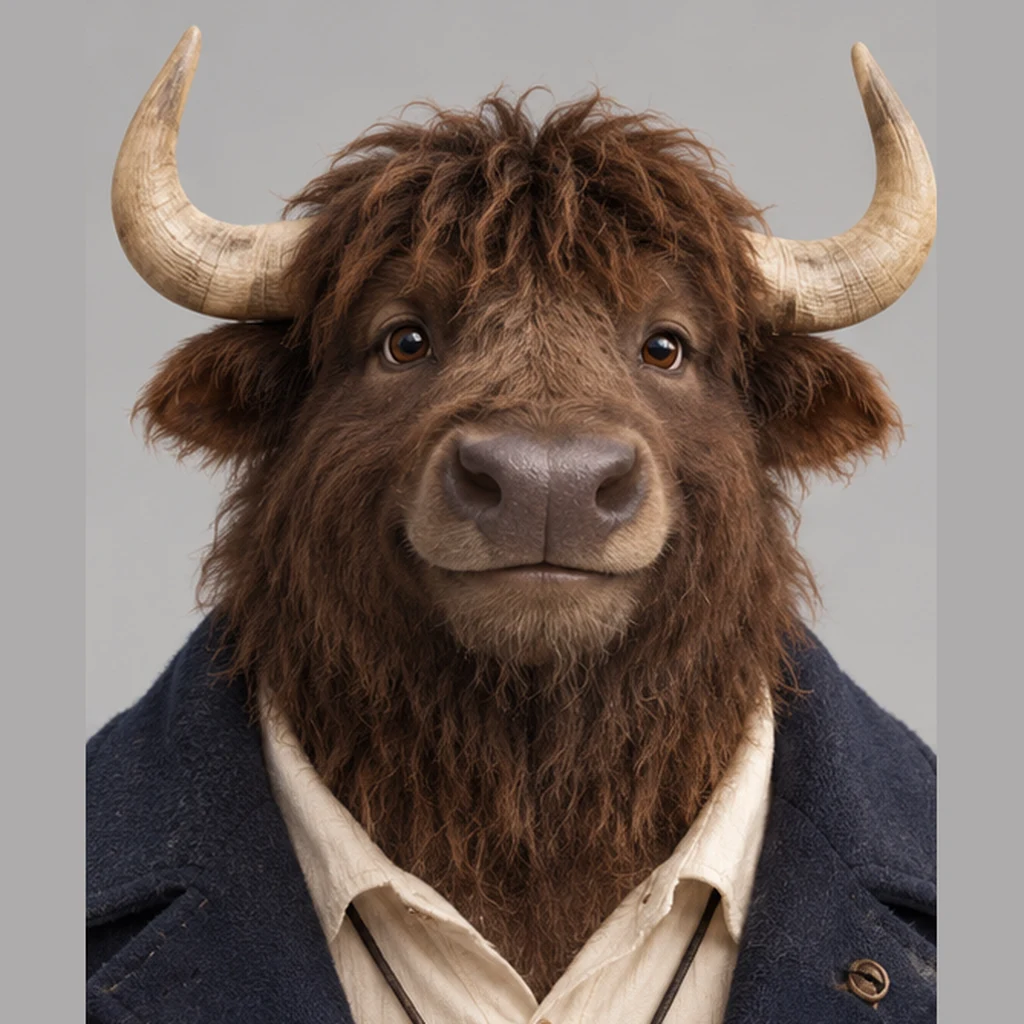 MurrayHow did you get on the wrong train?He asks how they boarded the wrong train.
- AnaWe were talking and didn't check the train before we got on.They kept talking and boarded without checking first.
- TashaI made the warehouse streets sound bigger later. I know I did.Tasha admits she made the trip sound bigger.
- AnaThat's when the story started growing.At that moment the telling became bigger than the trip.
- MurrayWhat was the best part of your trip?Which thing on the trip did you like most?
- AnaAnd you know what? The funniest part is we still got the custard.Here comes the surprising part, and the joke is they got the dessert anyway.
- TashaWe still found the stand. After the wrong train, we still found it.They reached the frozen-custard stand anyway.
- DeeSee? A story with an ending, hon.Dee likes that the story finished with a joke.
- MurrayWell, that sounds like a good trip.He thinks the weekend turned out well.
Practice — start, turn, punchline
Eleven quick exercises wait here. You'll listen, pick, match, fill a gap, and build a line.
They stay short, so the round moves fast.
0 of 11 done
What did you hear?
What did you hear?
What does it mean?
What does it mean?
Then, of course, we were on the wrong train.
What do you say?
What do you say?
You start the Milwaukee story. The morning had no problems yet.
Pick the reply
Tasha says:
Pick the reply
I made the warehouse streets sound bigger later. I know I did.
Tasha admits she made the trip sound bigger than it was.
And you reply with:
Build the line
Build the line
Here comes the surprising part.
?
Tap the words in order.
Fill the gap
Fill the gap
The joke at the end is that they got the dessert anyway.
The funniest part is we still got the ____.
Match the pairs
English
So here's what happened.Drop the Simple English hereEverything was going fine that morning.Drop the Simple English hereThat's when the story started growing.Drop the Simple English hereThe funniest part is we still got the custard.Drop the Simple English hereSimple English
Swap the word
Swap the word
The morning was fine. Then you boarded a train that was not yours.
Then, of course, we were on the ____ train.
What do you say?
What do you say?
Someone paused in a trip story. You want the next event.
True or false?
True or false?
You say this when you remember you left a story open.
What do you say?
What do you say?
A friend just told you about a weekend trip. Ask which part they liked most.
Say it — say the trip back
Now you're Ana at the booth. When it's your turn, tap the microphone and speak the line.
Tap play first if you want to hear the line. Your recording stays on your device.
- TashaStart from the morning.She wants the first part of the trip.
- Ana (you)Begin the story from the start.
Begin the story from the start.
So here's what happened.
I will tell the story from the start.
0 of 6 said
Recap — what you can say now
| English | Simple English | Play |
|---|---|---|
| So here's what happened. | I will tell the story from the start. | |
| Everything was going fine that morning. | The day started with no problems. | |
| Then, of course, we were on the wrong train. | After that we rode a train that was not ours. | |
| That's when the story started growing. | At that moment the telling became bigger than the trip. | |
| And you know what? | Here comes the surprising part. | |
| The funniest part is we still got the custard. | The joke at the end is that they got the dessert anyway. |
Save your progress — it’s free
Keep your place in the course and see which lines you’ve learned.
Want the next lesson in your inbox?
Get the next lesson by email, one a day.
Join the newsletterDaily lesson emails are coming soon. Newsletter subscribers get them first.
Keep practicing with Yak Cards
Want to keep these story lines handy? Grab the Yak Cards for this lesson and review them anywhere.
A quick round with the Yak Cards each day keeps your trip story ready to tell.
Open Yak Cards