
New here? This is lesson 170 of a free 240-lesson English course.
A trip that went wrong in English
Tasha sits with Ana at the Blue Plate and tells a weekend trip story. The trip did not go as planned.
A late bus, a wrong turn, and a long walk. She still made it by dinner.
By the end, you can tell a past mishap in a few short lines.
Start with what went wrong. End with what you would do next time.
By the end of this lesson
Tell what went wrong on a trip and how you got through it.
- The trip didn't go as planned.The trip did not happen the way I wanted.
- On the way there, the bus was late.While we were going, the bus did not come on time.
- I got lost, but I found my way back.I did not know where I was, then I found the way.
- It was more tiring than I expected.I got more tired than I thought I would.
- We still made it by dinner.We arrived in time to eat anyway.
- Next time, I would leave earlier.On the next trip, I will go sooner.
Scene — the booth by the window
Saturday afternoon at the Blue Plate. Ana and Tasha share a booth by the window. Dee refills the coffee without asking.
Murray sits on two stools at the end of the counter. His coffee is still unfinished. The jukebox by the door stays quiet.
Tasha talks with her hands. She is already in the middle of a weekend trip that went wrong.

Learn — a trip that went wrong
Six lines help you tell a trip story. You start with what went wrong.
Then you say how you got through it, and what you would do next time.

The trip didn't go as planned.
The trip did not happen the way I wanted.
When to use it: Use this to start a story about a trip that went wrong.
Didn't is did not said as one piece.
Say it: Didn't ends with a quick t sound.

On the way there, the bus was late.
While we were going, the bus did not come on time.
When to use it: Say this when a bus was late during the trip.
On the way there means while you were going.

I got lost, but I found my way back.
I did not know where I was, then I found the way.
When to use it: Use this when you were lost and then you got back.
Got lost is past tense meaning I did not know where I was.

It was more tiring than I expected.
I got more tired than I thought I would.
When to use it: Use this when something was harder than you thought.
Tiring describes something that makes you tired.
Say it: The stress in tiring is on the first part.

We still made it by dinner.
We arrived in time to eat anyway.
When to use it: Use this when you arrived late but still in time to eat.
Made it means you arrived or succeeded.
Say it: Made and it can link.

Next time, I would leave earlier.
On the next trip, I will go sooner.
When to use it: Use this when you say how you would do the next trip better.
Would leave talks about a better plan for next time.
Story — she still made it
Listen to Tasha tell her weekend trip. Ana asks what happened next.
The highlighted words are the lines you just learned.
- Tasha sets down her coffee. Ana leans in.
 TashaSo, the trip didn't go as planned.The trip did not happen the way I wanted.
 AnaWhat happened next?What was the following thing in the story?
- TashaOn the way there, the bus was late.While we were going, the bus did not come on time.
- AnaThen what? Did you wait long?She asks if Tasha waited a long time after that.
- TashaYeah. Then I got lost, but I found my way back.I did not know where I was, then I found the way back.
- Dee walks by with the coffee pot. She does not slow down.
- TashaIt was more tiring than I expected.I got more tired than I thought I would.
- AnaHow did you feel about it?What was your feeling then?
- TashaTired, I mean. We still made it by dinner.She was tired, but they arrived in time to eat anyway.
- Murray nods over his unfinished coffee. The jukebox stays quiet.
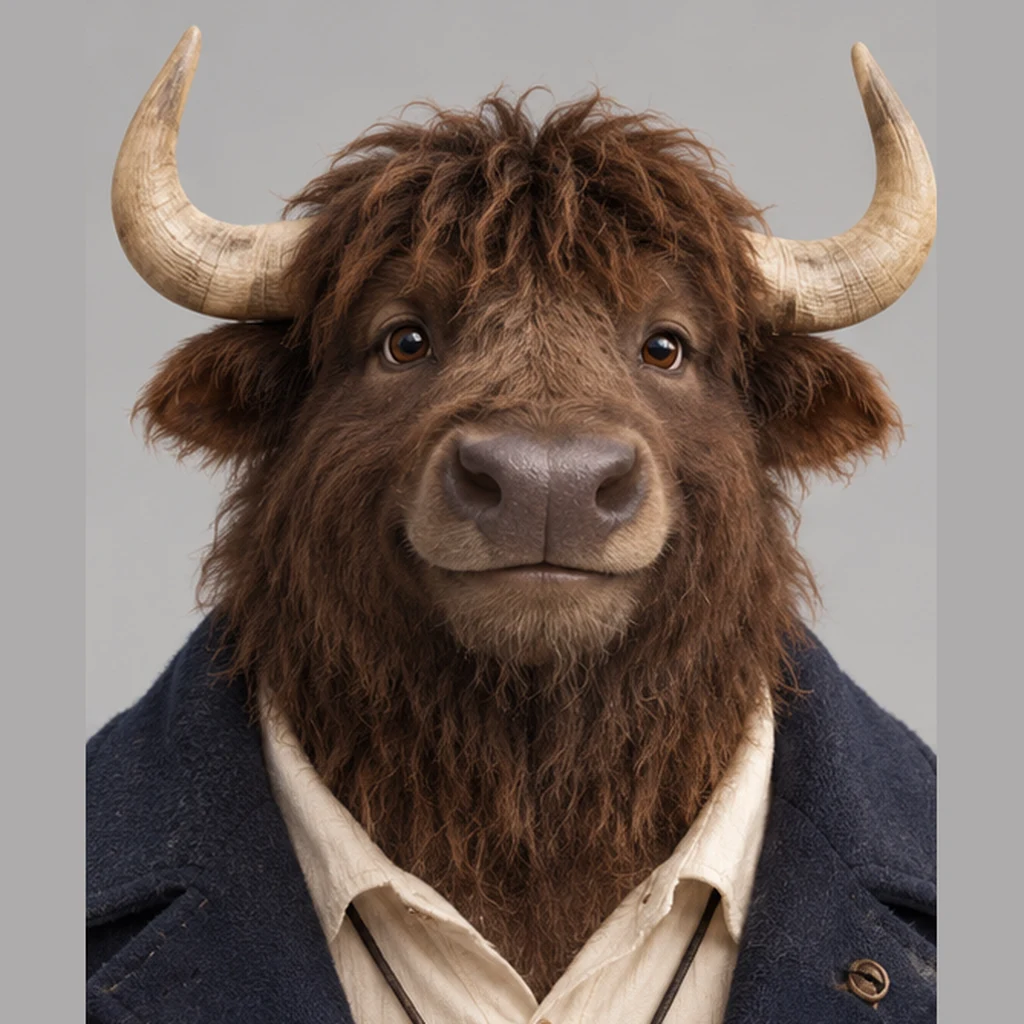 MurrayWell, you got back. That's something.He says getting back was already a good result.
 DeeSafe travels next time, hon.She wishes Tasha a safe trip next time.
- AnaSo what would you change?She asks what Tasha would do better next time.
- TashaNext time, I would leave earlier. And I'm still talking, you know.On the next trip, I will go sooner, and she is not done telling it.
Practice — late bus and dinner
Eleven short exercises wait here. You will listen, pick, fill a gap, and build a line.
They stay small, so the round moves fast.
0 of 11 done
What did you hear?
What did you hear?
Match the pairs
English
The trip didn't go as planned.Drop the Simple English hereI got lost, but I found my way back.Drop the Simple English hereIt was more tiring than I expected.Drop the Simple English hereWe still made it by dinner.Drop the Simple English hereSimple English
What does it mean?
What does it mean?
On the way there, the bus was late.
What do you say?
What do you say?
You tell a friend you were lost on a trip, then you got back.
Fill the gap
Fill the gap
I got more tired than I thought I would.
It was more tiring ____ I expected.
Build the line
Build the line
We arrived in time to eat anyway.
.
Tap the words in order.
Pick the reply
Tasha says:
Pick the reply
What would you do differently next time?
She asks how you would change the next trip.
And you reply with:
True or false?
True or false?
This line asks for the next part of a story.
Swap the word
Swap the word
You tell a friend the bus did not come on time.
On the way there, the bus was ____.
What do you say?
What do you say?
A friend just finished a trip story. You want her feeling.
Which one doesn’t belong?
Which one doesn’t belong?
Say it — tell the mishap
Now you're Ana at the booth. When it's your turn, tap the microphone and speak the line.
Tap play first if you want to hear the line. Your recording stays on your device.
- TashaSo, how was your weekend?She asks if your weekend was good.
- Ana (you)Tell her the trip did not happen the way I planned.
Tell her the trip did not happen the way I planned.
The trip didn't go as planned.
The trip did not happen the way I wanted.
0 of 6 said
Recap — what you can say now
| English | Simple English | Play |
|---|---|---|
| The trip didn't go as planned. | The trip did not happen the way I wanted. | |
| On the way there, the bus was late. | While we were going, the bus did not come on time. | |
| I got lost, but I found my way back. | I did not know where I was, then I found the way. | |
| It was more tiring than I expected. | I got more tired than I thought I would. | |
| We still made it by dinner. | We arrived in time to eat anyway. | |
| Next time, I would leave earlier. | On the next trip, I will go sooner. |
Save your progress — it’s free
Keep your place in the course and see which lines you’ve learned.
Want the next lesson in your inbox?
Get the next lesson by email, one a day.
Join the newsletterDaily lesson emails are coming soon. Newsletter subscribers get them first.
Keep practicing with Yak Cards
Want to keep these trip lines handy? Grab the Yak Cards for this lesson and review them anywhere.
A quick round with the Yak Cards each day keeps your mishap story ready to tell.
Open Yak Cards