
New here? This is lesson 75 of a free 240-lesson English course.
First this, then that in English
Ana tries to tell Dee her morning in order at the Blue Plate. Dee has already poured the coffee and put a menu down.
You will say what you do first and what you do next. You will also say what comes before or after a step.
The first-then line names two steps in order. Before and after stay short. You can say you don't have much time for TV.
By the end of this lesson
Say the order of what you do and what you do before or after.
- First I ___, then I ___.I do this action, and the next action after it.
- What do you do before ___?What is your step before this time or action?
- After I eat, I go for a walk.When the meal is done I walk outside.
- I read before bed.I read a little, then I sleep.
- I don't have much time for TV.Watching TV does not fit in my day.
- I pack my bag before I leave.I put things in my bag, then I go out.
Scene — the coffee is already down
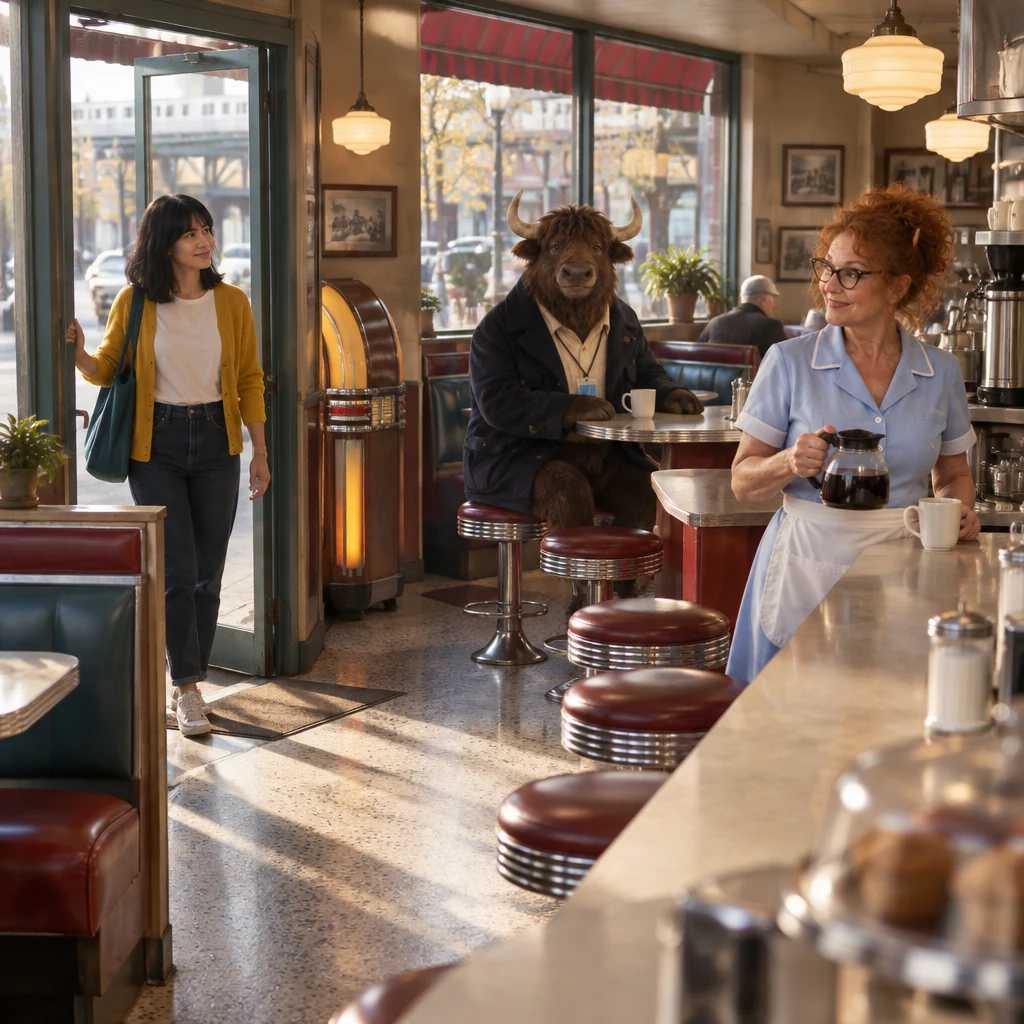
Same morning on Larch Street. Ana pushes into the Blue Plate, ready to tell her steps in order: first the L, then the diner.
Dee has already poured the coffee and set a menu on the counter. Murray sits on two stools with an unfinished cup. The jukebox by the door stays quiet.
Learn — first, then, before, after
Six short lines cover first and then, before, and after.
You'll pack a bag, take a walk, and say you don't have much time for TV.
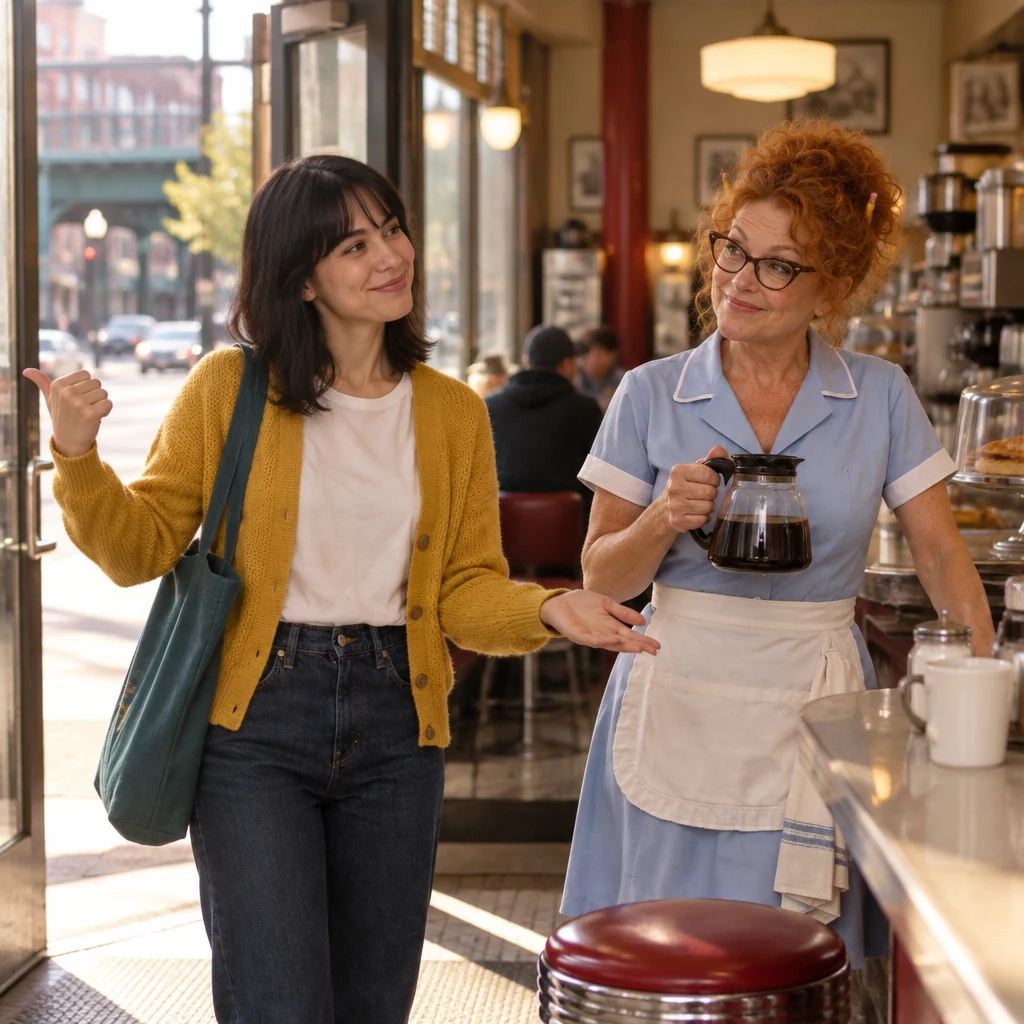
First I ___, then I ___.
I do this action, and the next action after it.
When to use it: Say this to name two steps in order.
First and then show the order of two actions.
Say it: Stress first and then in this line.
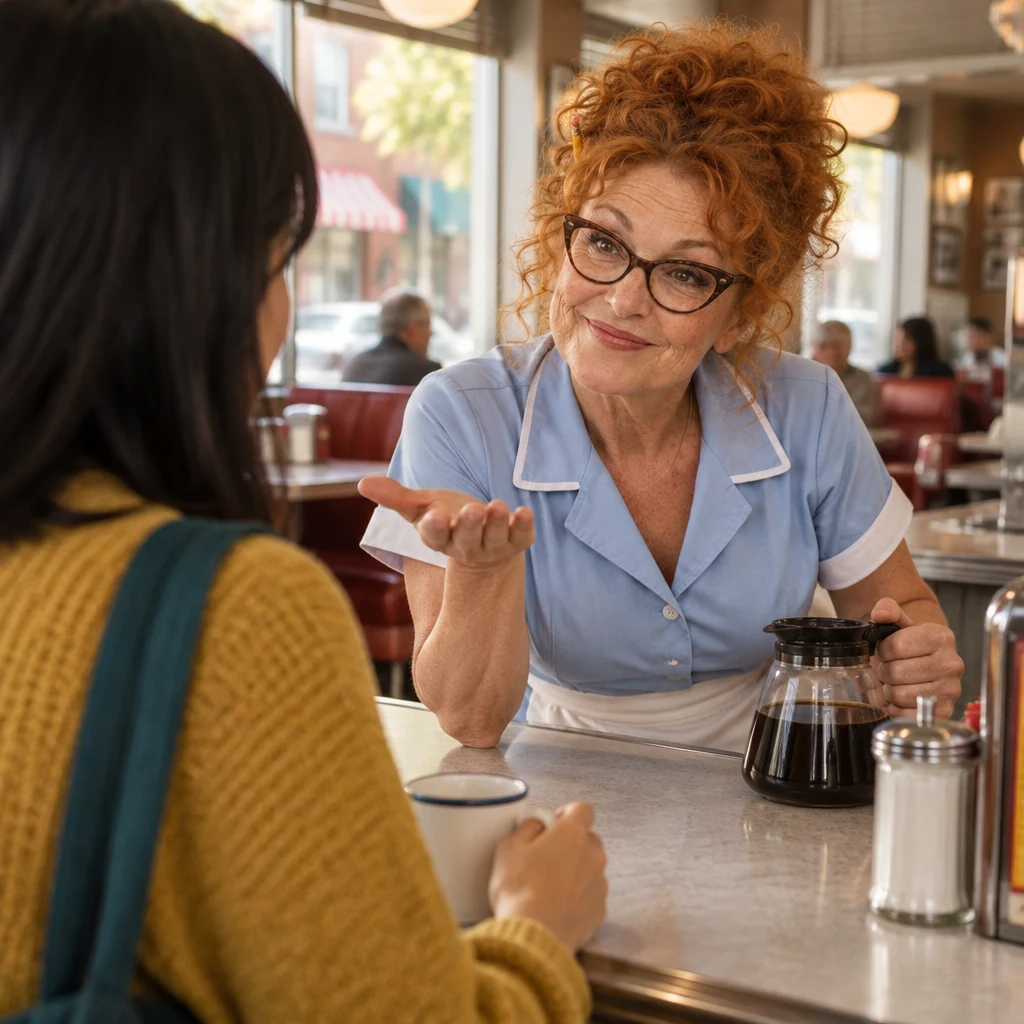
What do you do before ___?
What is your step before this time or action?
When to use it: Ask this to learn the step before an action.
Before names the earlier step, and you fill the blank with a time or action.
Say it: The stress in before is on the last part.
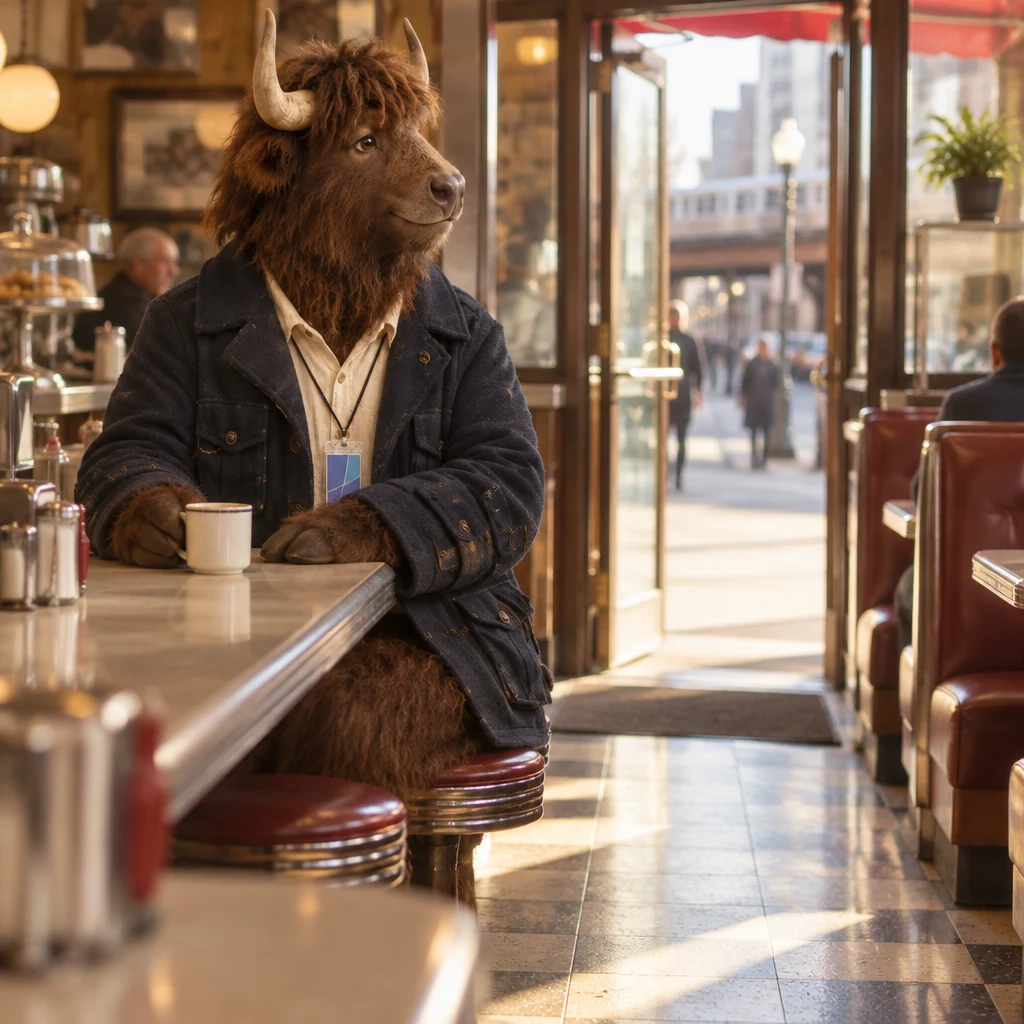
After I eat, I go for a walk.
When the meal is done I walk outside.
When to use it: Say this when a walk comes after a meal.
After comes first in the line, then the next action.

I read before bed.
I read a little, then I sleep.
When to use it: Say this when you read before you go to sleep.
Before bed means you read, then you sleep.
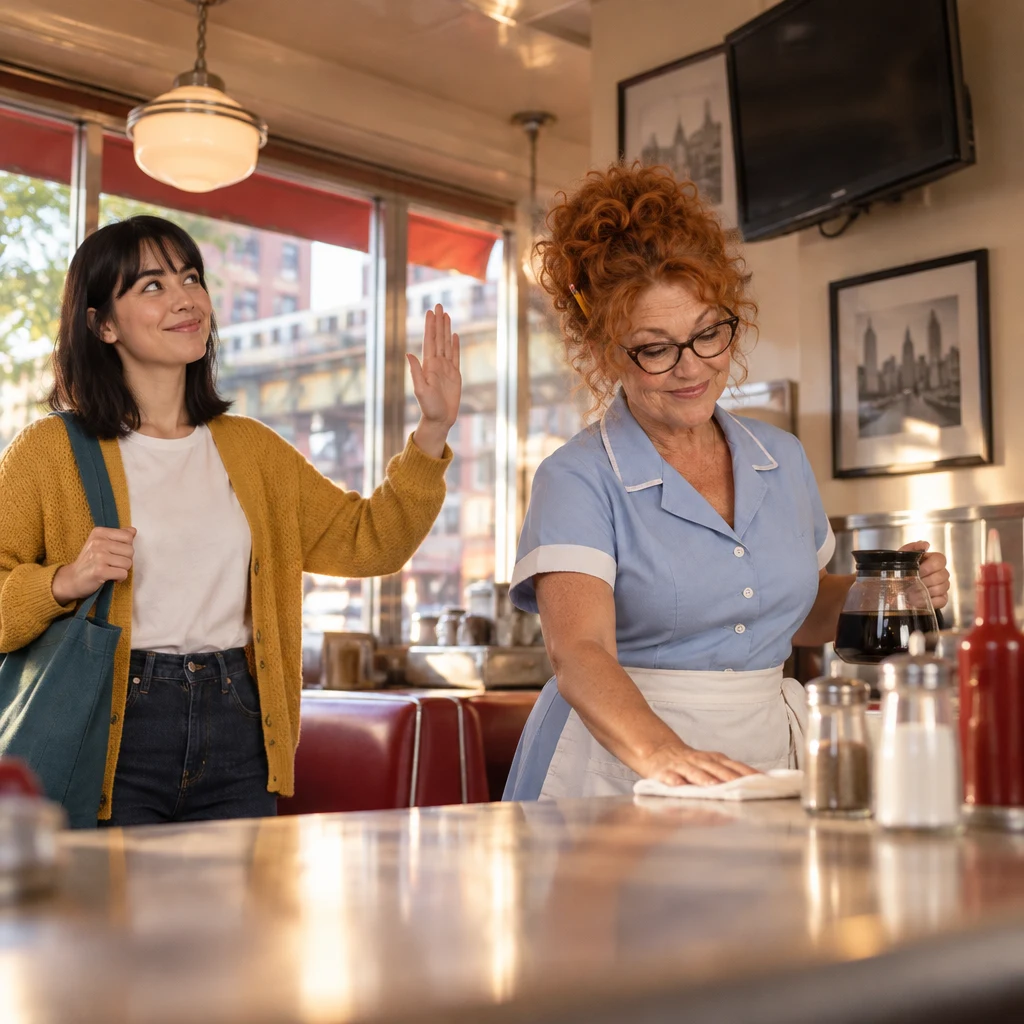
I don't have much time for TV.
Watching TV does not fit in my day.
When to use it: Say this when TV does not fit in your day.
Don't is a contraction, so learn it as one piece.
Say it: Don't is one piece with a strong n.
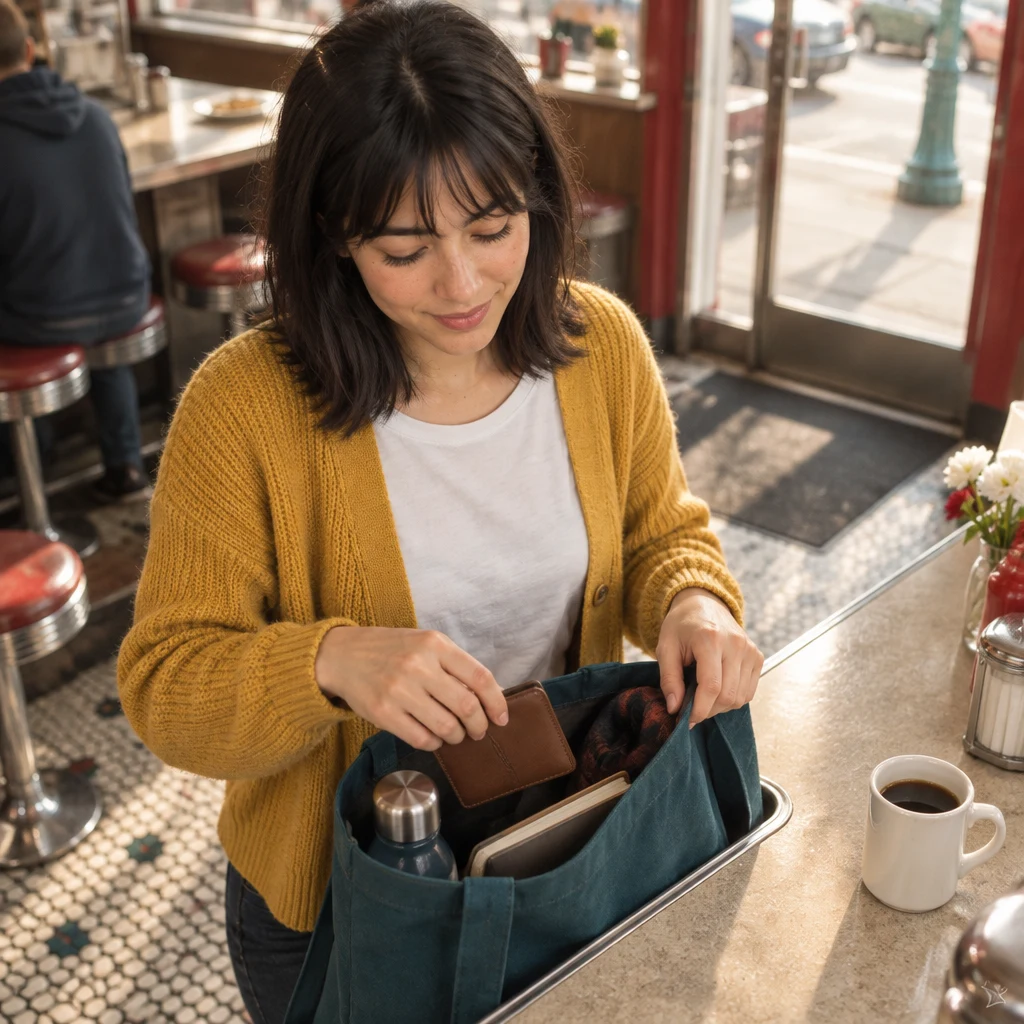
I pack my bag before I leave.
I put things in my bag, then I go out.
When to use it: Say this when packing is the step before you go out.
Before I leave means you pack, then you go out.
Story — she tells the order
Watch Ana try to tell her morning in order. Dee already poured the coffee.
The highlighted words are the lines you just learned.
- Coffee and a menu are already on the counter. Dee looks up.
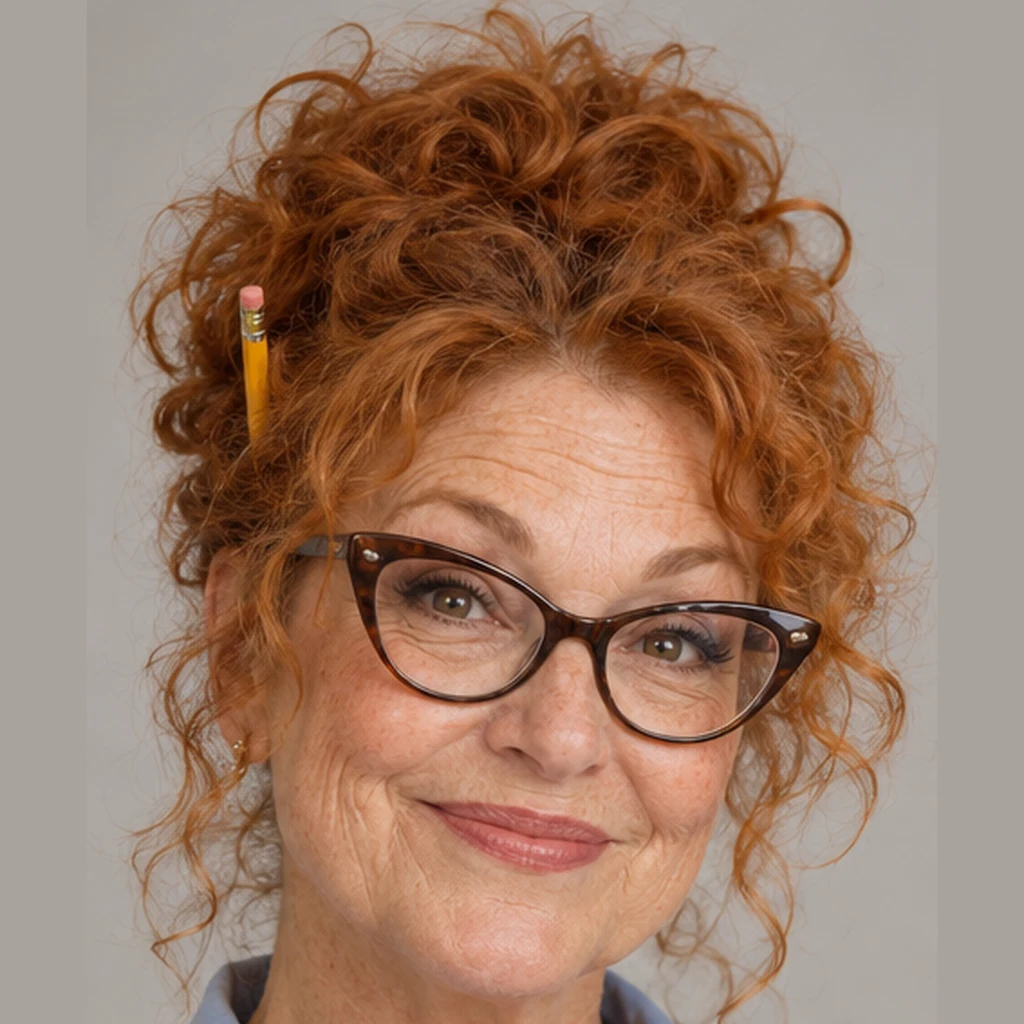 DeeGood morning, hon. Have a seat.A hello before noon, then she asks Ana to sit.
 AnaFirst I take the L, then I come here.She takes the train, then she comes to the diner.
- DeeYou're here now. What do you do before that?She asks for Ana's step before the diner.
- AnaI pack my bag before I leave.I put things in my bag, then I go out.
- Murray looks at his unfinished coffee, then at Ana.
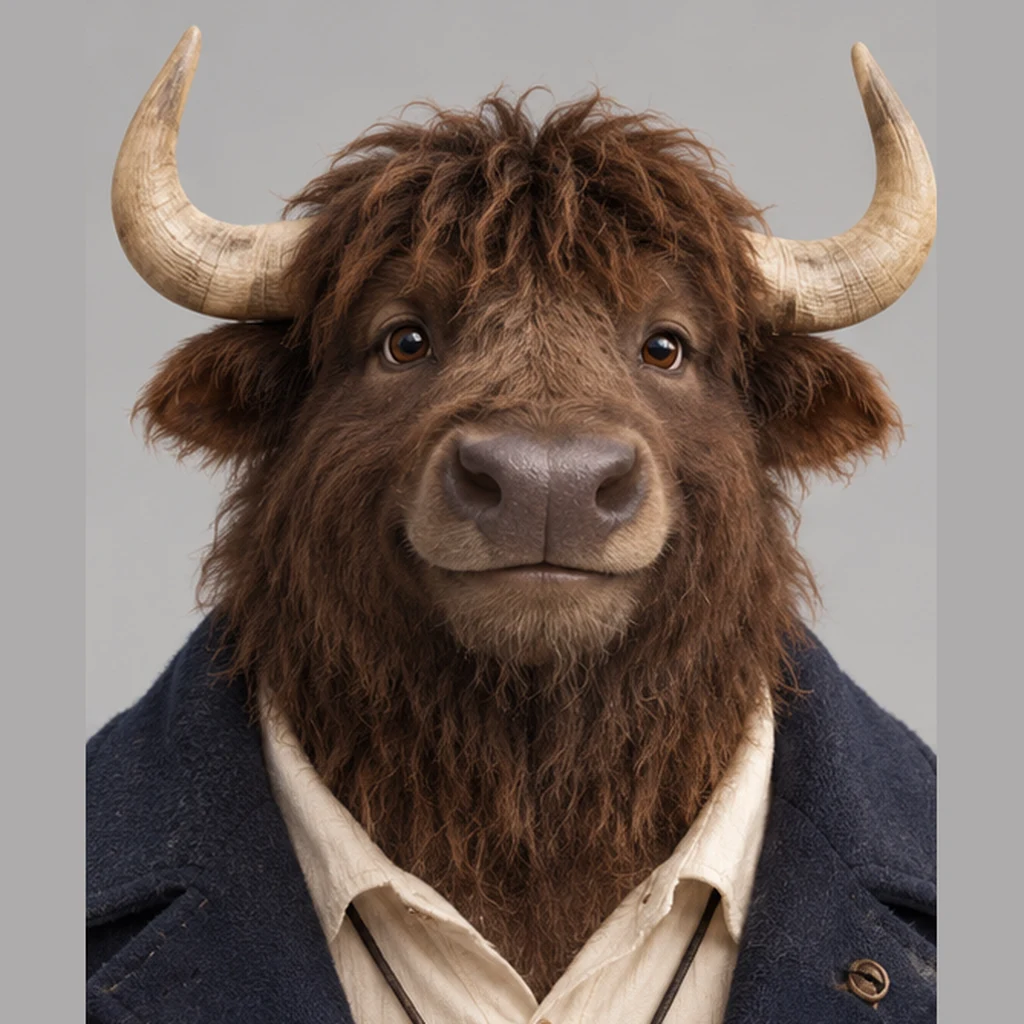 MurrayAfter I eat, I go for a walk.When the meal is done I walk outside.
- AnaI read in front of the bed. Facing it.She thinks before bed means standing by the bed.
- DeeI read before bed, hon. Then you sleep.She names the night step, then sleep, in a kind short way.
- AnaOh. I don't have much time for TV.Watching TV does not fit in her day.
- DeeFirst I pour, then I put the menu down.She names two steps she already finished.
Practice — before or after
Ten quick exercises wait here. You'll listen, pick a reply, fill a gap, and build a line.
They stay short, so you can move fast.
0 of 10 done
What did you hear?
What did you hear?
Match the pairs
English
First I ___, then I ___.Drop the Simple English hereWhat do you do before ___?Drop the Simple English hereAfter I eat, I go for a walk.Drop the Simple English hereI read before bed.Drop the Simple English hereI don't have much time for TV.Drop the Simple English hereSimple English
What do you say?
What do you say?
You take the L, then you walk into the Blue Plate.
What does it mean?
What does it mean?
After I eat, I go for a walk.
Fill the gap
Fill the gap
Watching TV does not fit in my day.
I don't have ____ time for TV.
Build the line
Build the line
I read a little, then I sleep.
.
Tap the words in order.
Pick the reply
Dee says:
Pick the reply
What do you do before you come here?
She asks for your step before the diner.
And you reply with:
Swap the word
Swap the word
The meal is done. Now you walk outside.
____ I eat, I go for a walk.
True or false?
True or false?
This line is a hello after noon.
What do you say?
What do you say?
A guest stands at the diner door. You want them to sit.
Say it — say the steps
Now you're Ana at the counter. When it's your turn, tap the microphone and speak the line.
Tap play first if you want to hear the line. Your recording stays on your device.
- DeeHave a seat, hon. What do you do before work?She asks you to sit, then asks for your step before work.
- Ana (you)You put things in your bag, then you go out.
You put things in your bag, then you go out.
I pack my bag before I leave.
I put things in my bag, then I go out.
0 of 5 said
Recap — what you can say now
| English | Simple English | Play |
|---|---|---|
| First I ___, then I ___. | I do this action, and the next action after it. | |
| What do you do before ___? | What is your step before this time or action? | |
| After I eat, I go for a walk. | When the meal is done I walk outside. | |
| I read before bed. | I read a little, then I sleep. | |
| I don't have much time for TV. | Watching TV does not fit in my day. | |
| I pack my bag before I leave. | I put things in my bag, then I go out. |
Save your progress — it’s free
Keep your place in the course and see which lines you’ve learned.
Want the next lesson in your inbox?
Get the next lesson by email, one a day.
Join the newsletterDaily lesson emails are coming soon. Newsletter subscribers get them first.
Keep practicing with Yak Cards
Want to keep first, then, before, and after handy? Grab the Yak Cards for this lesson and review them anywhere.
A quick round with the Yak Cards each day keeps your order lines ready for the counter.
Open Yak Cards