English Vocabulary
Welcome to the Vocabulary hub for YakYacker’s Learn English guide. If you want words you can actually use today (not “museum vocabulary” you’ll never say out loud), you’re in the right place.
New here? Start with Start Here, then come back and build your word power one topic at a time.
This page is a hub-and-spoke map: pick a topic (food, travel, home, work, feelings…), learn the key words, then jump to the best matching vocabulary article. When you’re ready for sentence building, hop over to Grammar and Phrases. Easy.
Quick Start: Pick A Vocabulary Path
- Everyday Basics (numbers, time, dates, common words)
- People & Feelings (adjectives, family, body, emotions)
- Home & School (rooms, chores, school life)
- Food & Drink (restaurants, snacks, coffee)
- Travel & Places (countries, transportation, signs)
- Work & Business (jobs, business words, office talk)
- Fun & Extra (slang, idioms, holidays, “big words”)
Vocabulary Cards: The Most Useful Topics
Your “Learn Vocabulary” Toolkit (With Meanings + Examples)
These are the learning words you’ll see all the time in English study tips. Learn them once, and every lesson becomes clearer.
| Learning Word | Meaning | Example Sentence |
|---|---|---|
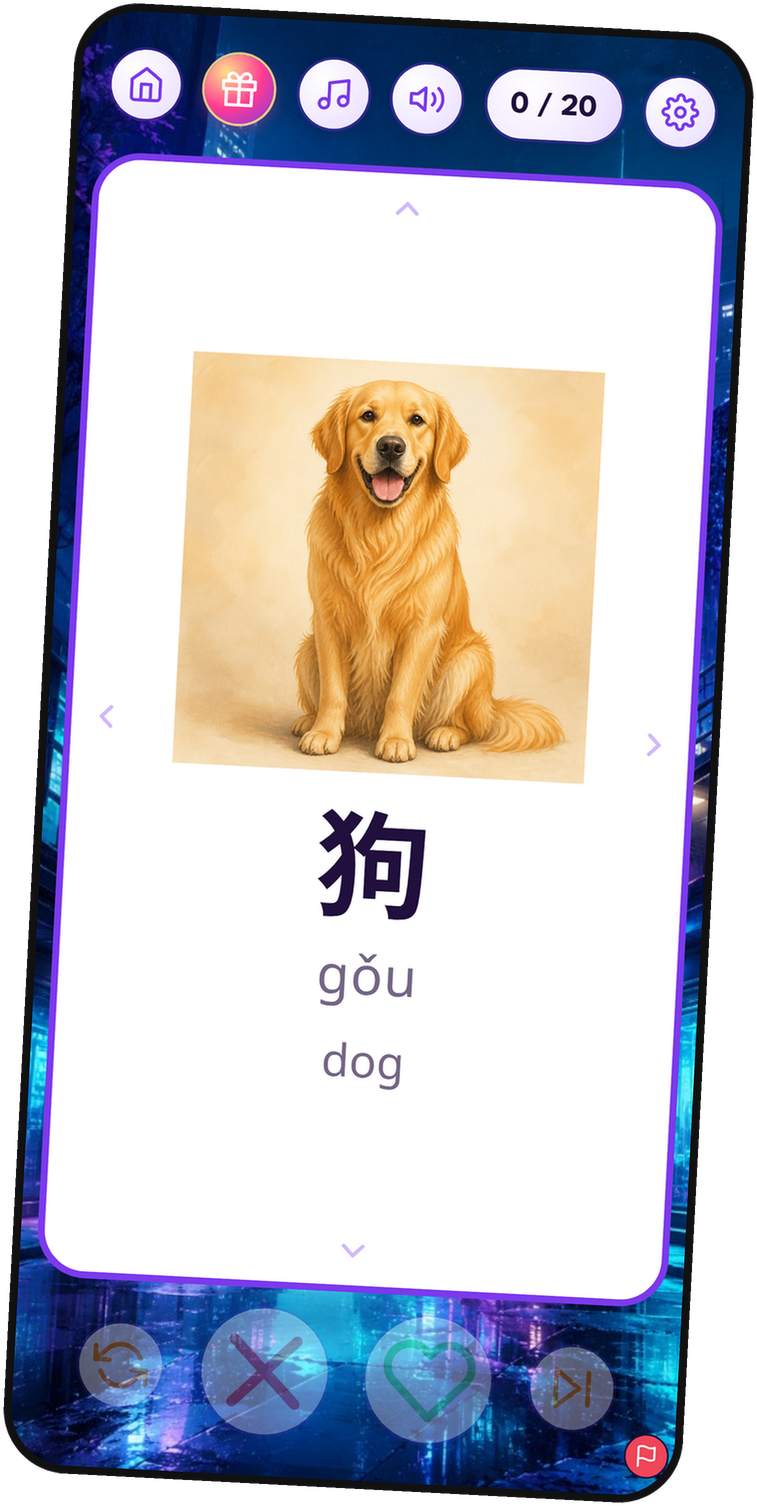
| flashcard | a card (paper or digital) with a word on one side and the meaning on the other | I made a flashcard for “receipt” so I remember it at stores. |
| spaced repetition | reviewing words again and again with increasing time gaps | Spaced repetition helps me remember words for months, not minutes. |
| word family | related words from the same root (help, helpful, helpless) | “Help” and “helpful” are in the same word family. |
| collocation | words that naturally go together (make a decision, heavy rain) | In English you usually say “make a decision,” not “do a decision.” |
| chunk | a small, useful group of words you learn as one unit | I learned “on the way” as a chunk, so I say it smoothly. |
| synonym | a word with a similar meaning | “Big” is a synonym of “large.” |
| antonym | a word with the opposite meaning | “Hot” is an antonym of “cold.” |
| register | how formal or casual your words sound | “Hi” is casual; “Hello” is a bit more formal—different registers. |
| idiom | a common expression whose meaning isn’t literal | “Break the ice” is an idiom meaning to start a friendly conversation. |
| phrasal verb | a verb + particle (up, out, in) that makes a new meaning | “Look up” is a phrasal verb meaning to search for information. |
| slang | very casual words used with friends (not in formal writing) | “That’s sick!” is slang meaning “That’s really cool!” |
| false friend | a word that looks similar to your language but means something different | In Spanish, “embarazada” is a false friend; it means “pregnant,” not “embarrassed.” |
Everyday Basics Vocabulary
If you only learn one “bucket” first, make it this one. These words show up everywhere: schedules, messages, forms, school, work, and daily conversation.
- Most Common English Words by Level (start with your level, not the whole dictionary)
- Basic English Words and Phrases (the “survival kit”)
- Numbers in English (prices, ages, phone numbers)
- Days of the Week in English
- Months of the Year in English
- Seasons in English
- How to Tell Time in English
- How to Write the Date in English + English Date Formats Explained
- English Symbols and Punctuation (tiny marks, big meaning)
Want the big roadmap for the whole site? Go back to the main guide: Learn English.
People, Feelings, And Describing Words
This is where your English starts sounding natural. You stop saying only facts (“I am tired”) and start adding flavor (“I’m totally exhausted”).
- Most Common English Adjectives
- Describe a Person in English
- Compliments in English (nice words that don’t sound weird)
- Cute and Funny Nicknames in English
- Terms of Endearment in English (sweet, not creepy)
- Family Members in English
- Feelings in English (more than “good” and “bad”)
- Body and Face Parts in English
- Hair and Hairstyles in English
- Popular Boy Names in English + Popular Girl Names in English
- Understanding Gender in English (simple, practical language notes)
Home And School Vocabulary
These words make daily life easier: renting an apartment, talking to a teacher, explaining what’s in your house, and surviving chores. (Yes, chores. Sorry.)
Home
Food And Drink Vocabulary
Food vocabulary is high-reward: you practice it constantly, and you get delicious feedback.
- Food Vocabulary in English
- Fruits in English
- Snacks in English
- Condiments in English (the sauce squad)
- English Food and Cuisine (useful culture + food words)
- How to Order Coffee Drinks in English + Coffee Cocktails and Drinks in English
- Beer Vocabulary in English (optional, adult topic)
If you want ready-to-use restaurant sentences (not just words), the Phrases section is your best friend.
Travel, Places, And The Outside World
Travel vocabulary helps you ask for what you need and understand what you see—especially signs, locations, and country words.
- Transportation Vocabulary in English
- Locations, Places, and Buildings in English
- Signs and Signage in English
- Geography and Terrain Vocabulary in English
- English-Speaking Countries
- Countries, Nationalities, and Languages in English
- Where Is the Toilet? (In English) (very practical travel language)
Nature And Animal Vocabulary
Great for kids, hobby learners, and anyone who likes going outside (or watching nature documentaries while staying inside).
- Nature Vocabulary in English
- Habitats Vocabulary in English
- Common Animal Names in English
- Insects in English
- Fish Names in English
Work And Business Vocabulary
This section is beginner-friendly, but it’s also a bridge to intermediate English—especially if you need English for your job.
- Jobs Vocabulary in English
- Business Types in English
- Business English Terms and Phrases
- Work Idioms in English (common office expressions)
- English Phrases to Describe Graphs and Charts (presentations made less painful)
- Common Collocations in English (the secret sauce of “natural” English)
If you’re also working on speaking structure (question forms, tenses, word order), pair this with Grammar and the main Learn English guide.
Fun And Extra Vocabulary (Slang, Idioms, Holidays, Big Words)
This is where English gets spicy. Use it carefully: slang is casual, idioms are common, and “big words” are… honestly optional.
Slang, Idioms, And Modern English
- English Slang (very casual)
- Everyday English Idioms
- Party Idioms (fun, but still real)
- Most Common Phrasal Verbs
- Internet Abbreviations and Meanings
Holidays And Seasonal Words
- Halloween in English
- Merry Christmas and Happy Holidays in English
- Easter in English
- Valentine’s Day in English
- St. Patrick’s Day in English
- Thanksgiving Vocabulary in English
- Happy New Year in English
Want more culture-based learning (songs, stories, jokes)? That’s over in Culture and Fun.
Big Words, Weird Words, And Word Nerd Stuff
- Beautiful and Cool English Words
- Smart Big Words in English (use sparingly)
- Longest English Words + Shortest English Words
- Hardest English Words (don’t start here, seriously)
- How Many Words Are in English? (the answer is: a lot)
- Yak or Yack? (yes, we had to)
Loanwords And “False Friends” (Sneaky Vocabulary Traps)
English steals words from everywhere (politely… and constantly). That’s good news—unless a word looks familiar but means something different.
How To Learn Vocabulary Without Memorizing Like A Robot
- Learn words in topics, not random lists. Use the sections above (home, food, travel, work).
- Learn in chunks: “take a shower,” “do laundry,” “make a reservation.” Whole phrases stick better than single words.
- Use it the same day. If you learn “receipt,” ask for a receipt today.
- Review smart with spaced repetition (a little, often).
Need tools to practice? Head to Resources for dictionaries and apps, or go back to Learn English to follow the full roadmap.
- Best Dictionaries for English Learners
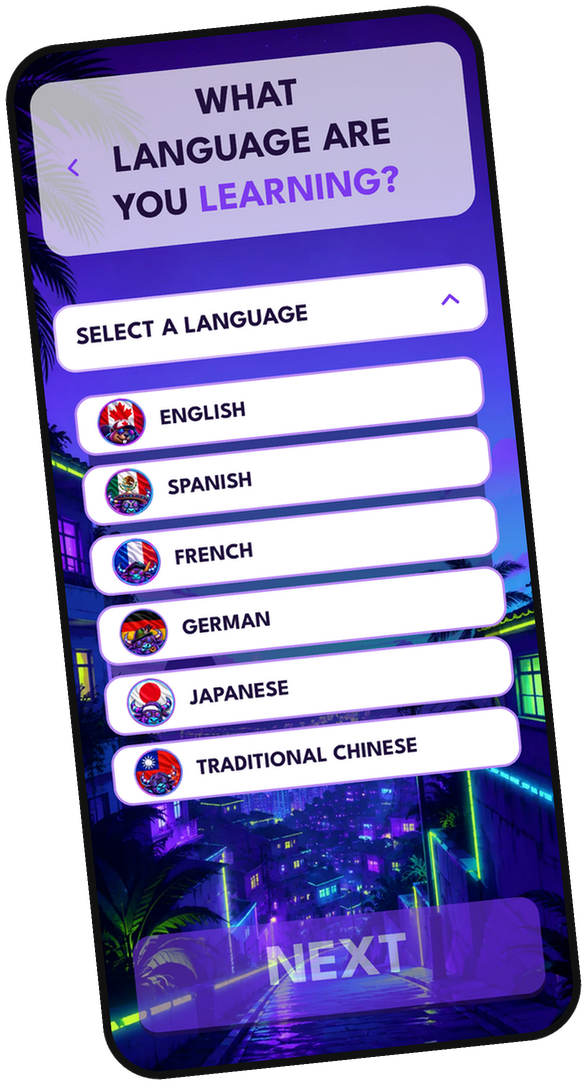
- Best Apps to Learn English
- Best Graded Readers for English (reading = vocabulary steroids)
- How to Practice Reading in English
- How to Practice Writing in English
Explore The Other Learn English Guides
Vocabulary is one piece of the puzzle. These pages link back here, so you can bounce around without getting lost.
- Start Here (your best next step if you feel overwhelmed)
- Grammar (so your vocabulary turns into correct sentences)
- Phrases (ready-to-use conversation chunks)
- Culture and Fun (songs, jokes, stories, and holiday vibes)
- Resources (apps, dictionaries, study helpers)
Quick FAQ: Do I Need To Learn Thousands Of Words?
Nope. Start with the most common words, then add topic vocabulary you actually use. If you’re curious (or procrastinating), see How Many Words Are in English? and then calmly close that tab.
Quick FAQ: Should I Learn Slang?
Learn it to understand it—use it only when you’re confident about the vibe. Start with English Slang, then balance it with everyday basics from Most Common English Words by Level.
Final Yak
Vocabulary isn’t about learning “more words.” It’s about learning the right words for your life—then using them before your brain deletes them like an unused app.
Pick one section above, click one article, and learn 10–20 words you’ll use this week. Then come back tomorrow and repeat. That’s the whole game.