School English is one of those topics that looks simple until you try to say, “Where is the attendance sheet?” or “I need to hand in my assignment before the bell rings.” Suddenly, the classroom turns into a jungle of words. A very organized jungle, yes, but still a jungle.
For the broader learning path, visit our parent guide.
This guide gives you practical school vocabulary in English with simple meanings, pronunciation help, and real example sentences. You will learn words for people, places, subjects, materials, actions, and common phrases you can actually use at school, in class, in emails, and in daily conversations.
If you want to check your level after reading, try the English Vocabulary Test or the English Placement Test CEFR. A little self-check never hurt anyone.
Useful School Words and Phrases
These are the most common school words you will hear in classrooms, offices, and everyday school life. Start with these first.
| English | Pronunciation | Meaning | Example Sentence | Learner Note |
|---|---|---|---|---|
| school | skool | a place where students learn | My sister goes to school by bus. | Common, neutral word. |
| classroom | KLAHS-room | the room where a class meets | Please keep your phone quiet in the classroom. | Use for the physical room. |
| teacher | TEE-cher | a person who teaches students | The teacher explained the lesson clearly. | More general than “professor.” |
| student | STOO-dent | a person who learns at school | Each student needs a notebook. | Common worldwide. |
| lesson | LES-uhn | a period of learning or teaching | Today’s lesson is about past tense. | Can mean one class session or a topic. |
| subject | SUHB-jekt | a school area like math or science | English is my favorite subject. | Do not confuse with “topic.” |
| homework | HOHM-wurk | school work done at home | I have too much homework tonight. | Uncountable noun. |
| assignment | uh-SINE-muhnt | a task given by a teacher | We must submit the assignment on Friday. | Often more formal than “homework.” |
| exam | ig-ZAM | a test of knowledge | The final exam is next week. | Also called “test” in American English. |
| test | test | a short exam or quiz | We had a vocabulary test on Monday. | Very common in American English. |
| quiz | kwiz | a short test, often informal | The teacher gave us a short quiz. | Usually smaller than an exam. |
| grade | GRAYD | a mark or score; also a school year level | I got a good grade on my writing test. | Meaning changes by context. |
| report card | rih-PORT kard | a school paper showing grades | My report card came home today. | Common in U.S. schools. |
| attendance | uh-TEN-dens | the act of being present | The teacher checked attendance first. | Formal school word. |
| attendance sheet | uh-TEN-dens sheet | a list used to mark who is present | Please sign the attendance sheet. | Used in schools and meetings. |
People At School
Schools are full of people with different roles. Knowing these words helps you understand announcements, emails, and conversations fast.
| English | Pronunciation | Meaning | Example Sentence | Learner Note |
|---|---|---|---|---|
| principal | PRIN-suh-puhl | the head of a school | The principal gave a speech at assembly. | Common in U.S. schools. |
| headteacher | HED-TEE-cher | the main school leader | The headteacher visited our classroom. | More common in British English. |
| counselor | KOWN-suh-ler | a person who helps students with personal or school problems | I talked to the school counselor. | British English often uses “counsellor.” |
| librarian | ly-BRAIR-ee-uhn | a person who works in the library | The librarian helped me find a book. | Friendly, useful word. |
| classmate | KLAS-mayt | a person in your class | My classmate sits next to me. | Very common in student life. |
| schoolmate | SKOOL-mayt | a person who goes to the same school as you | She met an old schoolmate at the store. | Less common than “classmate.” |
| substitute teacher | SUHB-stih-toot TEE-cher | a teacher who replaces another teacher temporarily | We had a substitute teacher yesterday. | Often shortened to “sub.” |
| student council | STOO-dent KOWN-suhl | a group of students who help organize school activities | He joined the student council. | Useful in school clubs and leadership. |
| prefect | PREE-fekt | a student leader in some schools | The prefect helped the younger students. | More common in some countries and British-style schools. |
| class president | KLAS PREZ-ih-dent | a student leader for a class | She is the class president this term. | Useful for school elections. |
School Places And Buildings
These words help you talk about where things happen at school. Yes, schools are basically a collection of rooms with endless paperwork attached.
| English | Pronunciation | Meaning | Example Sentence | Learner Note |
|---|---|---|---|---|
| library | LY-brer-ee | a place with books for reading or borrowing | I studied in the library after class. | Quiet place, often used for homework. |
| gym | jim | a place for sports and exercise | We have PE in the gym today. | Short for “gymnasium.” |
| cafeteria | kah-fih-TEER-ee-uh | a school dining area | Let’s meet in the cafeteria at lunch. | Common in American schools. |
| playground | PLAY-grownd | an outdoor area for play | The children ran to the playground. | Common in primary schools. |
| hallway | HAWL-way | a passage inside a building | Do not run in the hallway. | British English often says “corridor.” |
| auditorium | aw-di-TOH-ree-um | a large room for events or performances | The assembly was held in the auditorium. | Formal school setting word. |
| science lab | SY-uhns lab | a room for science experiments | We wore safety glasses in the science lab. | Often shortened to “lab.” |
| computer lab | kuhm-PYOO-ter lab | a room with computers for learning | Our English class met in the computer lab. | May also be called “ICT room” in some schools. |
| office | AW-fis | a room where school staff work | Go to the office for your schedule. | Often means the main school office. |
| locker | LAH-ker | a small storage space for a student | I left my jacket in my locker. | Common in many U.S. schools. |
School Supplies And Materials
These are the things students use every day. Some are simple, some are the kind of thing you suddenly lose right before class. Naturally.
| English | Pronunciation | Meaning | Example Sentence | Learner Note |
|---|---|---|---|---|
| notebook | NOHT-book | a book for writing notes | Please bring your notebook to class. | Very common school word. |
| textbook | TEKST-book | a book used for study in a subject | Open your textbook to page 20. | Used for formal study. |
| pencil | PEN-suhl | a writing tool with graphite | Do you have a pencil? | Basic school word. |
| pen | pen | a writing tool with ink | She wrote the answer in pen. | Good to know with “in pen” vs “in pencil.” |
| eraser | ih-RAY-ser | a tool used to remove pencil marks | I need an eraser for this mistake. | British English often says “rubber.” |
| ruler | ROO-ler | a tool for drawing straight lines or measuring | Use a ruler to draw a line. | Also means a king or leader, so context matters. |
| backpack | BAK-pak | a bag worn on the back | My backpack is heavy today. | British English often says “rucksack.” |
| folder | FOHL-der | a cover for holding papers | Put the handout in your folder. | Useful for organization. |
| calculator | KAL-kyuh-lay-ter | a device for math calculations | You may use a calculator on this test. | Common in math class. |
| highlighter | HY-lay-ter | a marker used to mark important text | I highlighted the key words in yellow. | Useful study tool. |
| handout | HAND-out | a paper given by a teacher | The teacher gave us a handout about the project. | Very common classroom word. |
School Actions And Instructions
These verbs and phrases help you follow classroom instructions and talk about school tasks clearly.
| English | Pronunciation | Meaning | Example Sentence | Learner Note |
|---|---|---|---|---|
| study | STUH-dee | to learn or review | I study English every night. | Very common verb. |
| review | rih-VYOO | to look at something again to learn or remember it | We reviewed the lesson before the quiz. | Useful for test prep. |
| memorize | MEM-uh-ryze | to learn by heart | I need to memorize these vocabulary words. | Common with lists and spelling. |
| practice | PRAK-tis | to do something repeatedly to improve | She practices speaking every day. | American English noun and verb spelling are the same. |
| write down | RYT down | to record in writing | Please write down the homework. | Very common phrasal verb. |
| hand in | HAND in | to give work to a teacher | You must hand in your essay tomorrow. | British English often uses this; U.S. also uses “turn in.” |
| turn in | TURN in | to submit work | Students should turn in their projects by Friday. | Very common in American English. |
| take notes | TAYK nohts | to write important information | I take notes during every lesson. | Strong study habit. |
| ask a question | ASK uh KWES-chun | to request information | Feel free to ask a question. | Polite and useful in class. |
| raise your hand | RAYZ yor hand | to lift your hand to speak or answer | Raise your hand if you know the answer. | Classic classroom instruction. |
| pay attention | PAY uh-TEN-shun | to focus on what is happening | Please pay attention to the directions. | Very common warning or request. |
| participate | par-TIS-ih-payt | to take part in an activity | Students should participate in group work. | More formal than “join in.” |
Subjects You Hear At School
School subjects are some of the first words learners need. They also show up in schedules, report cards, and “what do you study?” small talk.
| English | Pronunciation | Meaning | Example Sentence | Learner Note |
|---|---|---|---|---|
| English | ING-glish | the language and subject | We have English class after lunch. | Capitalized as a language name. |
| math | math | the study of numbers and calculations | Math is hard for some students. | American English; British English often says “maths.” |
| science | SY-uhns | the study of the natural world | Science includes biology and chemistry. | General subject word. |
| history | HIS-tuh-ree | the study of the past | We learned about ancient history. | Common school subject. |
| geography | jee-AH-gruh-fee | the study of places and the earth | Geography helps us understand maps. | Strong stress on “AH.” |
| art | art | the subject of drawing, painting, and creative work | Art class is on Tuesday. | Can also mean creative work in general. |
| music | MYOO-zik | the subject of singing, instruments, and rhythm | We practice songs in music class. | Simple and common. |
| physical education | FIZ-ih-kuhl ed-yoo-KAY-shun | school sports and exercise class | Physical education is required at my school. | Often shortened to “PE.” |
| PE | pee-ee | physical education | We have PE on Friday. | Very common abbreviation. |
| computer science | kuhm-PYOO-ter SY-uhns | the study of computers and programming | He wants to study computer science. | Common in secondary school and college. |
| literature | LIT-er-uh-cher | writing, especially important books and texts | We read a short story in literature class. | More advanced school subject. |
Common School Phrases You Will Hear
These phrases show up all the time in schools. Learn them as chunks, not as separate words. Your brain will thank you. Probably.
| English | Pronunciation | Meaning | Example Sentence | Learner Note |
|---|---|---|---|---|
| open your book | OH-puhn yor book | start reading from the book | Open your book to page 15. | Very common classroom instruction. |
| close your book | KLOHZ yor book | stop reading and shut the book | Close your book and listen. | Simple opposite of “open your book.” |
| work in pairs | WURK in pairz | do an activity with one partner | Please work in pairs and discuss the answer. | Common in speaking activities. |
| work in groups | WURK in groops | do an activity with several people | We worked in groups on the project. | Useful for class projects. |
| line up | LYN up | stand in a line | The students lined up before class. | Common for younger students too. |
| sit down | SIT down | take a seat | Please sit down quietly. | Very common instruction. |
| stand up | STAND up | rise to your feet | The class stood up for the visitor. | Also used in daily life. |
| listen carefully | LIS-uhn KAIR-ful-ee | pay close attention to what is said | Listen carefully to the directions. | Useful in school and work. |
| submit an assignment | sub-MIT an uh-SINE-muhnt | turn in school work | Students must submit the assignment online. | More formal than “hand in.” |
| take a break | TAYK uh brayk | rest for a short time | Let’s take a break after this lesson. | Common in class and study sessions. |
| late for class | layt for klas | arriving after class begins | He was late for class again. | Very common complaint. |
| on time | on tym | not late | Please be on time tomorrow. | Important school and life phrase. |
| uniform policy | YOO-nih-form PAH-lih-see | rules about school uniforms | The school has a strict uniform policy. | Common in many countries. |
| school rules | skool roolz | the rules students must follow | Students should follow school rules. | Neutral, useful phrase. |
Actions And School Life Phrases
Here are more natural phrases for real school situations: talking about schedules, exams, homework, clubs, and daily routines.
| English | Pronunciation | Meaning | Example Sentence | Learner Note |
|---|---|---|---|---|
| have a class | hav uh klas | to attend a class | I have a class at 9 a.m. | Very natural phrase. |
| miss class | mis klas | not attend class | He missed class because he was sick. | Common and useful. |
| catch up on work | KATCH up on wurk | do work you missed | I need to catch up on my homework. | Very useful phrasal phrase. |
| make up a test | MAYK up uh test | take a test later because you missed it | She will make up the test next week. | School-specific phrase. |
| study for an exam | STUH-dee for an ig-ZAM | prepare for a test | I need to study for an exam tonight. | Very common collocation. |
| pass a test | pas uh test | get a good enough score | She passed the test easily. | Opposite: fail a test. |
| fail a test | fayl uh test | not get a passing score | He failed the test, but he will try again. | Can sound harsh, so be careful with tone. |
| get good grades | get good graydz | score well at school | She gets good grades in science. | Very common phrase. |
| do well in school | doo wel in skool | perform successfully at school | He does well in school because he studies every day. | Natural and positive. |
| join a club | joyn uh klub | become a member of a school club | I joined the drama club. | Good for extracurricular activities. |
| school trip | skool trip | an organized trip by the school | We went on a school trip to a museum. | Common phrase. |
| field trip | FEELD trip | a trip for learning outside school | The class went on a field trip to the zoo. | Very common in American English. |
| class schedule | klas SKED-jool | the list of classes and times | My class schedule is very busy. | British English often says “timetable.” |
| school year | skool yeer | the academic year | The school year starts in September. | Important calendar phrase. |
| semester | suh-MES-ter | one half of a school year | The semester ends in December. | Common in many schools and colleges. |
| term | term | a period in the school year | We have a new term after the break. | More common in British English. |
School Vocabulary For Communication And Behavior
These words are useful when you talk about classroom behavior, school communication, and polite interaction. They are also great for school emails and messages.
| English | Pronunciation | Meaning | Example Sentence | Learner Note |
|---|---|---|---|---|
| quiet | KWY-it | not loud | Please be quiet during the test. | Very common classroom word. |
| loud | lowd | making a lot of noise | The hallway is too loud. | Opposite of “quiet.” |
| polite | puh-LYT | kind and respectful | It is polite to raise your hand. | Good behavior word. |
| respectful | rih-SPEKT-fuhl | showing respect | Be respectful to your classmates. | Often used in school rules. |
| behavior | bih-HAY-vyer | the way someone acts | Good behavior is important in class. | British English often spells “behaviour.” |
| rule | rool | an instruction about what you may or may not do | The school rule says no phones in class. | Basic school word. |
| warning | WOR-ning | notice that something is wrong or may happen | The student got a warning for talking too much. | Can sound serious. |
| permission | per-MISH-uhn | official approval to do something | You need permission to leave early. | Very useful formal word. |
| absence | AB-sens | the fact of not being present | His absence was noted by the teacher. | Common in school records. |
| absent | AB-sent | not present | She was absent yesterday. | Adjective form of “absence.” |
| present | PREZ-uhnt | there, attending | All students were present today. | Opposite of “absent.” |
| late note | layt noht | a note explaining lateness | He brought a late note from his parent. | Used in school attendance systems. |
Common School Sentences
Now let’s see the vocabulary in full sentences. This is where the words become useful, not just decoration in a notebook.
- I have math class first thing in the morning.
- The teacher wrote the homework on the board.
- Please turn in your assignment before Friday.
- We had a pop quiz in English today.
- The principal called an assembly for all students.
- My backpack is full of books and notebooks.
- She takes notes carefully during every lesson.
- We work in groups for the science project.
- He is absent because he has a fever.
- The library is quiet, so I can study there.
- I need to review my vocabulary before the test.
- Our school trip was fun and educational.
- The cafeteria serves lunch at 12:30.
- My classmate helped me with the reading.
- The teacher asked us to raise our hands.
- We have PE after lunch.
- I forgot my ruler, so I borrowed one from a friend.
- She wants to join the student council.
- The school year starts in August.
- I did well on the exam because I studied a lot.
Quick Comparison: American And British School Words
English changes a little depending on the country. Schools are no exception. Same idea, different words. Classic English behavior.
| American English | British English | Meaning | Example |
|---|---|---|---|
| math | maths | the subject about numbers | I’m good at math / maths. |
| fall break | autumn holiday | a break in the school year | We have a break in the fall / autumn. |
| cafeteria | canteen | school dining area | Lunch is in the cafeteria / canteen. |
| hallway | corridor | a passage in a school | Students walked down the hallway / corridor. |
| schedule | timetable | list of classes and times | Check your schedule / timetable. |
| vacation | holiday | time off from school | School starts after vacation / holiday. |
| report card | report | a school record of grades | We got our report card / report today. |
Useful Learner Notes
- Homework is usually uncountable. Say “much homework,” not “many homeworks.”
- Subject is the school area, like math or history. It is not the same as “topic.”
- Test and exam are often similar, but “exam” usually sounds more formal or more important.
- Hand in and turn in both mean submit work. “Turn in” is very common in American English.
- PE is a very common abbreviation for physical education.
- Absent means not present. If you are in class, you are present.
- Classmate means someone in your class. Schoolmate means someone from the same school, but it is less common.
- Math is usually singular in American English. British English often uses maths.
Mini Practice
Try these quick exercises. Small practice, big payoff. Annoyingly effective.
1) Fill In The Blank
- Please ______ your book to page 10. (open / close)
- I need to ______ in my assignment tomorrow. (hand / sit)
- The ______ helped me find a book. (librarian / locker)
- We have ______ class after lunch. (PE / homework)
- She was ______ yesterday, so the teacher called her parents. (absent / present)
2) Choose The Best Word
- A place to read books: library / cafeteria
- A short test: quiz / backpack
- The head of the school: principal / ruler
- A school bag: locker / backpack
- A school task to do at home: homework / hallway
3) Fix The Sentence
- He have homework every day. → He has homework every day.
- I need many homeworks tonight. → I need much homework tonight.
- She is in the school library for do homework. → She is in the school library to do homework.
- The teacher ask us to sit down. → The teacher asks us to sit down.
- We turn off our assignment tomorrow. → We turn in our assignment tomorrow.
Extra School Vocabulary: More Words You Will Hear
Here is a larger set of useful school words to help you reach the “I can talk about school without panic” stage.
| English | Pronunciation | Meaning | Example Sentence | Learner Note |
|---|---|---|---|---|
| board | bord | the writing surface in class | The teacher wrote on the board. | Could mean blackboard or whiteboard. |
| whiteboard | WYT-bord | a white writing board | Please clean the whiteboard after class. | Very common in modern classrooms. |
| blackboard | BLAK-bord | a dark board used for writing with chalk | Old classrooms had blackboards. | Still used in some places. |
| chalk | chawk | a soft white or colored writing stick | The teacher wrote with chalk. | Usually used on blackboards. |
| marker | MAR-ker | a pen used for writing on boards | Use a red marker for the title. | Common with whiteboards. |
| desk | desk | a table used for studying or writing | Put your books on your desk. | Basic classroom object. |
| chair | chair | a seat with a back | Please pull up your chair. | Every classroom has them. |
| seat | seet | a place to sit | Take your seat, please. | Polite classroom phrase. |
| bell | bel | a sound that marks the start or end of class | The bell rang at 3:00. | Very common school word. |
| tardy | TAR-dee | late for school or class | He was tardy this morning. | Common in American school systems. |
| detention | dih-TEN-shun | punishment that keeps a student after school | He got detention for talking in class. | School discipline word. |
| assembly | uh-SEM-blee | a large school meeting | We had an assembly in the gym. | Useful formal school term. |
| enrollment | en-ROHL-ment | the act of joining a school | Enrollment begins next month. | Formal administrative word. |
| registration | rej-uh-STRAY-shun | the process of signing up | Registration for classes is online. | Common in school offices. |
| semester break | suh-MES-ter brayk | a break between semesters | We traveled during semester break. | Also called “term break” in some countries. |
| graduation | graj-oo-AY-shun | the ceremony when students finish school | Her graduation is in June. | Important life event word. |
Quick Reference Summary
- People: teacher, student, principal, librarian, classmate
- Places: classroom, library, gym, cafeteria, office, auditorium
- Supplies: notebook, textbook, pencil, pen, backpack, ruler, calculator
- Actions: study, review, memorize, practice, write down, take notes, hand in
- Subjects: math, science, English, history, geography, art, music, PE
- Phrases: raise your hand, pay attention, work in groups, on time, late for class
- School life: schedule, semester, school year, report card, attendance, assembly
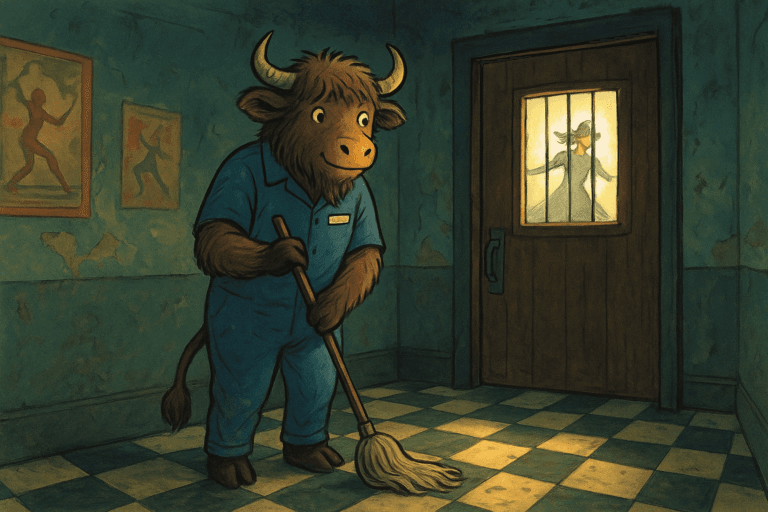
Yak takeaway: if you can talk about people, places, supplies, subjects, and common classroom actions, you can handle most school conversations in English without sweating through your backpack.
Want to keep going? Review the words again, say the example sentences out loud, and practice using 5 or 10 phrases in your own school story. That is how vocabulary stops being “something you studied” and starts becoming language you can actually use.