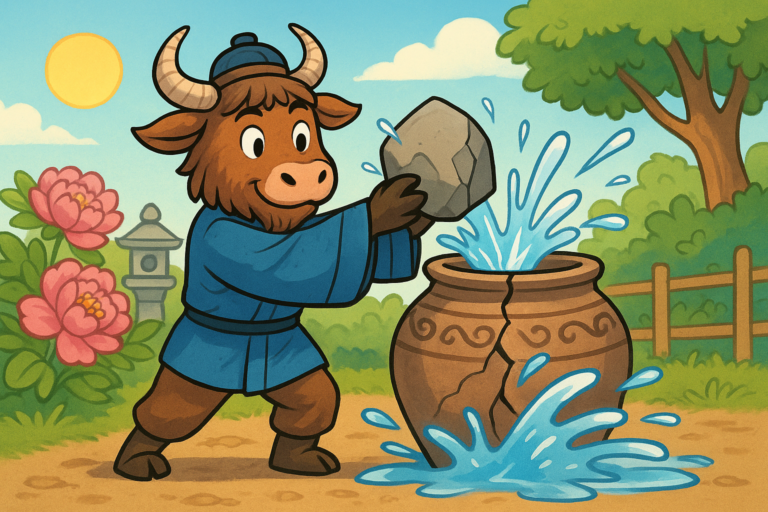
成語(chéng yǔ)are the little power-ups of Mandarin. Four characters, often a long history, and just enough dramatic flair to make ordinary speech feel smarter than it has any right to be. If you hear one in a conversation, congrats: you have officially entered the “real Chinese” zone.
For the broader learning path, visit our parent guide.
In Taiwan, people use 成語 in school, writing, speeches, and everyday conversation. Not every sentence needs one, of course. That would be exhausting. But the most common idioms show up everywhere, from newspapers to casual chat to exam questions like the TOCFL placement test.
By the end of this article, you will understand the most useful Chinese idioms, what they mean, how to use them naturally, and why they are so beloved by teachers, test makers, and people who enjoy sounding mildly clever.
What Is A 成語?
成語(chéng yǔ)means “idiom” or “set phrase.” Most 成語 are made of four Chinese characters, and many come from classical literature, history, or old stories. They are compact, elegant, and sometimes annoyingly indirect. Mandarin loves a shortcut with a backstory.
Some 成語 are used often in speech. Others are more literary. The really essential ones are worth learning first because they appear in reading passages, formal writing, and normal conversation too.
Tip: 成語 are not just “fancy vocabulary.” They often carry a whole scene, attitude, or judgment in one tiny package. That is a very Chinese kind of efficiency.
Essential 成語 You Will Hear A Lot
Here are some of the most popular and useful idioms. These are the ones worth learning first if you want real-life Mandarin, not just dictionary decoration.
| 成語 | Pinyin | Meaning | Example (ZH) | Example (Pinyin) | Translation (EN) |
|---|---|---|---|---|---|
| 百聞不如一見 | bǎi wén bù rú yī jiàn | Hearing a hundred times is not as good as seeing once; seeing is believing | 這個地方真的很漂亮,百聞不如一見。 | Zhège dìfāng zhēn de hěn piàoliang, bǎi wén bù rú yī jiàn. | This place is really beautiful; seeing is believing. |
| 一石二鳥 | yì shí èr niǎo | Kill two birds with one stone | 搭捷運去上班,一石二鳥,省錢又省時間。 | Dā jiéyùn qù shàngbān, yì shí èr niǎo, shěngqián yòu shěng shíjiān. | Taking the MRT to work kills two birds with one stone: it saves money and time. |
| 畫蛇添足 | huà shé tiān zú | To overdo it; to spoil something by adding unnecessary details | 這篇文章已經很好了,不要再畫蛇添足。 | Zhè piān wénzhāng yǐjīng hěn hǎo le, bú yào zài huà shé tiān zú. | This article is already good. Don’t overdo it. |
| 守株待兔 | shǒu zhū dài tù | To wait passively for luck; to expect results without effort | 只想靠運氣考過,根本是守株待兔。 | Zhǐ xiǎng kào yùnqì kǎo guò, gēnběn shì shǒu zhū dài tù. | Thinking you can pass just by luck is basically waiting by a tree for a rabbit. |
| 亡羊補牢 | wáng yáng bǔ láo | Better late than never; fix the problem after it happens | 現在開始學成語,亡羊補牢還不晚。 | Xiànzài kāishǐ xué chéngyǔ, wáng yáng bǔ láo hái bù wǎn. | Starting to learn idioms now is still not too late. |
| 井底之蛙 | jǐng dǐ zhī wā | A frog at the bottom of a well; a narrow-minded person | 多看看世界,不要做井底之蛙。 | Duō kàn kàn shìjiè, bú yào zuò jǐng dǐ zhī wā. | See more of the world. Don’t be narrow-minded. |
| 對牛彈琴 | duì niú tán qín | To play music to a cow; to talk to the wrong audience | 跟不想學的人解釋規則,簡直是對牛彈琴。 | Gēn bù xiǎng xué de rén jiěshì guīzé, jiǎnzhí shì duì niú tán qín. | Explaining rules to someone who does not want to learn is like playing music to a cow. |
| 半途而廢 | bàn tú ér fèi | To give up halfway | 學中文最怕半途而廢。 | Xué Zhōngwén zuì pà bàn tú ér fèi. | The worst thing when learning Chinese is giving up halfway. |
| 事半功倍 | shì bàn gōng bèi | Half the effort, double the result | 每天複習十分鐘,效果常常事半功倍。 | Мěitiān fùxí shí fēnzhōng, xiàoguǒ chángcháng shì bàn gōng bèi. | Reviewing for ten minutes every day often gives great results. |
| 心想事成 | xīn xiǎng shì chéng | May all your wishes come true | 祝你考試順利,心想事成。 | Zhù nǐ kǎoshì shùnlì, xīn xiǎng shì chéng. | Wishing you good luck on the exam. May all your wishes come true. |
| 一帆風順 | yì fān fēng shùn | Smooth sailing; everything goes well | 希望你的新工作一帆風順。 | Xīwàng nǐ de xīn gōngzuò yì fān fēng shùn. | I hope your new job goes smoothly. |
More High-Frequency Idioms For Everyday Mandarin
These are also common, especially in reading, conversation, and practical writing. Some are a little more formal, but still useful.
| 成語 | Pinyin | Meaning | Example (ZH) | Example (Pinyin) | Translation (EN) |
|---|---|---|---|---|---|
| 雪中送炭 | xuě zhōng sòng tàn | To give timely help in difficult times | 朋友在我最忙的時候幫忙,真是雪中送炭。 | Péngyǒu zài wǒ zuì máng de shíhòu bāngmáng, zhēn shì xuě zhōng sòng tàn. | My friend helped when I was busiest. That was timely help. |
| 杯弓蛇影 | bēi gōng shé yǐng | To be overly suspicious; to imagine threats | 別杯弓蛇影了,他只是沒回訊息。 | Bié bēi gōng shé yǐng le, tā zhǐshì méi huí xùnxí. | Don’t be paranoid. He just did not reply to the message. |
| 迎刃而解 | yíng rèn ér jiě | To be solved smoothly and easily | 搞懂文法之後,很多問題就迎刃而解了。 | Gǎodǒng wénfǎ zhīhòu, hěn duō wèntí jiù yíng rèn ér jiě le. | After understanding the grammar, many problems were solved easily. |
| 迫不及待 | pò bù jí dài | Can’t wait | 我迫不及待想去台南吃小吃。 | Wǒ pò bù jí dài xiǎng qù Táinán chī xiǎochī. | I can’t wait to go to Tainan and eat snacks. |
| 差強人意 | chā qiáng rén yì | Somewhat satisfactory; not perfect, but acceptable | 這次成績差強人意,還要再加油。 | Zhè cì chéngjī chā qiáng rén yì, hái yào zài jiāyóu. | This time the results were okay, but I still need to work harder. |
| 大同小異 | dà tóng xiǎo yì | Broadly the same; similar overall | 這兩家店的價格大同小異。 | Zhè liǎng jiā diàn de jiàgé dà tóng xiǎo yì. | The prices at these two stores are basically the same. |
| 如魚得水 | rú yú dé shuǐ | Like a fish in water; very comfortable | 她到了台北工作後,整個人如魚得水。 | Tā dào le Táiběi gōngzuò hòu, zhěnggè rén rú yú dé shuǐ. | After she started working in Taipei, she felt completely at ease. |
| 刻不容緩 | kè bù róng huǎn | Urgent; without a moment to spare | 考前複習是刻不容緩的事。 | Kǎoqián fùxí shì kè bù róng huǎn de shì. | Reviewing before the exam is urgent. |
How To Use 成語 Naturally
Here is the simple rule: do not stuff 成語 into every sentence like glitter on a school project. Use them when they fit the tone.
| Pattern | Meaning | Example (ZH) | Pinyin | English |
|---|---|---|---|---|
| 成語 + 了 | Shows a completed situation | 問題終於迎刃而解了。 | Wèntí zhōngyú yíng rèn ér jiě le. | The problem was finally solved easily. |
| 成語 + 的 + noun | Modifies a noun | 一帆風順的旅程 | yì fān fēng shùn de lǚchéng | a smooth journey |
| 用成語來評論 | Use the idiom as a judgment or summary | 他這樣做真是畫蛇添足。 | Tā zhèyàng zuò zhēn shì huà shé tiān zú. | What he did was really unnecessary overkill. |
| 祝福語 | Used in greetings, wishes, or cards | 祝你心想事成。 | Zhù nǐ xīn xiǎng shì chéng. | Wish you all your wishes come true. |
Many 成語 are a bit formal. In casual speech, people may still use them, but not every second sentence. If someone drops three idioms in one breath, yes, they are probably showing off a little. Mandarin has drama, but it also has limits.
Pronunciation And Meaning Notes
Some idioms are easy to misunderstand because the literal meaning is very different from the real meaning. That is normal. Idioms are sneaky like that.
| 成語 | Literal Idea | Real Meaning | Common Mistake |
|---|---|---|---|
| 守株待兔 | Guard a tree stump and wait for a rabbit | Wait passively for luck | Thinking it literally means “waiting for rabbits” in a cute way. It does not. It means “lazy planning.” |
| 對牛彈琴 | Play a zither to a cow | Talk to the wrong audience | Using it to mean “the other person is stupid.” It is more about mismatch than pure insult. |
| 畫蛇添足 | Add feet to a snake drawing | Make something worse by adding extra stuff | Using it for any kind of extra detail. The idea is unnecessary, pointless addition. |
| 百聞不如一見 | Hearing a hundred times is not as good as seeing once | Seeing is believing | Forgetting that it often sounds like a thoughtful comment, not just a slogan. |
Also watch tone and rhythm. Many 成語 sound neat because they are balanced. That balance is part of why they stick in your head. Convenient, right? Almost suspiciously convenient.
Real-Life Situations You Can Use Right Away
Here are a few everyday scenarios where idioms fit naturally in Taiwan-style Mandarin.
| Situation | Useful 成語 | Example (ZH) | Pinyin | English |
|---|---|---|---|---|
| Studying for an exam | 事半功倍 | 用對方法,真的可以事半功倍。 | Yòng duì fāngfǎ, zhēn de kěyǐ shì bàn gōng bèi. | Using the right method really can give double the result for half the effort. |
| Helping a friend in trouble | 雪中送炭 | 你這時候幫我,真的是雪中送炭。 | Nǐ zhè shíhòu bāng wǒ, zhēn de shì xuě zhōng sòng tàn. | Helping me now is truly timely help. |
| Giving advice | 亡羊補牢 | 現在改還來得及,亡羊補牢嘛。 | Xiànzài gǎi hái lái de jí, wáng yáng bǔ láo ma. | It is still time to fix it now. Better late than never. |
| Warning against laziness | 守株待兔 | 不要老想守株待兔,還是要努力。 | Bú yào lǎo xiǎng shǒu zhū dài tù, háishì yào nǔlì. | Don’t keep expecting luck; you still need to work hard. |
| Talking about a smooth day | 一帆風順 | 希望今天的面試一帆風順。 | Xīwàng jīntiān de miànshì yì fān fēng shùn. | I hope today’s interview goes smoothly. |
Common Mistakes English Speakers Make
| Mistake | Why It Happens | Fix |
|---|---|---|
| Using idioms too literally | The images are vivid, so learners think the literal meaning is the real meaning. | Memorise the real meaning with one example sentence. |
| Overusing 成語 in casual chat | They sound impressive, so people want to use them everywhere. | Use them when they fit naturally, especially in formal or thoughtful speech. |
| Mixing up similar phrases | Some idioms look similar or share characters. | Learn idioms in pairs with contrast, like 事半功倍 vs 半途而廢. |
| Forgetting tone and structure | Four-character phrases can feel like one block of sound. | Practice as a full chunk: meaning, pinyin, and one sentence. |
| Using mainland-only or awkward wording without noticing Taiwan usage | Textbooks are not always region-aware. | Check real Taiwan examples and compare with trustworthy reference sources like the Taiwan Ministry of Education dictionary. |
Practice Time
Try these quick exercises. No dramatic music required, though the language does enjoy a bit of spectacle.
- Choose the best idiom: “He gave up halfway.” → 半途而廢 / 一帆風順 / 雪中送炭
- Choose the best idiom: “The problem was solved smoothly.” → 迎刃而解 / 守株待兔 / 畫蛇添足
- Choose the best idiom: “Seeing is believing.” → 百聞不如一見 / 對牛彈琴 / 井底之蛙
- Choose the best idiom: “Good luck and smooth progress.” → 心想事成 / 一帆風順 / 亡羊補牢
Answers: 半途而廢、迎刃而解、百聞不如一見、一帆風順
Now try swapping in your own life:
- “My study method was 事半功倍.”
- “That extra explanation was 畫蛇添足.”
- “This friend’s help was real 雪中送炭.”
Quick Reference Summary
| Category | Best Idioms To Remember First |
|---|---|
| Seeing and learning | 百聞不如一見, 井底之蛙 |
| Effort and results | 事半功倍, 半途而廢, 亡羊補牢 |
| Problems and solutions | 迎刃而解, 畫蛇添足, 守株待兔 |
| Feelings and wishes | 迫不及待, 心想事成, 一帆風順 |
| Help and kindness | 雪中送炭, 對牛彈琴 |
If you want more core Mandarin building blocks, keep going with essential Traditional Chinese phrases and conversational Traditional Chinese. Idioms become much easier when you already know the everyday phrases around them.
And if you are curious where Traditional Chinese is used beyond Taiwan, check the overview of Traditional Chinese-speaking countries. Language travels, but it does not usually carry its own luggage.
One last thing: idioms are great, but they are not magic. Learn a few well, use them naturally, and let them make your Mandarin sound sharper without turning your sentence into a theatrical costume. That is the sweet spot.
Yak Takeaway: Learn the meaning, not just the image. Then use 成語 when they fit the moment, and Mandarin will suddenly sound a lot more alive — and a little less like a textbook wearing a tie.