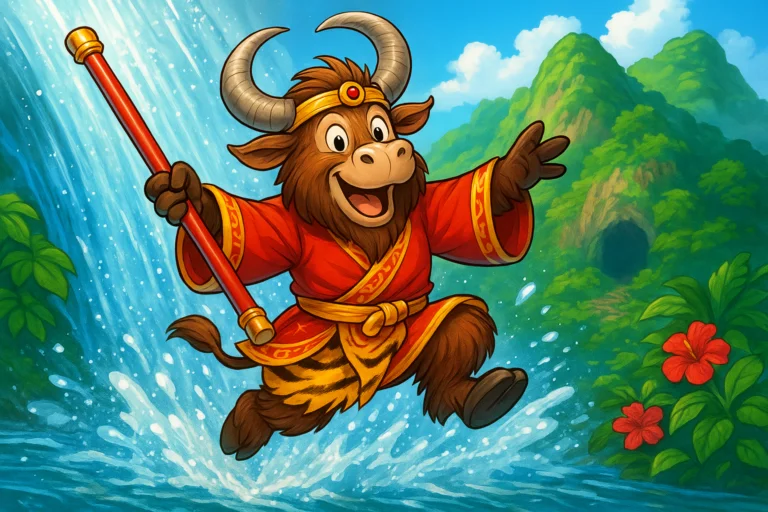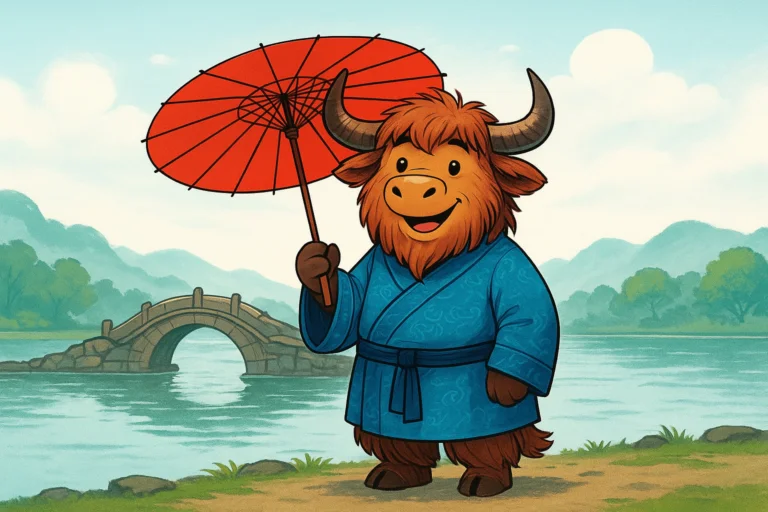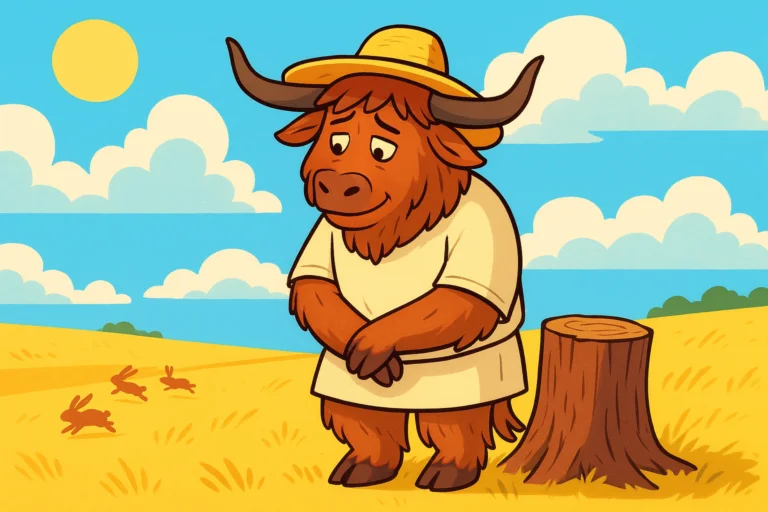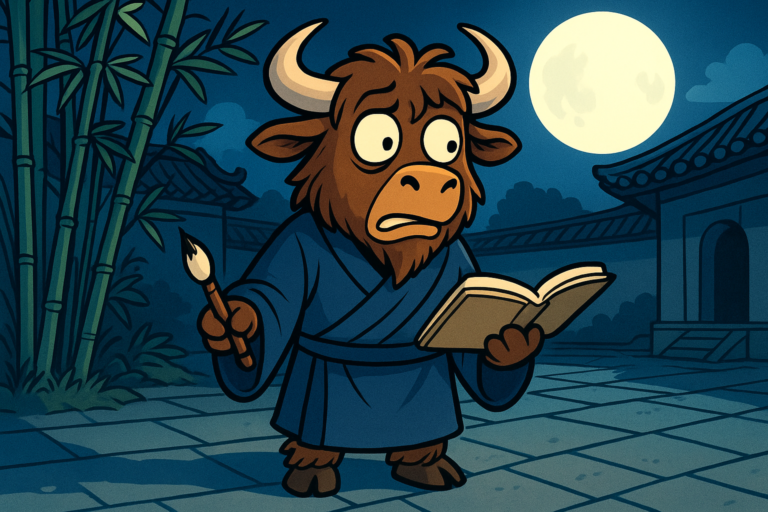
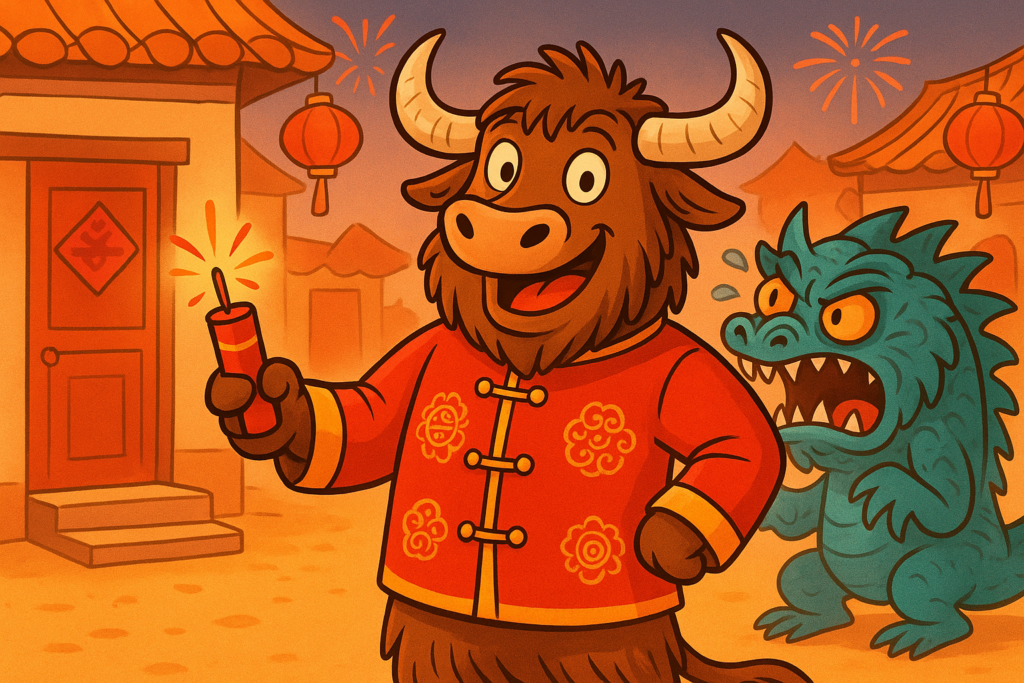
This A1 Beginner retelling of 年獸的故事 keeps the plot clear for learners while still giving the story some atmosphere and momentum.
This version teaches Traditional Chinese through English and includes clickable word help inside the story, full story audio, and lesson notes after the reading. It is free to use on Yak Yacker and is designed to feel natural, readable, and manageable for learners.
很久以前,有一隻大怪獸叫「年」。。
每年除夕,村子。。
他們說:「!!」
一天,一位老人來到村子。他說:「不要怕。我知道年怕什麼。」
老人說:「、。」。
。,看到紅色,聽到聲音,。
從此,,人們都這樣做。。
Long ago, there was a big monster called 'Nian'. It was very scary.
Every New Year's Eve, Nian would come to the village. People were very afraid.
They said, 'Nian is coming! Run!'
One day, an old man came to the village. He said, 'Don't be afraid. I know what Nian fears.'
The old man said, 'Nian fears red, fire, and very loud noises.' The people listened and started to prepare.
They pasted red paper on doors and set off firecrackers. When Nian came, seeing red and hearing the noises, it was frightened and ran away.
From then on, every New Year's Eve, people did this. They celebrated the new year happily and were no longer afraid of Nian.
This little legend gave you some super useful Chinese words. Let's take a closer look so you can use them to talk about traditions, feelings, and actions.
- 年 (nián) - usually means "year," but here it's a monster named Nian!
- 怪獸 (guàishòu) - "monster," a word for any strange beast.
- 鞭炮 (biānpào) - "firecrackers," the loud way they scared Nian away.
- 貼 (tiē) - "to paste" or "stick," like putting red paper on doors.
You saw 了 a few times, like in "年來了" (Nián lái le - "Nian has come!"). In Chinese, 了 often shows that something is done or a situation has changed. Think of it as a tiny "done!" marker.
Here's how it works in simple sentences.
- After a verb: 我聽到了 (wǒ tīng dào le) - "I heard (it)."
- At the end: 年跑了 (nián pǎo le) - "Nian ran away."
- With 不要…了 (bùyào…le): 不要怕了 (bùyào pà le) - "Don't be scared anymore."
This legend is why Chinese New Year is so red and noisy! The traditions aren't just for fun-they carry an ancient belief that these things bring luck and frighten away bad energy. Even today, you'll see red everywhere and hear firecrackers.
- Try saying 新年快樂 (xīnnián kuàilè) - "Happy New Year!" Now you know the story behind it.
You've got the words and the legend-now retell it! Start by mixing English and Chinese, like: "Long ago, a 怪獸 called 年 came. Everyone was 害怕. But an old man knew 年 was afraid of 紅色, 火, and 鞭炮!" That's a brilliant way to build confidence.
Next, try these tiny challenges to keep the story alive.
- Listen to the story again and raise your hand when you hear a new word.
- Make a mini-poster with 春聯 (chūnlián) - red lucky couplets - and write one new word on each.
年獸的故事 comes from the Chinese / legend tradition and is best known as a festival legend. This Yak Yacker article is an original learner retelling based on Traditional Chinese New Year legend; public-domain folk material, so the wording here is simplified for modern learners rather than copied from one old edition.
Older printings, translations, and retellings of this story can vary quite a bit. The original audience was usually kids/general, but this version is adapted for A1 Beginner learners studying Traditional Chinese. Use generic monster/firecrackers/red-color version; modern versions vary.
If you want to look into the source tradition, start with Wikipedia.
If you want to keep going, browse more in our Traditional Chinese section. After that, try Essential Traditional Chinese Grammar Words for another useful next step.