Step into the world of Botchan, Natsume Soseki's beloved rascal, as he leaves Tokyo to teach at a rural school in Shikoku. This retelling follows his hilarious clashes with the pompous 'Red Shirt,' the scheming vice-principal, and the bewildering customs of the countryside. Along the way, you'll encounter authentic dialect differences, keigo (polite language) misadventures, and the unpolished charm of a true Tokyoite out of his element.
Our B1 intermediate graded reader lets you enjoy this classic at your own pace. Tap any word for an instant translation, listen to crystal-clear native audio, and absorb Japanese naturally through story. The built-in lesson notes explain tricky grammar, cultural quirks, and dialect expressions, making it a complete learning experience.
Best of all, it's completely free-just dive in and start reading. Whether you're wrestling with honorifics or laughing at Botchan's temper tantrums, every page turns language learning into an adventure.
坊っちゃんは、
」と、校長は言った。
坊っちゃんは「赤シャツ? おかしな名前だな。」と思ったが、「こちらこそ、よろしくお願いします。」と丁寧に挨拶した。
他の先生たちは、坊っちゃんはそれが
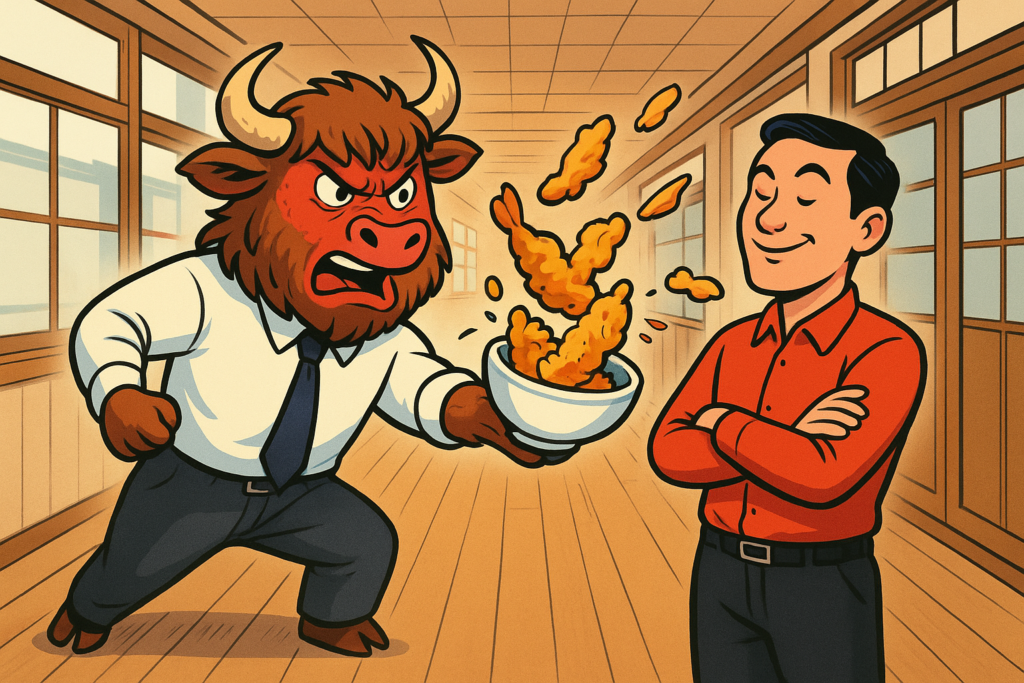
ある日、生徒たちが坊っちゃんに
坊っちゃんは怒って、「誰がやったんだ! 正直に言いなさい!」と大声を出した。
しかし、生徒たちは誰も
次の日、赤シャツ校長が坊っちゃんを呼んだ。「先生、少々お時間よろしいですか? 生徒たちのことでお話が。」
」坊っちゃんは聞いた。
「生徒への」と赤シャツは
坊っちゃんは
その後、坊っちゃんは野田先生は実は赤シャツに
坊っちゃんは赤シャツに
文化祭の日、坊っちゃんは皆の前で、赤シャツの意地悪を堂々と非難した。「校長先生、あなたは間違っています!」
会場は野田先生は
坊っちゃんは
駅で野田先生が見送りに来て、「坊っちゃん、本当にありがとう。元気で。」と言った。
坊っちゃんは汽車の窓から手を振りながら、「野田先生も元気で! また東京で会おう!」と叫んだ。
こうして、坊っちゃんの
In this retelling, characters often get labels that reveal their personalities. Words like 坊っちゃん (botchan - "young master") and 赤シャツ (aka-shatsu - "red shirt") aren't just names; they carry attitude. 坊っちゃん hints at a slightly spoiled, headstrong young man from Tokyo, while 赤シャツ is a mocking nickname for the principal who wears a red undershirt-it's both descriptive and dismissive.
Pay attention to how these words color your impression of each person. A nickname like うらなり (uranari - "sickly pumpkin") is cruel, and its use behind someone's back shows the hidden cruelty in the school. Notice how the story uses such labels to quickly paint relationships and tensions.
- 坊っちゃん (botchan): "young master"; implies a privileged, impulsive city boy
- 赤シャツ (aka-shatsu): "red shirt"; a mocking nickname for the vain principal
- うらなり (uranari): "sickly pumpkin"; a mean nickname for the pale English teacher
- 江戸っ子 (edokko): "true Tokyoite"; suggests directness and pride
Botchan's confrontation at the culture festival-「校長先生、あなたは間違っています!」("Principal, you're wrong!")-is shockingly direct in Japanese. Normally, even when you disagree, you'd soften the blow with phrases like 申し訳ありませんが (mōshiwake arimasen ga - "I'm sorry, but…") or ちょっとおかしいと思います (chotto okashii to omoimasu - "I think it's a bit odd"). Dropping such buffers makes the statement raw and defiant.
When Botchan internally fumes (むっとした - mutto shita: "felt offended/annoyed"), he keeps it to himself, showing the gap between public politeness and private anger. The verb 言い返す (iikaesu - "to talk back" or "retort") is exactly what he does later, breaking the expected harmony. Use these with care-direct defiance can burn bridges.
- あなたは間違っています: very direct accusation; suitable only in strong confrontations
- むっとする (mutto suru): to feel suddenly annoyed or offended; often internal
- 言い返す (iikaesu): to answer back; implies defiance against authority
- Contrast with softened dissent: ちょっと難しいかもしれません (that might be a bit difficult)
The story pits Tokyo directness against a more restrained, indirect Shikoku style. The principal's polite scolding-「もう少し穏やかにお願いできますか」("Could you be a bit gentler?")-uses hedging (もう少し, できますか) to maintain surface harmony, even while reprimanding. Botchan's internal thought-「赤シャツ? おかしな名前だな」("Red shirt? What a weird name.")-drops the polite です/ます entirely, showing his unfiltered Tokyo mindset.
The nickname culture also reflects this clash: urban bluntness (giving people mocking labels) meets rural indirect bullying. Notice how うらなり is whispered behind the teacher's back, never to his face-a classic passive-aggressive technique. Understanding this contrast helps you read between the lines in Japanese social situations.
- Tokyo-style: more plain forms, direct nicknames, less hedging (e.g., おかしな名前だな)
- Shikoku-style: softer requests, euphemisms, and behind-the-back criticism (うらなり)
- Using です/ます vs. plain form signals relationship and tension-watch where Botchan switches
Next time you read or watch a story with a rebel character, listen for how they push back. Do they use bare plain form, or do they keep the です/ます but with pointed vocabulary? Try narrating a small conflict in Japanese twice: once as a 'polite Botchan' using ~ていただけませんか, and once as a 'furious Botchan' with direct plain speech. That contrast will cement both the language and the cultural weight behind your words.
Remember, Japanese isn't just about grammar-it's about reading the air (空気を読む). The power of a simple あなたは間違っています comes from knowing when to break the rules. Use these tools wisely, and you'll express not just meaning, but personality.
- Try rewriting the principal's scolding in plain form to feel the difference in power
- Collect more 'defiant' words: ずるい (cunning), 失礼 (rude), 許せない (unforgivable)
- Watch for internal monologue vs. spoken lines in stories-they often reveal true feelings
坊っちゃん comes from the Japanese / Natsume Sōseki tradition and is best known as a novel. This Yak Yacker article is an original learner retelling based on Natsume Sōseki, 1906; public domain, so the wording here is simplified for modern learners rather than copied from one old edition.
Older printings, translations, and retellings of this story can vary quite a bit. The original audience was usually general/adult, but this version is adapted for B1 Intermediate learners studying Japanese. School/social satire; good adult learner content.
If you want to look into the source tradition, start with Project Gutenberg.
If you want to keep going, browse more in our Japanese section and review the Geography Vocabulary in Japanese. After that, try Essential Japanese Phrases for another useful next step.