On a chilly Christmas Eve in Seville, the blind organist Maese Pérez prepares to play the midnight mass. But this year, the music is more heavenly than ever-perhaps too heavenly for this world… This classic Spanish legend, full of mystery and holiday spirit, has been retold here as an A2-level graded reader to help you learn Spanish.
As you read, you can click any word for an instant translation, listen to the story audio to perfect your pronunciation, and check out the integrated lesson notes. It's a free, stress-free way to immerse yourself in Spanish through a hauntingly beautiful tale.
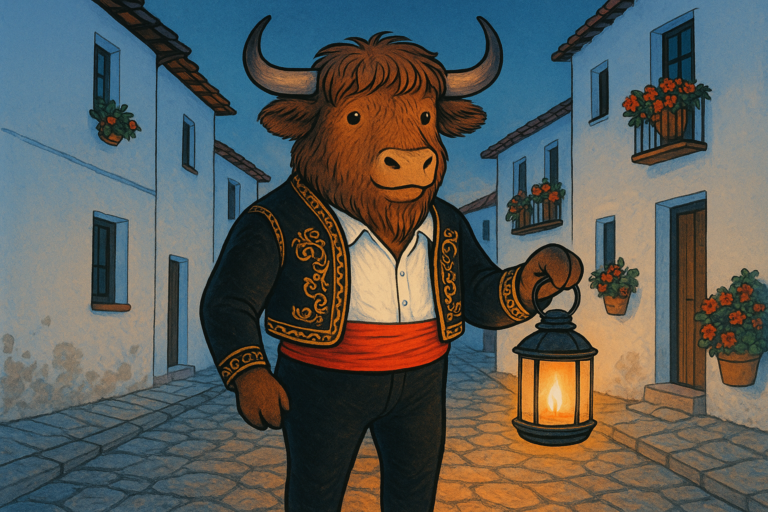
En Sevilla, en el convento de Santa Inés, vivía un hombre viejo y ciego. Se llamaba . Era el famoso de la ciudad. Todos los años, en , él tocaba el órgano para la misa del gallo.
La noche del 24 de diciembre, la iglesia estaba llena de gente. Familiares, monjas y vecinos esperaban la música. «¡Qué ! Maese Pérez va a tocar esta noche», decía una mujer. «Sí, su música es un », respondía otra.
Maese Pérez llegó con su hija, que lo guiaba. Él estaba muy pero sonreía. «Padre, ¿está seguro de que puede tocar?», preguntó la hija. «Sí, hija mía, la música me », dijo él.
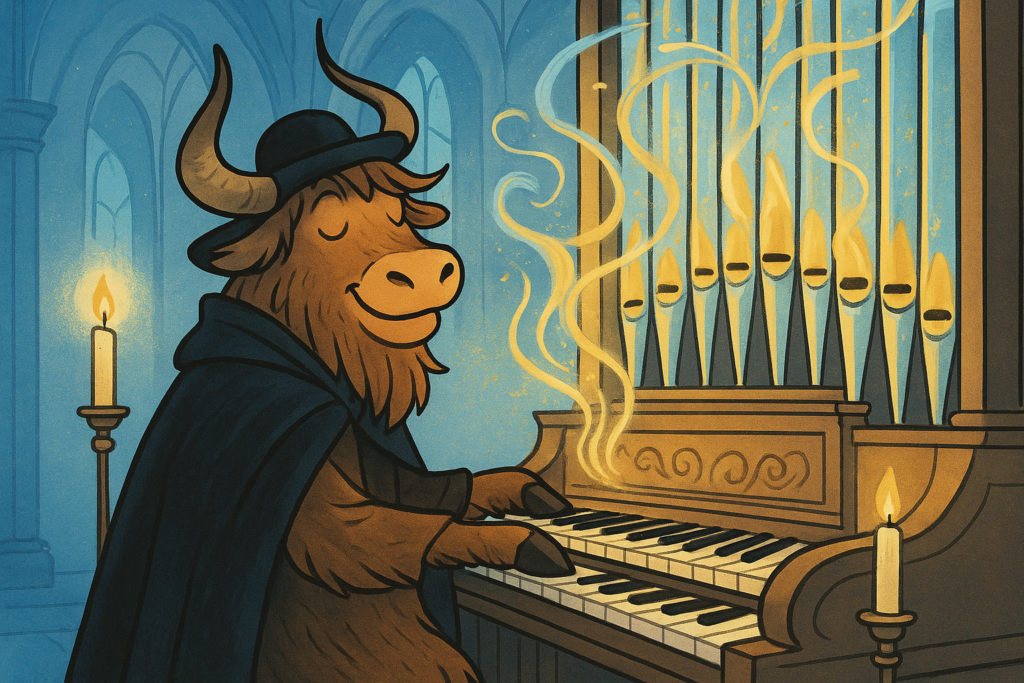
La misa comenzó. Maese Pérez se sentó ante el órgano. Sus dedos las teclas y una música llenó la iglesia. Todos cerraron los ojos. La era como voces de ángeles. Un momento después, la música se detuvo. Maese Pérez había muerto; su cabeza descansaba sobre las teclas.
El año siguiente, en la misma Nochebuena, un organista nuevo y llegó. «Yo soy mejor que el viejo Maese Pérez», dijo con . Las monjas con tristeza. «Veremos», murmuraron.
El nuevo organista empezó a tocar, pero el órgano sonaba . Ruidos extraños salían de los . «¡No puede ser!», gritó él. De repente, una música empezó a sonar sola. Era la melodía de Maese Pérez. El espíritu del organista ciego había regresado.
La gente lloraba de . La hija de Maese Pérez, ahora una mujer mayor, sonrió: «Papá siempre de tocar en Navidad». Y cada Nochebuena, el espíritu de Maese Pérez para tocar el órgano en el convento de Santa Inés.
In Seville, in the Convent of Santa Inés, there lived an old blind man named Maese Pérez. He was the city's famous organist. Every year on Christmas Eve, he played the organ for the Midnight Mass.
On the night of December 24th, the church was full. Family, nuns, and neighbors awaited the music. "How exciting! Maese Pérez will play tonight," a woman said. "Yes, his music is a gift from heaven," another replied.
Maese Pérez arrived with his daughter, who guided him. He was very weak but smiled. "Father, are you sure you can play?" the daughter asked. "Yes, my daughter, music gives me strength," he said.
The mass began. Maese Pérez sat at the organ. His fingers touched the keys and wonderful music filled the church. Everyone closed their eyes. The melody was like voices of angels. A moment later, the music stopped. Maese Pérez had died; his head rested on the keys.
The following year, on the same Christmas Eve, a new and arrogant organist arrived. "I am better than old Maese Pérez," he said proudly. The nuns shook their heads sadly. "We shall see," they murmured.
The new organist began to play, but the organ sounded horrible. Strange noises came from the pipes. "It can't be!" he shouted. Suddenly, heavenly music began to play on its own. It was Maese Pérez's melody. The blind organist's spirit had returned.
People wept with emotion. Maese Pérez's daughter, now an older woman, smiled: "Dad always keeps his promise to play at Christmas." And every Christmas Eve, Maese Pérez's spirit returns to play the organ at the Convent of Santa Inés.
This Sevillian legend is rich with words for places, people, and music. Let’s pick a few useful ones you’ll hear again and again. ‘El órgano’ means the organ, and ‘las teclas’ are the keys. ‘El convento’ is the convent, and ‘la monja’ is the nun. These nouns are easy to recognize and use.
Notice the special Christmas terms: ‘la Nochebuena’ is Christmas Eve, and ‘la misa del gallo’ is Midnight Mass. You might also spot ‘el vecino’ (neighbor) and ‘la emoción’ (emotion). Here are some short phrases from the story to help you remember.
- ‘Maese Pérez era el organista famoso.’ – Maese Pérez was the famous organist.
- ‘La iglesia estaba llena de gente.’ – The church was full of people.
- ‘Su música es un regalo del cielo.’ – His music is a gift from heaven.
- ‘¡Qué emoción!’ – What excitement!
In Spanish, two past tenses often work together: the preterite for completed actions, and the imperfect for descriptions or ongoing states. This story is a perfect example. Look how ‘vivía’ (he lived) sets the scene, while ‘llegó’ (he arrived) moves the action forward.
When the music begins, ‘tocó las teclas’ (he touched the keys) is a single action in the preterite. Then ‘la música maravillosa llenaba la iglesia’ (the marvelous music filled the church) uses the imperfect to paint the atmosphere. Practice noticing this pattern – it’s a key to natural Spanish storytelling.
- Imperfect (description): ‘Él estaba muy débil.’ – He was very weak.
- Preterite (event): ‘Maese Pérez murió.’ – Maese Pérez died.
- Imperfect (habit): ‘Todos los años, él tocaba el órgano.’ – Every year, he played the organ.
- Preterite (sequence): ‘La música se detuvo.’ – The music stopped.
Now it’s your chance to bring a tradition to life in Spanish. Think of a holiday, a family custom, or a community event. Use the imperfect to set the scene (‘era’, ‘estaba’, ‘había’) and the preterite to tell what happened (‘llegó’, ‘comenzó’, ‘sintieron’).
Start with something simple: ‘En mi pueblo, cada año celebrábamos…’ (In my town, every year we used to celebrate…) Then add an event: ‘Un año, mi abuelo preparó…’ (One year, my grandfather prepared…). Mix in the new vocabulary you’ve learned, like la emoción or el regalo. Share your story with a friend or write it down – the more you create, the more the language sticks!
- ¿Cuál es tu tradición favorita? (What is your favorite tradition?)
- Describe lo que pasó la última vez. (Describe what happened the last time.)
Maese Pérez the Organist comes from an older public-domain story tradition and is best known as a public_domain_legend_retelling. This Yak Yacker article is an original learner retelling based on public-domain source material, so the wording here is simplified for modern learners rather than copied from one old edition.
Older printings, translations, and retellings of this story can vary quite a bit. This version is adapted for A2 Elementary learners studying Spanish.
If you want to keep going, browse more in our Spanish section and review the A2 Spanish Vocabulary List. After that, try Most Common Spanish Adjectives for another useful next step.