If you want Chinese that feels alive, not just test-room clean, fairy tales are a great place to start. They give you animals, heroes, magic objects, and a very useful amount of drama. Honestly, the classics do not waste time being subtle.
In Traditional Chinese, fairy tales are usually called 童話 tónghuà or 民間故事 mínjiān gùshì. For a broader, more academic kind of “folk tale,” people also say 傳說 chuánshuō. In this article, you will learn famous Chinese fairy tales and the key words that show up again and again: dragons, immortals, brave children, and a few magical rabbits who clearly deserve their own fan club.
Traditional Chinese is used throughout, with pinyin and simple English meanings. If you want a very plain reference for vocabulary style and character forms, a boring-but-useful place like the Taiwan Ministry of Education is the kind of source language learners secretly love.
Useful Story Words
Before the stories, here are the words you will keep seeing. These are the little building blocks that make fairy tales easier to read, retell, and explain without panic.
| Traditional Chinese | Pinyin | Meaning | Example (ZH) | Example (Pinyin) | Translation (EN) |
|---|---|---|---|---|---|
| 童話 | tónghuà | fairy tale | 我很喜歡聽童話。 | Wǒ hěn xǐhuān tīng tónghuà. | I really like listening to fairy tales. |
| 民間故事 | mínjiān gùshì | folk tale | 這個民間故事很有名。 | Zhège mínjiān gùshì hěn yǒumíng. | This folk tale is very famous. |
| 傳說 | chuánshuō | legend | 這個傳說流傳很久了。 | Zhège chuánshuō liúchuán hěn jiǔ le. | This legend has been passed down for a long time. |
| 主角 | zhǔjué | main character | 故事的主角是一位姑娘。 | Gùshì de zhǔjué shì yí wèi gūniang. | The main character of the story is a young woman. |
| 妖怪 | yāoguài | monster; spirit creature | 山裡住著一隻妖怪。 | Shān lǐ zhùzhe yì zhī yāoguài. | A monster lives in the mountains. |
| 仙女 | xiānnǚ | fairy; immortal maiden | 仙女從天上飛下來。 | Xiānnǚ cóng tiānshàng fēi xiàlái. | A fairy flew down from the sky. |
| 神仙 | shénxiān | immortal; deity | 大家都說他像神仙一樣。 | Dàjiā dōu shuō tā xiàng shénxiān yíyàng. | Everyone says he is like an immortal. |
| 龍 | lóng | dragon | 龍在中國文化裡很重要。 | Lóng zài Zhōngguó wénhuà lǐ hěn zhòngyào. | The dragon is very important in Chinese culture. |
| 皇帝 | huángdì | emperor | 皇帝下了一道命令。 | Huángdì xià le yídào mìnglìng. | The emperor issued an order. |
| 姑娘 | gūniang | girl; young woman | 那位姑娘很聰明。 | Nà wèi gūniang hěn cōngmíng. | That young woman is very clever. |
| 少年 | shàonián | teenage boy; young man | 少年勇敢地走進森林。 | Shàonián yǒnggǎn de zǒujìn sēnlín. | The young man bravely walked into the forest. |
| 魔法 | mófǎ | magic | 這把傘好像有魔法。 | Zhè bǎ sǎn hǎoxiàng yǒu mófǎ. | This umbrella seems to have magic. |
Famous Chinese Fairy Tales
Here comes the fun part. These stories appear in children’s books, classroom reading, animation, and cultural conversations. Some are very old legends, while others are modern retellings that became popular enough to feel “classic.” Same idea: if everybody keeps retelling it, it joins the club.
| Traditional Chinese | Pinyin | Meaning | Example (ZH) | Example (Pinyin) | Translation (EN) |
|---|---|---|---|---|---|
| 白蛇傳 | Bái Shé Zhuàn | The Legend of the White Snake | 白蛇傳是很有名的中國傳說。 | Bái Shé Zhuàn shì hěn yǒumíng de Zhōngguó chuánshuō. | The Legend of the White Snake is a very famous Chinese legend. |
| 牛郎織女 | Niúláng Zhīnǚ | The Cowherd and the Weaver Girl | 牛郎織女代表愛情與分離。 | Niúláng Zhīnǚ dàibiǎo àiqíng yǔ fēnlí. | The Cowherd and the Weaver Girl represent love and separation. |
| 嫦娥奔月 | Cháng’é Bēn Yuè | Chang’e Flying to the Moon | 嫦娥奔月是中秋節常提到的故事。 | Cháng’é Bēn Yuè shì Zhōngqiū Jié cháng tí dào de gùshì. | Chang’e Flying to the Moon is a story often mentioned during the Mid-Autumn Festival. |
| 后羿射日 | Hòu Yì Shè Rì | Hou Yi Shoots the Suns | 后羿射日講的是英雄射下太陽。 | Hòu Yì Shè Rì jiǎng de shì yīngxióng shè xià tàiyáng. | The story of Hou Yi Shoots the Suns is about a hero shooting down the suns. |
| 盤古開天 | Pángǔ Kāi Tiān | Pangu Separates Heaven and Earth | 盤古開天說明世界的開始。 | Pángǔ Kāi Tiān shuōmíng shìjiè de kāishǐ. | Pangu Separates Heaven and Earth explains the beginning of the world. |
| 女媧補天 | Nǚwā Bǔ Tiān | Nüwa Patches the Sky | 女媧補天是很重要的創世故事。 | Nǚwā Bǔ Tiān shì hěn zhòngyào de chuàngshì gùshì. | Nüwa Patches the Sky is an important creation story. |
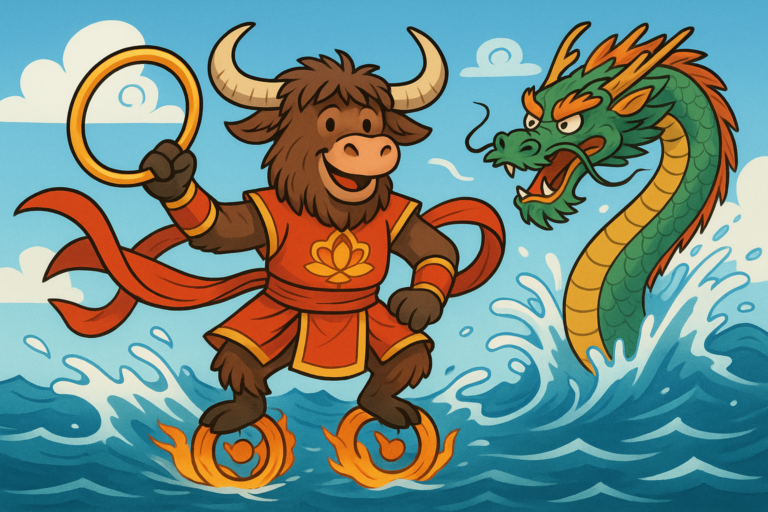
| 哪吒鬧海 | Nézhā Nào Hǎi | Nezha Causes Trouble in the Sea | 哪吒鬧海很有動作感。 | Nézhā Nào Hǎi hěn yǒu dòngzuògǎn. | Nezha Causes Trouble in the Sea is full of action. |
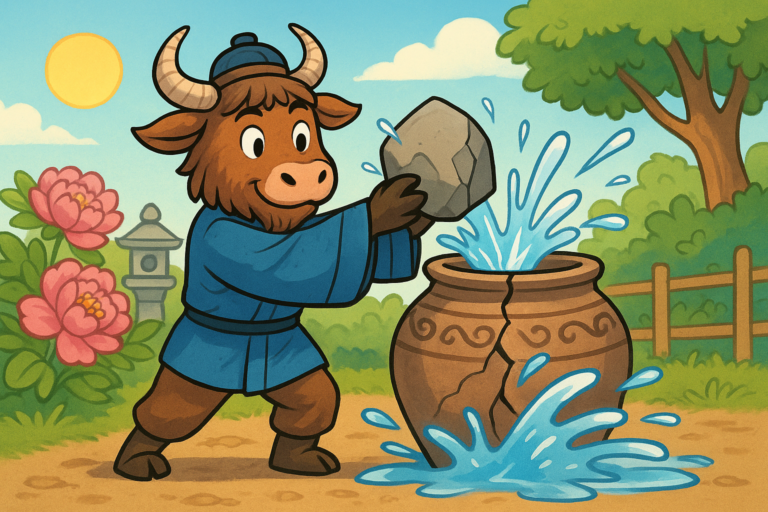
| 愚公移山 | Yúgōng Yí Shān | The Foolish Old Man Removes the Mountains | 愚公移山常用來比喻堅持。 | Yúgōng Yí Shān cháng yòng lái bǐyù jiānchí. | The Foolish Old Man Removes the Mountains is often used to describe persistence. |
| 精衛填海 | Jīngwèi Tián Hǎi | Jingwei Fills the Sea | 精衛填海象徵不放棄。 | Jīngwèi Tián Hǎi xiàngzhēng bù fàngqì. | Jingwei Fills the Sea symbolizes never giving up. |
| 孟姜女哭長城 | Mèng Jiāng Nǚ Kū Chángchéng | Meng Jiangnu Weeps at the Great Wall | 孟姜女哭長城是一個悲傷的故事。 | Mèng Jiāng Nǚ Kū Chángchéng shì yí gè bēishāng de gùshì. | Meng Jiangnu Weeps at the Great Wall is a sad story. |
| 梁山伯與祝英台 | Liáng Shānbó Yǔ Zhù Yīngtái | Liang Shanbo and Zhu Yingtai | 梁山伯與祝英台很像中國版的悲劇愛情故事。 | Liáng Shānbó Yǔ Zhù Yīngtái hěn xiàng Zhōngguó bǎn de bēijù àiqíng gùshì. | Liang Shanbo and Zhu Yingtai is like a Chinese tragic love story. |
| 田螺姑娘 | Tiánluó Gūniang | The Snail Girl | 田螺姑娘是溫柔的民間故事。 | Tiánluó Gūniang shì wēnróu de mínjiān gùshì. | The Snail Girl is a gentle folk tale. |
| 神筆馬良 | Shénbǐ Mǎ Liáng | Ma Liang and the Magic Brush | 神筆馬良很受孩子歡迎。 | Shénbǐ Mǎ Liáng hěn shòu háizi huānyíng. | Ma Liang and the Magic Brush is very popular with children. |
| 葫蘆娃 | Húlú Wá | Calabash Brothers | 葫蘆娃是很多人童年的回憶。 | Húlú Wá shì hěn duō rén tóngnián de huíyì. | The Calabash Brothers are a childhood memory for many people. |
Story Meanings You Will Hear Again And Again
Chinese fairy tales often do more than entertain. They carry moral lessons, family values, and big cultural ideas. Sometimes the lesson is obvious. Sometimes it is hiding behind a dragon, an immortal, and a very emotional reunion. Subtlety is not always invited.
| Traditional Chinese | Pinyin | Meaning | Example (ZH) | Example (Pinyin) | Translation (EN) |
|---|---|---|---|---|---|
| 堅持 | jiānchí | to persist | 愚公一直堅持,最後成功了。 | Yúgōng yìzhí jiānchí, zuìhòu chénggōng le. | Yu Gong kept persisting and finally succeeded. |
| 勇敢 | yǒnggǎn | brave | 哪吒很勇敢。 | Nézhā hěn yǒnggǎn. | Nezha is very brave. |
| 孝順 | xiàoshùn | filial; respectful to parents | 很多故事都強調孝順。 | Hěn duō gùshì dōu qiángdiào xiàoshùn. | Many stories emphasize filial respect. |
| 愛情 | àiqíng | romantic love | 牛郎織女是愛情故事。 | Niúláng Zhīnǚ shì àiqíng gùshì. | The Cowherd and the Weaver Girl is a love story. |
| 犧牲 | xīshēng | sacrifice | 這個故事裡有很大的犧牲。 | Zhège gùshì lǐ yǒu hěn dà de xīshēng. | This story contains great sacrifice. |
| 善良 | shànliáng | kind-hearted | 田螺姑娘非常善良。 | Tiánluó Gūniang fēicháng shànliáng. | The Snail Girl is very kind-hearted. |
| 正義 | zhèngyì | justice | 神話裡常有正義戰勝邪惡。 | Shénhuà lǐ cháng yǒu zhèngyì zhànshèng xié’è. | Myths often show justice defeating evil. |
| 命運 | mìngyùn | fate; destiny | 梁山伯與祝英台的命運很悲傷。 | Liáng Shānbó Yǔ Zhù Yīngtái de mìngyùn hěn bēishāng. | The fate of Liang Shanbo and Zhu Yingtai is very sad. |
Short Notes On Taiwan Usage
In Taiwan, you will often hear 童話 tónghuà for fairy tales in general, especially in children’s reading. 民間故事 mínjiān gùshì is also common when the story feels traditional or local. If a story sounds ancient, symbolic, or a little myth-like, people may lean toward 傳說 chuánshuō or 神話 shénhuà.
One small learner trap: not every famous story is really a “fairy tale” in English. Some are myths, some are legends, and some are folktales. Chinese does not always keep those boxes as neatly separated as English textbooks pretend it does.
Yak wisdom: if the story has a dragon, an immortal, and someone making a huge sacrifice for love, you are probably in the right neighborhood.
Common Phrases For Talking About Fairy Tales
These phrases help when you want to recommend a story, summarize it, or talk about a lesson. Very useful if you do not want to say “It was about stuff happening” and hope for the best.
| Traditional Chinese | Pinyin | Meaning | Example (ZH) | Example (Pinyin) | Translation (EN) |
|---|---|---|---|---|---|
| 這個故事講的是…… | Zhège gùshì jiǎng de shì…… | This story is about… | 這個故事講的是一位勇敢的少年。 | Zhège gùshì jiǎng de shì yí wèi yǒnggǎn de shàonián. | This story is about a brave young man. |
| 很有名 | hěn yǒumíng | very famous | 白蛇傳很有名。 | Bái Shé Zhuàn hěn yǒumíng. | The Legend of the White Snake is very famous. |
| 代代相傳 | dàidài xiāngchuán | passed down through generations | 這個故事代代相傳。 | Zhège gùshì dàidài xiāngchuán. | This story has been passed down through generations. |
| 充滿想像力 | chōngmǎn xiǎngxiànglì | full of imagination | 這些童話充滿想像力。 | Zhèxiē tónghuà chōngmǎn xiǎngxiànglì. | These fairy tales are full of imagination. |
| 教我們…… | jiāo wǒmen…… | teach us… | 這個故事教我們要堅持。 | Zhège gùshì jiāo wǒmen yào jiānchí. | This story teaches us to persist. |
| 非常感人 | fēicháng gǎnrén | very touching | 牛郎織女非常感人。 | Niúláng Zhīnǚ fēicháng gǎnrén. | The Cowherd and the Weaver Girl is very touching. |
| 我最喜歡的是…… | Wǒ zuì xǐhuān de shì…… | My favorite is… | 我最喜歡的是神筆馬良。 | Wǒ zuì xǐhuān de shì Shénbǐ Mǎ Liáng. | My favorite is Ma Liang and the Magic Brush. |
| 聽起來很神奇 | tīng qǐlái hěn shénqí | sounds magical | 這個故事聽起來很神奇。 | Zhège gùshì tīng qǐlái hěn shénqí. | This story sounds magical. |
Mini Practice
Try these quick changes. Fairy tales are great practice because the same words repeat a lot. Repetition: the original teaching assistant.
- Change 很有名 hěn yǒumíng to say “very touching” with 非常感人 fēicháng gǎnrén.
- Replace 少年 shàonián with 姑娘 gūniang in this sentence: 這個故事講的是一位勇敢的少年。
- Use 代代相傳 dàidài xiāngchuán to describe a story that has been passed down.
- Say what story you like most with 我最喜歡的是…… Wǒ zuì xǐhuān de shì……
- Make this sound more magical: 這個故事很特別。 Zhège gùshì hěn tèbié.
Grammar And Word Notes
When talking about stories, a few small particles and patterns show up all the time.
| Pattern | Meaning | Example (ZH) | Pinyin | English |
|---|---|---|---|---|
| ……是……故事 | This is a … story | 牛郎織女是愛情故事。 | Niúláng Zhīnǚ shì àiqíng gùshì. | The Cowherd and the Weaver Girl is a love story. |
| ……很有名 | very famous | 白蛇傳很有名。 | Bái Shé Zhuàn hěn yǒumíng. | The Legend of the White Snake is very famous. |
| ……講的是…… | The story is about… | 這個故事講的是勇敢和堅持。 | Zhège gùshì jiǎng de shì yǒnggǎn hé jiānchí. | This story is about bravery and persistence. |
| ……代代相傳 | passed down from generation to generation | 這個傳說代代相傳。 | Zhège chuánshuō dàidài xiāngchuán. | This legend has been passed down through generations. |
| ……象徵…… | symbolizes… | 精衛填海象徵不放棄。 | Jīngwèi Tián Hǎi xiàngzhēng bù fàngqì. | Jingwei Fills the Sea symbolizes never giving up. |
Small pronunciation reminder: in 故事 gùshì, both syllables are neutral-tone-friendly in fast speech, so it may sound lighter than the dictionary form. And in 女媧 Nǚwā, that first syllable is nǚ, not nu. Tiny mark, big difference. Mandarin loves being picky like that.
Story Themes In Simple English
Many Chinese fairy tales circle around a few repeating themes. If you can recognize them, the stories become easier to understand, even when the details change.
- Love and separation — 牛郎織女 Niúláng Zhīnǚ
- Bravery and action — 哪吒鬧海 Nézhā Nào Hǎi
- Persistence — 愚公移山 Yúgōng Yí Shān
- Sacrifice — 孟姜女哭長城 Mèng Jiāng Nǚ Kū Chángchéng
- Creation and origin — 盤古開天 Pángǔ Kāi Tiān and 女媧補天 Nǚwā Bǔ Tiān
- Justice wins — many hero tales, including 后羿射日 Hòu Yì Shè Rì
These themes are useful when you read or retell a story in Chinese. You do not need to memorize a giant history book first. Start with the characters, the magic, and the simple moral. That is already a very respectable amount of language.
Related Learning Links
If you want to build your Chinese reading skills around these stories, try a few practical extras. A good next step is a vocabulary check like the Traditional Chinese Vocabulary Test. If you want to see where your level sits, the Traditional Chinese Placement Test TOCFL is a neat reality check. No fairy dust, just useful feedback.
You can also review basic conversation with Traditional Chinese greetings, practice calendar words with writing the date in Traditional Chinese, and decode common marks and signs with symbols in Traditional Chinese. A language never really comes alone. It arrives with dates, greetings, and a suspicious number of signs.
Quick Reference Summary
| Traditional Chinese | Pinyin | Meaning |
|---|---|---|
| 童話 | tónghuà | fairy tale |
| 民間故事 | mínjiān gùshì | folk tale |
| 傳說 | chuánshuō | legend |
| 神話 | shénhuà | myth |
| 白蛇傳 | Bái Shé Zhuàn | The Legend of the White Snake |
| 牛郎織女 | Niúláng Zhīnǚ | The Cowherd and the Weaver Girl |
| 嫦娥奔月 | Cháng’é Bēn Yuè | Chang’e Flying to the Moon |
| 后羿射日 | Hòu Yì Shè Rì | Hou Yi Shoots the Suns |
| 盤古開天 | Pángǔ Kāi Tiān | Pangu Separates Heaven and Earth |
| 女媧補天 | Nǚwā Bǔ Tiān | Nüwa Patches the Sky |
| 哪吒鬧海 | Nézhā Nào Hǎi | Nezha Causes Trouble in the Sea |
| 愚公移山 | Yúgōng Yí Shān | The Foolish Old Man Removes the Mountains |
| 精衛填海 | Jīngwèi Tián Hǎi | Jingwei Fills the Sea |
| 孟姜女哭長城 | Mèng Jiāng Nǚ Kū Chángchéng | Meng Jiangnu Weeps at the Great Wall |
| 梁山伯與祝英台 | Liáng Shānbó Yǔ Zhù Yīngtái | Liang Shanbo and Zhu Yingtai |
Yak takeaway: Chinese fairy tales are not just pretty stories. They are a clean, memorable way to learn real vocabulary, culture, and sentence patterns at the same time. Pick one favorite tale, retell it in simple Chinese, and let the magic do a little of the heavy lifting for you. Convenient, right?
For a broader language-learning path, you can also keep building from the main Yak Yacker learning hub.