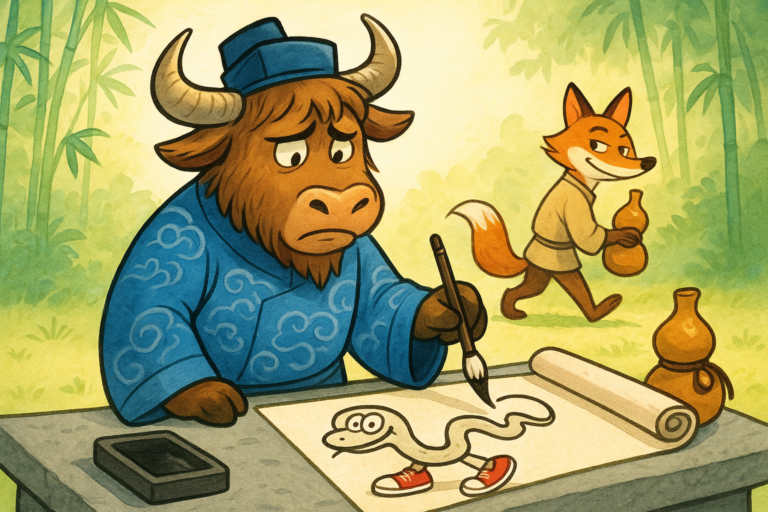
Learn real traditional Mandarin greetings: 打招呼 (dǎ zhāohū) without sounding like a dusty textbook robot.
If you want to say “hello” in Traditional Chinese, the first phrase to learn is 你好 (nǐ hǎo). It works, it is correct, and nobody will faint dramatically if you use it.
But in Taiwan Mandarin, people also greet each other with time-based phrases, name-based greetings, casual check-ins, and workplace hellos that feel more natural in daily life. Below, you will get the useful stuff: Hanzi, pinyin, English meaning, and example sentences you can actually say out loud like a functioning human.
A Quick Yak Reality Check
你好 is great, but native speakers do not always use it the way beginner apps pretend they do. In real life, “good morning,” “teacher hello,” “manager hello,” or even “hey, you’re here” can be more natural. Language is rude like that. It refuses to stay inside neat little boxes.
Most Useful Hello Phrases First
你好
nǐ hǎo
Meaning: hello
Example: 你好,我是安娜。
nǐ hǎo, wǒ shì Ānnà.
Hello, I’m Anna.
您好
nín hǎo
Meaning: hello (polite)
Example: 王老師,您好。
Wáng lǎoshī, nín hǎo.
Hello, Teacher Wang.
早安
zǎo ān
Meaning: good morning
Example: 早安,你今天很早。
zǎo ān, nǐ jīntiān hěn zǎo.
Good morning, you’re early today.
午安
wǔ ān
Meaning: good afternoon
Example: 大家午安。
dàjiā wǔ ān.
Good afternoon, everyone.
晚安
wǎn ān
Meaning: good evening / good night
Example: 晚安,明天見。
wǎn ān, míngtiān jiàn.
Good night, see you tomorrow.
嗨
hāi
Meaning: hi
Example: 嗨,好久不見。
hāi, hǎojiǔ bú jiàn.
Hi, long time no see.
哈囉
hā luō
Meaning: hello / hi
Example: 哈囉,你在忙嗎?
hā luō, nǐ zài máng ma?
Hello, are you busy?
大家好
dàjiā hǎo
Meaning: hello everyone
Example: 大家好,我今天要介紹自己。
dàjiā hǎo, wǒ jīntiān yào jièshào zìjǐ.
Hello everyone, today I’m going to introduce myself.
Useful Phrases And Real-Life Sentences
- 你好吗? (nǐ hǎo ma?) — How are you?
你好嗎?你今天還好嗎?
nǐ hǎo ma? nǐ jīntiān hái hǎo ma?
How are you? Are you doing okay today? - 最近好嗎? (zuìjìn hǎo ma?) — How have you been lately?
最近好嗎?很久沒看到你了。
zuìjìn hǎo ma? hěn jiǔ méi kàndào nǐ le.
How have you been lately? I haven’t seen you in a long time. - 你來啦。 (nǐ lái la.) — You’re here.
你來啦,我們可以開始了。
nǐ lái la, wǒmen kěyǐ kāishǐ le.
You’re here. We can start now. - 你回來了。 (nǐ huílái le.) — You’re back.
你回來了,會議剛要開始。
nǐ huílái le, huìyì gāng yào kāishǐ.
You’re back. The meeting was just about to start. - 辛苦了。 (xīnkǔ le.) — You’ve worked hard / thanks for your effort.
你今天辛苦了,先休息一下吧。
nǐ jīntiān xīnkǔ le, xiān xiūxi yíxià ba.
You worked hard today, rest for a bit first. - 老師好。 (lǎoshī hǎo.) — Hello, teacher.
老師好,我今天有一個問題。
lǎoshī hǎo, wǒ jīntiān yǒu yí ge wèntí.
Hello, teacher. I have a question today. - 王先生您好。 (Wáng xiānsheng nín hǎo.) — Hello, Mr. Wang.
王先生您好,我是新同事。
Wáng xiānsheng nín hǎo, wǒ shì xīn tóngshì.
Hello, Mr. Wang. I’m a new coworker. - 各位好。 (gèwèi hǎo.) — Hello, everyone here.
各位好,歡迎來到今天的活動。
gèwèi hǎo, huānyíng láidào jīntiān de huódòng.
Hello, everyone. Welcome to today’s event. - 早。 (zǎo.) — Morning / hi (casual)
早,你今天喝咖啡了嗎?
zǎo, nǐ jīntiān hē kāfēi le ma?
Morning, did you drink coffee today? - 早啊。 (zǎo a.) — Morning (casual and friendly)
早啊,今天天氣不錯。
zǎo a, jīntiān tiānqì bú cuò.
Morning, the weather is nice today. - 哈囉,大家好。 (hā luō, dàjiā hǎo.) — Hello, everyone.
哈囉,大家好,我是今天的主持人。
hā luō, dàjiā hǎo, wǒ shì jīntiān de zhǔchírén.
Hello, everyone. I’m today’s host. - 欸,你好。 (éi, nǐ hǎo.) — Hey, hello.
欸,你好,你也來這家店啊。
éi, nǐ hǎo, nǐ yě lái zhè jiā diàn a.
Hey, hello, you came to this shop too.
How Greetings Change By Situation
| Situation | Best Greeting | Why It Works |
|---|---|---|
| First meeting | 你好 (nǐ hǎo) | Safe, simple, neutral |
| Teacher, elder, client | 您好 (nín hǎo) | More respectful |
| Morning | 早安 (zǎo ān) / 早 (zǎo) | Common and natural |
| Friends | 嗨 (hāi) / 哈囉 (hā luō) | Casual and relaxed |
| Group setting | 大家好 (dàjiā hǎo) / 各位好 (gèwèi hǎo) | Addresses everyone |
| Workplace return | 你來啦 (nǐ lái la) / 你回來了 (nǐ huílái le) | Very natural in context |
Useful Little Nuance
晚安 usually feels like “good night” when people are leaving or going to sleep. For “good evening” at the start of an event, people may still just use 你好, 大家好, or a title plus 您好. Yes, greetings love being slightly inconvenient.
Everyday Greeting Tables
The tables below give you 50 beginner-friendly hello words and greeting phrases in Traditional Chinese. They are grouped by real-life use, not by “what a textbook editor thought looked tidy.” Much better.
Basic Hello Words
| Hanzi | Pinyin | Meaning | ZH | Pinyin Example | EN |
|---|---|---|---|---|---|
| 你好 | nǐ hǎo | hello | 你好,我第一次來台灣。 | nǐ hǎo, wǒ dì yī cì lái Táiwān. | Hello, it’s my first time in Taiwan. |
| 您好 | nín hǎo | hello (polite) | 您好,請問您要找誰? | nín hǎo, qǐngwèn nín yào zhǎo shéi? | Hello, who are you looking for? |
| 嗨 | hāi | hi | 嗨,你今天看起來很開心。 | hāi, nǐ jīntiān kàn qǐlái hěn kāixīn. | Hi, you look very happy today. |
| 哈囉 | hā luō | hello / hi | 哈囉,我們終於見面了。 | hā luō, wǒmen zhōngyú jiànmiàn le. | Hello, we finally met. |
| 早安 | zǎo ān | good morning | 早安,今天精神很好喔。 | zǎo ān, jīntiān jīngshén hěn hǎo o. | Good morning, you look full of energy today. |
| 午安 | wǔ ān | good afternoon | 各位午安,會議現在開始。 | gèwèi wǔ ān, huìyì xiànzài kāishǐ. | Good afternoon, everyone. The meeting starts now. |
| 晚安 | wǎn ān | good night | 晚安,回家路上小心。 | wǎn ān, huíjiā lùshàng xiǎoxīn. | Good night, be careful on your way home. |
| 大家好 | dàjiā hǎo | hello everyone | 大家好,我來自加拿大。 | dàjiā hǎo, wǒ láizì Jiānádà. | Hello everyone, I’m from Canada. |
| 各位好 | gèwèi hǎo | hello everyone here | 各位好,感謝大家今天來。 | gèwèi hǎo, gǎnxiè dàjiā jīntiān lái. | Hello everyone, thanks for coming today. |
| 你們好 | nǐmen hǎo | hello, all of you | 你們好,很高興認識你們。 | nǐmen hǎo, hěn gāoxìng rènshi nǐmen. | Hello, everyone. Nice to meet you all. |
Morning And Time-Based Greetings
| Hanzi | Pinyin | Meaning | ZH | Pinyin Example | EN |
|---|---|---|---|---|---|
| 早 | zǎo | morning / hi | 早,你今天怎麼這麼早到? | zǎo, nǐ jīntiān zěnme zhème zǎo dào? | Morning, how did you get here so early today? |
| 早啊 | zǎo a | morning (casual) | 早啊,昨天睡得好嗎? | zǎo a, zuótiān shuì de hǎo ma? | Morning, did you sleep well yesterday? |
| 早上好 | zǎoshang hǎo | good morning | 早上好,歡迎光臨。 | zǎoshang hǎo, huānyíng guānglín. | Good morning, welcome. |
| 午安,大家好 | wǔ ān, dàjiā hǎo | good afternoon, everyone | 午安,大家好,我們開始上課吧。 | wǔ ān, dàjiā hǎo, wǒmen kāishǐ shàngkè ba. | Good afternoon, everyone. Let’s start class. |
| 下午好 | xiàwǔ hǎo | good afternoon | 下午好,今天工作順利嗎? | xiàwǔ hǎo, jīntiān gōngzuò shùnlì ma? | Good afternoon, was work smooth today? |
| 晚上好 | wǎnshàng hǎo | good evening | 晚上好,謝謝大家今晚來參加。 | wǎnshàng hǎo, xièxie dàjiā jīnwǎn lái cānjiā. | Good evening, thanks for joining tonight. |
| 新年快樂 | xīnnián kuàilè | happy new year | 新年快樂,好久不見! | xīnnián kuàilè, hǎojiǔ bú jiàn! | Happy New Year, long time no see! |
| 聖誕快樂 | shèngdàn kuàilè | Merry Christmas | 聖誕快樂,希望你今天很開心。 | shèngdàn kuàilè, xīwàng nǐ jīntiān hěn kāixīn. | Merry Christmas, hope you’re happy today. |
| 生日快樂 | shēngrì kuàilè | happy birthday | 生日快樂,祝你天天開心。 | shēngrì kuàilè, zhù nǐ tiāntiān kāixīn. | Happy birthday, wish you happiness every day. |
| 連假快樂 | liánjià kuàilè | happy long weekend | 連假快樂,出去玩要注意安全。 | liánjià kuàilè, chūqù wán yào zhùyì ānquán. | Happy long weekend, stay safe when you go out. |
Polite And Professional Hellos
| Hanzi | Pinyin | Meaning | ZH | Pinyin Example | EN |
|---|---|---|---|---|---|
| 老師好 | lǎoshī hǎo | hello, teacher | 老師好,我作業交好了。 | lǎoshī hǎo, wǒ zuòyè jiāo hǎo le. | Hello, teacher. I’ve submitted my homework. |
| 同學好 | tóngxué hǎo | hello, classmates | 同學好,今天我們一起討論。 | tóngxué hǎo, jīntiān wǒmen yìqǐ tǎolùn. | Hello, classmates. Let’s discuss together today. |
| 王先生您好 | Wáng xiānsheng nín hǎo | Hello, Mr. Wang | 王先生您好,我是今天的新助理。 | Wáng xiānsheng nín hǎo, wǒ shì jīntiān de xīn zhùlǐ. | Hello, Mr. Wang. I’m the new assistant today. |
| 李小姐您好 | Lǐ xiǎojiě nín hǎo | Hello, Ms. Li | 李小姐您好,文件已經準備好了。 | Lǐ xiǎojiě nín hǎo, wénjiàn yǐjīng zhǔnbèi hǎo le. | Hello, Ms. Li. The documents are ready. |
| 經理您好 | jīnglǐ nín hǎo | Hello, manager | 經理您好,我想跟您確認時間。 | jīnglǐ nín hǎo, wǒ xiǎng gēn nín quèrèn shíjiān. | Hello, manager. I’d like to confirm the time with you. |
| 主任您好 | zhǔrèn nín hǎo | Hello, director | 主任您好,這是今天的報告。 | zhǔrèn nín hǎo, zhè shì jīntiān de bàogào. | Hello, director. This is today’s report. |
| 歡迎光臨 | huānyíng guānglín | welcome | 歡迎光臨,請問幾位? | huānyíng guānglín, qǐngwèn jǐ wèi? | Welcome. How many people, please? |
| 歡迎回來 | huānyíng huílái | welcome back | 歡迎回來,我們都很想你。 | huānyíng huílái, wǒmen dōu hěn xiǎng nǐ. | Welcome back, we all missed you. |
| 請進 | qǐng jìn | please come in | 您好,請進,裡面坐。 | nín hǎo, qǐng jìn, lǐmiàn zuò. | Hello, please come in and have a seat inside. |
| 久仰 | jiǔyǎng | I’ve long admired you | 久仰,今天終於見到您了。 | jiǔyǎng, jīntiān zhōngyú jiàndào nín le. | I’ve long admired you; today I finally met you. |
Casual Friend Greetings
| Hanzi | Pinyin | Meaning | ZH | Pinyin Example | EN |
|---|---|---|---|---|---|
| 欸,你好 | éi, nǐ hǎo | hey, hello | 欸,你好,我剛剛還想到你。 | éi, nǐ hǎo, wǒ gānggāng hái xiǎngdào nǐ. | Hey, hello. I was just thinking about you. |
| 嘿 | hēi | hey | 嘿,你怎麼也在這裡? | hēi, nǐ zěnme yě zài zhèlǐ? | Hey, how are you here too? |
| 哈囉哈囉 | hā luō hā luō | hello there | 哈囉哈囉,你終於上線了。 | hā luō hā luō, nǐ zhōngyú shàngxiàn le. | Hello there, you finally came online. |
| 好久不見 | hǎojiǔ bú jiàn | long time no see | 好久不見,你最近在忙什麼? | hǎojiǔ bú jiàn, nǐ zuìjìn zài máng shénme? | Long time no see, what have you been busy with lately? |
| 最近好嗎 | zuìjìn hǎo ma | how have you been lately? | 最近好嗎?工作還順利嗎? | zuìjìn hǎo ma? gōngzuò hái shùnlì ma? | How have you been lately? Is work going well? |
| 吃飽了嗎 | chī bǎo le ma | have you eaten? | 吃飽了嗎?要不要一起喝茶? | chī bǎo le ma? yào bú yào yìqǐ hē chá? | Have you eaten? Want to grab tea together? |
| 你在幹嘛 | nǐ zài gànmá | what are you up to? | 嗨,你在幹嘛?要不要出來? | hāi, nǐ zài gànmá? yào bú yào chūlái? | Hi, what are you up to? Want to come out? |
| 你來啦 | nǐ lái la | you’re here | 你來啦,我幫你留了位子。 | nǐ lái la, wǒ bāng nǐ liú le wèizi. | You’re here, I saved you a seat. |
| 你回來了 | nǐ huílái le | you’re back | 你回來了,我們剛好要吃飯。 | nǐ huílái le, wǒmen gānghǎo yào chīfàn. | You’re back, we were just about to eat. |
| 來啦 | lái la | you came / here you are | 來啦,快坐快坐。 | lái la, kuài zuò kuài zuò. | You’re here, sit down, sit down. |
Warm And Friendly Check-In Greetings
| Hanzi | Pinyin | Meaning | ZH | Pinyin Example | EN |
|---|---|---|---|---|---|
| 你好嗎 | nǐ hǎo ma | how are you? | 你好嗎?今天看起來有點累。 | nǐ hǎo ma? jīntiān kàn qǐlái yǒudiǎn lèi. | How are you? You look a bit tired today. |
| 還好嗎 | hái hǎo ma | are you okay? | 你還好嗎?需要幫忙嗎? | nǐ hái hǎo ma? xūyào bāngmáng ma? | Are you okay? Do you need help? |
| 最近怎麼樣 | zuìjìn zěnmeyàng | how’s it going lately? | 最近怎麼樣?新工作喜歡嗎? | zuìjìn zěnmeyàng? xīn gōngzuò xǐhuān ma? | How’s it going lately? Do you like the new job? |
| 最近忙嗎 | zuìjìn máng ma | have you been busy lately? | 最近忙嗎?我們很久沒聊天了。 | zuìjìn máng ma? wǒmen hěn jiǔ méi liáotiān le. | Have you been busy lately? We haven’t talked in a while. |
| 今天好嗎 | jīntiān hǎo ma | how are you today? | 今天好嗎?看你心情不錯。 | jīntiān hǎo ma? kàn nǐ xīnqíng bú cuò. | How are you today? You seem in a good mood. |
| 今天過得怎麼樣 | jīntiān guò de zěnmeyàng | how was your day? | 今天過得怎麼樣?累不累? | jīntiān guò de zěnmeyàng? lèi bú lèi? | How was your day? Are you tired? |
| 最近還順利嗎 | zuìjìn hái shùnlì ma | has everything been going smoothly? | 最近還順利嗎?有沒有需要幫忙? | zuìjìn hái shùnlì ma? yǒu méiyǒu xūyào bāngmáng? | Has everything been going smoothly? Do you need help? |
| 今天氣色很好 | jīntiān qìsè hěn hǎo | you look well today | 早安,你今天氣色很好。 | zǎo ān, nǐ jīntiān qìsè hěn hǎo. | Good morning, you look well today. |
| 精神不錯喔 | jīngshén bú cuò o | you look energetic | 哇,你今天精神不錯喔。 | wā, nǐ jīntiān jīngshén bú cuò o. | Wow, you look energetic today. |
| 辛苦了 | xīnkǔ le | you’ve worked hard | 辛苦了,今天先到這裡吧。 | xīnkǔ le, jīntiān xiān dào zhèlǐ ba. | You’ve worked hard; let’s stop here for today. |
Special And Playful Greetings
| Hanzi | Pinyin | Meaning | ZH | Pinyin Example | EN |
|---|---|---|---|---|---|
| 歡迎歡迎 | huānyíng huānyíng | welcome, welcome | 歡迎歡迎,快進來坐。 | huānyíng huānyíng, kuài jìnlái zuò. | Welcome, welcome. Come in and sit. |
| 你好呀 | nǐ hǎo ya | hello there | 你好呀,今天去哪裡玩? | nǐ hǎo ya, jīntiān qù nǎlǐ wán? | Hello there, where are you going today? |
| 安安 | ān ān | hi (cute internet slang) | 安安,今天有空聊天嗎? | ān ān, jīntiān yǒu kòng liáotiān ma? | Hi, are you free to chat today? |
| 哈囉你好 | hā luō nǐ hǎo | hello there | 哈囉你好,請問這裡有人坐嗎? | hā luō nǐ hǎo, qǐngwèn zhèlǐ yǒurén zuò ma? | Hello there, is anyone sitting here? |
| 親愛的,早安 | qīn’ài de, zǎo ān | good morning, dear | 親愛的,早安,早餐在桌上。 | qīn’ài de, zǎo ān, zǎocān zài zhuō shàng. | Good morning, dear. Breakfast is on the table. |
| 寶貝,早 | bǎobèi, zǎo | morning, babe | 寶貝,早,今天別忘了帶鑰匙。 | bǎobèi, zǎo, jīntiān bié wàng le dài yàoshi. | Morning, babe. Don’t forget your keys today. |
| 歡迎加入 | huānyíng jiārù | welcome aboard | 歡迎加入我們的團隊。 | huānyíng jiārù wǒmen de tuánduì. | Welcome to our team. |
| 歡迎來到台灣 | huānyíng láidào Táiwān | welcome to Taiwan | 歡迎來到台灣,希望你玩得開心。 | huānyíng láidào Táiwān, xīwàng nǐ wán de kāixīn. | Welcome to Taiwan. Hope you have a great time. |
| 恭喜發財 | gōngxǐ fācái | wish you prosperity | 新年快樂,恭喜發財! | xīnnián kuàilè, gōngxǐ fācái! | Happy New Year, wishing you prosperity! |
| 別來無恙 | bié lái wú yàng | hope you’ve been well | 老朋友,別來無恙啊。 | lǎo péngyǒu, bié lái wú yàng a. | Old friend, hope you’ve been well. |
Common Mistakes And Easy Fixes
- Using 您好 with close friends all the time: It sounds very polite, sometimes too polite. Use 嗨, 哈囉, or 你好 with friends instead.
- Thinking 你好 is the only hello: It is not. Taiwan Mandarin uses lots of context-based greetings like 早, 老師好, or 你來啦.
- Using 晚安 at the start of every evening conversation: Native speakers often save it for bedtime or parting. Try 你好, 哈囉, or 晚上好 depending on the setting.
- Forgetting titles: In Chinese, titles matter. 老師好 or 經理您好 can sound more natural than a plain 你好.
Quick Reference Summary
| Use This | When |
|---|---|
| 你好 (nǐ hǎo) | Safe default hello |
| 您好 (nín hǎo) | Polite hello for elders, teachers, clients |
| 早安 / 早 | Morning greeting |
| 嗨 / 哈囉 | Casual hello with friends |
| 大家好 / 各位好 | Speaking to a group |
| 老師好 / 經理您好 | Greeting by title |
| 好久不見 / 最近好嗎 | Greeting someone you know |
| 你來啦 / 你回來了 | Natural context hello when someone arrives |
Final Yak Box
If you only remember five greetings today, make them these: 你好 (nǐ hǎo), 您好 (nín hǎo), 早安 (zǎo ān), 嗨 (hāi), and 大家好 (dàjiā hǎo). That tiny set already covers first meetings, polite situations, mornings, casual chats, and groups. Not bad for a handful of syllables.
More Traditional Chinese to explore
Sima Guang Breaks the Vat: A Beginner Chinese Story with Audio – A1 Level
Nezha Conquers the Dragon King: A2 Elementary Traditional Chinese Story with Audio

Borrowing Arrows with Straw Boats: A Clever Chinese Tale (B1 Intermediate, with Audio)