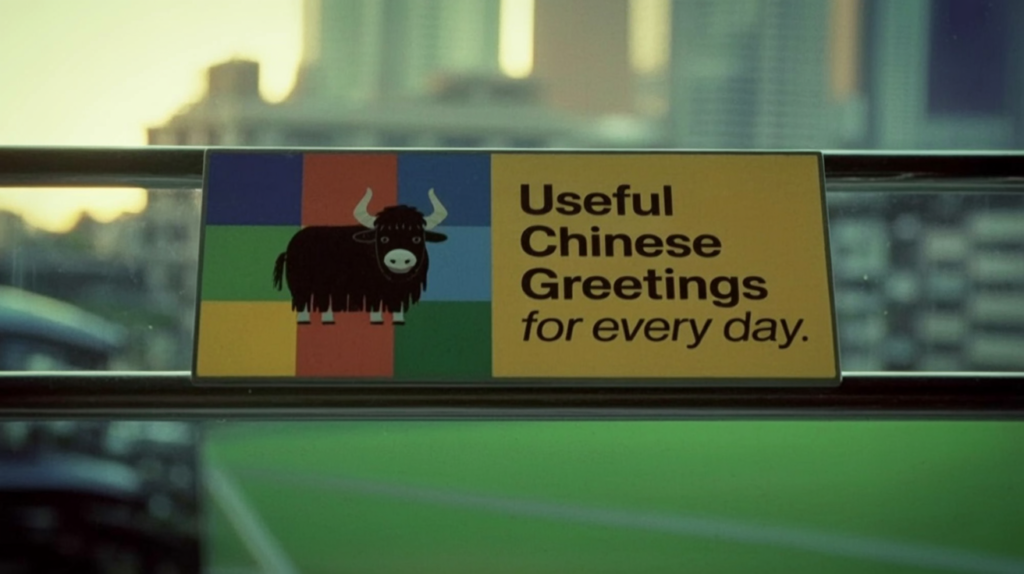
A language can be both a kitten and a tiger depending on the angle of approach. Mandarin Chinese fits that paradox perfectly: parts of it are delightfully straightforward for English speakers, while other parts require patient muscle-building. The real answer is neither “impossibly hard” nor “suspiciously easy,” but “strategically learnable.” This guide weighs what helps, what hurts, and which habits flip the difficulty curve in the learner’s favor—using Traditional Chinese with pinyin along the way.
Why Chinese Is Easier Than Its Reputation
Simple Building Blocks For Basic Sentences
Mandarin favors clean Subject–Verb–Object order, with tense handled by time words or aspect markers instead of heavy verb conjugations.
今天我吃麵。
Jīntiān wǒ chī miàn.
Today [I] eat noodles.
No verb changes for person or number. Time words plug in and the sentence survives every season.
No Gendered Nouns Or Articles
Nouns don’t change for gender or number. Plurals appear only when needed.
一個學生 / 三個學生
Yí ge xuéshēng / sān ge xuéshēng
One student / three students
Reusable Sentence Frames
Chunkable patterns cover a lot of ground.
A 比 B + 形容詞。
A bǐ B + xíngróngcí.
A is more + adjective + than B.
這碗麵比那碗麵辣。
Zhè wǎn miàn bǐ nà wǎn miàn là.
This bowl of noodles is spicier than that one.
Vocabulary Efficiency At The Beginner Level
Daily survival runs on a compact core—politeness, numbers, food words, place names, and a few question patterns. With targeted practice, real-world wins arrive early.
Why Chinese Is Harder Than It Looks
Tones: Meaning Rides The Melody
Mandarin uses pitch to distinguish words.
媽(mā, mother)、麻(má, hemp)、馬(mǎ, horse)、罵(mà, scold)
One syllable, four meanings, unlocked by tone. Tone control improves with slow, focused listening plus short, loud daily production drills.
Characters: A New Writing System
Traditional characters carry structure and beauty, but they are not the Latin alphabet. Recognition and recall demand a method, not heroic guessing. Radicals and high-frequency components turn a forest into a map.
Measure Words And Aspect
Counting needs classifiers:
一杯水(yì bēi shuǐ, a cup of water)、三本書(sān běn shū, three books)
Time handling depends on aspect particles rather than verb conjugations:
了(le, completion)、過(guò, past experience)、著(zhe, ongoing state)
Homophones And Listening Load
A small set of syllables serves a very large vocabulary. Context saves the day, but in noisy settings the ear works overtime until exposure builds automaticity.
Regional Nuance
Taiwanese Mandarin choices differ from northern Mainland preferences at times: 哪裡(nǎlǐ) vs. 哪兒(nǎr), 計程車(jìchéngchē, taxi in Taiwan) vs. 出租車(chūzūchē), and so on. It is not a minefield—just a style guide.
What “Difficulty” Looks Like By Phase
Month 0–1: Boot-Up Wins
Goals: tones, survival phrases, pinyin reading, 100–200 high-frequency words.
你好(nǐ hǎo, hello)、謝謝(xièxie, thank you)、多少錢(duōshǎo qián, how much)、在哪裡(zài nǎlǐ, where)。
Mini-dialogues and “listen then repeat” loops build tone reflexes.
Month 2–3: Everyday Transactions
Add measure words, basic questions, time words, and food-travel vocabulary.
請給我一杯咖啡,不要糖。
Qǐng gěi wǒ yì bēi kāfēi, bú yào táng.
Please give [me] a cup of coffee, no sugar.
Month 4–6: Comfortable Small Talk
Descriptions, comparisons, routines, preferences; begin graded reading in Traditional characters.
我平常六點起床,週末晚一點。
Wǒ píngcháng liù diǎn qǐchuáng, zhōumò wǎn yìdiǎn.
Usually get up at six; on weekends, a bit later.
Month 6–12: Momentum And Depth
Aspect nuances, longer listening, reading short articles, and writing simple notes. Characters begin to feel like old acquaintances rather than puzzles.
Tones: Practical Repair Kit
- Slow, Exaggerated Drills
你好 → ní hǎo(2–3). Separate tones clearly first; blend later. - Minimal Pairs
買(mǎi, buy) / 賣(mài, sell)
想(xiǎng, think/want) / 享(xiǎng, enjoy, different character, same tone; rely on context)
Short sets sharpen the ear faster than long lists. - Sentence Rhythm
Natural speech smooths third tones.
你好 often sounds like ní hǎo (2–3 flow), not a deep valley on both syllables. - Playback And Parrot
Record lines, play them back, then imitate. Five honest minutes beats fifty distracted ones.
Characters: Strategy Over Willpower
Radicals As Anchors
部首(bùshǒu) give meaning hints and group characters into families. For example:
氵(水邊) often relates to water or liquid: 河(hé, river)、海(hǎi, sea)、酒(jiǔ, alcohol)。
Components As Lego Pieces
Many characters combine sound-plus-meaning parts. Learning both halves speeds recognition and recall.
Spaced Repetition With Micro-Writing
Short daily handwriting—five characters, three lines each—locks in stroke order and shape. Recognition (reading) plus a little production (writing) creates durable memory.
Reading Ladder
Start with graded readers in Traditional characters, menus, MRT signage, and short social posts. Celebrate comprehension, not perfection.
Grammar: Lightweight But Particular
Word Order With Time And Place
General frame: Time → Subject → Place → Verb Phrase.
今天我在公司開會。
Jīntiān wǒ zài gōngsī kāihuì.
Today I [am] at the company having a meeting.
Aspect Instead Of Conjugation
了(le) marks completion, not “past tense” by itself.
我吃了。
Wǒ chī le.
[I] have eaten / [I] ate.
過(guò) marks life experience.
我去過台南。
Wǒ qù guò Táinán.
[I] have been to Tainan.
著(zhe) marks a continuous state.
門開著。
Mén kāi zhe.
The door is open (state continues).
Measure Words Are Logic, Not Punishment
Pick the common ones first and use them everywhere until automatic.
個(ge, general)、杯(bēi, cup)、本(běn, books)、張(zhāng, flat things/tickets)、台(tái, machines)
三台電腦、兩張票、一本書、兩杯奶茶。
Listening And Speaking: Street-Smart Routines
Narrow Listening
Choose one short topic—ordering breakfast, asking directions—and collect five versions of that scene. Repeat daily. Narrow beats random for building ear confidence.
Role Cards
Print or save tiny scripts and recycle them in real life.
請問廁所在哪裡?
Qǐngwèn cèsuǒ zài nǎlǐ?
Excuse me, where is the restroom?
Repair Lines That Keep Conversations Alive
不好意思,請再說一次。
Bù hǎoyìsi, qǐng zài shuō yí cì.
Sorry—please say that again.
可以講慢一點嗎?
Kěyǐ jiǎng màn yìdiǎn ma?
Could [you] speak a bit slower?
我聽不懂,但我想試試看。
Wǒ tīng bù dǒng, dàn wǒ xiǎng shìshì kàn.
[I] didn’t understand, but [I] want to try.
Regional Notes For Traditional Chinese Learners
Common Taiwan–Mainland Differences
廁所(cèsuǒ, restroom) in Taiwan is widely used; 洗手間(xǐshǒujiān) also works and sounds slightly softer.
計程車(jìchéngchē, taxi in Taiwan) vs. 出租車(chūzūchē, taxi on the Mainland)。
哪裡(nǎlǐ, where, Taiwan/written) vs. 哪兒(nǎr, where, northern speech)。
Either form is understood; pick a lane and stay consistent.
Dialogues: Real Situations In Small Bites
早餐店點餐
A:請問要喝什麼?
A: Qǐngwèn yào hē shénme?
May I ask what to drink?
B:請給我一杯豆漿,少冰。
B: Qǐng gěi wǒ yì bēi dòujiāng, shǎo bīng.
Please give [me] a cup of soy milk, less ice.
A:要不要加蛋餅?
A: Yào bú yào jiā dànbǐng?
Add an egg pancake?
B:好,謝謝。
B: Hǎo, xièxie.
Okay, thanks.
問路到捷運
A:不好意思,捷運站在哪裡?
A: Bù hǎoyìsi, jiéyùn zhàn zài nǎlǐ?
Excuse me, where is the MRT station?
B:前面右轉就到了。
B: Qiánmiàn yòu zhuǎn jiù dào le.
Turn right ahead and it’s there.
A:走路大概幾分鐘?
A: Zǒulù dàgài jǐ fēnzhōng?
About how many minutes on foot?
B:五分鐘。
B: Wǔ fēnzhōng.
Five minutes.
同事小聊
A:你週末做什麼?
A: Nǐ zhōumò zuò shénme?
What [did you] do on the weekend?
B:去爬山,還不錯。
B: Qù páshān, hái bú cuò.
Went hiking—pretty good.
A:下次一起?
A: Xià cì yìqǐ?
Next time together?
B:可以啊。
B: Kěyǐ a.
Sure.
Practice Drills: Copy, Swap, Repeat
Time + Place + Action
今天在公司____。
Jīntiān zài gōngsī ______.
Today [at] the office ______.
Ordering
請給我__量的冰,__糖。
Qǐng gěi wǒ ______ liàng de bīng, ______ táng.
Please give [me] ______ ice, ______ sugar.
Asking Price
這個多少錢?可以便宜一點嗎?
Zhè ge duōshǎo qián? Kěyǐ piányí yìdiǎn ma?
How much is this? Could [it] be a bit cheaper?
Comparisons
A 比 B __。
A bǐ B ______.
A is more ______ than B.
Aspect
我__了。
Wǒ ______ le.
[I] have ______ (completed).
Quick Reference Table: “Hard vs. Easy” At A Glance
| Area | Good News | Tough News | Habit That Helps |
| Pronunciation | Finite syllables; consistent pinyin | Tones change meaning | Daily minimal-pair and sentence shadowing |
| Grammar | No verb conjugation; clear word order | Aspect particles need feel | Short drills with 了/過/著 in real lines |
| Vocabulary | High payoff from 800–1200 words | Many homophones | Learn words in sentence families |
| Characters | Radicals make structure visible | Memory load at first | Spaced repetition + micro-handwriting |
| Listening | Patterns repeat across contexts | Noise and speed overwhelm | Narrow listening on one scene per week |
| Speaking | Early success with scripts | Tone anxiety stalls speech | Set repair lines and keep talking |
Study Plan Template (12 Weeks)
Weeks 1–2: Tones, pinyin, 150 words; survival dialogues (greetings, prices, directions).
Weeks 3–4: Measure words, food/travel sets; first 60 characters; ordering scripts.
Weeks 5–6: Aspect basics(了/過/著); daily micro-writing; narrow listening: breakfast shop.
Weeks 7–8: Descriptions, comparisons; reading short posts in Traditional characters.
Weeks 9–10: Schedules and plans; longer listening (podcast clips, slow news).
Weeks 11–12: Review loops; add one new scene (clinic, bank, housing); record and imitate.
Myths Versus Reality
“Chinese has no grammar.”
Reality: it has grammar with low ornamentation. Word order and aspect do heavy lifting.
“Characters must be memorized one by one forever.”
Reality: radicals and components reduce effort dramatically; frequency order matters.
“Tones are impossible for adults.”
Reality: tones are learnable with targeted drills and feedback. Imperfect tones with good rhythm still communicate; accuracy improves with repetition.
Yak-Style Closing Spark
Chinese is not a brick wall; it’s a climbing gym. Some holds are friendly—no conjugations, tidy frames, fast early wins. Others demand technique—tones, characters, aspect. With radicals as anchors, sentence patterns as safety ropes, and five honest minutes of tone practice a day, the route becomes clear. Consistency beats intensity, repair lines keep the conversation alive, and the language starts answering back.