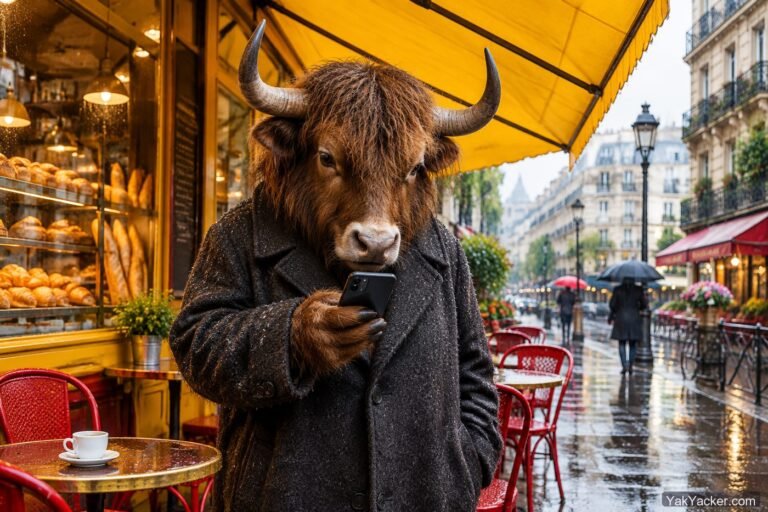
Places and buildings in French

Places and Buildings in French: Quiz and Free PDF

French place words show up fast. You need them when asking for directions, booking a hotel, finding a pharmacy, meeting a friend at a café, or just figuring out why your train station seems to be attached to a bakery, a newspaper kiosk, and mild existential confusion.

In this guide, you’ll learn practical French words for places, buildings, and everyday locations you’ll actually use. We’ll focus on standard France French, with simple pronunciation help, clear meanings, and real example sentences instead of dusty vocabulary nobody says outside a textbook dungeon.

If you want a bigger overview of lessons, head to Learn French. And yes, these words pair very nicely with reading public signs too, which is why this guide to signs and signage in French is a smart next stop.

How To Use Place Words In French

Most French place nouns need an article: le, la, l’, or les. That matters because you’ll often say things like à la banque (at/to the bank), au restaurant (at/to the restaurant), or dans le parc (in the park).

A quick pattern:

  • au = à + le
  • à la = for feminine singular nouns
  • à l’ = before a vowel sound
  • aux = à + les
  • dans = in/inside
  • devant = in front of
  • derrière = behind
  • près de = near

Learn the place word with its article when you can: la gare, not just gare. Your future sentences will be much less chaotic.

Everyday Town And City Places

These are the bread-and-butter location words you’ll meet in travel, daily life, maps, and small talk.

FrenchPronunciationMeaningExample SentenceTranslationLearner Note
la villelah veelcity, townJ’habite dans une grande ville.I live in a big city.Ville can mean city or town depending on context.
le villageluh vee-lahzhvillageMes grands-parents vivent dans un petit village.My grandparents live in a small village.Very common in rural contexts.
le centre-villeluh sahntruh-veelcity center, downtownLe restaurant est en centre-ville.The restaurant is downtown.Often written with a hyphen.
le quartierluh kar-tee-ayneighborhood, districtC’est un quartier très calme.It’s a very quiet neighborhood.Useful for both residential and city districts.
la ruelah roostreetJ’habite dans cette rue.I live on this street.Dans is often used with streets in everyday French.
l’avenuelah-vuh-newavenueLe musée est sur l’avenue principale.The museum is on the main avenue.Uses l’ because it starts with a vowel.
la placelah plahssquare, plazaOn se retrouve sur la place à midi.Let’s meet in the square at noon.Not the same as English “place” in every context.
le boulevardluh bool-varboulevardIl y a beaucoup de magasins sur ce boulevard.There are many shops on this boulevard.Common in addresses.
le coinluh kwancorner, areaIl y a une boulangerie au coin de la rue.There is a bakery on the corner of the street.Very handy in directions.
le parkingluh par-kingparking lot, car parkLa voiture est au parking.The car is in the parking lot.French uses the English-looking word parking.

Transport Places You’ll Need Constantly

If you travel in French, these words are not optional. They are your survival kit.

FrenchPronunciationMeaningExample SentenceTranslationLearner Note
la garelah gahrtrain stationLa gare est à dix minutes à pied.The train station is ten minutes away on foot.One of the most useful travel nouns.
la station de métrolah sta-syon duh may-trohmetro stationLa station de métro est juste en face.The metro station is right opposite.In Paris, you’ll hear this constantly.
l’arrêt de buslah-reh duh boosbus stopL’arrêt de bus est devant la poste.The bus stop is in front of the post office.Arrêt means stop.
l’aéroportlah-ay-ro-porairportNous partons pour l’aéroport à six heures.We’re leaving for the airport at six o’clock.Silent final t.
le quailuh kayplatform, quayLe train part du quai numéro trois.The train leaves from platform number three.At stations, it usually means platform.
la sortielah sor-teeexitLa sortie est à gauche.The exit is on the left.Useful in stations, buildings, and signs.
l’entréelahn-trayentranceL’entrée du bâtiment est derrière.The building entrance is at the back.Pairs nicely with sortie.
la routelah rootroadCette route va au village.This road goes to the village.Different from la rue, which is more like street.
le pontluh ponbridgeLe café est après le pont.The café is after the bridge.The final t is usually silent.
le carrefourluh kar-ruh-foorintersection, crossroadsTournez à droite au carrefour.Turn right at the intersection.Very useful for directions.

Shops And Useful Services

Now for the places people actually ask about: where to eat, where to buy stuff, and where to solve mildly annoying life problems.

FrenchPronunciationMeaningExample SentenceTranslationLearner Note
le magasinluh ma-ga-zanshop, storeCe magasin ferme à dix-neuf heures.This store closes at 7 p.m.General word for shop or store.
la boutiquelah boo-teekshop, boutiqueIl y a une jolie boutique ici.There’s a nice little shop here.Often sounds smaller or more specialized.
le supermarchéluh soo-pair-mar-shaysupermarketJe vais au supermarché après le travail.I’m going to the supermarket after work.A daily-life essential.
la boulangerielah boo-lawn-zhuh-reebakeryLa boulangerie ouvre très tôt.The bakery opens very early.Yes, this word matters. Deeply.
la pharmacielah फार-ma-seepharmacyLa pharmacie est à côté de la banque.The pharmacy is next to the bank.In France, a green cross often marks it.
la banquelah bonkbankLa banque est fermée le lundi matin.The bank is closed on Monday morning.Nasal sound in banque.
la postelah postpost officeJe dois passer à la poste.I need to stop by the post office.Very common phrase: aller à la poste.
la librairielah lee-breh-reebookstoreJ’achète ce livre à la librairie.I’m buying this book at the bookstore.False friend alert: not a library.
la bibliothèquelah bee-blee-oh-teklibraryLa bibliothèque municipale est moderne.The public library is modern.This is the real “library.” Sneaky language moment.
le marchéluh mar-shaymarketOn achète des légumes au marché.We buy vegetables at the market.Often an outdoor market in context.

Eating And Staying Somewhere

FrenchPronunciationMeaningExample SentenceTranslationLearner Note
le restaurantluh res-toh-rahnrestaurantCe restaurant est très populaire.This restaurant is very popular.The final t is silent.
le caféluh ka-faycafé, coffee shopOn se retrouve au café du coin.Let’s meet at the neighborhood café.Can mean the place, not just the drink.
le barluh barbarLe bar est encore ouvert.The bar is still open.Simple and common.
l’hôtelloh-telhotelL’hôtel est près de la gare.The hotel is near the station.The h is silent, so you get l’hôtel.
l’aubergeloh-bairzhinn, hostelNous dormons dans une petite auberge.We’re staying in a small inn.Can sound rustic or traditional.
la terrasselah teh-rassterrace, outdoor seatingOn déjeune en terrasse.We’re having lunch on the terrace.Very common in France in warm weather.
la réceptionlah ray-sep-syonreception, front deskLa réception est ouverte toute la nuit.The reception desk is open all night.Useful in hotels and offices.
la chambrelah shom-bruhroomNotre chambre donne sur la rue.Our room faces the street.Very useful for hotels and homes.

Public Buildings And Official Places

FrenchPronunciationMeaningExample SentenceTranslationLearner Note
la mairielah meh-reetown hall, city hallLa mairie est sur la place centrale.The town hall is on the main square.A classic French civic building word.
le commissariatluh koh-mee-sa-ree-ahpolice stationLe commissariat est juste à côté.The police station is right next door.More precise than just saying police.
le tribunalluh tree-boo-nalcourt, courthouseLe tribunal se trouve près du centre-ville.The courthouse is located near downtown.Formal but useful.
l’hôpitalloh-pee-talhospitalL’hôpital est au bout de la rue.The hospital is at the end of the street.Silent h, so watch the article.
la cliniquelah klee-neekclinicLa clinique ouvre à huit heures.The clinic opens at eight o’clock.Common for private medical settings too.
l’écolelay-kolschoolL’école est derrière l’église.The school is behind the church.Liaison can appear in phrases like les écoles.
l’universitéloo-nee-ver-see-tayuniversityMon frère étudie à l’université.My brother studies at university.Uses à l’.
le muséeluh mew-zaymuseumLe musée est gratuit le premier dimanche du mois.The museum is free on the first Sunday of the month.Very common travel word.
le théâtreluh tay-a-truhtheaterLe théâtre est magnifique.The theater is magnificent.Different from a movie theater, which is often cinéma.
le cinémaluh see-nay-mahmovie theater, cinemaOn va au cinéma ce soir.We’re going to the movies tonight.Extremely common in conversation.

Buildings And Parts Of Places

Sometimes you do not need the exact kind of place. You just need to describe the building or where something is in it.

FrenchPronunciationMeaningExample SentenceTranslationLearner Note
le bâtimentluh ba-tee-monbuildingLe bâtiment est très ancien.The building is very old.General word for building.
l’immeublelee-muh-bluhapartment building, blockJ’habite dans cet immeuble.I live in this apartment building.Very useful for urban housing.
la maisonlah meh-zonhouseLeur maison est à la campagne.Their house is in the countryside.One of the earliest useful nouns.
l’appartementlah-par-tuh-monapartmentSon appartement est au troisième étage.His apartment is on the third floor.Common in city life.
l’étagelay-tahzhfloor, storyLes bureaux sont au deuxième étage.The offices are on the second floor.French floor numbering can differ from English-speaking countries.
l’escalierless-kah-lee-aystairs, staircaseL’escalier est à droite.The staircase is on the right.Useful indoors and in directions.
l’ascenseurlah-san-surelevator, liftL’ascenseur est en panne.The elevator is out of order.Very practical phrase.
la portelah portdoorLa porte principale est fermée.The main door is closed.Common with buildings and rooms.
la fenêtrelah fuh-netrwindowLa fenêtre donne sur le jardin.The window looks out onto the garden.Final e is not strongly pronounced.
le bureauluh bew-rohoffice, deskMon bureau est au fond du couloir.My office is at the end of the hallway.Can mean both office and desk. Context does the heavy lifting.

Outdoor Places And Open Spaces

FrenchPronunciationMeaningExample SentenceTranslationLearner Note
le parcluh parkparkLes enfants jouent dans le parc.The children are playing in the park.Simple and common.
le jardinluh zhar-dangardenLe jardin est derrière la maison.The garden is behind the house.Nasal ending again in -in.
la plagelah plahzhbeachNotre hôtel est près de la plage.Our hotel is near the beach.Travel French favorite.
la campagnelah kom-pahnycountrysideIls passent le week-end à la campagne.They’re spending the weekend in the countryside.Not “campaign” in this context.
la montagnelah mon-tahnymountain, mountainsOn part à la montagne en hiver.We go to the mountains in winter.Often used collectively.
la forêtlah fo-rayforestCe sentier traverse la forêt.This path goes through the forest.Common in nature vocabulary.
le jardin publicluh zhar-dan pew-bleekpublic gardenOn déjeune dans le jardin public.We’re having lunch in the public garden.A nice more specific alternative to parc.
la courlah koorcourtyard, yardLes vélos sont dans la cour.The bikes are in the courtyard.Very common in schools and apartment buildings.

Religious And Cultural Places

FrenchPronunciationMeaningExample SentenceTranslationLearner Note
l’égliselay-gleezchurchL’église est au centre du village.The church is in the center of the village.Common landmark word.
la cathédralelah ka-tay-dralcathedralLa cathédrale attire beaucoup de touristes.The cathedral attracts many tourists.Useful in travel and history contexts.
la mosquéelah mos-kaymosqueLa mosquée est dans ce quartier.The mosque is in this neighborhood.Neutral standard word.
le templeluh ton-pluhtempleLe temple est ouvert aux visiteurs.The temple is open to visitors.Can refer to several religions depending on context.
l’opéraloh-pay-rahopera house, operaL’opéra se trouve près du musée.The opera house is near the museum.Can refer to the building or the art form.

More Place Words That Are Weirdly Useful

This last batch fills in the gaps with words learners often need but textbooks like to scatter around in random chapters for dramatic effect.

FrenchPronunciationMeaningExample SentenceTranslationLearner Note
les toiletteslay twa-lettoilet, restroomLes toilettes sont au fond à gauche.The restrooms are at the back on the left.Plural in French, even for one restroom area.
le couloirluh koo-lwarhallway, corridorMon bureau est au bout du couloir.My office is at the end of the hallway.Very handy indoors.
le hallluh hallobby, hallOn t’attend dans le hall de l’hôtel.We’re waiting for you in the hotel lobby.Common in hotels and public buildings.
la sallelah salroom, hallLa salle de réunion est au premier étage.The meeting room is on the first floor.Broad meaning, depends on context.
la salle de bainlah sal duh banbathroomLa salle de bain est petite mais pratique.The bathroom is small but practical.Common home and hotel word.
la salle d’attentelah sal da-tontwaiting roomVeuillez patienter dans la salle d’attente.Please wait in the waiting room.Often seen in clinics and offices.
le campusluh kom-puscampusLe campus est très grand.The campus is very large.Common in university contexts.
le stadeluh stadstadiumLe stade est plein ce soir.The stadium is full tonight.Useful for sports and events.
la piscinelah pee-seenswimming poolLa piscine municipale ferme tôt.The public pool closes early.Good daily-life word, especially with kids.
la salle de sportlah sal duh sporgymJe vais à la salle de sport après le bureau.I go to the gym after work.Very natural everyday phrase.

10 Handy French Phrases For Talking About Places

Knowing the noun is good. Knowing what to do with it is better.

French PhrasePronunciationMeaningExample SentenceTranslationLearner Note
Où est… ?oo ehWhere is…?Où est la gare ?Where is the station?The classic question starter.
C’est où ?say ooWhere is it?Le musée, c’est où ?The museum, where is it?More casual and very common in speech.
Je vais à…zhuh vay ahI’m going to…Je vais à la pharmacie.I’m going to the pharmacy.Watch à la / au / à l’.
Je suis à…zhuh swee ahI’m at…Je suis au café.I’m at the café.Great for texting people.
près depreh duhnearL’hôtel est près de la plage.The hotel is near the beach.Very useful location phrase.
à côté deah koh-tay duhnext toLa banque est à côté de la poste.The bank is next to the post office.Another core phrase for directions.
en face deahn fahs duhopposite, across fromLe cinéma est en face du restaurant.The movie theater is opposite the restaurant.Du = de + le.
au bout de la rueoh boo duh lah rooat the end of the streetLa mairie est au bout de la rue.The town hall is at the end of the street.Very natural in directions.
à gauche / à droiteah gosh / ah drwaton the left / on the rightLa sortie est à droite.The exit is on the right.Learn these immediately. Your legs will thank you.
tourner à gauche / à droitetoor-nay ah gosh / ah drwatto turn left / rightTournez à gauche après le pont.Turn left after the bridge.Tournez is the polite or plural form.

Quick Confusions To Avoid

  • la librairie = bookstore, not library.
  • la bibliothèque = library.
  • la rue = street, while la route = road.
  • le bureau can mean office or desk. Context has to do some work.
  • le café can mean coffee or café. Again, context saves the day.
  • la place often means square or plaza, not always “place” in the broad English sense.

Mini Practice

Translate these into French:

  • The bank is next to the bakery.
  • Where is the train station?
  • We are at the hotel.
  • The school is behind the church.
  • I’m going to the supermarket.

Possible answers:

  • La banque est à côté de la boulangerie.
  • Où est la gare ?
  • Nous sommes à l’hôtel.
  • L’école est derrière l’église.
  • Je vais au supermarché.

Keep Going

Want to check your level first? Try the French placement test. If you want to see whether these words are actually sticking in your brain instead of immediately escaping, take the French vocabulary test.

And if you want the next logical skill, learn how these place words appear on public notices, doors, stations, and street signs in Signs and Signage in French.

Yak Takeaway

If you know 70 place words, you can already navigate a shocking amount of real French. Start with the places you personally use most often, learn them with the article, and practice them in short sentences like Je vais à… and C’est près de…. Glamorous? Maybe not. Useful? Extremely. And useful French is the stuff that actually sticks.

Reference List

Browse the full Yak Yacker reference list below. If a PDF is available for this page, the download button will appear under the table.

The original guide stays below, and now you can review the topic more actively with a quiz, the full reference table, and a free PDF download under the list.

Use this list as a starting point, then keep going in the Yak Yacker French section for more words, phrases, and study-friendly reference pages.

Quick Quiz

Feeling brave? Test your knowledge with the short quiz below – it’s a great way to lock in those building names before your next trip.

Browse the Full List

The Yak Yacker reference table below gives you meanings, examples where available for this list, and a free PDF download button below the table.

WordTypeMeaning
C’est où ?say oo
CAmNounRAdm
cavaleNounrun
celui-làNounthat
chêneNounoak
CieNounCo.
cireNounwax
cirerVerbwax
cognerVerbbang
coiffeNouncap
combleNounpeak
comptantAdjectivecash
connasseNouncunt
coudreVerbsew
coupureNouncut
coûtNouncost
craqueNounfib
crotteNounturd
DASNounSAR
Noundee
DEBNounBED
doyenNoundean
échoNounecho
elfeNounelf
embaucherVerbhire