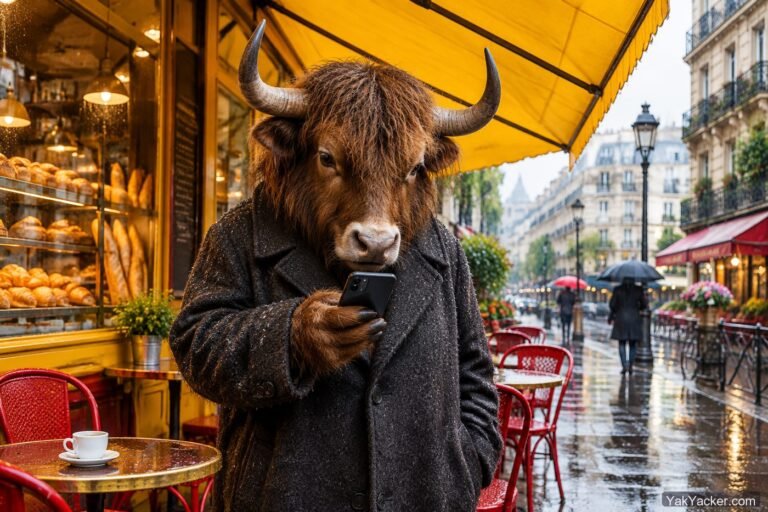
If you want to say “good afternoon” in French, the short answer is a little annoying in the most French way possible: there is no perfect one-size-fits-all translation.
Most of the time, French speakers simply say bonjour. Sometimes you may hear bon après-midi. Later in the day, bonsoir takes over. So yes, there are options. And yes, context does the heavy lifting.
The good news is that this is much easier in real life than it looks in grammar books. By the end of this guide, you’ll know which phrase sounds natural, when to use it, and how not to accidentally greet someone like a textbook from 1987.
If you want a broader greeting guide first, see how to say hello in French. For the full learning hub, visit Learn French.
The Short Answer
In standard everyday French, the most natural way to say “good afternoon” is usually bonjour.
That surprises a lot of English speakers, because bonjour is often taught as “good morning.” But in real French, it covers both good morning and good afternoon in many situations.
Then, as evening begins, people switch to bonsoir, which means good evening.
Bon après-midi exists, but it is not the default greeting when you walk up to someone. It is more often used as a kind of parting phrase, like “have a nice afternoon.”
Quick Rule: Use bonjour to greet someone in the afternoon, and use bon après-midi more often to wish them a nice afternoon as you leave.
The Three Key Phrases You Need
| French | Pronunciation | Meaning | Example Sentence | Translation | Learner Note |
|---|---|---|---|---|---|
| bonjour | bohn-ZHOOR | hello; good morning; good afternoon | Bonjour, vous allez bien ? | Hello, are you doing well? | The most common daytime greeting in France. |
| bon après-midi | bohn ah-preh mee-DEE | good afternoon; have a nice afternoon | Bon après-midi, à demain ! | Have a nice afternoon, see you tomorrow! | Usually sounds more natural when leaving than when arriving. |
| bonsoir | bohn-SWAR | good evening | Bonsoir, vous avez une réservation ? | Good evening, do you have a reservation? | Used from the evening onward, not for early afternoon. |
Why Bonjour Often Means “Good Afternoon”
This is the big thing English speakers need to get comfortable with: bonjour is a daytime greeting, not just a morning greeting.
If you walk into a bakery at 2:00 p.m., a shop at 3:30 p.m., or an office at 1:15 p.m., bonjour is usually exactly right.
French does not split the day in exactly the same way English does. In English, “good afternoon” feels very normal from noon onward. In French, bonjour keeps working well into the afternoon.
So if your goal is to sound natural, not robotic, bonjour should probably be your default choice.
When To Use Bonjour
Use bonjour when you are greeting someone during the daytime, including most of the afternoon.
- entering a shop
- meeting a colleague after lunch
- answering the door in the daytime
- starting a conversation politely
- speaking to a stranger, waiter, receptionist, or cashier
| French | Pronunciation | Meaning | Example Sentence | Translation | Learner Note |
|---|---|---|---|---|---|
| Bonjour, madame. | bohn-ZHOOR ma-DAM | Hello, ma’am. | Bonjour, madame, je voudrais un café. | Hello, ma’am, I’d like a coffee. | Polite and very useful in cafés and shops. |
| Bonjour, monsieur. | bohn-ZHOOR muh-SYUH | Hello, sir. | Bonjour, monsieur, vous pouvez m’aider ? | Hello, sir, can you help me? | Good for formal or polite situations. |
| Bonjour à tous. | bohn-ZHOOR ah TOOS | Hello everyone. | Bonjour à tous, on commence ? | Hello everyone, shall we begin? | Common in meetings, classes, and group settings. |
| Bonjour, ça va ? | bohn-ZHOOR sah VAH | Hello, how are you? | Bonjour, ça va ? Tu as passé une bonne journée ? | Hello, how are you? Have you had a good day? | Ça va ? is casual. Use vous allez bien ? for more formality. |
When Bon Après-Midi Works Best
Bon après-midi literally means “good afternoon,” so learners naturally want to use it as a greeting. Logical? Yes. Most natural choice every time? Not really.
In standard France French, bon après-midi is more commonly used when saying goodbye or wishing someone a pleasant afternoon.
Think of it more like “have a good afternoon” than “hello.” That mental shift fixes a lot.
| French | Pronunciation | Meaning | Example Sentence | Translation | Learner Note |
|---|---|---|---|---|---|
| Bon après-midi ! | bohn ah-preh mee-DEE | Have a good afternoon! | Merci, bon après-midi à vous aussi ! | Thanks, have a good afternoon too! | Very natural as a parting phrase. |
| Passez un bon après-midi. | pah-SAY uhn bohn ah-preh mee-DEE | Have a nice afternoon. | Passez un bon après-midi, à bientôt. | Have a nice afternoon, see you soon. | Polite and slightly more formal. |
| Je vous souhaite un bon après-midi. | zhuh voo sweht uhn bohn ah-preh mee-DEE | I wish you a nice afternoon. | Je vous souhaite un bon après-midi, madame. | I wish you a nice afternoon, ma’am. | Formal, warm, and useful in professional settings. |
| Bonne fin d’après-midi. | bun fan dah-preh mee-DEE | Have a nice rest of the afternoon. | Bonne fin d’après-midi et à demain. | Enjoy the rest of your afternoon and see you tomorrow. | Useful later in the afternoon. |
Can bon après-midi be used as a greeting? Sometimes, yes. But in many everyday situations it can sound less natural than bonjour. Not wrong. Just not the phrase most people reach for first.
When To Switch To Bonsoir
Bonsoir means “good evening,” and it replaces bonjour once the day starts feeling like evening.
There is no universal magical minute when everyone in France switches. It depends on season, light, setting, and habit. Around early evening, bonsoir becomes the safer choice.
If you arrive at a restaurant at 7:30 p.m., say bonsoir. If it is 2:00 p.m., absolutely do not say bonsoir unless you want your greeting to feel a little drunk or very confused.
| French | Pronunciation | Meaning | Example Sentence | Translation | Learner Note |
|---|---|---|---|---|---|
| Bonsoir. | bohn-SWAR | Good evening. | Bonsoir, nous avons réservé une table. | Good evening, we booked a table. | Standard evening greeting. |
| Bonsoir à tous. | bohn-SWAR ah TOOS | Good evening everyone. | Bonsoir à tous et merci d’être venus. | Good evening everyone and thank you for coming. | Great for groups, events, or presentations. |
| Bonsoir, comment allez-vous ? | bohn-SWAR koh-mahn tah-lay VOO | Good evening, how are you? | Bonsoir, comment allez-vous ? | Good evening, how are you? | Polite and formal. |
Useful Real-Life Afternoon Phrases
Here are some practical phrases built around afternoon greetings and polite daytime conversation.
| French | Pronunciation | Meaning | Example Sentence | Translation | Learner Note |
|---|---|---|---|---|---|
| Bonjour, je cherche la gare. | bohn-ZHOOR zhuh shersh lah gahr | Hello, I’m looking for the train station. | Bonjour, je cherche la gare, s’il vous plaît. | Hello, I’m looking for the train station, please. | Excellent travel phrase. |
| Bonjour, vous êtes ouvert ? | bohn-ZHOOR voo zet oo-VEHR | Hello, are you open? | Bonjour, vous êtes ouvert ? | Hello, are you open? | Useful for shops and businesses. |
| Bonjour, j’ai rendez-vous à 15 heures. | bohn-ZHOOR zhay rahn-day-VOO ah kanz UR | Hello, I have an appointment at 3 p.m. | Bonjour, j’ai rendez-vous à 15 heures avec le docteur Martin. | Hello, I have an appointment at 3 p.m. with Doctor Martin. | Very practical in offices and clinics. |
| Bonjour, je voudrais un café. | bohn-ZHOOR zhuh voo-DRAY uhn ka-FAY | Hello, I’d like a coffee. | Bonjour, je voudrais un café et un croissant. | Hello, I’d like a coffee and a croissant. | Classic café French. |
| Bon après-midi à tous. | bohn ah-preh mee-DEE ah TOOS | Have a good afternoon, everyone. | Bon après-midi à tous, on se voit demain. | Have a good afternoon, everyone, see you tomorrow. | Natural when ending a meeting or class. |
| Passe une bonne après-midi. | pahs ewn bun ah-preh mee-DEE | Have a good afternoon. | Passe une bonne après-midi chez ta grand-mère. | Have a good afternoon at your grandmother’s house. | Casual tu form. Many speakers also say Passe un bon après-midi because the fixed expression often uses bon. |
| Passez un bon après-midi. | pah-SAY uhn bohn ah-preh mee-DEE | Have a good afternoon. | Passez un bon après-midi, monsieur. | Have a good afternoon, sir. | Polite vous form. |
| Bonne fin de journée. | bun fan duh zhoor-NAY | Have a good rest of the day. | Bonne fin de journée et bon courage. | Have a good rest of the day, and hang in there. | Very common late afternoon phrase. |
| À cet après-midi. | ah set ah-preh mee-DEE | See you this afternoon. | À cet après-midi devant le musée. | See you this afternoon in front of the museum. | Less common than simply saying the time, but useful. |
| On se voit cet après-midi ? | ohn suh vwah set ah-preh mee-DEE | Shall we see each other this afternoon? | On se voit cet après-midi ? Vers 14 heures ? | Shall we meet this afternoon? Around 2 p.m.? | Casual and natural. |
Bonjour Vs Bon Après-Midi Vs Bonsoir
Here is the practical difference in plain English.
| Phrase | Main Use | Best English Match | Natural Timing | Learner Note |
|---|---|---|---|---|
| bonjour | Greeting | hello / good morning / good afternoon | morning through afternoon | Best default daytime greeting. |
| bon après-midi | Parting wish | have a good afternoon | when leaving in the afternoon | Possible as a greeting, but less common. |
| bonsoir | Greeting | good evening | evening onward | Do not use for early afternoon. |
Common Mistakes English Speakers Make
- Using bon après-midi every time after noon. It sounds logical, but bonjour is usually more natural as a greeting.
- Thinking bonjour only means good morning. In real French, it covers a lot more daytime territory.
- Using bonsoir too early. Afternoon is still bonjour time in most situations.
- Skipping the greeting entirely. In France, saying bonjour before asking for something is basic politeness, not optional decoration.
If you remember only one thing, remember this: in the afternoon, greet with bonjour, leave with bon après-midi, and switch to bonsoir in the evening.
A Quick Note On Pronunciation
Bonjour is pronounced roughly bohn-ZHOOR. The final r is the French throaty r, but do not obsess over it on day one. Being polite matters more than sounding like a Parisian audiobook.
Bonsoir is roughly bohn-SWAR.
Après-midi can look intimidating, but it breaks nicely into ah-preh mee-DEE.
Also note the accent in après. It matters in spelling, even if your keyboard occasionally acts like it has personal problems.
Politeness Matters More Than Perfect Timing
French greetings are strongly tied to politeness. In many everyday settings, especially in France, you should say bonjour when entering a shop, beginning a conversation, or asking a question.
Even if your grammar is messy afterward, the greeting earns you goodwill. It is the social key that opens the door.
So if you walk into a bakery at 2 p.m., do not overthink whether the sun angle has officially entered “afternoon greeting category B.” Just say bonjour.
Mini Dialogue Examples
| Situation | French | Translation | Learner Note |
|---|---|---|---|
| Café at 2 p.m. | Bonjour, je voudrais un thé, s’il vous plaît. | Hello, I’d like a tea, please. | Perfectly natural afternoon greeting. |
| Leaving the office at 4 p.m. | Bon après-midi, à demain ! | Have a good afternoon, see you tomorrow! | Natural when saying goodbye. |
| Dinner reservation at 8 p.m. | Bonsoir, j’ai une réservation au nom de Taylor. | Good evening, I have a reservation under the name Taylor. | Evening greeting, not afternoon. |
| Meeting a friend at 1 p.m. | Bonjour ! Ça va ? | Hello! How are you? | Still bonjour, even after lunch. |
Related Greetings You’ll Want Next
Once you’ve got afternoon greetings sorted, these guides make a nice next step:
- Good morning in French
- How to say hello in French
- Goodbye in French
- French vocabulary test
- French placement test CEFR
Quick Reference Summary
- Bonjour = the most natural way to greet someone in the afternoon.
- Bon après-midi = more often “have a nice afternoon” when leaving.
- Bonsoir = good evening, used later in the day.
- If you are unsure in the daytime, choose bonjour.
- In France, greeting people politely before asking for something is a big deal.
Yak Takeaway
If your brain wants a neat English-style formula, French is going to shrug stylishly and hand you bonjour. That is the phrase that does most of the work in the afternoon. Save bon après-midi for wishing someone well as you part, and bring out bonsoir once evening really arrives.
So next time it’s 3 p.m., do not panic. Say bonjour, sound normal, and continue your day like the calm multilingual legend you clearly are.