

Dive into the legendary tale of Mulan, the young woman who disguises herself as a man to take her father's place in the army. In this A2 Elementary graded reader, you'll follow her journey from a quiet village to the battlefield, all in Traditional Chinese. Along the way, you'll encounter key words like 家庭 (family), 戰士 (warrior), and 勇敢 (brave).
Our interactive reader offers clickable word translations, so you can understand every character without leaving the story. Plus, listen to the full story audio to perfect your pronunciation. Each chapter includes easy-to-follow lesson notes, making it a complete and free learning experience.
Whether you're new to Chinese or building your foundation, this retelling of Mulan is designed to help you practice reading and listening at a comfortable pace. Get ready to meet one of China's most beloved heroes!
很久以前,有一個女孩叫木蘭。她和爸爸、媽媽住在一起。木蘭很愛她的家人。
一天,有人來到村子。"每家要一個男人去軍隊!"他們說。木蘭的爸爸很老了,他不能戰鬥。木蘭很擔心。
那天晚上,木蘭想:"我可以去!我要幫助爸爸。"她剪了頭髮,穿上。她去了。
在軍隊裡,木蘭學習和。她每天都練習。她對朋友說:"我來幫助你!"朋友們都喜歡她。
一天,敵人來了。軍隊要。木蘭很。她說:"一、二、三,衝!"她和朋友一起。
戰鬥很,但木蘭大家。將軍說:"你做得很好!"木蘭笑了。
很多年後,。木蘭回到家。她看到爸爸和媽媽,開心地。"爸爸!媽媽!我回來了!"
她的軍隊朋友來看她。他們很:"木蘭,你是女孩?"木蘭笑著說:"是的,我很,因為我是木蘭!"
大家都很開心。從那以後,他們說:"木蘭是最的女孩。"
Long ago, there was a girl named Mulan. She lived with her father and mother. Mulan loved her family very much.
One day, some men came to the village. "One man from each family must join the army!" they said. Mulan's father was very old and could not fight. Mulan was worried.
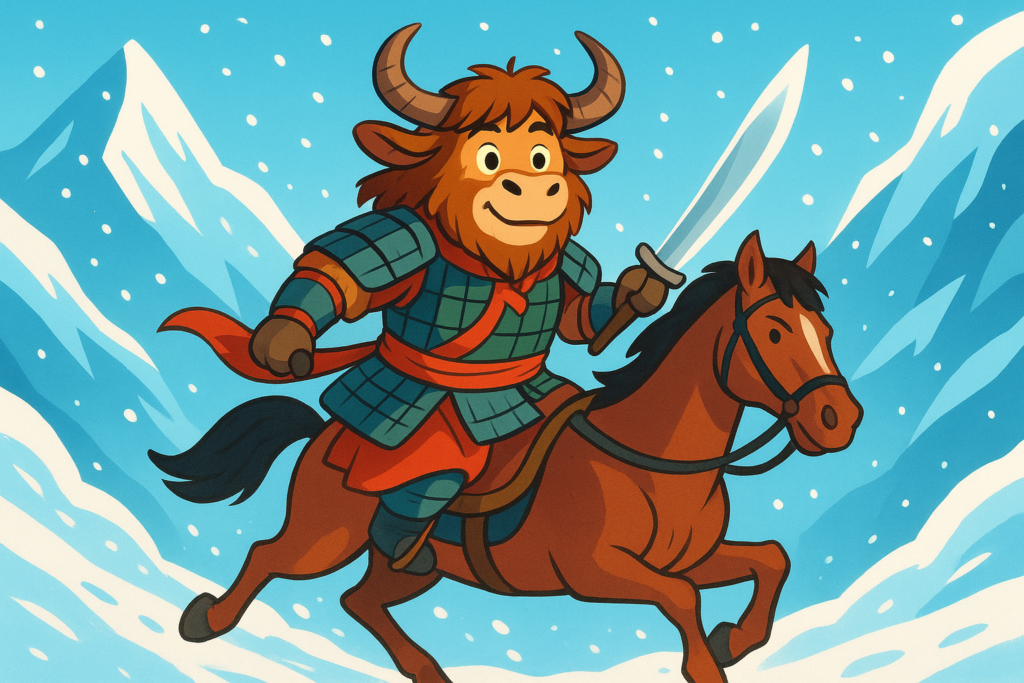
That night, Mulan thought, "I can go! I will help my father." She cut her hair and put on armor. She went to the army.
In the army, Mulan learned to ride horses and fight. She practiced every day. She said to her friends, "Let me help you!" Her friends all liked her.
One day, the enemy came. The army had to fight. Mulan was very brave. She said, "One, two, three, charge!" and she fought with her friends.
The battle was fierce, but Mulan saved everyone. The general said, "You did a great job!" Mulan smiled.
Many years later, the war ended. Mulan returned home. She saw her father and mother and cried with joy. "Father! Mother! I'm back!"
Her army friends came to visit her. They were surprised: "Mulan, you are a girl?" Mulan smiled and said, "Yes, I am brave because I am Mulan!"
Everyone was very happy. From then on, they said, "Mulan is the bravest girl."
Let's look at some important words that appear in Mulan's adventure. Learning these will help you understand the story and use them in your own sentences.
- 女孩 (nǚhái) - girl
- 爸爸 (bàba) - dad
- 媽媽 (māma) - mom
- 軍隊 (jūnduì) - army
- 勇敢 (yǒnggǎn) - brave
- 戰鬥 (zhàndòu) - to fight
- 擔心 (dānxīn) - to worry
- 幫助 (bāngzhù) - to help
In the story, you'll see the character 了 after some verbs. It shows that an action is completed. For example, '她剪了頭髮' means 'She cut her hair.' The 了 tells us the cutting is done. Another example: '木蘭笑了' - 'Mulan smiled.' Here, 了 marks the smile as a finished action. Remember, we often use 了 when talking about what happened. Try reading these lines again and feel how 了 signals the past.
- 她去了軍隊 - She went to the army.
- 木蘭救了大家 - Mulan saved everyone.
Stories need time words to show when things happen. In the Mulan story, you saw phrases like 很久以前 (long, long ago) and 一天 (one day). These set the scene at the beginning. Later, you read 那天晚上 (that night) and 很多年後 (many years later) to jump forward. Using these phrases makes your storytelling clear and easy to follow. Try using them when you tell your own stories!
- 很久以前 - long, long ago
- 一天 - one day
- 那天晚上 - that night
- 很多年後 - many years later
Mulan didn't become a hero in one day-she practiced every day. Now that you've read the story and learned some new words and patterns, why not read it again? This time, try to notice all the 了 and time phrases. You can also use the audio to shadow the sentences and improve your pronunciation. When you're ready, try creating your own short story about a brave character. Use the words and phrases you've learned. 你可以的!
木蘭:勇敢的女兒 comes from the Chinese / legend tradition and is best known as a legend/ballad. This Yak Yacker article is an original learner retelling based on Ballad of Mulan, ancient poem; public domain, so the wording here is simplified for modern learners rather than copied from one old edition.
Older printings, translations, and retellings of this story can vary quite a bit. The original audience was usually kids/general, but this version is adapted for A2 Elementary learners studying Traditional Chinese. Avoid Disney-specific sidekicks/details; retell from ballad tradition.
If you want to look into the source tradition, start with Wikisource.
If you want to keep going, browse more in our Traditional Chinese section. After that, try Essential Chinese Grammar Words for another useful next step.