


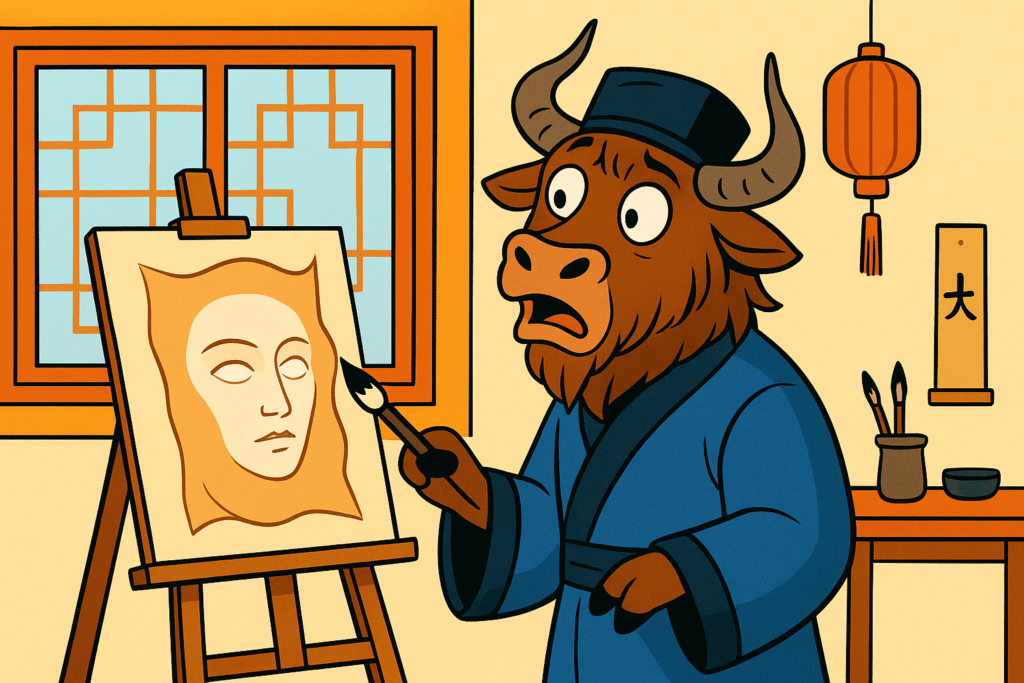
This B1 Intermediate retelling of 画皮 keeps the plot clear for learners while still giving the story some atmosphere and momentum.
This version teaches Simplified Chinese through English and includes clickable word help inside the story, full story audio, and lesson notes after the reading. It is free to use on Yak Yacker and is designed to feel natural, readable, and manageable for learners.
王生是个。他坐在里,忽然听到。
他打开门,看到外面站着一个女子。她,看起来很。
"你是谁?"王生问。
女子说:"我是一个的人。,我找不到。"
王生觉得她很,就说:"请进来吧。"
女子,屋里。从那天起,她住在王生家。
王生很她。他每天和她在一起,自己的妻子陈氏。
陈氏很,但什么也不说。
有一天,王生在街上遇到一个。道士看了他一眼,说:"你的身上有!"
王生很:"我是读书人,怎么会有妖气?"
"那个女人不是人,是!"道士说。"你就明白了。"
王生。他回到家,走到书房窗外,往里看。
天啊!他看到一个的鬼,正拿笔在人皮上!
王生。他这才知道,美丽的女子是鬼,穿着的人皮!
他跑去找道士,说:"大师,!"
道士给他一个,说:"挂在门口,鬼就进去了。"
王生了。晚上,鬼来了,看到拂尘,先是,然后大怒。
"你这,敢骗我!"鬼拂尘,冲进屋里,王生的心,走了。
王生死了,陈氏大哭。她找到道士,他救救丈夫。
道士与鬼,最后用剑了鬼。
道士说:"我你丈夫。但有个,也许能行。"
陈氏找到那个乞丐。他浑身脏臭,一边吃东西,一边吐唾沫。
"美女,你找我做什么?"乞丐问。
"救救我丈夫!"陈氏说。
乞丐大笑:"好!你把这吃下去,我就救他!"他一口浓痰。
陈氏,把痰吞了下去。
她回到家,趴在王生尸体上哭。忽然,她一阵,一个东西,正好落进王生胸口的洞里。
那是一颗!心在王生胸口,接着伤口了。王生慢慢睁开眼,活了过来!
王生看着陈氏,流下眼泪:"我对不起你。今后,我一定你。"
从此,他们夫妻过上了的生活。
这个故事告诉我们:美丽,内心不一定。
This story gives us some vivid words you might not meet in a textbook. Let's look at a few key terms to help you picture the tale and use them in your own Chinese.
Here are some standouts from the story, with pinyin and quick explanations.
- 读书人 (dúshūrén) - a scholar, a learned person
- 鬼 (guǐ) - ghost, spirit (often scary!)
- 人皮 (rénpí) - human skin (here, a painted disguise)
- 拂尘 (fúchén) - fly whisk, a Taoist tool for warding off evil
- 半信半疑 (bàn xìn bàn yí) - half believing, half doubting; skeptical
- 青面獠牙 (qīng miàn liáo yá) - green face and long fangs (classic demon look)
In the story, the ghost "扯下拂尘" (pulled down the whisk) and the beggar said "把这痰吃下去" (eat this phlegm). See the 把? It's a structure that focuses on what happens to the object.
Try it yourself: take any sentence where you do something to an object and flip it. Instead of "我打开了门", you can say "我把门打开了" - same meaning, but the object is front and center.
- 把 + Object + Verb (+ complement): 鬼把拂尘扯下来了。
- Negative: 别把这件事忘了。(Don't forget this.)
- Common with resultative endings: 吃完, 打开, 学会 → 我把饭吃完了。
This story, "Painted Skin," comes from Pu Songling's 聊斋志异 (Strange Tales from a Chinese Studio), a beloved collection of ghost stories written in the 1600s. These tales aren't just spooky - they often hide a moral, like "appearances can deceive."
Reading folk tales in Chinese is a fantastic way to pick up idiomatic language and cultural references. Try searching for more 聊斋 stories adapted for learners!
- Many tales feature clever scholars, beautiful demons, and Taoist magic.
- They often end with a lesson: be careful whom you trust, or kindness wins over evil.
You've just fed your brain a hearty chunk of Chinese - well done! Try retelling the story in your own words, using the new vocabulary and maybe the 把 structure.
Keep that momentum: revisit the story, narrate it to a friend, or dig into another 聊斋 tale. The more you play with the language, the more it sticks.
画皮 comes from the Chinese / Pu Songling tradition and is best known as a strange tale / horror. This Yak Yacker article is an original learner retelling based on Pu Songling, 18th century; public domain, so the wording here is simplified for modern learners rather than copied from one old edition.
Older printings, translations, and retellings of this story can vary quite a bit. The original audience was usually adult/general, but this version is adapted for B1 Intermediate learners studying Simplified Chinese. Horror/adult; use for older B1 only.
If you want to look into the source tradition, start with Project Gutenberg.
If you want to keep going, browse more in our Simplified Chinese section and review the HSK Level 1 Chinese Vocabulary. After that, try Essential Chinese Grammar Words for another useful next step.