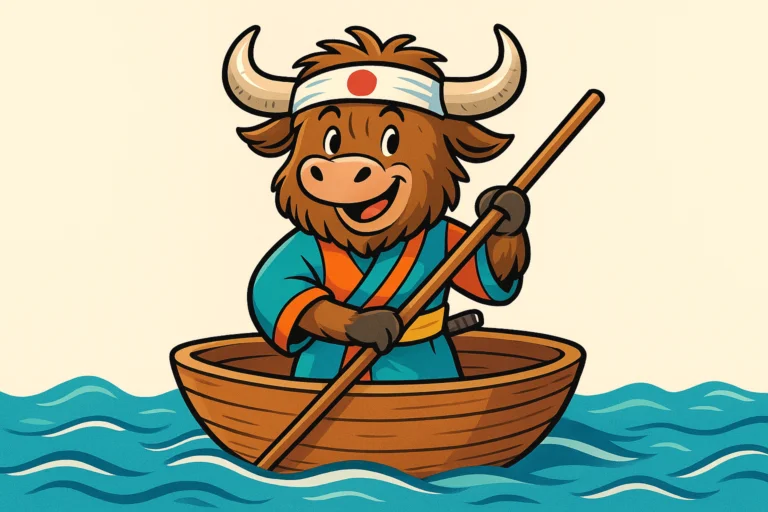
A gentle way to read Japanese without immediately wanting to lie down dramatically
Japanese folktales are oddly perfect for learners. They are short, repetitive, full of memorable characters, and not shy about big life lessons. One old woman washes clothes in the river, one suspicious animal says something weird, and suddenly everyone is learning vocabulary. Convenient, really.
They also give you a feel for how Japanese storytelling works: simple sentence patterns, clear actions, and common words that show up again and again. If you want to build reading confidence, folktales are a much friendlier start than jumping straight into modern novels and getting smacked in the face by five lines of internal monologue. For more beginner-friendly study ideas, you can also explore the wider Learn Japanese section.
Below are nine easy picks that learners often enjoy, plus useful Japanese vocabulary and example sentences you can actually reuse. The goal is not to read like a literature professor in a scarf. The goal is to understand more Japanese, one story at a time.
Why Folktales Work So Well For Japanese Learners
Folktales tend to use familiar actions and repeated structures. You will often see things like “went,” “said,” “gave,” “came,” and “looked.” That is excellent news because common verbs are exactly what beginners need.
- 短い — mijikai — short
- わかりやすい — wakariyasui — easy to understand
- 同じ表現 — onaji hyōgen — the same expressions
- 昔話 — mukashibanashi — folktale / old tale
- 教訓 — kyōkun — moral / lesson
Example sentence: 昔話は短くてわかりやすいです。
Mukashibanashi wa mijikakute wakariyasui desu.
Folktales are short and easy to understand.
The 9 Best Japanese Folktales And Short Stories For Learners
Momotarō
桃太郎
Momotarō
Peach Boy
This is one of the most famous Japanese folktales. A boy is born from a peach, grows up strong, and goes off to fight demons with a dog, monkey, and pheasant. It is weird in a very efficient way.
Why learners like it: the plot is linear, the characters are easy to remember, and the action verbs repeat nicely.
Example sentence: 桃太郎は鬼ヶ島へ行きました。
Momotarō wa Onigashima e ikimashita.
Momotarō went to Demon Island.
Urashima Tarō
浦島太郎
Urashima Tarō
Urashima Tarō
A fisherman saves a turtle, visits a magical undersea palace, then returns home to discover that many years have passed. Cheerful beginning, emotional chaos later. Classic folktale behavior.
Why learners like it: the story introduces time words, travel words, and simple emotional expressions.
Example sentence: 浦島太郎は海で亀を助けました。
Urashima Tarō wa umi de kame o tasukemashita.
Urashima Tarō saved a turtle in the sea.
Kaguya-hime
かぐや姫
Kaguya-hime
Princess Kaguya
A bamboo cutter finds a tiny shining girl inside bamboo. She grows into a beautiful woman and later reveals a connection to the moon. The language can be slightly more poetic in some versions, but simpler retellings are great for learners.
Example sentence: 竹の中に小さい女の子がいました。
Take no naka ni chiisai onnanoko ga imashita.
There was a small girl inside the bamboo.
The Tongue-Cut Sparrow
舌切り雀
Shitakiri Suzume
The Tongue-Cut Sparrow
An old man is kind to a sparrow. An old woman is not. Things go badly for greed, because folktales absolutely love punishing bad behavior with theatrical efficiency.
Why learners like it: simple household vocabulary, feelings, and reward-versus-punishment language.
Example sentence: おじいさんは雀にやさしくしました。
Ojīsan wa suzume ni yasashiku shimashita.
The old man was kind to the sparrow.
The Grateful Crane
鶴の恩返し
Tsuru no Ongaeshi
The Crane’s Return of a Favor
A man helps a crane. Later, a woman appears and weaves beautiful cloth, but asks him not to look inside the room while she works. You can probably guess how well that request goes.
Why learners like it: useful verbs like help, see, make, and give appear naturally.
Example sentence: 男の人は鶴を助けました。
Otoko no hito wa tsuru o tasukemashita.
The man helped the crane.
The Old Man Who Made Dead Trees Bloom
花咲か爺さん
Hanasaka Jīsan
The Old Man Who Made Flowers Bloom
This story features an old man, a dog, kindness, jealousy, and miraculous blossoms. It has the usual folktale ingredients: virtue rewarded, greed punished, and a lot of very clear cause-and-effect.
Example sentence: 枯れた木に花が咲きました。
Kareta ki ni hana ga sakimashita.
Flowers bloomed on the dead tree.
The Rolling Rice Balls
おむすびころりん
Omusubi Kororin
The Rolling Rice Ball
An old man drops a rice ball, which rolls into a hole. That leads to a meeting with mice and, naturally, unexpected rewards. The story is repetitive and rhythmic, which makes it great for reading practice.
Example sentence: おむすびが穴の中にころがりました。
Omusubi ga ana no naka ni korogarimashita.
The rice ball rolled into the hole.
The Battle Of The Monkey And The Crab
さるかに合戦
Saru Kani Gassen
The Monkey-Crab Battle
A monkey tricks a crab, and later the crab’s allies get involved. It is slightly more chaotic than some folktales, but still easy to follow in learner versions.
Why learners like it: lots of animal vocabulary and simple action scenes.
Example sentence: 猿は蟹をだましました。
Saru wa kani o damashimashita.
The monkey tricked the crab.
The Mouse Bride
ねずみの嫁入り
Nezumi no Yomeiri
The Mouse’s Wedding
A family of mice searches for the strongest possible husband for their daughter. Sun, cloud, wind, wall, and finally mouse logic all get involved. It is charming and repetitive, which is exactly what a learner wants.
Example sentence: ねずみの親は強いむこを探しました。
Nezumi no oya wa tsuyoi muko o sagashimashita.
The mouse parents looked for a strong groom.
Folktales repeat important words on purpose. That is not lazy writing. That is free review.
Useful Story Vocabulary And Real-Life Sentences
These words show up again and again in Japanese folktales. Learn them once, and suddenly a lot of stories become much less mysterious.
- 昔 — mukashi — long ago
昔、山におじいさんが住んでいました。
Mukashi, yama ni ojīsan ga sunde imashita.
Long ago, an old man lived in the mountains. - 村 — mura — village
小さい村に女の子がいました。
Chiisai mura ni onnanoko ga imashita.
There was a girl in a small village. - 山 — yama — mountain
男は山へ行きました。
Otoko wa yama e ikimashita.
The man went to the mountain. - 川 — kawa — river
おばあさんは川で洗濯をしました。
Obāsan wa kawa de sentaku o shimashita.
The old woman did laundry in the river. - 海 — umi — sea
亀は海へ帰りました。
Kame wa umi e kaerimashita.
The turtle returned to the sea. - 鬼 — oni — demon / ogre
鬼は島に住んでいます。
Oni wa shima ni sunde imasu.
The demons live on the island. - 姫 — hime — princess
姫は月へ帰りました。
Hime wa tsuki e kaerimashita.
The princess returned to the moon. - 助ける — tasukeru — to help / save
少年は鳥を助けました。
Shōnen wa tori o tasukemashita.
The boy saved the bird. - もらう — morau — to receive
おじいさんは箱をもらいました。
Ojīsan wa hako o moraimashita.
The old man received a box. - 開ける — akeru — to open
彼は箱を開けました。
Kare wa hako o akemashita.
He opened the box. - 見る — miru — to see / look
見てはいけませんと言われました。
Mite wa ikemasen to iwaremashita.
He was told, “You must not look.” - 宝 — takara — treasure
箱の中に宝がありました。
Hako no naka ni takara ga arimashita.
There was treasure in the box.
Best Words To Learn Before You Read
| Kanji | Rōmaji | Meaning | Example | Example Rōmaji | Translation |
|---|---|---|---|---|---|
| 老人 | rōjin | old person | 老人は一人で住んでいました。 | Rōjin wa hitori de sunde imashita. | The old person lived alone. |
| 動物 | dōbutsu | animal | この話には多くの動物が出ます。 | Kono hanashi ni wa ōku no dōbutsu ga demasu. | Many animals appear in this story. |
| 旅 | tabi | journey | 少年は長い旅に出ました。 | Shōnen wa nagai tabi ni demashita. | The boy went on a long journey. |
| 不思議 | fushigi | mysterious | 不思議なことが起きました。 | Fushigi na koto ga okimashita. | A mysterious thing happened. |
| 約束 | yakusoku | promise | 彼は約束を守りませんでした。 | Kare wa yakusoku o mamorimasen deshita. | He did not keep the promise. |
| Kanji | Rōmaji | Meaning | Example | Example Rōmaji | Translation |
|---|---|---|---|---|---|
| 親切 | shinsetsu | kindness | 親切な人は助けてくれます。 | Shinsetsu na hito wa tasukete kuremasu. | Kind people help you. |
| 欲張り | yokubari | greedy | 欲張りなおばあさんは失敗しました。 | Yokubari na obāsan wa shippai shimashita. | The greedy old woman failed. |
| 幸せ | shiawase | happiness | 二人は幸せに暮らしました。 | Futari wa shiawase ni kurashimashita. | The two lived happily. |
| 悲しい | kanashii | sad | 彼はとても悲しい気持ちになりました。 | Kare wa totemo kanashii kimochi ni narimashita. | He felt very sad. |
| 教訓 | kyōkun | moral / lesson | この話の教訓は親切です。 | Kono hanashi no kyōkun wa shinsetsu desu. | The lesson of this story is kindness. |
Common Patterns You Will See In Folktales
You do not need advanced grammar to enjoy these stories. A few patterns carry a huge amount of the meaning.
- 昔、〜がいました。
Mukashi, … ga imashita.
Long ago, there was …
昔、村に貧しい男がいました。
Mukashi, mura ni mazushii otoko ga imashita.
Long ago, there was a poor man in a village. - 〜へ行きました。
… e ikimashita.
went to …
彼は森へ行きました。
Kare wa mori e ikimashita.
He went to the forest. - 〜を見つけました。
… o mitsukemashita.
found …
竹の中に赤ちゃんを見つけました。
Take no naka ni akachan o mitsukemashita.
They found a baby inside the bamboo. - 〜と言いました。
… to iimashita.
said …
「開けないで」と言いました。
“Akenaide” to iimashita.
She said, “Do not open it.” - 〜てしまいました。
… te shimaimashita.
ended up doing / unfortunately did …
彼は箱を開けてしまいました。
Kare wa hako o akete shimaimashita.
He ended up opening the box.
How To Read These Stories Without Getting Stuck
There is a temptation to look up every single word. That sounds responsible, but it can also turn a two-page folktale into a three-hour archaeology project.
- Read the whole story once for the general meaning.
- Underline repeated words instead of panicking at rare ones.
- Focus on verbs first: went, saw, said, gave, opened, returned.
- Learn the character names and story items early.
- Read the same story again out loud.
Reading aloud helps more than many learners expect.
Example sentence: 声に出して読むと覚えやすいです。
Koe ni dashite yomu to oboeyasui desu.
It is easier to remember when you read out loud.
Quick Comparison Table
| Story | Japanese | Difficulty | Good For |
|---|---|---|---|
| Momotarō | 桃太郎 Momotarō | Easy | Action verbs, animals, travel |
| Urashima Tarō | 浦島太郎 Urashima Tarō | Easy | Sea words, time, emotions |
| Kaguya-hime | かぐや姫 Kaguya-hime | Easy to Medium | Nature words, description |
| Shitakiri Suzume | 舌切り雀 Shitakiri Suzume | Easy | Kindness, greed, daily life |
| Tsuru no Ongaeshi | 鶴の恩返し Tsuru no Ongaeshi | Easy | Promises, helping, seeing |
| Hanasaka Jīsan | 花咲か爺さん Hanasaka Jīsan | Easy | Nature, rewards, simple narration |
| Omusubi Kororin | おむすびころりん Omusubi Kororin | Very Easy | Repetition, sound patterns |
| Saru Kani Gassen | さるかに合戦 Saru Kani Gassen | Easy to Medium | Animals, action scenes |
| Nezumi no Yomeiri | ねずみの嫁入り Nezumi no Yomeiri | Easy | Comparison, repetition, family words |
A Curious Bit About Folktale Japanese
Some versions of these stories use older-style Japanese or formal narration. That is normal. If one version feels too stiff, find a graded or children’s retelling instead. You are not failing. You are just picking a text that does not act like it was written by a time-traveling grandfather.
Example sentence: やさしい版から読むのがおすすめです。
Yasashii han kara yomu no ga osusume desu.
I recommend reading the easy version first.
Yak Takeaway
If you want easy Japanese reading that still feels fun, folktales are a ridiculously good choice. Start with 桃太郎 Momotarō or おむすびころりん Omusubi Kororin if you want the smoothest start. Then move to stories like 浦島太郎 Urashima Tarō and 鶴の恩返し Tsuru no Ongaeshi when you want a little more feeling and a little more vocabulary. Read slowly, notice repeated words, and let the stories do the teaching. Turns out old tales still have some tricks left.
More Japanese to explore
The Spider’s Thread: A2 Elementary Japanese Story with Audio
Golden Boy in Japanese: A1 Beginner Story with Audio, Tap-to-Translate Help & Free Lesson Notes

Learn Japanese with The Tale of the Bamboo Cutter – An A2 Graded Reader with Audio