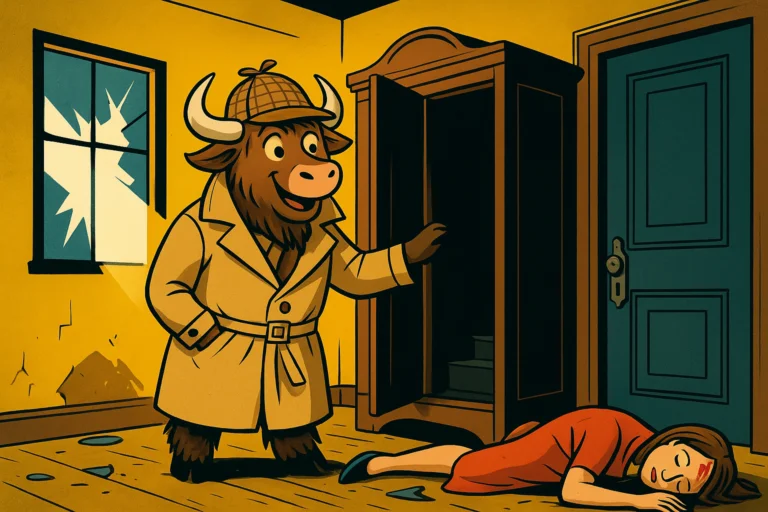
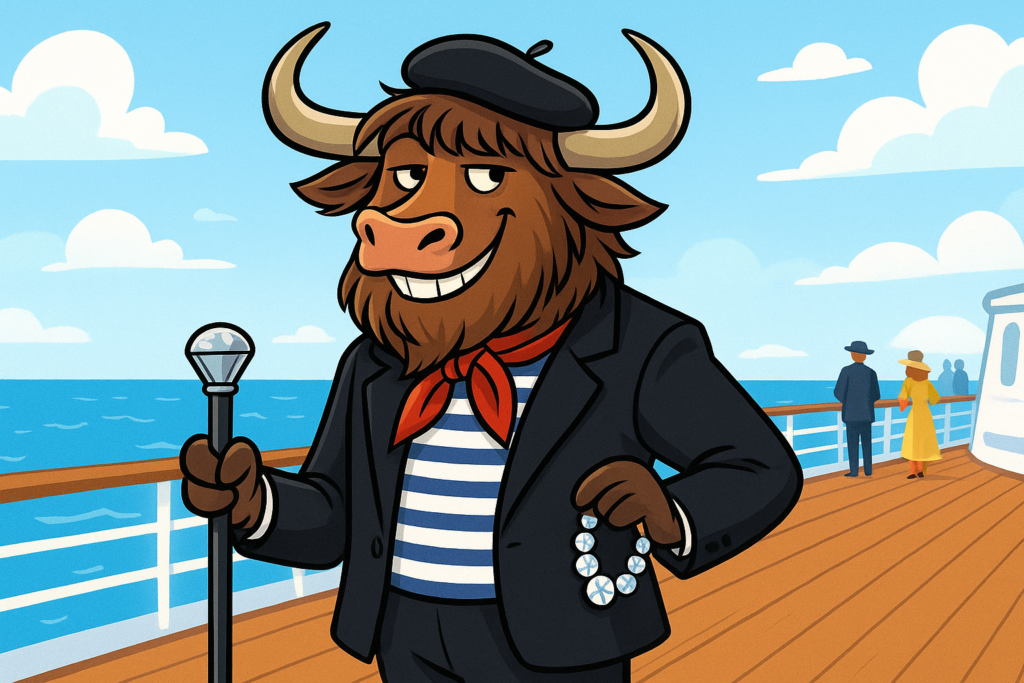
This A2 Elementary retelling of L'Arrestation d'Arsène Lupin keeps the plot clear for learners while still giving the story some atmosphere and momentum. Le paquebot « La Provence » fait la traversée de New York au Havre. Les passagers sont riches et élégants.
This version teaches French through English and includes clickable word help inside the story, full story audio, and lesson notes after the reading. It is free to use on Yak Yacker and is designed to feel natural, readable, and manageable for learners.
C'est le mois de juillet. Le paquebot « La Provence » fait la de New York au Havre. Les passagers sont . Mais une nouvelle circule : le célèbre voleur Arsène Lupin est à bord. Il est , bien sûr. Personne ne sait où il est. Les femmes cachent leurs bijoux. Les hommes ont peur.
L'inspecteur Ganimard est aussi sur le bateau. Il est petit, nerveux, avec une moustache grise. Il dit à tout le monde : « Je connais Lupin. Je vais l'. C'est mon . » Mais Lupin est très . Il change d'apparence tous les jours. Un jour, c'est un vieux monsieur avec une canne. Le lendemain, c'est un jeune sportif. Ganimard cherche, mais il ne trouve rien.
Mademoiselle Nelly est une jeune Américaine très jolie. Elle possède des bijoux magnifiques : un collier de diamants, des bagues, des bracelets. Un soir, dans sa cabine, elle découvre une lettre. La lettre dit : « Chère Mademoiselle, j'ai vos bijoux. Je vous les un jour. Merci. Arsène Lupin. » Mademoiselle Nelly est . Elle appelle le commandant.
Le commandant réunit les passagers. « Les bijoux de Mademoiselle Nelly ont disparu. Arsène Lupin est le voleur. Nous allons toutes les cabines. » Ganimard les passagers. Un homme, M. Rozaine, semble . Dans sa poche, on trouve les bijoux ! Ganimard crie : « Arsène Lupin, je vous arrête ! » Mais Rozaine proteste : « Ce n'est pas moi ! Je suis innocent ! » On l'emmène quand même.
Le bateau arrive au Havre. M. Rozaine est en prison. Les passagers sont . Mais un passager nommé Pierre a des doutes. Il a rencontré un homme charmant pendant le voyage. Cet homme s'appelle M. de la Marnière. Il est toujours calme, souriant. Un jour, il dit à Pierre : « Vous croyez que Rozaine est Lupin ? . » Pierre ne comprend pas.
Le dernier soir du voyage, Pierre parle avec M. de la Marnière dans le salon. L'homme sort une petite clé de sa poche. Il dit : « Regardez. Avec cette clé, j' toutes les cabines. Je suis Arsène Lupin. » Pierre est . Lupin sourit : « Ne vous inquiétez pas. Demain, je vais me à la police. C'est plus amusant. » Et il disparaît dans la nuit.
Le matin, au Havre, Ganimard est sur le quai. Il attend. Soudain, un homme élégant s'avance. C'est M. de la Marnière. Il dit : « Bonjour, Ganimard. Je suis Arsène Lupin. . » Ganimard est . Il met les menottes à Lupin. « Enfin ! Je vous tiens ! » Lupin rit : « Vous êtes content, hein ? »
On fait monter Lupin dans un train pour Paris. Ganimard est assis à côté de lui. Mais pendant le voyage, Lupin s'endort. Quand le train arrive à Paris, Ganimard secoue Lupin. Mais ce n'est plus Lupin ! C'est un autre homme, endormi. Dans la poche de Ganimard, il y a un mot : « Cher Ganimard, merci pour le voyage. Je suis . À bientôt. Arsène Lupin. »
Ganimard est . Il crie : « Ah ! Le ! Il m'a échappé ! » Les passagers du train rient. Arsène Lupin est encore libre.
Let's pick out some useful French words that drive this adventurous tale. Many will serve you well beyond detective stories!
Pay attention to how these words appear in context - they'll help you express surprise, describe people, and talk about valuables.
- un voleur - a thief (Arsène Lupin is a gentleman voleur)
- les bijoux (m.) - jewellery (think of bijou = jewel)
- déguisé(e) - disguised (Lupin is a master of disguise)
- malin / maligne - clever, cunning (often used for tricky minds)
The story uses two main past tenses: the passé composé for completed actions and the imparfait for descriptions or ongoing situations.
Notice how the narrator sets the scene with imparfait (Il était petit, nerveux…) then switches to passé composé when the action moves forward (On l'a emmené…).
- Passé composé : « Les bijoux de Mademoiselle Nelly ont disparu. »
- Imparfait : « Ganimard était assis à côté de lui. »
- Mix : « Il a rencontré… Cet homme s'appelait… »
The dialogue is full of lively expressions that reveal character. Ganimard's confidence, Lupin's playfulness, and the surprise twists all come through in short, punchy phrases.
These little gems are perfect for adding colour to your own French conversations.
- « C'est mon affaire ! » - It's my business! (Ganimard being boastful)
- « Détrompez-vous. » - Think again. (Lupin being mysterious)
- « Ah ! Le coquin ! » - Oh! The rascal! (Ganimard's exasperation)
You've just tasted Maurice Leblanc's world of cunning and charm. Lupin's adventures are a delightful way to improve your French while enjoying classic stories.
Why not try reading another Arsène Lupin tale, or listen to a podcast version? The more you immerse yourself, the more these expressions will feel natural.
- Look for « L'Aiguille creuse » for more Lupin tricks.
- Re-read this story aloud to practise the past tenses.
- Try describing a clever person you know using malin or maligne.
L'Arrestation d'Arsène Lupin comes from the French / Arsène Lupin tradition and is best known as a detective/crime story. This Yak Yacker article is an original learner retelling based on Maurice Leblanc, 1905; public domain in U.S. for early stories, so the wording here is simplified for modern learners rather than copied from one old edition.
Older printings, translations, and retellings of this story can vary quite a bit. The original audience was usually general, but this version is adapted for A2 Elementary learners studying French. Use early Lupin stories only; later works need checking.
If you want to look into the source tradition, start with Project Gutenberg.
If you want to keep going, browse more in our French section and review the A2 French Vocabulary List. After that, try Basic Questions in French for another useful next step.