This A1 Beginner retelling of Le Chat Botté keeps the plot clear for learners while still giving the story some atmosphere and momentum. Le chat dit : « Achète-moi des bottes et un sac. » Le chat met les bottes.
This version teaches French through English and includes clickable word help inside the story, full story audio, and lesson notes after the reading. It is free to use on Yak Yacker and is designed to feel natural, readable, and manageable for learners.
Un jeune homme s'appelle . Il a un . Le chat est très . Le chat dit : « des bottes et un sac. »
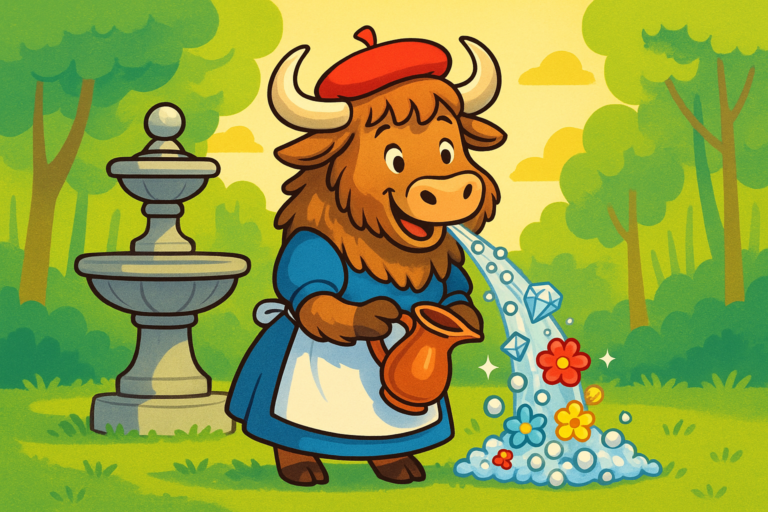
Le chat . Il le sac. Il va dans la . Il attrape un lapin. Il donne le lapin au roi. Il dit : « C'est un cadeau du . »
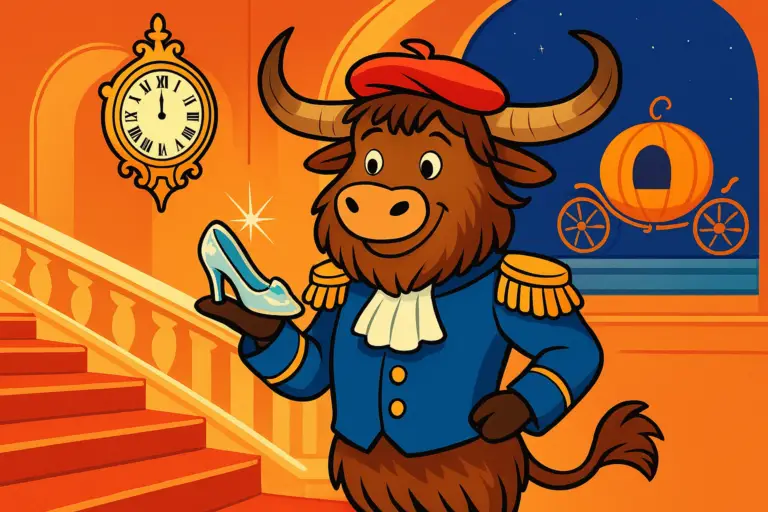
Un jour, le roi et sa fille sont en . Le chat dit à Charles : « Va dans la ! » Charles va dans l'eau. Le chat : « Au voleur ! Les vêtements du Marquis ! » Le roi donne de beaux vêtements à Charles.
Le chat va à la ferme. Il dit aux fermiers : « que cette terre est au Marquis de Carabas. » Les fermiers : « Oui, monsieur le Chat. »
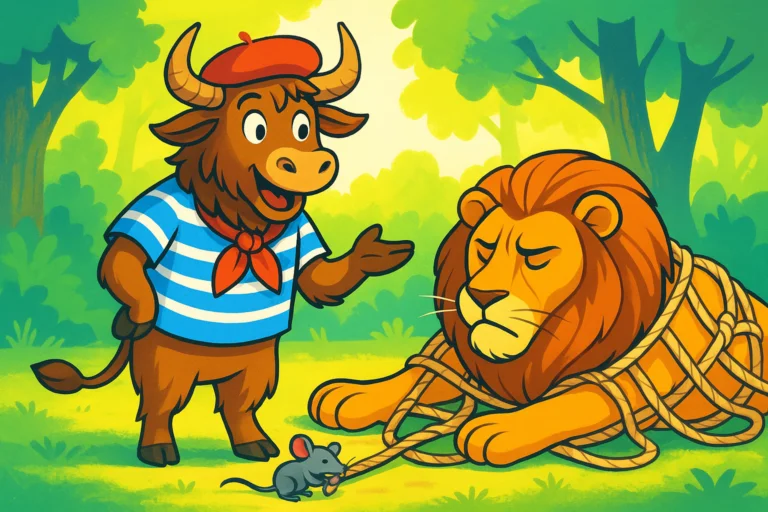
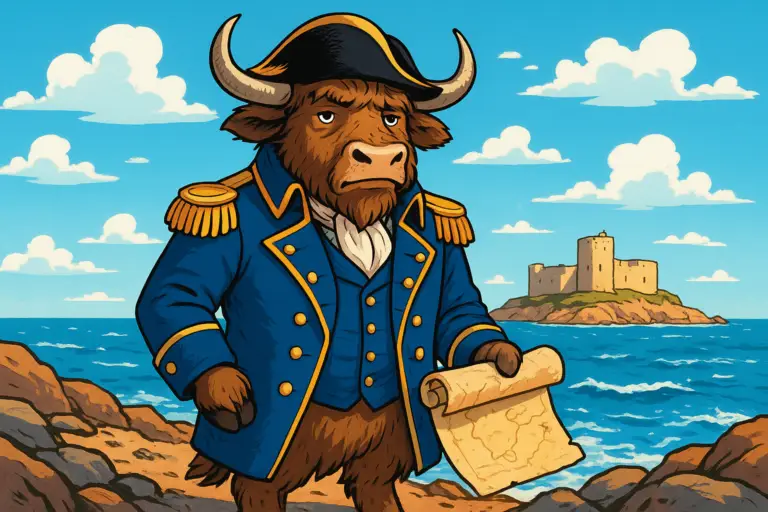
Le chat va au château de l'ogre. L'ogre est et . L'ogre se . Le chat a peur. L'ogre se transforme en souris. Le chat la souris. Le château est maintenant au chat.
Le roi au château. Il voit les terres et le grand château. Il dit : « Marquis, vous êtes ! » La princesse est . Charles et la princesse se marient. Le chat porte toujours ses belles bottes. Il est très heureux.
Et ils vivent .
A young man is named Charles. He has a cat. The cat is very intelligent. The cat says: "Buy me boots and a bag."
The cat puts on the boots. He takes the bag. He goes into the forest. He catches a rabbit. He gives the rabbit to the king. He says: "It's a gift from the Marquis of Carabas."
One day, the king and his daughter are in a carriage. The cat says to Charles: "Go into the river!" Charles goes into the water. The cat shouts: "Stop thief! The Marquis's clothes!" The king gives fine clothes to Charles.
The cat goes to the farm. He says to the farmers: "Tell the king that this land belongs to the Marquis of Carabas." The farmers say: "Yes, Mr. Cat."
The cat goes to the ogre's castle. The ogre is big and mean. The ogre transforms into a lion. The cat is scared. The ogre transforms into a mouse. The cat eats the mouse. The castle now belongs to the cat.
The king arrives at the castle. He sees the lands and the big castle. He says: "Marquis, you are rich!" The princess is happy. Charles and the princess get married. The cat still wears his beautiful boots. He is very happy.
And they live happily ever after.
Fairy tales are wonderful for picking up new words-and this story introduces some very useful ones. The characters and objects appear again and again, which helps them stick.
- le chat (cat)
- les bottes (boots)
- le roi (king), la princesse (princess)
- le château (castle), la forêt (forest)
- le lapin (rabbit), la souris (mouse)
The whole story unfolds in the present tense, just like we often tell anecdotes in English. Notice how the verbs change their endings depending on who is doing the action.
Most verbs in the story follow regular or common irregular patterns-perfect for a first taste of French verbs.
- Il dit - he says (infinitive: dire)
- Il va - he goes (infinitive: aller)
- Il donne - he gives (infinitive: donner)
- Il attrape - he catches (infinitive: attraper)
The cat is quite bossy! He uses the imperative to tell people what to do. In French, forming a simple command depends on whom you're talking to.
For someone you know well (tu), the command form often looks like the normal present tense but drops the final -s for -er verbs.
- Achète-moi des bottes ! - Buy me boots! (acheter, tu form)
- Va dans la rivière ! - Go into the river! (aller, tu form)
- Dites au roi… - Tell the king… (dire, vous form - polite/plural)
You've just entered a French fairy tale-and secretly learned verbs, nouns, and commands along the way. Try retelling the story out loud, or even changing it: what if the cat were a dog?
Look for other simple tales and notice the same patterns. Every story builds your French toolkit.
- You now know how to talk about kings, castles, and clever cats.
- Practice commands by giving yourself small tasks in French at home.
- Bien joué ! (Well done!)
Le Chat Botté comes from the French / Perrault tradition and is best known as a fairy tale. This Yak Yacker article is an original learner retelling based on Perrault, 1697; public domain, so the wording here is simplified for modern learners rather than copied from one old edition.
Older printings, translations, and retellings of this story can vary quite a bit. The original audience was usually kids, but this version is adapted for A1 Beginner learners studying French. Good clothing/animal/action vocabulary.
If you want to look into the source tradition, start with Project Gutenberg.
If you want to keep going, browse more in our French section and review the A1 French Vocabulary List. After that, try Basic Questions in French for another useful next step.