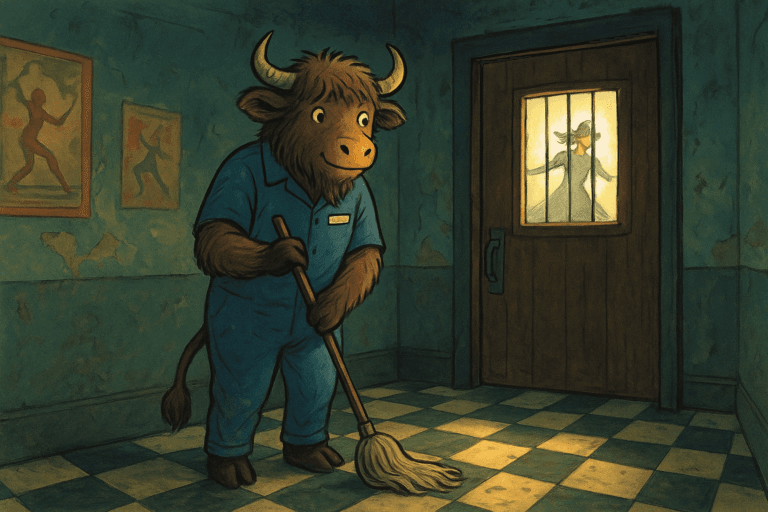
English speakers have a whole menu of apologies, and yes, “sorry” is only the starter. Sometimes it means “I made a mistake.” Sometimes it means “I need you to repeat that.” And sometimes it means “I am trying to be polite while the toaster, the traffic, and my own bad timing ruin my day.”
For the broader learning path, visit our parent guide.
This guide will help you say sorry in natural English, from very small mistakes to serious apologies. You’ll learn the difference between sorry, excuse me, my bad, I apologize, and more. You’ll also see which phrases sound polite, casual, formal, or a little too dramatic for a coffee spill.
By the end, you’ll know how to apologize clearly, sound natural, and avoid the classic learner mistake of using the wrong apology in the wrong situation. English is picky like that.
The Quick Big Idea
In English, a good apology usually has three parts:
- Say sorry with the right phrase.
- Say what happened in simple words.
- Show repair by offering help, a fix, or a promise.
For example: “I’m sorry I’m late. The bus was delayed, but I’m here now.” That is short, clear, and normal. No Oscar speech needed.
Common Ways To Say Sorry In English
Here are the most useful apology phrases first, with pronunciation help, meaning, and real-life examples.
| English | Pronunciation | Meaning | Example Sentence | Learner Note |
|---|---|---|---|---|
| Sorry | SOR-ee | A general apology; can be polite, casual, or serious depending on tone. | Sorry, I’m a little late. | The most common apology in English. |
| I’m sorry | aim SOR-ee | A clear and polite apology. | I’m sorry for the mistake. | Safer than just “sorry” in many situations. |
| I’m so sorry | aim soh SOR-ee | A stronger apology with more feeling. | I’m so sorry to hear that. | Good for bad news or bigger mistakes. |
| I apologize | eye uh-POL-uh-jyze | Formal apology. | I apologize for the confusion. | Common in business, emails, and formal speech. |
| My apologies | my uh-POL-uh-jeez | A short formal apology. | My apologies for the delay. | Polite and slightly formal. |
| Excuse me | ik-SKYOOS mee | Used to get attention, pass by, or interrupt politely. | Excuse me, can I ask a question? | Not always a true apology, but often works like one. |
| Pardon me | PAR-dun mee | Polite way to say you didn’t hear or to interrupt. | Pardon me, did you say Monday or Tuesday? | More formal or old-fashioned in American English. |
| My bad | my bad | Casual way to say “That was my mistake.” | My bad, I sent the wrong file. | Very casual; not for formal situations. |
| That was my fault | that wuz my fawlt | You accept responsibility. | That was my fault, not yours. | Very useful and honest. |
| I didn’t mean to | eye DID-nt meen too | You say the mistake was accidental. | I didn’t mean to interrupt you. | Good when you want to soften the apology. |
| Forgive me | fer-GIV mee | A stronger, sometimes dramatic apology. | Forgive me for being late. | Sounds serious, emotional, or old-fashioned depending on context. |
| Oops | oops | A tiny mistake or accident. | Oops, I dropped your pen. | Very casual; often used for small errors. |
How To Apologize In Different Situations
The best apology depends on the situation. English speakers change their words based on how serious the mistake is. This is one of those tiny language things that causes big confusion.
| Situation | Good Phrase | Example | Why It Works |
|---|---|---|---|
| Small mistake | Sorry / My bad | Sorry, I took your seat. | Short, natural, and not too serious. |
| Being late | I’m sorry I’m late | I’m sorry I’m late. Traffic was terrible. | Direct and common. |
| Interrupting someone | Excuse me | Excuse me, can I add something? | Polite and normal in conversation. |
| Formal email | I apologize / My apologies | I apologize for the inconvenience. | Professional and respectful. |
| Accidentally bumping someone | Sorry / Excuse me | Sorry! Are you okay? | Fast, polite, and common. |
| Serious mistake | I’m truly sorry | I’m truly sorry for what happened. | Shows sincerity. |
| Not hearing clearly | Pardon me? | Pardon me? Could you repeat that? | Polite way to ask for repetition. |
Useful Apology Phrases For Real Life
These phrases go beyond just “sorry.” They help you sound natural, kind, and clear. Use them in conversation, texts, emails, and everyday life.
| English | Pronunciation | Meaning | Example Sentence | Learner Note |
|---|---|---|---|---|
| I’m sorry about that | aim SOR-ee uh-BOUT that | General apology for a problem. | I’m sorry about that. Let me fix it. | Very useful when you don’t want to repeat the whole mistake. |
| That was my mistake | that wuz my mis-TAYK | You take responsibility. | That was my mistake. I’ll resend the message. | Professional and clear. |
| That was my fault | that wuz my fawlt | You caused the problem. | That was my fault, not yours. | Very common in spoken English. |
| I made a mistake | eye mayd uh mis-TAYK | You admit an error. | I made a mistake on the form. | Simple and honest. |
| I didn’t mean to | eye DID-nt meen too | It was accidental. | I didn’t mean to be rude. | Softens the apology. |
| Thanks for understanding | thanks fer un-der-STAN-ding | You thank the person for being patient. | Thanks for understanding my situation. | Nice after an apology. |
| I’ll make it up to you | ail mayk it UP too yoo | You will do something to fix the problem. | I’ll make it up to you with dinner. | Common after disappointing someone. |
| Please forgive me | pleez fer-GIV mee | Strong request for forgiveness. | Please forgive me for forgetting your birthday. | Can sound emotional or serious. |
| I won’t let it happen again | eye wont let it HAP-ən uh-GEN | You promise to improve. | I won’t let it happen again. | Useful in serious apologies. |
| Sorry to bother you | SOR-ee too BOD-er yoo | A polite way to interrupt or ask for help. | Sorry to bother you, but can you help me? | Very common and polite. |
| Sorry for the inconvenience | SOR-ee fer thee in-kən-VEE-nee-əns | Formal apology for causing trouble. | Sorry for the inconvenience. The office is closed today. | Often used in customer service. |
| My apologies for the confusion | my uh-POL-uh-jeez fer the kun-FYOO-zhən | Formal apology when something was unclear. | My apologies for the confusion. Here is the correct schedule. | Business-friendly and polite. |
Sorry, Excuse Me, Or Pardon Me?
These three are related, but they do different jobs.
| Phrase | Main Use | Example | Register |
|---|---|---|---|
| Sorry | Apology after a mistake or accident. | Sorry, I stepped on your foot. | Neutral, casual, polite |
| Excuse me | Before interrupting, passing by, or getting attention. | Excuse me, do you work here? | Polite, very common |
| Pardon me | Ask someone to repeat or to be polite while interrupting. | Pardon me, could you say that again? | Formal, polite, a bit old-fashioned in American English |
Yak tip: “Sorry” fixes mistakes. “Excuse me” helps you enter the conversation. “Pardon me” sounds like the speaker ironed their shirt just to ask a question.
How To Make Your Apology Stronger
Sometimes one small “sorry” is enough. Other times, especially after a bigger mistake, English speakers expect a little more. A stronger apology often includes one of these extras:
- Take responsibility: “That was my fault.”
- Explain simply: “I missed the message.”
- Show regret: “I’m really sorry.”
- Offer a fix: “I’ll send the correct file now.”
- Promise improvement: “It won’t happen again.”
Example: “I’m really sorry for the delay. I had the wrong time in my calendar, but I’ve fixed it now.”
That sounds much better than just “sorry” by itself. One word is fine for a dropped pencil. Not so great for a missed appointment, a broken promise, or a confusing email that made three people panic.
Apology Patterns You Can Copy
These patterns are easy to reuse in many situations.
| Pattern | Meaning | Example | Learner Note |
|---|---|---|---|
| I’m sorry + reason | Apologize and explain why. | I’m sorry I missed your call. | Very common in speech and writing. |
| I’m sorry for + noun/gerund | Apologize for a thing or action. | I’m sorry for the confusion. | Use for before a noun or verb ending in -ing. |
| I’m sorry that + clause | Apologize for a full situation. | I’m sorry that you had to wait. | Very natural and flexible. |
| Excuse me + question | Polite interruption or request. | Excuse me, where is the station? | Good for strangers and service situations. |
| My fault, + fix | Admit the mistake and move to repair. | My fault, I’ll update it now. | Short and casual. |
Polite Vs Casual Apologies
English uses different apology styles depending on who you’re talking to. A friend, a teacher, a manager, and a customer service agent do not all want the same tone. Shocking, I know.
| Style | Phrases | Best Use |
|---|---|---|
| Casual | Sorry, my bad, oops | Friends, family, small mistakes |
| Neutral | I’m sorry, that was my fault | Most everyday situations |
| Polite | Excuse me, sorry to bother you | Strangers, coworkers, public places |
| Formal | I apologize, my apologies, sorry for the inconvenience | Emails, work, service, official situations |
American English often uses sorry a lot in daily conversation. British English also uses sorry a lot, but pardon or pardon me can sound a bit more common in some British settings. In the U.S., pardon me can sound more formal or old-fashioned.
What To Say After Sorry
A strong apology usually does not stop at “sorry.” Here are helpful follow-up phrases.
| Phrase | Meaning | Example | When To Use It |
|---|---|---|---|
| It won’t happen again | You promise to avoid the mistake. | It won’t happen again. | After a real mistake or delay |
| Let me fix that | You will solve the problem. | Let me fix that right now. | Work, service, everyday problems |
| Thanks for your patience | You appreciate someone waiting calmly. | Thanks for your patience while I checked. | Customer service, work, email |
| I appreciate your understanding | You thank the person for being forgiving. | I appreciate your understanding during this busy time. | Polite and professional |
| I’ll be more careful next time | You promise to improve. | I’ll be more careful next time. | Good after a small but annoying mistake |
Common Mistakes Learners Make
| Mistake | Better Version | Why |
|---|---|---|
| I am apologize | I apologize | Apologize is the verb. Don’t use am with it. |
| Sorry for I am late | I’m sorry I’m late | Use a full sentence after sorry. |
| Excuse me for being late | I’m sorry for being late | Excuse me is usually for interruption, not usually for a late arrival. |
| My apologies for confusion | My apologies for the confusion | Often use the before a specific noun. |
| Pardon me for late | Pardon me, I’m late or I’m sorry I’m late | Grammar needs a clearer structure. |
| I’m sorry to hear that for your own mistake | I’m sorry for that / I’m sorry about that | I’m sorry to hear that is usually for bad news about someone else. |
Pronunciation Tips For Sorry Words
A few apology words can be tricky because the stress changes the sound.
- sorry = SOR-ee. The first syllable is stressed.
- apologize = uh-POL-uh-jyze. The stress is on the second syllable.
- excuse me = ik-SKYOOS mee. In this apology use, stress falls on SKYOOS.
- pardon me = PAR-dun mee. The first syllable gets more force.
For learners, the important thing is not to sound perfect. The important thing is to sound clear and sincere. English speakers forgive many things. A weird apology tone, though, can make people suspicious. Human beings are charmingly strange.
Mini Practice
Try these quick practice items. Short answers are best.
- Choose the best phrase: You want to interrupt a stranger politely. → Excuse me / sorry / my bad
- Choose the best phrase: You missed a meeting and want to sound formal. → I apologize / oops / my bad
- Choose the best phrase: You accidentally stepped on someone’s foot. → Sorry / forgive me / pardon me
- Fill in the blank: I’m sorry _____ the confusion. → for
- Fill in the blank: That was my _____. → fault
- Rewrite casually: I apologize for the mistake. → Sorry about that.
- Rewrite formally: Oops, I sent the wrong file. → I apologize. I sent the wrong file.
Short Real-Life Examples
| Situation | Natural Apology | Why It Sounds Good |
|---|---|---|
| Late to class | I’m sorry I’m late. The train was delayed. | Simple and honest. |
| Interrupting a meeting | Excuse me, can I ask one quick question? | Polite and natural. |
| Texting a friend | My bad. I forgot to reply. | Casual and friendly. |
| Customer service email | We apologize for the inconvenience. | Formal and standard. |
| Accident in public | Sorry! Are you okay? | Fast, human, and normal. |
When To Use An Official Apology
Sometimes a casual sorry is not enough. Use a more formal apology when you are writing to a boss, a client, a teacher, a customer, or anyone who expects professional language.
Good formal apology phrases include:
- I apologize for the delay.
- My apologies for the confusion.
- Sorry for the inconvenience.
- We appreciate your patience.
- Please accept our apologies.
If you want a reliable dictionary check, see Cambridge Dictionary’s entry for “sorry”. It’s boring in the best possible way.
Quick Reference Summary
- Sorry = general apology
- I’m sorry = polite apology
- I’m so sorry = stronger feeling
- Excuse me = interrupt or get attention politely
- Pardon me = polite, often more formal
- My bad = casual mistake
- I apologize = formal apology
- That was my fault = accept responsibility
- I didn’t mean to = accidental mistake
- I’ll make it up to you = offer a fix or compensation
If you want to keep building practical English, you can also take the English Vocabulary Test or check your level with the English Placement Test CEFR. Both are less scary than they sound.
Yak Takeaway: In English, “sorry” is useful, but the best apology matches the situation. Casual for small mistakes, polite for daily life, and formal for work. Tiny word, big social power.