Traditional Chinese Fantasy & Adventure Vocabulary: 80 Iconic Words
Traditional Chinese Fantasy & Adventure Vocabulary: 80 Iconic Words (No Textbook Vibes) 奇幻與冒險詞彙(繁體中文) Want fantasy, sci-fi, and adventure vocabulary that […]
All Yak Yacker Traditional Chinese posts (繁體中文 fántǐ zhōngwén)—practical phrases, characters, grammar patterns, and Taiwan-style Mandarin learning tips.
Traditional Chinese Fantasy & Adventure Vocabulary: 80 Iconic Words (No Textbook Vibes) 奇幻與冒險詞彙(繁體中文) Want fantasy, sci-fi, and adventure vocabulary that […]
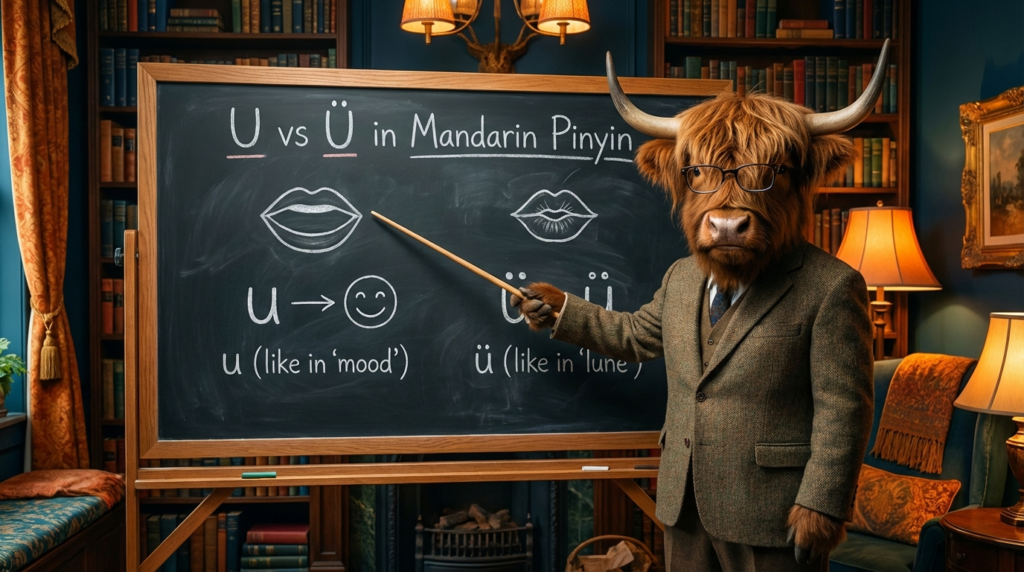
Mandarin Pinyin U vs Ü: Say It Right Without Guessing Topic Name: 拼音 u 與 ü 的差別 (Pīnyīn u yǔ
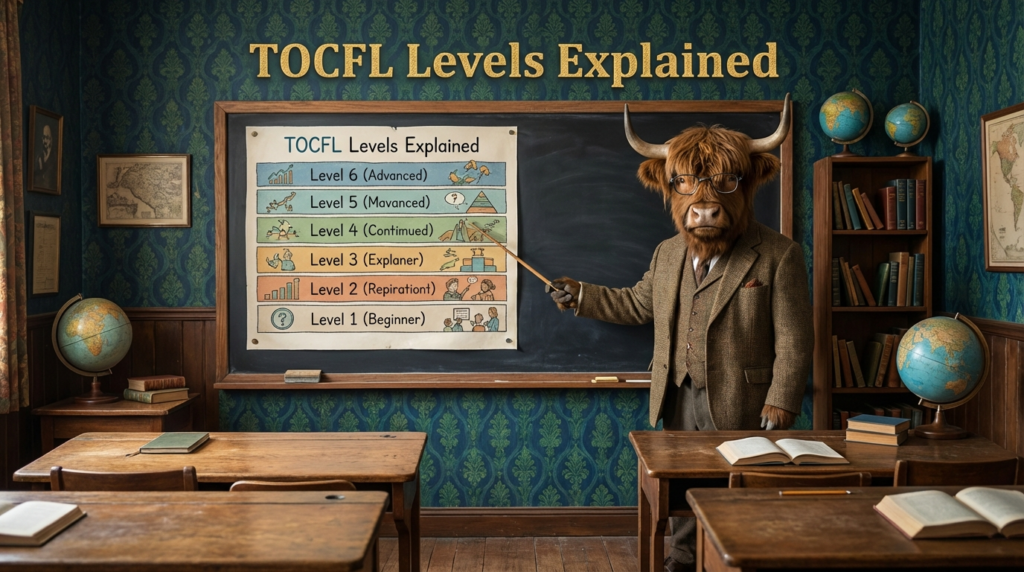
TOCFL has 6 levels grouped into three bands: Band A (Levels 1–2), Band B (Levels 3–4), and Band C (Levels
Best Apps to Learn Traditional Chinese for Kids Topic In Chinese: 兒童學繁體中文App (ér tóng xué fán tǐ Zhōng wén App)
Traditional Chinese Pick-Up Lines You Can Actually Use Topic In Chinese: 土味情話 (tǔwèi qínghuà) — “cheesy, punny, internet-viral flirt lines”
Adjectives in Chinese: Why You Don’t Need “To Be” (and When to Use 很) Subtitle: 中文形容詞:不用「是」,但要會用「很」 — speak naturally without
How to Use 的 / 得 / 地: The 3 “De” Particles (Simple Rules, Real Examples) Traditional Chinese: 的 /
How to Compare in Chinese: 比, 沒有, and 一樣 (Without Grammar Pain) Learn the comparison patterns you actually use in
Chinese Coverbs You Actually Need: 在, 跟, 給, 對 Place, with, to/for — the four tiny words that quietly run