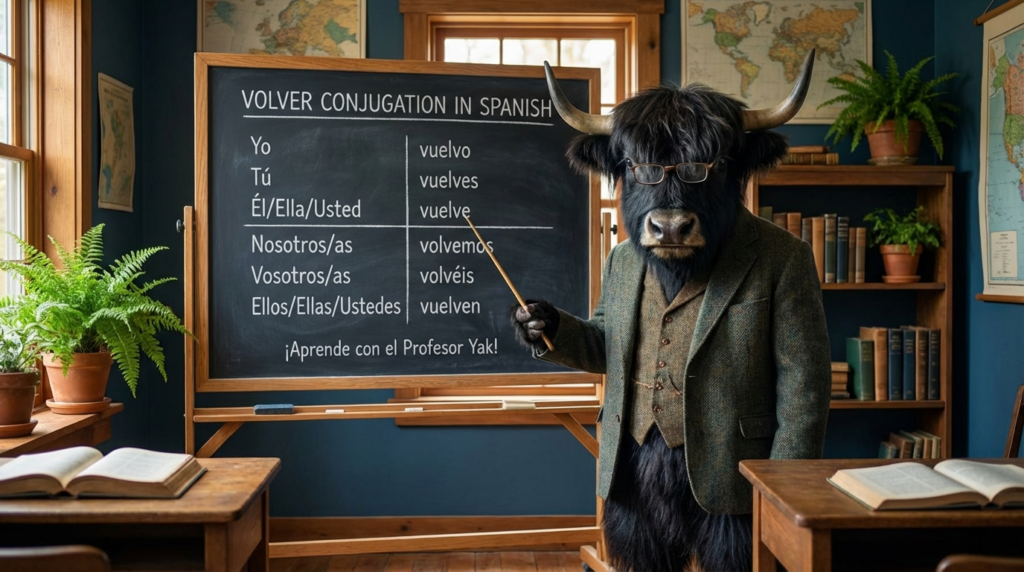
Limpiar Conjugation in Spanish
Easy forms, real examples, and the clean little difference between limpiar, lavar, and ordenar.
The first time I heard “Limpia la mesa, por favor”, I gave the table one proud little wipe and mentally awarded myself a gold medal. Turns out the job was to actually clean the whole thing, not perform a tiny ceremonial swipe and walk away like a hero. Humbling. Very beginner.
The good news is that limpiar is friendly. It is a regular -ar verb, so the forms behave the way you want them to behave. Once you learn the main chart and a few real-life patterns, you can use it for homes, desks, spills, screens, reputations, and all the glamorous messes of adult life.
Yak Box
Fast takeaway: limpiar usually means to clean, wipe, clear out, or clean up. It is regular, so you get forms like limpio, limpias, limpia, limpiamos. In Mexican Spanish, the forms you will use most are yo, tú, usted, nosotros, and ustedes. You will still see vosotros in charts, so it is worth recognizing even if you never say it out loud.
Quick Forms You Will Actually Use
Meaning
limpiar = to clean, to wipe, to clean up
Gerund
limpiando = cleaning
Estoy limpiando la cocina. = I am cleaning the kitchen.
Past Participle
limpiado = cleaned
He limpiado mi escritorio. = I have cleaned my desk.
Present
yo limpio = I clean
Yo limpio el baño. = I clean the bathroom.
Command
¡Limpia! = Clean!
¡Limpia tu cuarto! = Clean your room!
Subjunctive
que yo limpie = that I clean
Quiero que limpies la mesa. = I want you to clean the table.
Core Conjugation Chart
Limpiar is a regular -ar verb. That is the whole charm. No stem change, no surprise spelling drama, just normal endings doing their job.
In Mexico, you will mostly need tú, usted, nosotros, and ustedes. I am including vosotros too so the chart is complete and you do not have to stare at another conjugation table like it personally offended you.
| Pronoun | Present | Preterite | Imperfect | Future | Conditional |
|---|---|---|---|---|---|
| yo | limpio | limpié | limpiaba | limpiaré | limpiaría |
| tú | limpias | limpiaste | limpiabas | limpiarás | limpiarías |
| él / ella / usted | limpia | limpió | limpiaba | limpiará | limpiaría |
| nosotros | limpiamos | limpiamos | limpiábamos | limpiaremos | limpiaríamos |
| vosotros | limpiáis | limpiasteis | limpiabais | limpiaréis | limpiaríais |
| ellos / ellas / ustedes | limpian | limpiaron | limpiaban | limpiarán | limpiarían |
Two forms to notice: limpiamos can mean we clean or we cleaned. Context tells you which one is meant. Also, limpiaba usually means used to clean or was cleaning, which is why the imperfect feels softer and more ongoing.
What These Tenses Actually Mean
| Tense | Main Job | Example | English Meaning |
|---|---|---|---|
| Present | Habit, routine, or general truth | Limpio la cocina después de cenar. | I clean the kitchen after dinner. |
| Preterite | Completed action | Ayer limpié el carro. | Yesterday I cleaned the car. |
| Imperfect | Repeated past action or background action | De niño limpiaba mi cuarto los sábados. | As a child, I used to clean my room on Saturdays. |
| Future | What will happen | Mañana limpiaré la oficina. | Tomorrow I will clean the office. |
| Conditional | What would happen | Yo limpiaría el garaje, pero necesito una siesta moral primero. | I would clean the garage, but I need a moral nap first. |
Non-Finite Forms And Useful Helpers
| Form | Spanish | English Meaning | Example |
|---|---|---|---|
| Infinitive | limpiar | to clean | Necesito limpiar la sala. = I need to clean the living room. |
| Gerund | limpiando | cleaning | Estoy limpiando la pantalla. = I am cleaning the screen. |
| Past Participle | limpiado | cleaned | He limpiado el baño. = I have cleaned the bathroom. |
| Near Future | voy a limpiar | going to clean | Voy a limpiar antes de que lleguen. = I am going to clean before they arrive. |
| Present Perfect | he limpiado | have cleaned | Ya he limpiado mi escritorio. = I have already cleaned my desk. |
Good habit: use estoy limpiando for something happening right now, and use he limpiado when the cleaning is already done but still matters now.
Present Subjunctive And Commands
This is where beginners often squint at the page and whisper, “why is limpie suddenly here?” Relax. It is still regular. For the present subjunctive, you start from the yo form limpio, drop the -o, and add the regular subjunctive endings.
| Pronoun | Present Subjunctive | English Meaning |
|---|---|---|
| yo | limpie | that I clean |
| tú | limpies | that you clean |
| él / ella / usted | limpie | that he, she, you clean |
| nosotros | limpiemos | that we clean |
| vosotros | limpiéis | that you all clean |
| ellos / ellas / ustedes | limpien | that they, you all clean |
Common trigger: Quiero que limpies la cocina. = I want you to clean the kitchen.
| Command | Affirmative | Negative | English Meaning |
|---|---|---|---|
| tú | limpia | no limpies | clean / do not clean |
| usted | limpie | no limpie | clean / do not clean |
| nosotros | limpiemos | no limpiemos | let’s clean / let’s not clean |
| vosotros | limpiad | no limpiéis | clean / do not clean |
| ustedes | limpien | no limpien | clean / do not clean |
Real command examples: ¡Limpia tu escritorio! = Clean your desk. ¡No limpien la pantalla con ese producto! = Do not clean the screen with that product.
Limpiar Vs Lavar Vs Ordenar
This is the part many charts skip, and honestly, they should not. Knowing the form is good. Knowing which verb to use in actual life is better.
| Verb | When To Use It | Example | English Meaning |
|---|---|---|---|
| limpiar | Clean a space, surface, object, mess, or clutter | Voy a limpiar la cocina. | I am going to clean the kitchen. |
| lavar | Wash with water, especially clothes, dishes, hands, hair, face, or a car | Tengo que lavar los platos. | I have to wash the dishes. |
| ordenar | Tidy, organize, or put things in order | Necesito ordenar mi escritorio. | I need to tidy my desk. |
A simple way to remember it: if water is doing the heavy lifting, lavar is often the better choice. If you are cleaning a room, wiping a counter, clearing a spill, or cleaning up a mess, limpiar is usually the one you want. If the place is not dirty so much as chaotic, welcome to ordenar.
Useful Real-Life Sentences
- Limpio la cocina después de cenar. — I clean the kitchen after dinner.
- ¿Puedes limpiar la mesa, por favor? — Can you clean the table, please?
- Mi jefe limpia su escritorio antes de cada reunión. — My boss cleans his desk before every meeting.
- Ayer limpié el carro por dentro. — Yesterday I cleaned the car inside.
- Cuando vivía solo, limpiaba el baño cada domingo. — When I lived alone, I used to clean the bathroom every Sunday.
- Voy a limpiar el refrigerador esta noche. — I am going to clean the refrigerator tonight.
- Estamos limpiando la oficina ahora mismo. — We are cleaning the office right now.
- He limpiado todo y todavía falta algo. — I have cleaned everything and something is still left.
- Si tuviera tiempo, limpiaría el garaje. — If I had time, I would clean the garage.
- Quiero que limpies tu cuarto antes de salir. — I want you to clean your room before leaving.
- ¡Limpie la pantalla con cuidado! — Clean the screen carefully!
- No limpien el piso hasta que se seque la pintura. — Do not clean the floor until the paint dries.
- Necesitamos limpiar el nombre de la empresa. — We need to clear the company’s name.
- Ella siempre limpia el teclado con un paño suave. — She always cleans the keyboard with a soft cloth.
Practice Section
Try these before peeking at the answers. Your ego will survive. Probably.
- Change to the preterite: Yo limpio la cocina.
- Change to the imperfect: Nosotros limpiamos el patio todos los sábados.
- Change to the future: Ella limpia la oficina mañana.
- Turn it into a tú command: Tú limpias tu escritorio.
- Turn it into a negative ustedes command: Ustedes limpian la pantalla con ese químico.
- Complete the sentence with the subjunctive: Espero que tú ________ tu cuarto.
Answers
- Yo limpié la cocina.
- Nosotros limpiábamos el patio todos los sábados.
- Ella limpiará la oficina mañana.
- ¡Limpia tu escritorio!
- No limpien la pantalla con ese químico.
- Espero que tú limpies tu cuarto.
Common Mistakes And Fixes
- Mistake: yo limpie for simple present.
Fix: yo limpio is the present tense. yo limpie is subjunctive. - Mistake: using lavar for every kind of cleaning.
Fix: use lavar when washing with water; use limpiar for most other cleaning. - Mistake: forgetting that limpiamos can be present or preterite.
Fix: let the time words do the work: hoy limpiamos vs. ayer limpiamos. - Mistake: thinking limpiar must be irregular because it ends in -iar.
Fix: this one is regular, so the forms stay calm and boring in the best possible way. - Mistake: overusing the gerund.
Fix: say estoy limpiando for “I am cleaning,” but use la limpieza when you need the noun “cleaning.”
Quick Reference Summary
- limpiar = to clean, wipe, clean up, or clear out
- It is a regular -ar verb
- Present: limpio, limpias, limpia, limpiamos, limpiáis, limpian
- Preterite: limpié, limpiaste, limpió, limpiamos, limpiasteis, limpiaron
- Imperfect: limpiaba, limpiabas, limpiaba, limpiábamos, limpiabais, limpiaban
- Gerund: limpiando
- Past participle: limpiado
- Subjunctive: limpie, limpies, limpie, limpiemos, limpiéis, limpien
- limpiar is usually not the same as lavar
Final Yak
If you can remember yo limpio, ayer limpié, antes limpiaba, que limpies, and ¡limpia!, you already have the forms that do most of the real work. The rest is repetition, context, and a few more kitchen counters than anyone asked for.