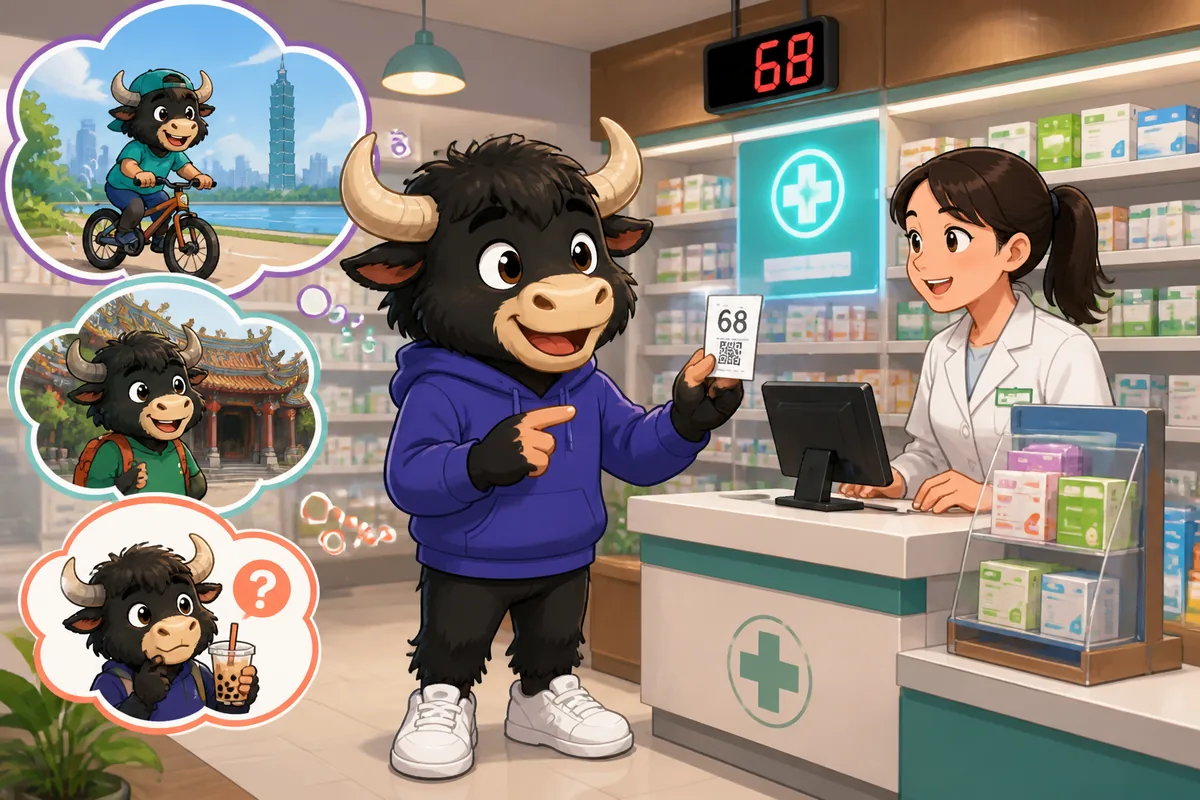
我年轻的时候常常___。
wǒ niánqīng de shíhou chángcháng ___.
I used to ___ when I was younger.
Meaning: I used to ___ when I was younger. (我年轻的时候常常___ (wǒ niánqīng de shíhou chángcháng ___))
When to use: Use this to talk about past habits or repeated actions when you were younger. You can also say 我小时候常常___ (wǒ xiǎoshíhou chángcháng ___) to mean childhood habits.
Examples ▼ 我年轻的时候常常住在乡下,早上五点就起床。
Wǒ niánqīng de shíhou chángcháng zhù zài xiāngxià, zǎoshang wǔ diǎn jiù qǐchuáng.
When I was younger I often lived in the countryside and woke at 5 am.
我年轻的时候常常和朋友去图书馆自习。
Wǒ niánqīng de shíhou chángcháng hé péngyou qù túshūguǎn zìxí.
When I was younger I often studied with friends at the library.
我以前去过___。
wǒ yǐqián qù guo ___.
I’ve been to ___ before.
Meaning: I’ve been to ___ before. (我以前去过___ (wǒ yǐqián qù guo ___))
When to use: Use this to say you have experience visiting a place in the past. Put the place after 去过 (qù guo).
Tip: Don't confuse 去过 (qù guo) with 去了 (qù le). 去过 emphasizes having the experience; 去了 often emphasizes the action of having gone.
Examples ▼ 我以前去过杭州,那里的西湖很漂亮。
Wǒ yǐqián qù guo Hángzhōu, nàlǐ de Xīhú hěn piàoliang.
I've been to Hangzhou before; the West Lake is beautiful there.
我以前去过一次日本,对那里的文化印象很深。
Wǒ yǐqián qù guo yīcì Rìběn, duì nàlǐ de wénhuà yìnxiàng hěn shēn.
I've been to Japan once before; I'm impressed by the culture.
你___过吗
Nǐ ___ guo ma?
Have you ever ___?
Meaning: Have you ever ___? (你___过吗? (Nǐ ___ guo ma?))
When to use: Use this to ask if someone has had a past experience. Put a verb or verb phrase in the blank, e.g., 你去过中国吗?
Tip: Beginners sometimes say 你___了吗? — that's incorrect here; use 过 (guo) to ask about experience, not 了 (le).
Examples ▼ 你学过中文吗
Nǐ xué guo Zhōngwén ma?
Have you ever studied Chinese?
你坐过热气球吗?
Nǐ zuò guo rèqìqiú ma?
Have you ever ridden in a hot-air balloon?
那件事发生在我___的时候。
Nà jiàn shì fāshēng zài wǒ ___ de shíhou.
That happened when I was ___.
Meaning: That happened when I was ___. (那件事发生在我___的时候。 (Nà jiàn shì fāshēng zài wǒ ___ de shíhou.))
When to use: Use this to place an event in time. Fill the blank with an age, life stage, or time period like 十岁, 上大学, or 几年前.
Examples ▼ 那件事发生在我上大学的时候,我永远忘不了。
Nà jiàn shì fāshēng zài wǒ shàng dàxué de shíhou, wǒ yǒngyuǎn wàng bùliǎo.
That happened when I was at university; I'll never forget it.
那件事发生在我十岁的时候,一直在我心里。
Nà jiàn shì fāshēng zài wǒ shí suì de shíhou, yīzhí zài wǒ xīn lǐ.
That happened when I was ten; it's stayed with me.
我第一次___是在___。
Wǒ dì yī cì ___ shì zài ___.
The first time I ___ was ___.
Meaning: The first time I ___ was ___. (我第一次___是在___. (Wǒ dì yī cì ___ shì zài ___.))
When to use: Use this to introduce the first occurrence. Put the action after 第一次 and the time/place after 是在.
Examples ▼ 我第一次出国是在二十岁,那次旅行改变了我。
Wǒ dì yī cì chūguó shì zài èrshí suì, nà cì lǚxíng gǎibiàn le wǒ.
The first time I went abroad was at twenty; that trip changed me.
我第一次学开车是在我爸爸教我的时候。
Wǒ dì yī cì xué kāichē shì zài wǒ bàba jiào wǒ de shíhou.
The first time I learned to drive was when my dad taught me.
在那之前,我从来没___过。
Zài nà zhīqián, wǒ cónglái méi ___ guo.
I had never ___ before.
Meaning: Before that, I had never ___. (在那之前,我从来没___过。 (Zài nà zhīqián, wǒ cónglái méi ___ guo.))
When to use: Use this to stress that something was new before a particular event. It emphasizes 'never before' in your experience.
Tip: Don't add 了 right after 没 — the correct is 从来没___过 (cónglái méi ___ guo) to express 'had never'.
Examples ▼ 在那之前,我从来没飞过,现在我喜欢旅行。
Zài nà zhīqián, wǒ cónglái méi fēi guo, xiànzài wǒ xǐhuan lǚxíng.
Before that, I had never flown; now I like traveling.
在那之前,我从来没做过公开演讲,开始很紧张。
Zài nà zhīqián, wǒ cónglái méi zuò guo gōngkāi yǎnjiǎng, kāishǐ hěn jǐnzhāng.
Before that, I'd never done public speaking and was very nervous at first.
我没想到会___。
Wǒ méi xiǎngdào huì ___.
I didn’t expect to ___.
Meaning: I didn’t expect to ___. (我没想到会___. (Wǒ méi xiǎngdào huì ___.))
When to use: Use this when a result surprised you. This phrase expresses that the outcome was unexpected.
Examples ▼ 我没想到会遇到这么好的老师,真幸运。
Wǒ méi xiǎngdào huì yù dào zhème hǎo de lǎoshī, zhēn xìngyùn.
I didn't expect to meet such a great teacher — very lucky.
我没想到会下雨,所以忘了带伞,结果淋湿了。
Wǒ méi xiǎngdào huì xià yǔ, suǒyǐ wàng le dài sǎn, jiéguǒ lín shī le.
I didn't expect it to rain, so I forgot my umbrella and got soaked.
之后,我就___了。
Zhīhòu, wǒ jiù ___ le.
After that, I ___.
Meaning: After that, I ___. (之后,我就___了。 (Zhīhòu, wǒ jiù ___ le.))
When to use: Use this to continue a story and describe what happened next. You can often use short actions after 就.
Examples ▼ 那天发生事故后,之后,我就搬到别的城市了。
Nà tiān fāshēng shìgù hòu, zhīhòu, wǒ jiù bān dào bié de chéngshì le.
After the accident that day, I moved to another city.
会议很长,之后,我就直接回家休息了。
Huìyì hěn cháng, zhīhòu, wǒ jiù zhíjiē huí jiā xiūxi le.
The meeting was long; after that, I went straight home to rest.
我记得___
Wǒ jìde ___.
I remember ___.
Meaning: I remember ___. (我记得___. (Wǒ jìde ___.))
When to use: Use this to recall a detail or memory from the past. It introduces something you can clearly picture or remember.
Examples ▼ 我记得那天的天空特别蓝,大家都很开心。
Wǒ jìde nà tiān de tiānkōng tèbié lán, dàjiā dōu hěn kāixīn.
I remember the sky was especially blue that day and everyone was happy.
我记得她第一次来我家时带了小礼物。
Wǒ jìde tā dì yī cì lái wǒ jiā shí dài le xiǎo lǐwù.
I remember she brought a small gift the first time she came to my house.
那是我有过的最棒的___之一。
Nà shì wǒ yǒu guo de zuì bàng de ___ zhī yī.
It was one of the best ___ I’ve ever had.
Meaning: It was one of the best ___ I’ve ever had. (那是我有过的最棒的___之一。 (Nà shì wǒ yǒu guo de zuì bàng de ___ zhī yī.))
When to use: Use this to summarize the emotional value of a past experience. Put a noun like 经历, 旅行, or 周末 in the blank.
Examples ▼ 那是我有过的最棒的旅行之一,我们每天都很开心。
Nà shì wǒ yǒu guo de zuì bàng de lǚxíng zhī yī, wǒmen měi tiān dōu hěn kāixīn.
It was one of the best trips I've ever had; we were happy every day.
那是我有过的最棒的夏天之一,我学会了冲浪。
Nà shì wǒ yǒu guo de zuì bàng de xiàtiān zhī yī, wǒ xuéhuì le chōnglàng.
It was one of the best summers I've had; I learned to surf.
几年前,我___。
Jǐ nián qián, wǒ ___.
A few years ago, I ___.
Meaning: A few years ago, I ___. (几年前,我___. (Jǐ nián qián, wǒ ___.))
When to use: Use this to introduce a past experience in a simple, general way. It signals a past timeframe.
Examples ▼ 几年前,我搬到现在的城市开始工作。
Jǐ nián qián, wǒ bān dào xiànzài de chéngshì kāishǐ gōngzuò.
A few years ago I moved to this city to start working.
几年前,我学会了做饭,现在常常自己做晚饭。
Jǐ nián qián, wǒ xuéhuì le zuòfàn, xiànzài chángcháng zìjǐ zuò wǎnfàn.
A few years ago I learned to cook; now I often make dinner myself.
我曾经___
Wǒ céngjīng ___.
I once ___.
Meaning: I once ___. (我曾经___. (Wǒ céngjīng ___.))
When to use: Use this to mention a single past event or experience. Informal alternatives: 我有一次___ (wǒ yǒu yīcì ___).
Examples ▼ 我曾经骑自行车旅行一个月,那是一段难忘的经历。
Wǒ céngjīng qí zìxíngchē lǚxíng yī gè yuè, nà shì yī duàn nánwàng de jīnglì.
I once cycled on a trip for a month; it was unforgettable.
我曾经参加过一个语言交换项目,收获很多朋友。
Wǒ céngjīng cānjiā guo yī gè yǔyán jiāohuàn xiàngmù, shōuhuò hěn duō péngyou.
I once joined a language exchange program and made many friends.
结果我最后___。
Jiéguǒ wǒ zuìhòu ___.
I ended up ___.
Meaning: I ended up ___. (结果我最后___. (Jiéguǒ wǒ zuìhòu ___.))
When to use: Use this to describe an unexpected or final result in a past story.
Examples ▼ 计划变了很多,结果我最后还是决定留下来工作。
Jìhuà biàn le hěn duō, jiéguǒ wǒ zuìhòu háishi juédìng liú xiàlai gōngzuò.
Plans changed a lot; I ended up deciding to stay and work.
我们本来想去海边,结果我最后生病了,只好在家休息。
Wǒmen běnlái xiǎng qù hǎibiān, jiéguǒ wǒ zuìhòu shēngbìng le, zhǐhǎo zài jiā xiūxi.
We planned to go to the beach, but I ended up getting sick and had to rest at home.
Which Chinese sentence means 'I had never ___ before'? 在那之前,我从来没___过。 那是我有过的最棒的___之一。 我第一次___是在___. 几年前,我___.
Which sentence asks 'Have you ever ridden a hot-air balloon?' 你去过云南吗 你坐过热气球吗? 你第一次去是什么时候? 你学过中文吗
Which phrase best completes the sentence: 'After that, I ___'? 那件事发生在我___的时候。 我曾经___ 我记得___ 之后,我就___了。
Which sentence expresses 'It was one of the best trips I've ever had'? 那是我有过的最棒的旅行之一。 几年前,我去了那里。 我没想到会这样。 我第一次见到朋友是在大学。
That happened when I was ten years old, and I still remember it. 那件事发生在我___的时候,直到现在我还记得。
Nà jiàn shì fāshēng zài wǒ ___ de shíhou, zhídào xiànzài wǒ hái jìde.
没想到会 去过上海 几年前 十岁
Before that trip, I had never been abroad; the first time I was nervous. 在那次旅行之前,我从来没___过,第一次很紧张。
Zài nà cì lǚxíng zhīqián, wǒ cónglái méi ___ guo, dì yī cì hěn jǐnzhāng.
吃过四川菜 坐过火车 去过国外 记得那天
His first time abroad was when he started university; I didn't expect it would change his life. 他第一次出国是在____,我没想到会改变他的生活。
Tā dì yī cì chūguó shì zài ____, wǒ méi xiǎngdào huì gǎibiàn tā de shēnghuó.
上大学的时候 之后我就 从来没 最棒的旅行之一
我年轻的时候常常___。 Wǒ niánqīng de shíhou chángcháng ___. 我以前去过___。 Wǒ yǐqián qù guo ___. 你___过吗 Nǐ ___ guo ma? 那件事发生在我___的时候。 Nà jiàn shì fāshēng zài wǒ ___ de shíhou. 我第一次___是在___. Wǒ dì yī cì ___ shì zài ___. 在那之前,我从来没___过。 Zài nà zhīqián, wǒ cónglái méi ___ guo. 我没想到会___。 Wǒ méi xiǎngdào huì ___. 之后,我就___了。 Zhīhòu, wǒ jiù ___ le. I used to ___ when I was younger. I've been to ___ before. Have you ever ___? That happened when I was ___. The first time I ___ was ___. Before that, I had never ___. I didn't expect to ___. After that, I ___.
我记得___ Wǒ jìde ___. 那是我有过的最棒的___之一。 Nà shì wǒ yǒu guo de zuì bàng de ___ zhī yī. 几年前,我___. Jǐ nián qián, wǒ ___. 我曾经___ Wǒ céngjīng ___. 结果我最后___. Jiéguǒ wǒ zuìhòu ___. 我第一次___是在___. Wǒ dì yī cì ___ shì zài ___. I remember ___. It was one of the best ___ I've ever had. A few years ago, I ___. I once ___. I ended up ___. The first time I ___ was ___.
Recording stays on your device only. Check speech uses your browser's speech tools when available.
Say this phrase out loud:
我年轻的时候常常___。
wǒ niánqīng de shíhou chángcháng ___.
I used to ___ when I was younger.
Check speech
Record Play back
Say this phrase out loud:
我以前去过___。
wǒ yǐqián qù guo ___.
I’ve been to ___ before.
Check speech
Record Play back
Say this phrase out loud:
你___过吗
Nǐ ___ guo ma?
Have you ever ___?
Check speech
Record Play back
Say this phrase out loud:
那件事发生在我___的时候。
Nà jiàn shì fāshēng zài wǒ ___ de shíhou.
That happened when I was ___.
Check speech
Record Play back
Say this phrase out loud:
我第一次___是在___。
Wǒ dì yī cì ___ shì zài ___.
The first time I ___ was ___.
Check speech
Record Play back
Say this phrase out loud:
在那之前,我从来没___过。
Zài nà zhīqián, wǒ cónglái méi ___ guo.
Before that, I had never ___.
Check speech
Record Play back
Say this phrase out loud:
我没想到会___。
Wǒ méi xiǎngdào huì ___.
I didn’t expect to ___.
Check speech
Record Play back
Say this phrase out loud:
之后,我就___了。
Zhīhòu, wǒ jiù ___ le.
After that, I ___.
Check speech
Record Play back
Say this phrase out loud:
我记得___
Wǒ jìde ___.
I remember ___.
Check speech
Record Play back
Say this phrase out loud:
那是我有过的最棒的___之一。
Nà shì wǒ yǒu guo de zuì bàng de ___ zhī yī.
It was one of the best ___ I've ever had.
Check speech
Record Play back
Say this phrase out loud:
几年前,我___。
Jǐ nián qián, wǒ ___.
A few years ago, I ___.
Check speech
Record Play back
Say this phrase out loud:
我曾经___
Wǒ céngjīng ___.
I once ___.
Check speech
Record Play back
Say this phrase out loud:
结果我最后___。
Jiéguǒ wǒ zuìhòu ___.
I ended up ___.
Check speech
Record Play back