


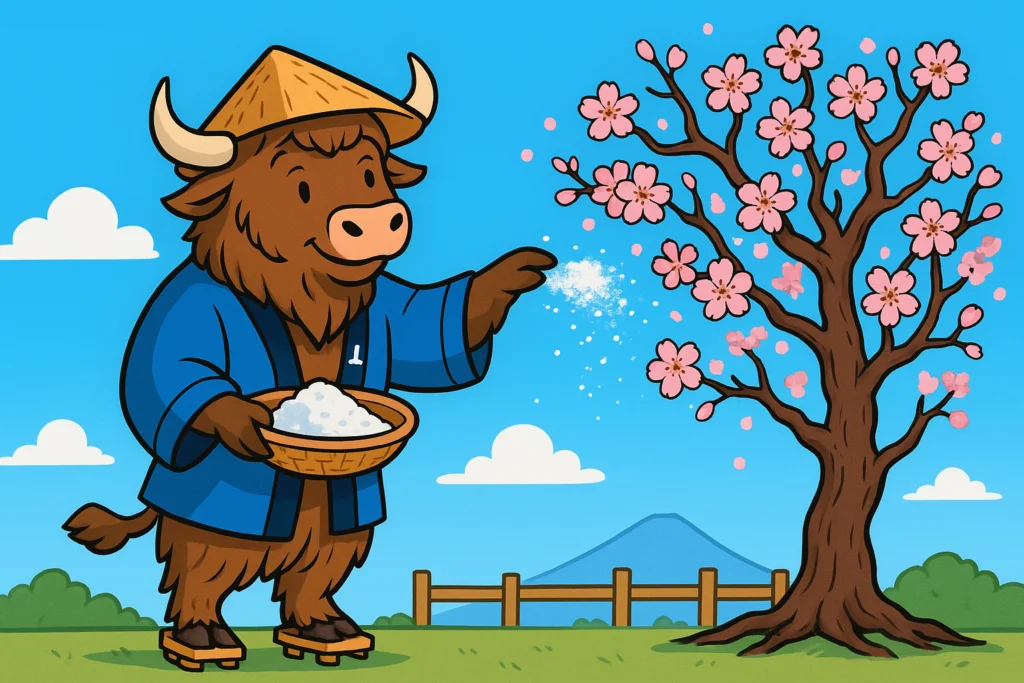
This A1 Beginner retelling of きえた きを さかせる おじいさん keeps the plot clear for learners while still giving the story some atmosphere and momentum.
This version teaches Japanese through English and includes clickable word help inside the story, full story audio, and lesson notes after the reading. It is free to use on Yak Yacker and is designed to feel natural, readable, and manageable for learners.
むかし むかし、ある ところに おじいさん が いました。
おじいさん は まいにち やま に 行って、たきぎ を あつめました。
おじいさん は しろい いぬ を いました。いぬ は ちいさくて、かわいい いぬ でした。
ある ひ、いぬ は おじいさん に 言いました。「ここ!ここ ほれって!」
おじいさん は ほりました。そこ には かね が たくさん ありました。
となり の わるい おじいさん は それ を みました。わるい おじいさん は いぬ を もらいました。
わるい おじいさん も いぬ に 。いぬ は 言いました。「ここ!ここ ほれって!」
しかし、そこ には かね が ありませんでした。ねこ と へび が でました!
わるい おじいさん は おこりました。そして いぬ を ころしました。
やさしい おじいさん は 、いぬ を 。そこ に き が はえました。
おじいさん は き を 。そして を つくりました。
おじいさん は を 。どこからか かね が でました!
わるい おじいさん は その うす を 。しかし、 もの しか でませんでした。
わるい おじいさん は また おこりました。そして うす を やきました。
やさしい おじいさん は を もらいました。そして その はい を き に かけました。
です! き が はな に なりました!
くに の が それ を みました。ひめ は わらいました。「 おじいさん ですね!」
ひめ は おじいさん に たくさんの おかね を くれました。おじいさん は うれしかったです。
わるい おじいさん も はい を かけました。しかし、はな に なりませんでした。はい が め に はいりました!わるい おじいさん は しかられました。
やさしい ひと には、やさしい こと が きます。
Our story begins with the word むかしむかし, which means "once upon a time." Japanese fairy tales almost always open with this word, just like English tales open with "Long, long ago."
The story also gives us しろい (white) and いぬ (dog). Together, しろい いぬ means "a white dog" - the old man's loyal friend.
- むかしむかし - once upon a time
- しろい - white
- いぬ - dog
- かって いました - kept, owned (a pet)
In かって いました, the small て connects the verb to いました, which shows a continuing state in the past. It's like saying "he had (been keeping) a dog."
You'll see this 〜て いました pattern all the time in stories. For now, just recognize the shape: verb + て + いました means something was going on in the past.
- かって いました = he kept / he had
- The pattern shows a past state or ongoing past action
- You don't need to build it yourself yet - just spot it!
Notice the spaces in しろい いぬ. Stories for learners often add spaces between words to make reading easier. In everyday Japanese, words run together without spaces.
Also listen for the long vowel in しろい - it's shi-ro-i, three clear beats. Taking words one beat at a time helps your pronunciation a lot.
- Spaces are a learner-friendly extra, not standard Japanese
- Read slowly: mu-ka-shi mu-ka-shi
- Break long words into beats as you read
You already know four useful words and one key story pattern - that's a great start! Try reading the opening line out loud three times.
As you continue the story, look for more colors and animals. They're easy to spot and fun to collect. Happy reading!
- Read the first line aloud three times
- Collect new words as you go
- Say むかしむかし with a storytelling voice
はなさかじいさん comes from the Japanese / folk tale tradition and is best known as a folk tale. This Yak Yacker article is an original learner retelling based on Traditional Japanese folk tale; public-domain versions, so the wording here is simplified for modern learners rather than copied from one old edition.
Older printings, translations, and retellings of this story can vary quite a bit. The original audience was usually kids, but this version is adapted for A1 Beginner learners studying Japanese. Good kindness/neighbor contrast.
If you want to look into the source tradition, start with Project Gutenberg.
If you want to keep going, browse more in our Japanese section and review the Geography Vocabulary in Japanese. After that, try JLPT N5 Japanese Grammar for another useful next step.