
New here? This is lesson 127 of a free 240-lesson French course.
What I can do in French
Inès is off a night shift and finds Sam at Café des Tilleuls. She asks if he can cook. He is honest: kitchens are not his thing.
Emails are another story. At work he can handle those on his own.
Gaspard can open every pocket of that long coat. Finishing his café crème is the skill he still does not have.
By the end you will say what you can do, what you cannot, and how well.
By the end of this lesson
Say what you can and cannot do, and how well.
- Je sais ___.I can / I know how to ___.
- Je ne sais pas ___.I can't / I don't know how to ___.
- Je suis doué pour ça.I'm good at that.
- C'est facile pour moi.It's easy for me.
- J'ai du mal avec ça.I struggle with that.
- Je peux le faire tout seul.I can do it by myself.
Scene — after the night shift
Saturday morning at Café des Tilleuls. Inès has just come off a night shift and finds Sam at the table next to the window.
Gaspard sits on two chairs in his long coat. The crème is full. The blank brass sign still holds the window table.

Learn — what I can do
Six lines cover I can, I cannot, I am good at that, it is easy, I struggle, and I can do it alone.
A woman writes douée and toute seule, with extra e letters.

Je sais ___.
I can / I know how to ___.
When to use it: Say this when you know how to do the thing.
After sais, add a plain action word like cuisiner.
Say it: The last s in sais is silent.

Je ne sais pas ___.
I can't / I don't know how to ___.
When to use it: Say this when you do not know how to do it.
Keep ne and pas around sais to say you cannot.

Je suis doué pour ça.
I'm good at that.
When to use it: Say this when that skill comes easily to you.
A woman says douée here, with an extra e.
Say it: The é at the end of doué is sounded.

C'est facile pour moi.
It's easy for me.
When to use it: Say this when the task feels easy for you.
Pour moi means for me: it is easy for you, even if it is not for others.

J'ai du mal avec ça.
I struggle with that.
When to use it: Say this when the task is hard for you.
Du mal is the set piece that means you struggle.
Say it: Mal has an open a, not a nasal.

Je peux le faire tout seul.
I can do it by myself.
When to use it: Say this when you can manage with no help.
A woman says toute seule, with extra e letters.
Say it: The x in peux is silent.
Story — cook or write
Listen as Inès asks about cooking, and Sam answers with what he can and cannot do.
The highlighted words are the lines you just learned. Turn on Show English if you need it.
- She sets her green bag on the chair and looks at Sam.
 InèsTu sais cuisiner, toi ?Can you cook?
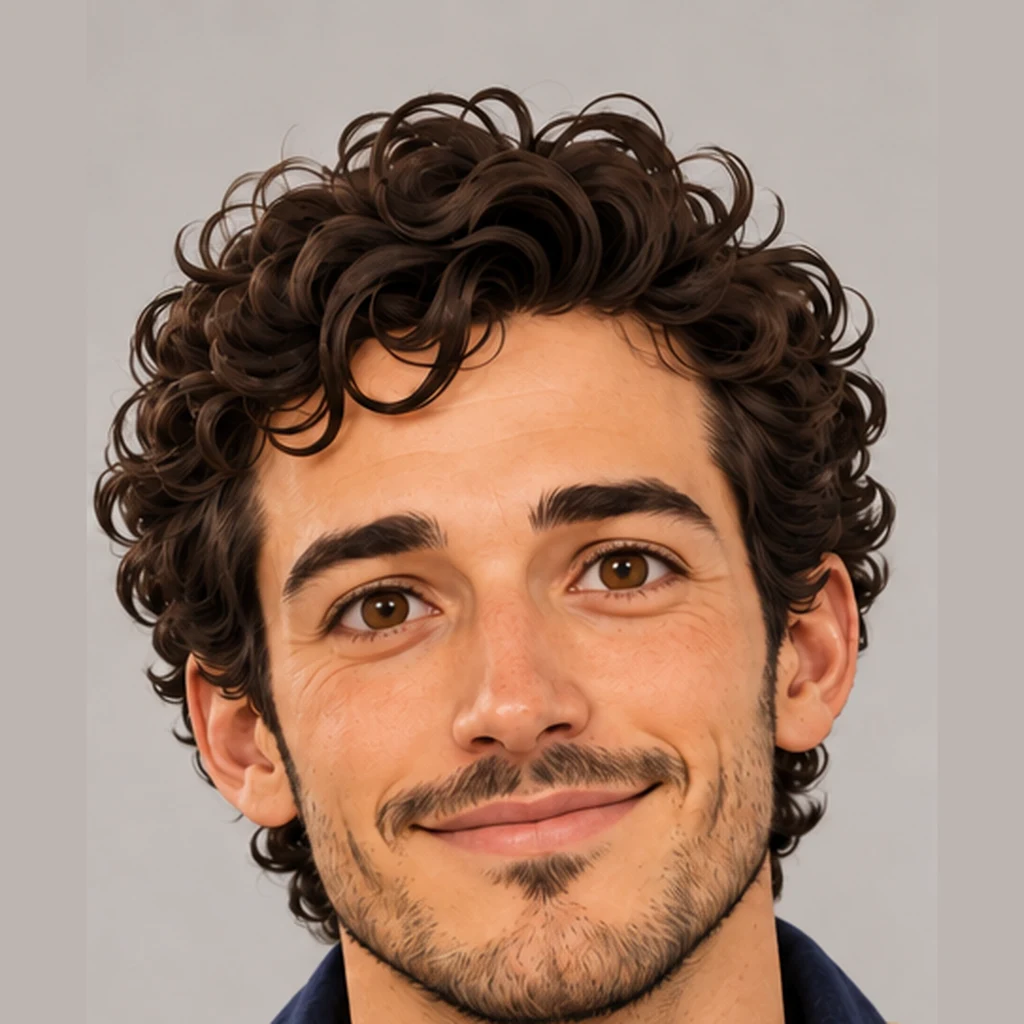 SamJe ne sais pas cuisiner.I don't know how to cook.
- InèsAh bon ?Oh, really?
- SamJe cuisine de temps en temps.I cook now and then.
- SamJ'ai du mal avec ça.I struggle with that.
- InèsEt les mails ?And emails?
- SamJe sais écrire un mail.I know how to write an email.
- InèsC'est mieux, ça.That's better.
- SamC'est facile pour moi.It's easy for me.
- SamJe suis doué pour ça.I'm good at that.
- InèsMême tout seul ?Even by yourself?
- SamJe peux le faire tout seul.I can do it by myself.
- Gaspard has both hands in his coat. The crème is untouched. He does not look at the window table.
- InèsEt toi, Gaspard ?What about you, Gaspard?
 GaspardJe sais ouvrir toutes les poches.I know how to open every pocket.
- InèsTu finis ton café crème ?Are you finishing your café crème?
- GaspardJe n'arrive pas à finir mon café crème.I can't manage to finish my café crème.
Practice — can and cannot
Eleven quick exercises wait here. You will listen, pick, match, fill a gap, and build a line.
They stay tiny, so the round moves fast.
0 of 11 done
What did you hear?
What did you hear?
Match the pairs
French
Je sais ___.Drop the English hereJe ne sais pas ___.Drop the English hereJ'ai du mal avec ça.Drop the English hereEnglish
What do you say?
What do you say?
Inès asks if you can cook. You cannot.
Fill the gap
Fill the gap
I'm good at that.
Je suis ____ pour ça.
What does it mean?
What does it mean?
Je ne sais pas.
Swap the word
Swap the word
Cooking is hard for you. Say you struggle with that.
J'ai du mal avec ____.
Build the line
Build the line
I can do it by myself.
.
Tap the words in order.
Pick the reply
Inès says:
Pick the reply
Tu cuisines souvent ?
Do you cook often?
And you reply with:
True or false?
True or false?
This means you agree with the last thing you heard.
What do you say?
What do you say?
Inès asks about the emails at work. You know how to do them.
Find the mistake
Find the mistake
Say it — say how well
Now you are Sam at the café table. When it is your turn, tap the microphone and speak the line.
Tap play first if you want to hear it. Your recording stays on your device.
- InèsTu sais cuisiner, toi ?Can you cook?
- Sam (you)Tell her you don't know how.
Tell her you don't know how.
Je ne sais pas ___.
I can't / I don't know how to ___.
0 of 6 said
Recap — what you can say now
| French | English | Play |
|---|---|---|
| Je sais ___. | I can / I know how to ___. | |
| Je ne sais pas ___. | I can't / I don't know how to ___. | |
| Je suis doué pour ça. | I'm good at that. | |
| C'est facile pour moi. | It's easy for me. | |
| J'ai du mal avec ça. | I struggle with that. | |
| Je peux le faire tout seul. | I can do it by myself. |
Save your progress — it’s free
Keep your place in the course and see which lines you’ve learned.
Want the next lesson in your inbox?
Get the next lesson by email, one a day.
Join the newsletterDaily lesson emails are coming soon. Newsletter subscribers get them first.
Keep practicing with Yak Cards
Want these can-and-cannot lines on your phone? Grab the Yak Cards for this lesson and review them anywhere.
A short Yak Cards round keeps I can and I can't ready for real talk.
Open Yak Cards