This A2 Elementary retelling of Voyage au centre de la Terre keeps the plot clear for learners while still giving the story some atmosphere and momentum. Le professeur Lidenbrock est un scientifique. Un jour, il trouve un papier mystérieux dans un vieux livre.
This version teaches French through English and includes clickable word help inside the story, full story audio, and lesson notes after the reading. It is free to use on Yak Yacker and is designed to feel natural, readable, and manageable for learners.
Le professeur Lidenbrock est un . Il aime les . Un jour, il trouve un dans un vieux livre.
Le papier dit : « dans le volcan Sneffels. Il y a un vers le centre de la Terre. » Axel, le neveu du professeur, a . Mais le professeur est très .
Le professeur, Axel et leur guide Hans pour l'Islande. Ils au volcan Sneffels. Le volcan est et .
Ils dans le volcan. Il fait et . Axel dit : « C'est ! » Mais le professeur répond : « Continue ! Nous allons un monde nouveau. »
Sous la terre, ils trouvent une grande mer. Il y a une . Ils voient des et des .
Ils un radeau et la mer. , ils voient des ! Deux créatures énormes se battent dans l'eau.
Heureusement, les monstres ne les pas. Ils continuent et trouvent une forêt de champignons. Axel dit : « C'est ! »
Enfin, une les pousse vers le haut. Ils d'un volcan en Italie. Ils sont sales mais heureux.
Le professeur est très . Il a fait un . Axel est content d'être de retour. Ils ont vécu une grande aventure.
Professor Lidenbrock is a scientist. He loves old books. One day, he finds a mysterious paper in an old book.
The paper says: "Descend into the Sneffels volcano. There is a path to the center of the Earth." Axel, the professor's nephew, is scared. But the professor is very excited.
The professor, Axel and their guide Hans leave for Iceland. They arrive at the Sneffels volcano. The volcano is large and silent.
They descend into the volcano. It is dark and cold. Axel says: "It's dangerous!" But the professor replies: "Continue! We are going to discover a new world."
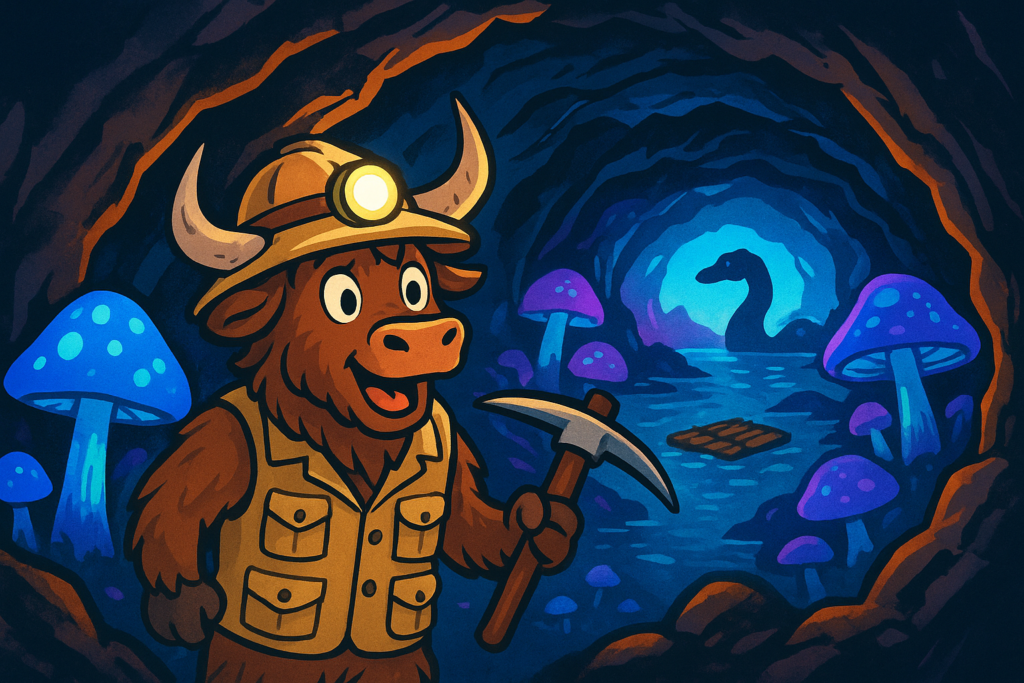
Underground, they find a large sea. There is a mysterious light. They see giant plants and enormous mushrooms.
They build a raft and cross the sea. Suddenly, they see sea monsters! Two enormous creatures fight in the water.
Fortunately, the monsters do not attack them. They continue and find a forest of mushrooms. Axel says: "It's incredible!"
Finally, a volcanic eruption pushes them upward. They exit from a volcano in Italy. They are dirty but happy.
The professor is very proud. He has made an extraordinary journey. Axel is happy to be back. They have lived a great adventure.
As you followed the journey to the center of the Earth, you met some useful French words. Let's make them yours so you can talk about your own explorations, real or imaginary!
- un volcan (a volcano) - the starting point of the adventure.
- descendre (to go down) - they descend into the crater, a key action.
- dangereux / dangereuse (dangerous) - Axel's main worry.
- découvrir (to discover) - what the professor hopes to do.
- un radeau (a raft) - their craft across the underground sea.
- une éruption (an eruption) - the explosive way they return!
In French, the past tense combines two forms: the passé composé for completed actions and the imparfait for background details. The story uses both to give shape to the adventure.
For example, 'Le professeur a trouvé un papier' (The professor found a paper) is a one-time event, so it's in passé composé. But 'Il faisait noir et froid' (It was dark and cold) describes the ongoing atmosphere, so it's in imparfait.
- Passé composé: a single, completed action (e.g., 'ils sont partis' - they left).
- Imparfait: a state, habit, or ongoing situation (e.g., 'Axel avait peur' - Axel was afraid).
- Look for clues: time phrases like 'un jour' (one day) often trigger passé composé, while descriptions set the scene with imparfait.
The explorers' emotions swing from terror to wonder. French has simple phrases you can borrow to sound more natural when sharing your feelings.
- 'C'est dangereux !' (It's dangerous!) - a direct way to show fear.
- 'C'est incroyable !' (It's incredible!) - perfect for moments of awe.
- 'Nous allons découvrir un monde nouveau' (We are going to discover a new world) - a forward-looking, excited declaration.
You've journeyed through a classic tale and picked up some handy French along the way. Try retelling the story to a friend using the vocabulary and past-tense tips from this lesson.
Or invent your own mini-adventure and describe it in French. Even a trip to the grocery store can sound epic with the right words!
Voyage au centre de la Terre comes from the French / Jules Verne tradition and is best known as a adventure/sci-fi novel. This Yak Yacker article is an original learner retelling based on Jules Verne, 1864; public domain, so the wording here is simplified for modern learners rather than copied from one old edition.
Older printings, translations, and retellings of this story can vary quite a bit. The original audience was usually general/older kids, but this version is adapted for A2 Elementary learners studying French. Useful for science/adventure vocabulary.
If you want to look into the source tradition, start with Project Gutenberg.
If you want to keep going, browse more in our French section and review the A2 French Vocabulary List. After that, try Basic Questions in French for another useful next step.