Beginner’s Guide for Learners
For the broader learning path, visit our parent guide.
“Thank you” and “you’re welcome” are two tiny phrases that do a lot of heavy lifting. They help you sound polite, friendly, and natural without needing a giant vocabulary. Honestly, English speakers use them so often that not saying them can feel a bit like walking into a room and forgetting your shoes.
This guide shows you the most common ways to say thanks and respond politely in English. You’ll learn simple phrases, pronunciation help, and when to use each one. By the end, you’ll be able to thank people smoothly in everyday situations—at school, at work, in shops, in messages, and in conversation.
If you want to check your English level after this lesson, you can try the English Vocabulary Test or the English Placement Test CEFR.
When Do People Say Thank You?
You can say “thank you” when someone helps you, gives you something, answers your question, or does something kind. In English, gratitude is a social glue. It keeps conversations friendly and smooth.
Simple rule: if someone gives, helps, or does something nice, “thank you” is usually a safe choice.
In English, “thank you” is never wasted. Even a small thank you can make you sound warmer and more polite.
Useful Ways To Say Thank You
Here are common ways to express thanks. Start with the easy ones first. No need to sound like a greeting card unless that is your life goal.
| English | Pronunciation | Meaning | Example Sentence | Learner Note |
|---|---|---|---|---|
| Thank you. | THANGK yoo | Basic polite way to show gratitude. | Thank you for your help. | Neutral and safe in almost every situation. |
| Thanks. | THANGKS | Short, common, friendly way to say thank you. | Thanks for calling me back. | Casual and very common. |
| Thanks a lot. | THANGKS uh LOT | Strong thanks; can be warm or sarcastic depending on tone. | Thanks a lot for your support. | Use a friendly tone. Tone matters a lot here. |
| Thank you very much. | THANGK yoo VER-ee much | More emphasis than “thank you.” | Thank you very much for the gift. | Polite and slightly more formal. |
| Thanks so much. | THANGKS soh MUCH | Warm, friendly thank you. | Thanks so much for your advice. | Very common in messages and conversation. |
| I really appreciate it. | eye REE-lee uh-PREE-shee-ayt it | You are very grateful for what someone did. | I really appreciate it when you explain things slowly. | Useful when you want to sound sincere. |
| I appreciate your help. | eye uh-PREE-shee-ayt your help | Polite way to thank someone for help. | I appreciate your help with the project. | Good for work, school, and polite conversation. |
| That’s very kind of you. | thatss VER-ee KYND uhv yoo | You think the other person was thoughtful or nice. | That’s very kind of you to offer a ride. | Warm and natural. |
| You’re a lifesaver. | yur uh LYF-say-ver | Very informal thanks for big help. | You’re a lifesaver for picking me up. | Casual, friendly, a little dramatic—in a good way. |
| I owe you one. | eye oh yoo one | You will return the favor later. | Thanks for covering for me. I owe you one. | Casual and common with friends or coworkers. |
More Common Thank-You Phrases
These phrases are also useful. They show a little more emotion, more politeness, or a more specific reason for your thanks.
| English | Pronunciation | Meaning | Example Sentence | Learner Note |
|---|---|---|---|---|
| Thanks for your help. | THANGKS fer your help | Thanks for helping me. | Thanks for your help with the directions. | Very practical and common. |
| Thanks for your time. | THANGKS fer your tym | Thank someone for giving you time or attention. | Thanks for your time today. | Good in emails, interviews, and meetings. |
| Thanks for everything. | THANGKS fer EV-ree-thing | Thank someone for many things. | Thanks for everything you did for us. | Warm and often used at the end of a visit or trip. |
| Thanks for asking. | THANGKS fer ASK-ing | Thank someone for asking a question or showing concern. | Thanks for asking. I’m feeling better now. | Friendly and natural in conversation. |
| Thanks for the invite. | THANGKS fer thee IN-vyt | Thank someone for inviting you. | Thanks for the invite to your party. | Very common in casual speech; “invite” here means invitation. |
| Many thanks. | MEN-ee thangks | A polite, slightly formal thank you. | Many thanks for your quick reply. | Common in emails; a little formal. |
| Much appreciated. | much uh-PREE-shee-ay-tid | Very grateful; often used in messages. | Your help is much appreciated. | Short and professional. |
| I’m grateful. | aym GRAYT-fuhl | You feel thankful. | I’m grateful for your support. | More emotional and sincere. |
How To Say You’re Welcome
When someone thanks you, English has many polite responses. “You’re welcome” is the classic answer, but there are other common choices too.
Important note: in fast speech, “you’re welcome” may sound like “yer welcome.” That is normal. English loves to swallow sounds when nobody is looking.
| English | Pronunciation | Meaning | Example Sentence | Learner Note |
|---|---|---|---|---|
| You’re welcome. | yur WEL-kum | Standard polite reply to “thank you.” | “Thank you for your help.” “You’re welcome.” | Safe in almost every situation. |
| No problem. | noh PROB-lem | It was not a trouble. | “Thanks for waiting.” “No problem.” | Very common and casual. |
| Sure. | shoor | Friendly, short response meaning “of course.” | “Thanks for the pen.” “Sure.” | Casual and relaxed. |
| Anytime. | EN-ee tym | You are happy to help again. | “Thanks for helping me.” “Anytime.” | Warm and friendly. |
| My pleasure. | my PLEZH-er | You were happy to do it. | “Thank you for the ride.” “My pleasure.” | Polite and slightly formal. |
| Happy to help. | HAP-ee tuh help | You were glad to help. | “Thank you for your advice.” “Happy to help.” | Friendly and professional. |
| Of course. | uhv KORS | Yes, naturally; no need to thank me too much. | “Thanks for making time.” “Of course.” | Common in everyday English. |
| Don’t mention it. | don’t MEN-shun it | It was nothing worth mentioning. | “Thanks for your help.” “Don’t mention it.” | Polite, a little old-fashioned, still used. |
| Glad I could help. | GLAD eye kud help | You are happy you could help. | “Thanks for explaining that.” “Glad I could help.” | Friendly and natural. |
| Not a problem. | not uh PROB-lem | Same idea as “no problem.” | “Thanks for the quick answer.” “Not a problem.” | Very common in spoken English. |
Simple Pattern: Thanks For + Noun / Verb-ing
A very useful English pattern is thanks for + a noun or verb-ing.
Rule → Use thanks for before a thing or an action.
| Pattern | Meaning | Example | Learner Note |
|---|---|---|---|
| Thanks for + noun | Thanking someone for a thing. | Thanks for the coffee. | “The coffee” is the thing you received. |
| Thanks for + verb-ing | Thanking someone for an action. | Thanks for helping me. | Use verb-ing after “for.” |
More examples:
- Thanks for the message.
- Thanks for the advice.
- Thanks for coming.
- Thanks for waiting.
- Thanks for calling.
Small warning: many learners say “thanks to help,” but the natural phrase is thanks for helping or thank you for your help.
Polite Levels: Casual, Neutral, And Formal
Not every thank-you phrase fits every situation. English is polite, but it is also picky. Lovely little chaos.
| Level | Good Phrases | Example Situation | Learner Note |
|---|---|---|---|
| Casual | Thanks. / No problem. / Sure. / Anytime. | Friends, family, everyday conversation. | Fast, easy, and common. |
| Neutral | Thank you. / You’re welcome. / I appreciate it. | Work, school, stores, services. | Safe in most situations. |
| Formal | Thank you very much. / Many thanks. / My pleasure. | Emails, interviews, customer service, presentations. | Polite and professional. |
Mini Dialogues You Can Copy
These short dialogues show how the phrases work in real life.
| English | Pronunciation | Meaning | Example | Learner Note |
|---|---|---|---|---|
| A: Thanks for your help. B: You’re welcome. | yur WEL-kum | Basic polite exchange. | A: Thanks for your help. B: You’re welcome. | Most classic reply. |
| A: Thanks a lot. B: No problem. | noh PROB-lem | Friendly and casual. | A: Thanks a lot. B: No problem. | Very common with friends or coworkers. |
| A: I really appreciate it. B: My pleasure. | my PLEZH-er | Polite and warm. | A: I really appreciate it. B: My pleasure. | Good in service settings. |
| A: Thanks for waiting. B: Of course. | uhv KORS | Easy, natural response. | A: Thanks for waiting. B: Of course. | Friendly and smooth. |
Common Mistakes And Easy Fixes
Here are mistakes beginners often make. The good news: they are easy to fix.
| Wrong | Better | Why |
|---|---|---|
| Thanks to help me. | Thanks for helping me. | Use for after thanks, not to. |
| Thank you very muchly. | Thank you very much. | Very muchly is not standard English. |
| You’re welcome me. | You’re welcome. | You’re welcome does not take an object. |
| Welcome. | You’re welcome. | Just welcome is usually not enough in this response. |
| Thanks you. | Thank you. | The correct phrase is thank you, not thanks you. |
| Thanks for invite. | Thanks for the invite. | Use the before invite when it means invitation. |
American And British English Notes
Most of these phrases work in both American and British English. But a few small differences are worth knowing.
| Expression | American English | British English | Learner Note |
|---|---|---|---|
| Cheers | Used sometimes, but less common for “thanks.” | Very common for “thanks” and “bye.” | In the U.S., “cheers” sounds more like a toast. |
| No worries | Common and friendly. | Very common and natural. | Good casual reply in both varieties. |
| Ta | Rare. | Used in some parts of Britain. | Very informal and regional. |
If you want a simple, safe choice anywhere, use thank you and you’re welcome. They are the sturdy old shoes of English politeness. They just work.
Quick Pronunciation Tips
These little pronunciation notes can help you sound more natural.
- Thank you often sounds like “thangk yoo.”
- You’re welcome is often said quickly, so “you’re” may sound like “yer.”
- Thanks ends with a clear s sound.
- Appreciate has stress on the middle part: uh-PREE-shee-ayt.
- My pleasure sounds smooth and polite: my PLEZH-er.
Practice Time
Try these quick exercises. No pressure. English won’t explode if you make a small mistake.
1) Choose the best reply.
- “Thanks for your help.” → ________
- “Thank you very much.” → ________
- “Thanks for waiting.” → ________
- “I really appreciate it.” → ________
Possible answers: You’re welcome. / No problem. / My pleasure. / Glad I could help.
2) Complete the sentence.
- Thanks for ________ (help) me.
- Thank you for ________ (call) me.
- Thanks for the ________ (invite).
- I ________ your help.
Answers: helping, calling, invite or invitation, appreciate.
3) Say it naturally.
- Your friend holds the door open.
- A coworker sends you a useful file.
- A teacher explains a hard grammar point.
- A shop assistant helps you find something.
Possible responses: Thanks. / Thanks so much. / I really appreciate it. / Thank you very much.
Quick Reference Summary
| Use This When You Want To… | Good Phrase |
|---|---|
| Sound polite and safe | Thank you. |
| Sound casual and friendly | Thanks. |
| Show strong gratitude | Thank you very much. |
| Thank someone for help | Thanks for your help. |
| Respond to thanks | You’re welcome. |
| Sound casual in reply | No problem. |
| Sound warm and polite in reply | My pleasure. |
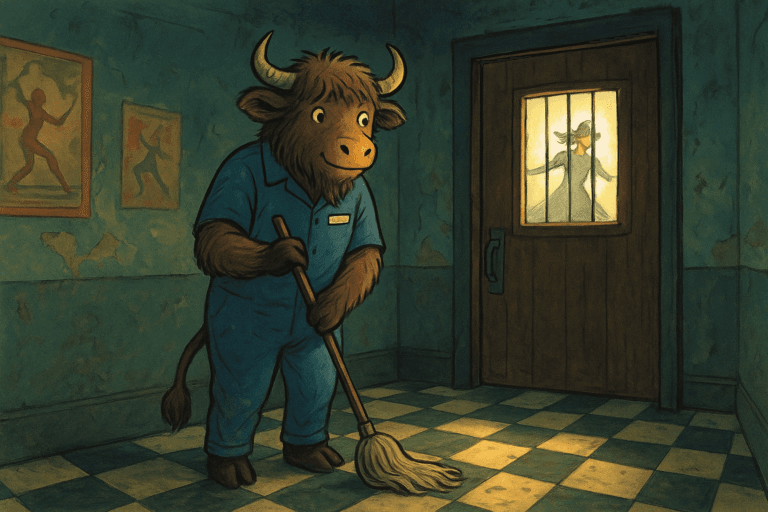
Here’s the simple Yak Takeaway: thank people clearly, reply politely, and keep it natural. English manners are not complicated. A good “thank you” and a calm “you’re welcome” can make you sound friendly, confident, and easy to talk to. Not bad for two tiny phrases, right?
For more English learning practice, visit the Learn English page.