Cute And Funny Nicknames In Chinese
Learn playful Chinese nicknames and pet names: 昵称 (nìchēng). Sweet, silly, and very usable in real life.
Chinese nicknames are a tiny cheat code for sounding warmer, funnier, and less like a textbook with legs. Some are sweet. Some are goofy. Some are so cute they almost cause emotional damage.
In this guide, you will learn common cute and funny nicknames in simplified Chinese, with pinyin, meanings, and example sentences. The focus is on real-life names people use for partners, friends, kids, and pets in mainland China.
Yak Snark Box
Not every Chinese nickname is for romance. Calling your classmate 宝贝 (bǎobèi) just because you learned one cute word yesterday is a bold strategy. Please enjoy language learning without accidentally starting a relationship.
Quick Starter Nickname Cards
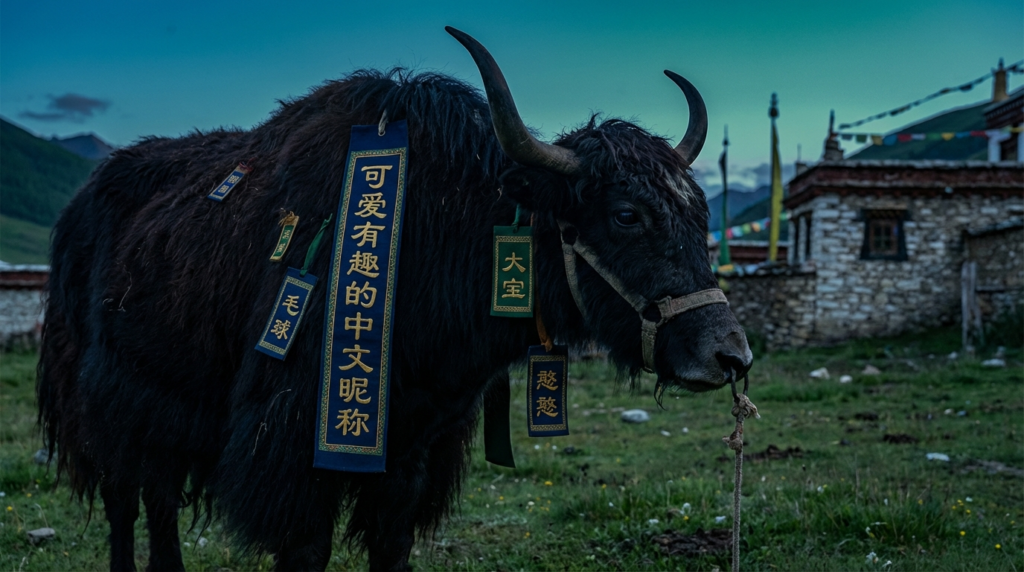
宝贝 (bǎobèi)
baby, treasure, darling
宝宝 (bǎobǎo)
baby, little darling
小可爱 (xiǎo kě’ài)
little cutie
傻瓜 (shǎguā)
silly goose, dummy
吃货 (chīhuò)
foodie, snack monster
团子 (tuánzi)
dumpling, little round cutie
小胖子 (xiǎo pàngzi)
chubby one, little chunky bean
喵喵 (miāomiāo)
meow-meow, kitty-like cutie
Useful Phrases And Real-Life Sentences
- 宝贝 (bǎobèi) — darling, baby
你是我的宝贝。
Nǐ shì wǒ de bǎobèi.
You are my darling. - 宝宝 (bǎobǎo) — baby, sweetie
宝宝,别生气了。
Bǎobǎo, bié shēngqì le.
Baby, don’t be mad. - 小可爱 (xiǎo kě’ài) — little cutie
小可爱,快来拍照。
Xiǎo kě’ài, kuài lái pāizhào.
Cutie, come take a photo. - 傻瓜 (shǎguā) — silly goose, dummy
傻瓜,我是在开玩笑。
Shǎguā, wǒ shì zài kāi wánxiào.
Silly, I was joking. - 笨蛋 (bèndàn) — dummy, blockhead
你这个笨蛋,又忘带钥匙了。
Nǐ zhège bèndàn, yòu wàng dài yàoshi le.
You dummy, you forgot your keys again. - 吃货 (chīhuò) — foodie
我们的小吃货又在找零食了。
Wǒmen de xiǎo chīhuò yòu zài zhǎo língshí le.
Our little foodie is looking for snacks again. - 跟屁虫 (gēnpìchóng) — tag-along, clingy little follower
你这个跟屁虫,怎么我去哪儿你都去?
Nǐ zhège gēnpìchóng, zěnme wǒ qù nǎr nǐ dōu qù?
You little tag-along, why do you go everywhere I go? - 团子 (tuánzi) — dumpling, round cutie
今天穿得圆圆的,像个小团子。
Jīntiān chuān de yuányuán de, xiàng ge xiǎo tuánzi.
You’re dressed all round and cute today, like a little dumpling. - 喵喵 (miāomiāo) — kitty-like nickname
喵喵,过来让我抱一下。
Miāomiāo, guòlái ràng wǒ bào yíxià.
Meow-meow, come here and let me hug you. - 小祖宗 (xiǎo zǔzōng) — little boss, tiny menace you still adore
小祖宗,你终于肯睡觉了。
Xiǎo zǔzōng, nǐ zhōngyú kěn shuìjiào le.
Little boss, you finally agreed to sleep. - 开心果 (kāixīnguǒ) — happy pill, someone who makes people laugh
他是我们家的开心果。
Tā shì wǒmen jiā de kāixīnguǒ.
He is the family’s little sunshine. - 小机灵鬼 (xiǎo jīlingguǐ) — clever little rascal
你这个小机灵鬼,怎么想到这个办法的?
Nǐ zhège xiǎo jīlingguǐ, zěnme xiǎngdào zhège bànfǎ de?
You clever little rascal, how did you think of that idea?
How Chinese Nicknames Usually Work
Chinese nicknames often use a few very common patterns. Once you notice them, the whole system feels much less mysterious and much less like random cuteness chaos.
| Pattern | Meaning | Example | Pinyin | English |
|---|---|---|---|---|
| 小 + word | little, cute, informal | 小可爱 | xiǎo kě’ài | little cutie |
| Double syllable | cute, soft, affectionate | 宝宝 | bǎobǎo | baby |
| Animal sound or pet sound | playful and adorable | 喵喵 | miāomiāo | meow-meow |
| Food word | soft, round, sweet vibe | 团子 | tuánzi | dumpling |
| Funny insult used warmly | teasing nickname | 傻瓜 | shǎguā | silly goose |
A Useful Nuance
Funny nicknames like 傻瓜 (shǎguā) or 笨蛋 (bèndàn) can sound affectionate in close relationships, but rude with the wrong tone, wrong person, or wrong timing. Language is fun. Social risk is also very real. Excellent combination.
Sweet Nicknames For Partners
| Hanzi | Pinyin | Meaning | Example (ZH) | Example (Pinyin) | Translation (EN) |
|---|---|---|---|---|---|
| 宝贝 | bǎobèi | darling, treasure | 宝贝,回家路上小心。 | Bǎobèi, huí jiā lùshang xiǎoxīn. | Darling, be careful on the way home. |
| 宝宝 | bǎobǎo | baby, sweetie | 宝宝,今天辛苦了。 | Bǎobǎo, jīntiān xīnkǔ le. | Baby, you worked hard today. |
| 亲爱的 | qīn’ài de | dear, darling | 亲爱的,我们周末去看电影吧。 | Qīn’ài de, wǒmen zhōumò qù kàn diànyǐng ba. | Dear, let’s watch a movie this weekend. |
| 小可爱 | xiǎo kě’ài | little cutie | 小可爱,你今天笑得真甜。 | Xiǎo kě’ài, nǐ jīntiān xiào de zhēn tián. | Cutie, your smile is so sweet today. |
| 乖乖 | guāiguāi | good one, sweet obedient cutie | 乖乖,先把饭吃完。 | Guāiguāi, xiān bǎ fàn chī wán. | Sweetie, finish your meal first. |
| 小心肝 | xiǎo xīngān | my precious, my sweetheart | 你真是我的小心肝。 | Nǐ zhēn shì wǒ de xiǎo xīngān. | You really are my sweetheart. |
| 小甜心 | xiǎo tiánxīn | little sweetheart | 小甜心,今天想吃什么? | Xiǎo tiánxīn, jīntiān xiǎng chī shénme? | Sweetheart, what do you want to eat today? |
| 心肝宝贝 | xīngān bǎobèi | precious darling | 她一直叫孩子心肝宝贝。 | Tā yìzhí jiào háizi xīngān bǎobèi. | She always calls the child her precious darling. |
| 傻瓜 | shǎguā | silly goose | 傻瓜,我当然记得你的生日。 | Shǎguā, wǒ dāngrán jìde nǐ de shēngrì. | Silly, of course I remember your birthday. |
| 笨蛋 | bèndàn | dummy, lovable fool | 笨蛋,下雨了还不带伞。 | Bèndàn, xiàyǔ le hái bú dài sǎn. | Dummy, it’s raining and you still didn’t bring an umbrella. |
Funny Nicknames For Friends
| Hanzi | Pinyin | Meaning | Example (ZH) | Example (Pinyin) | Translation (EN) |
|---|---|---|---|---|---|
| 吃货 | chīhuò | foodie | 我们班的吃货又在点奶茶。 | Wǒmen bān de chīhuò yòu zài diǎn nǎichá. | The foodie in our class is ordering milk tea again. |
| 跟屁虫 | gēnpìchóng | tag-along | 别当跟屁虫,让我自己去。 | Bié dāng gēnpìchóng, ràng wǒ zìjǐ qù. | Don’t be a tag-along. Let me go by myself. |
| 话痨 | huàláo | chatterbox | 他是个话痨,一开口就停不下来。 | Tā shì ge huàláo, yì kāikǒu jiù tíng bu xiàlái. | He is a chatterbox and can’t stop once he starts talking. |
| 开心果 | kāixīnguǒ | someone who cheers everyone up | 她真是办公室的开心果。 | Tā zhēn shì bàngōngshì de kāixīnguǒ. | She really is the office sunshine. |
| 拖延王 | tuōyán wáng | king of procrastination | 你这个拖延王,作业又最后一天才写。 | Nǐ zhège tuōyán wáng, zuòyè yòu zuìhòu yì tiān cái xiě. | You king of procrastination, you did your homework on the last day again. |
| 夜猫子 | yèmāozi | night owl | 夜猫子,凌晨两点你还没睡? | Yèmāozi, língchén liǎng diǎn nǐ hái méi shuì? | Night owl, you’re still awake at 2 a.m.? |
| 小机灵鬼 | xiǎo jīlingguǐ | clever little rascal | 小机灵鬼,又想到捷径了吧。 | Xiǎo jīlingguǐ, yòu xiǎngdào jiéjìng le ba. | You clever little rascal, you found a shortcut again, right? |
| 马大哈 | mǎdàhā | careless person | 他这个马大哈,又忘了带电脑。 | Tā zhège mǎdàhā, yòu wàng le dài diànnǎo. | That absent-minded guy forgot his laptop again. |
| 戏精 | xìjīng | drama queen, drama king | 你也太戏精了吧,只是迟到了五分钟。 | Nǐ yě tài xìjīng le ba, zhǐshì chídào le wǔ fēnzhōng. | You’re so dramatic. It was only five minutes late. |
| 学霸 | xuébà | top student, study beast | 学霸,快教我这道题。 | Xuébà, kuài jiāo wǒ zhè dào tí. | Top student, teach me this question quickly. |
Cute Food And Animal Nicknames
| Hanzi | Pinyin | Meaning | Example (ZH) | Example (Pinyin) | Translation (EN) |
|---|---|---|---|---|---|
| 团子 | tuánzi | dumpling, round cutie | 她脸圆圆的,大家都叫她小团子。 | Tā liǎn yuányuán de, dàjiā dōu jiào tā xiǎo tuánzi. | Her face is round, so everyone calls her little dumpling. |
| 包子 | bāozi | bun, soft squishy cutie | 你今天的发型像个小包子。 | Nǐ jīntiān de fàxíng xiàng ge xiǎo bāozi. | Your hairstyle looks like a little bun today. |
| 糯米团 | nuòmǐtuán | sticky rice ball, soft sweetie | 这个宝宝像个糯米团一样软乎乎的。 | Zhège bǎobǎo xiàng ge nuòmǐtuán yíyàng ruǎnhūhū de. | This baby is soft like a sticky rice ball. |
| 奶糖 | nǎitáng | milk candy, sweet one | 她笑起来像颗小奶糖。 | Tā xiào qǐlái xiàng kē xiǎo nǎitáng. | When she smiles, she’s like a little milk candy. |
| 桃子 | táozi | peach, peachy cutie | 她的脸粉粉的,像个小桃子。 | Tā de liǎn fěnfěn de, xiàng ge xiǎo táozi. | Her face is pink like a little peach. |
| 喵喵 | miāomiāo | meow-meow | 喵喵,别躲在沙发后面。 | Miāomiāo, bié duǒ zài shāfā hòumiàn. | Meow-meow, don’t hide behind the sofa. |
| 咪咪 | mīmī | kitty, little meow | 她给白猫起名叫咪咪。 | Tā gěi bái māo qǐmíng jiào Mīmī. | She named the white cat Mimi. |
| 汪汪 | wāngwāng | woof-woof | 汪汪,快把球叼回来。 | Wāngwāng, kuài bǎ qiú diāo huílái. | Woof-woof, bring the ball back. |
| 兔兔 | tùtù | bunny | 她跑起来蹦蹦跳跳的,像只小兔兔。 | Tā pǎo qǐlái bèngbèngtiàotiào de, xiàng zhī xiǎo tùtù. | She hops when she runs, like a little bunny. |
| 熊猫 | xióngmāo | panda | 他熬夜后黑眼圈很重,大家叫他熊猫。 | Tā áoyè hòu hēiyǎnquān hěn zhòng, dàjiā jiào tā xióngmāo. | After staying up late, his dark circles are so bad that everyone calls him panda. |
Funny Appearance And Personality Nicknames
| Hanzi | Pinyin | Meaning | Example (ZH) | Example (Pinyin) | Translation (EN) |
|---|---|---|---|---|---|
| 小胖子 | xiǎo pàngzi | chubby one | 小胖子,少偷吃我的薯片。 | Xiǎo pàngzi, shǎo tōuchī wǒ de shǔpiàn. | Hey chubby one, stop stealing my chips. |
| 豆芽 | dòuyá | bean sprout, very thin person | 你太瘦了,像根豆芽。 | Nǐ tài shòu le, xiàng gēn dòuyá. | You’re so thin, like a bean sprout. |
| 黑豆 | hēidòu | little black bean, dark and tiny cutie | 他小时候大家都叫他黑豆。 | Tā xiǎoshíhou dàjiā dōu jiào tā hēidòu. | When he was little, everyone called him black bean. |
| 卷毛 | juǎnmáo | curly-hair | 卷毛,今天怎么把头发拉直了? | Juǎnmáo, jīntiān zěnme bǎ tóufa lā zhí le? | Curly-hair, how come you straightened your hair today? |
| 四眼 | sìyǎn | four-eyes, glasses wearer | 四眼,帮我看看黑板最后一行写了什么。 | Sìyǎn, bāng wǒ kànkan hēibǎn zuìhòu yì háng xiě le shénme. | Four-eyes, help me read the last line on the board. |
| 大长腿 | dà chángtuǐ | long legs | 她一进门,大家就喊大长腿来了。 | Tā yí jìn mén, dàjiā jiù hǎn Dà Chángtuǐ lái le. | As soon as she walked in, everyone shouted that long legs had arrived. |
| 小迷糊 | xiǎo míhu | little scatterbrain | 小迷糊,你的手机又放哪儿了? | Xiǎo míhu, nǐ de shǒujī yòu fàng nǎr le? | Little scatterbrain, where did you put your phone again? |
| 小祖宗 | xiǎo zǔzōng | little boss, tiny tyrant | 我们家的小祖宗今天非要吃冰淇淋。 | Wǒmen jiā de xiǎo zǔzōng jīntiān fēi yào chī bīngqílín. | Our little boss insisted on eating ice cream today. |
| 懒虫 | lǎnchóng | lazybones | 懒虫,快起床,太阳都出来了。 | Lǎnchóng, kuài qǐchuáng, tàiyáng dōu chūlái le. | Lazybones, get up, the sun is already out. |
| 机灵鬼 | jīlingguǐ | smart little rascal | 这个机灵鬼一下就猜对了。 | Zhège jīlingguǐ yíxià jiù cāi duì le. | This clever rascal guessed it right immediately. |
Kid And Pet Style Nicknames
| Hanzi | Pinyin | Meaning | Example (ZH) | Example (Pinyin) | Translation (EN) |
|---|---|---|---|---|---|
| 乖宝 | guāibǎo | good little treasure | 乖宝,来跟奶奶打招呼。 | Guāibǎo, lái gēn nǎinai dǎ zhāohu. | Good little treasure, come say hi to grandma. |
| 小宝 | xiǎobǎo | little treasure | 小宝,书包收好了吗? | Xiǎobǎo, shūbāo shōu hǎo le ma? | Little treasure, did you pack your schoolbag? |
| 毛球 | máoqiú | furball | 这只小狗像个毛球。 | Zhè zhī xiǎo gǒu xiàng ge máoqiú. | This puppy looks like a little furball. |
| 豆豆 | dòudou | Beanie, little bean | 豆豆,快过来洗手。 | Dòudou, kuài guòlái xǐshǒu. | Doudou, come wash your hands. |
| 圆圆 | Yuányuán | round-round, common cute name | 圆圆今天又笑得眯起眼睛了。 | Yuányuán jīntiān yòu xiào de mī qǐ yǎnjing le. | Yuanyuan smiled so hard again today that her eyes nearly disappeared. |
| 乐乐 | Lèlè | happy-happy | 乐乐最喜欢在公园里跑来跑去。 | Lèlè zuì xǐhuan zài gōngyuán lǐ pǎolái pǎoqù. | Lele loves running around in the park. |
| 萌萌 | Méngméng | super cute one | 这只猫叫萌萌。 | Zhè zhī māo jiào Méngméng. | This cat is named Mengmeng. |
| 点点 | Diǎndiǎn | little dot, tiny one | 点点个子小,但是特别能跑。 | Diǎndiǎn gèzi xiǎo, dànshì tèbié néng pǎo. | Diandian is tiny, but really fast. |
| 妮妮 | Nīnī | cute girly nickname | 妮妮今天扎了两个小辫子。 | Nīnī jīntiān zhā le liǎng ge xiǎo biànzi. | Nini wore two little braids today. |
| 旺财 | Wàngcái | bring-in-wealth, classic dog name | 旺财,一听到零食袋的声音就冲过来了。 | Wàngcái, yì tīngdào língshí dài de shēngyīn jiù chōng guòlái le. | Wangcai rushed over as soon as he heard the snack bag. |
Doubling Patterns You Will See Everywhere
Chinese loves doubled syllables for nicknames because they sound soft, warm, and easy to say. That is why names like 宝宝 (bǎobǎo), 喵喵 (miāomiāo), 豆豆 (dòudou), 乐乐 (Lèlè), and 妮妮 (Nīnī) feel naturally cute.
| Base Word | Nickname Form | Pinyin | Feeling |
|---|---|---|---|
| 宝 | 宝宝 | bǎobǎo | sweet and affectionate |
| 豆 | 豆豆 | dòudou | tiny and cute |
| 喵 | 喵喵 | miāomiāo | pet-like and playful |
| 乐 | 乐乐 | Lèlè | bright and cheerful |
| 点 | 点点 | Diǎndiǎn | small and adorable |
| 萌 | 萌萌 | Méngméng | extra cute |
Common Mistakes And Better Choices
- Do not use rude teasing words too early. 傻瓜 (shǎguā) can sound cute with a partner, but weird with a coworker.
- Do not assume every nickname is romantic. 宝宝 (bǎobǎo) is often romantic, but adults also use it for children.
- Food nicknames are safer than mock-insult nicknames. 团子 (tuánzi) or 桃子 (táozi) usually land better than 笨蛋 (bèndàn).
- When in doubt, go with a soft pattern. 小 + adjective or doubled syllables usually sound natural and friendly.
Quick Reference Summary
| Nickname Type | Best Examples | Pinyin | Use It For |
|---|---|---|---|
| Romantic | 宝贝 / 亲爱的 / 小甜心 | bǎobèi / qīn’ài de / xiǎo tiánxīn | partner, spouse |
| Friendly Funny | 吃货 / 话痨 / 戏精 | chīhuò / huàláo / xìjīng | close friends |
| Cute Food | 团子 / 包子 / 桃子 | tuánzi / bāozi / táozi | kids, partners, pets |
| Pet Style | 喵喵 / 汪汪 / 毛球 | miāomiāo / wāngwāng / máoqiú | pets, playful people |
| Teasing But Warm | 傻瓜 / 笨蛋 / 小祖宗 | shǎguā / bèndàn / xiǎo zǔzōng | very close relationships only |
Final Yak Box
The easiest way to sound natural with Chinese nicknames is not to chase the wildest one in the room. Start with soft, common choices like 宝宝 (bǎobǎo), 小可爱 (xiǎo kě’ài), 团子 (tuánzi), or 豆豆 (dòudou), then level up into playful teasing once you actually know the person. Revolutionary concept, really.
FAQ
Is 宝宝 (bǎobǎo) only for romantic partners?
No. 宝宝 (bǎobǎo) is also common for babies and small children. Between adults, it often sounds romantic or very affectionate.
Is 傻瓜 (shǎguā) rude?
It can be rude with the wrong tone. Between close partners or very close friends, it can sound playful and warm.
Why are so many Chinese nicknames repeated, like 豆豆 (dòudou) and 萌萌 (Méngméng)?
Repeated syllables sound softer, cuter, and more affectionate in Chinese, especially for children, pets, and loved ones.