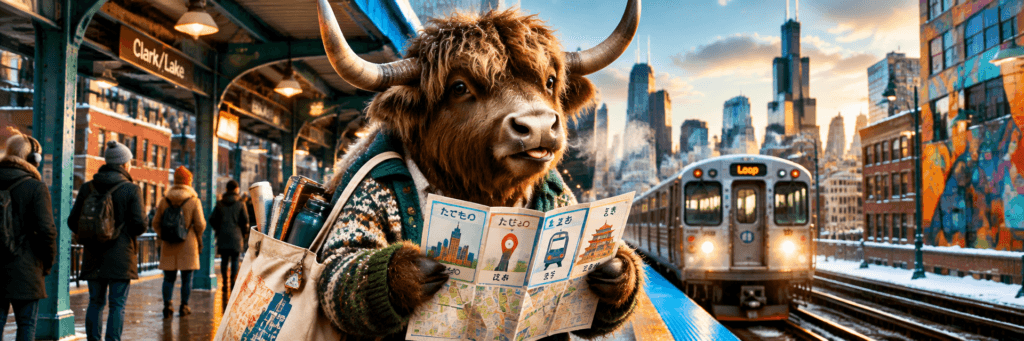
Learn the words you actually need to find stations, shops, shrines, hotels, schools, and all the other places your feet will eventually drag you to.
The first time I tried to follow directions in Japanese, I caught one glorious word—駅 (eki)—and got wildly confident. Five minutes later I was standing in front of a パン屋 (panya) with a melon pan in my hand, absolutely nowhere near the station. Useful snack. Useless navigation.
That is why this guide goes past the usual sad little word list. You will learn common places, building words, shop names, inside-building vocabulary, and real phrases for asking where things are—because knowing 図書館 (toshokan) is nice, but knowing how to ask where the library is? Much better. Fewer accidental bakery detours. Probably.
Learn the place name, then learn one sentence with it. That is how “I know this word” becomes “I can actually use this without blinking at a stranger.”
Quick Visual Cards
駅
eki
station
病院
byōin
hospital
図書館
toshokan
library
神社
jinja
Shinto shrine
パン屋
panya
bakery
温泉
onsen
hot spring
公園
kōen
park
市役所
shiyakusho
city hall
Useful Phrases And Real-Life Sentences
These are the phrases that save you when you know the place word but still need actual human help. Tiny miracle, really.
| Phrase | Meaning | Example (Japanese) | Example (Rōmaji) | Translation |
|---|---|---|---|---|
| 〜はどこですか ~ wa doko desu ka | Where is ~? | 駅はどこですか。 | Eki wa doko desu ka. | Where is the station? |
| この近くに〜はありますか Kono chikaku ni ~ wa arimasu ka | Is there a ~ near here? | この近くに銀行はありますか。 | Kono chikaku ni ginkō wa arimasu ka. | Is there a bank near here? |
| 〜に行きたいです ~ ni ikitai desu | I want to go to ~ | 図書館に行きたいです。 | Toshokan ni ikitai desu. | I want to go to the library. |
| 〜までどうやって行きますか ~ made dō yatte ikimasu ka | How do I get to ~? | 空港までどうやって行きますか。 | Kūkō made dō yatte ikimasu ka. | How do I get to the airport? |
| まっすぐ行ってください Massugu itte kudasai | Please go straight | ここからまっすぐ行ってください。 | Koko kara massugu itte kudasai. | Please go straight from here. |
| 右に曲がってください Migi ni magatte kudasai | Please turn right | 次の角を右に曲がってください。 | Tsugi no kado o migi ni magatte kudasai. | Please turn right at the next corner. |
| 左に曲がってください Hidari ni magatte kudasai | Please turn left | その角を左に曲がってください。 | Sono kado o hidari ni magatte kudasai. | Please turn left at that corner. |
| 〜の前にあります ~ no mae ni arimasu | It is in front of ~ | 郵便局は駅の前にあります。 | Yūbinkyoku wa eki no mae ni arimasu. | The post office is in front of the station. |
| 〜の隣にあります ~ no tonari ni arimasu | It is next to ~ | 病院は銀行の隣にあります。 | Byōin wa ginkō no tonari ni arimasu. | The hospital is next to the bank. |
| 〜の向かいにあります ~ no mukai ni arimasu | It is across from ~ | 公園は学校の向かいにあります。 | Kōen wa gakkō no mukai ni arimasu. | The park is across from the school. |
| 入口はどこですか Iriguchi wa doko desu ka | Where is the entrance? | 美術館の入口はどこですか。 | Bijutsukan no iriguchi wa doko desu ka. | Where is the entrance to the art museum? |
| 出口はどこですか Deguchi wa doko desu ka | Where is the exit? | 地下鉄の出口はどこですか。 | Chikatetsu no deguchi wa doko desu ka. | Where is the subway exit? |
| 二階にあります Nikai ni arimasu | It is on the second floor | 教室は二階にあります。 | Kyōshitsu wa nikai ni arimasu. | The classroom is on the second floor. |
| ここから遠いですか Koko kara tōi desu ka | Is it far from here? | そのホテルはここから遠いですか。 | Sono hoteru wa koko kara tōi desu ka. | Is that hotel far from here? |
A Few Patterns That Make This Topic Easier
Useful Endings
- 〜館 (-kan) often shows a public or cultural building: 図書館 (library), 博物館 (museum), 美術館 (art museum), 映画館 (cinema).
- 〜屋 (-ya) often means a specialty shop: 本屋 (bookstore), 花屋 (florist), 魚屋 (fish shop), パン屋 (bakery).
- 〜所 / 〜局 often points to an office or official place: 市役所 (city hall), 郵便局 (post office), 交番 (police box).
Classic Mix-Ups
- 神社 (jinja) is a Shinto shrine. 寺 (tera) is a Buddhist temple. Different place, different vibe.
- 家 (ie) means house or home. うち (uchi) often feels more like “my place” or “our home” in daily speech.
- 旅館 (ryokan) is a traditional inn. ホテル (hoteru) is a hotel. Tatami versus keycard. Choose your fighter.
Everyday Town And Public Service Words
| Kanji | Rōmaji | Meaning | Example (Japanese) | Example (Rōmaji) | Translation |
|---|---|---|---|---|---|
| 場所 | basho | place, location | ここは静かな場所です。 | Koko wa shizukana basho desu. | This is a quiet place. |
| 建物 | tatemono | building | あの建物は新しいです。 | Ano tatemono wa atarashii desu. | That building is new. |
| 駅 | eki | station | 駅はあそこです。 | Eki wa asoko desu. | The station is over there. |
| 空港 | kūkō | airport | 空港までバスで行きます。 | Kūkō made basu de ikimasu. | I go to the airport by bus. |
| 港 | minato | port, harbor | 港の近くで写真を撮りました。 | Minato no chikaku de shashin o torimashita. | I took pictures near the port. |
| 病院 | byōin | hospital | 祖父は病院にいます。 | Sofu wa byōin ni imasu. | My grandfather is in the hospital. |
| 薬局 | yakkyoku | pharmacy | 薬局で薬を買いました。 | Yakkyoku de kusuri o kaimashita. | I bought medicine at the pharmacy. |
| 銀行 | ginkō | bank | 昼休みに銀行へ行きます。 | Hiruyasumi ni ginkō e ikimasu. | I will go to the bank during lunch break. |
| 郵便局 | yūbinkyoku | post office | 郵便局で切手を買えます。 | Yūbinkyoku de kitte o kaemasu. | You can buy stamps at the post office. |
| 市役所 | shiyakusho | city hall | 彼は市役所で働いています。 | Kare wa shiyakusho de hataraite imasu. | He works at city hall. |
| 交番 | kōban | police box | 道に迷ったので交番で聞きました。 | Michi ni mayotta node kōban de kikimashita. | I got lost, so I asked at the police box. |
| 消防署 | shōbōsho | fire station | 消防署は病院の隣です。 | Shōbōsho wa byōin no tonari desu. | The fire station is next to the hospital. |
School, Culture, And Leisure Places
| Kanji | Rōmaji | Meaning | Example (Japanese) | Example (Rōmaji) | Translation |
|---|---|---|---|---|---|
| 学校 | gakkō | school | 学校は八時に始まります。 | Gakkō wa hachiji ni hajimarimasu. | School starts at eight. |
| 小学校 | shōgakkō | elementary school | 弟は小学校に通っています。 | Otōto wa shōgakkō ni kayotte imasu. | My younger brother goes to elementary school. |
| 中学校 | chūgakkō | junior high school | 中学校はこの道の先です。 | Chūgakkō wa kono michi no saki desu. | The junior high school is at the end of this road. |
| 高校 | kōkō | high school | 姉は高校で英語を勉強しています。 | Ane wa kōkō de eigo o benkyō shite imasu. | My older sister studies English in high school. |
| 大学 | daigaku | university | 兄は東京の大学へ行きました。 | Ani wa Tōkyō no daigaku e ikimashita. | My older brother went to a university in Tokyo. |
| 図書館 | toshokan | library | 土曜日によく図書館で勉強します。 | Doyōbi ni yoku toshokan de benkyō shimasu. | I often study at the library on Saturdays. |
| 博物館 | hakubutsukan | museum | 博物館で古い刀を見ました。 | Hakubutsukan de furui katana o mimashita. | I saw an old sword at the museum. |
| 美術館 | bijutsukan | art museum | 美術館で有名な絵を見ました。 | Bijutsukan de yūmeina e o mimashita. | I saw a famous painting at the art museum. |
| 映画館 | eigakan | cinema | 友だちと映画館へ行きます。 | Tomodachi to eigakan e ikimasu. | I am going to the cinema with a friend. |
| 体育館 | taiikukan | gymnasium | 体育館でバスケの試合があります。 | Taiikukan de basuke no shiai ga arimasu. | There is a basketball game in the gym. |
| 公園 | kōen | park | 公園で子どもたちが遊んでいます。 | Kōen de kodomotachi ga asonde imasu. | Children are playing in the park. |
| 植物園 | shokubutsuen | botanical garden | 植物園にはきれいな花がたくさんあります。 | Shokubutsuen ni wa kireina hana ga takusan arimasu. | There are many beautiful flowers in the botanical garden. |
| 動物園 | dōbutsuen | zoo | 日曜日に動物園へ行きました。 | Nichiyōbi ni dōbutsuen e ikimashita. | I went to the zoo on Sunday. |
| 水族館 | suizokukan | aquarium | 水族館でペンギンを見ました。 | Suizokukan de pengin o mimashita. | I saw penguins at the aquarium. |
Shops, Food, And Street-Life Words
| Kanji | Rōmaji | Meaning | Example (Japanese) | Example (Rōmaji) | Translation |
|---|---|---|---|---|---|
| 店 | mise | shop, store | あの店は毎日開いています。 | Ano mise wa mainichi aite imasu. | That shop is open every day. |
| 本屋 | honya | bookstore | 駅前の本屋で辞書を買いました。 | Ekimae no honya de jisho o kaimashita. | I bought a dictionary at the bookstore in front of the station. |
| 花屋 | hanaya | florist | 花屋で母の日の花を選びました。 | Hanaya de Haha no Hi no hana o erabimashita. | I chose flowers for Mother’s Day at the florist. |
| パン屋 | panya | bakery | このパン屋のメロンパンは人気です。 | Kono panya no meronpan wa ninki desu. | The melon bread at this bakery is popular. |
| 肉屋 | nikuya | butcher | 肉屋で鶏肉を買いました。 | Nikuya de toriniku o kaimashita. | I bought chicken at the butcher. |
| 魚屋 | sakanaya | fish shop | 魚屋には新鮮な魚があります。 | Sakanaya ni wa shinsenna sakana ga arimasu. | There is fresh fish at the fish shop. |
| 八百屋 | yaoya | greengrocer | 八百屋で安いトマトを見つけました。 | Yaoya de yasui tomato o mitsukemashita. | I found cheap tomatoes at the greengrocer. |
| 食料品店 | shokuryōhinten | grocery store | 帰りに食料品店で牛乳を買います。 | Kaeri ni shokuryōhinten de gyūnyū o kaimasu. | I will buy milk at the grocery store on the way home. |
| 喫茶店 | kissaten | café, coffee shop | 古い喫茶店でコーヒーを飲みました。 | Furui kissaten de kōhī o nomimashita. | I drank coffee at an old café. |
| レストラン | resutoran | restaurant | あのレストランは家族連れに人気です。 | Ano resutoran wa kazokuzure ni ninki desu. | That restaurant is popular with families. |
| 居酒屋 | izakaya | Japanese-style pub | 仕事の後で居酒屋に行きました。 | Shigoto no ato de izakaya ni ikimashita. | I went to an izakaya after work. |
| 市場 | ichiba | market | 朝、市場で果物を買いました。 | Asa, ichiba de kudamono o kaimashita. | In the morning, I bought fruit at the market. |
| 商店街 | shōtengai | shopping street | 商店街には小さい店がたくさんあります。 | Shōtengai ni wa chiisai mise ga takusan arimasu. | There are many small shops on the shopping street. |
Travel, Home, And Traditional Places
| Kanji | Rōmaji | Meaning | Example (Japanese) | Example (Rōmaji) | Translation |
|---|---|---|---|---|---|
| 神社 | jinja | Shinto shrine | 正月に神社へ行きます。 | Shōgatsu ni jinja e ikimasu. | I go to a shrine at New Year. |
| 寺 | tera | Buddhist temple | 京都で古い寺を見学しました。 | Kyōto de furui tera o kengaku shimashita. | I visited an old temple in Kyoto. |
| 教会 | kyōkai | church | その教会は白くてきれいです。 | Sono kyōkai wa shirokute kirei desu. | That church is white and beautiful. |
| 温泉 | onsen | hot spring | 旅行で温泉に入りました。 | Ryokō de onsen ni hairimashita. | I went into a hot spring on my trip. |
| 旅館 | ryokan | traditional inn | 山の旅館に一泊しました。 | Yama no ryokan ni ippaku shimashita. | I stayed one night at a mountain ryokan. |
| ホテル | hoteru | hotel | 空港の近くのホテルを予約しました。 | Kūkō no chikaku no hoteru o yoyaku shimashita. | I booked a hotel near the airport. |
| 家 | ie | house, home | 私の家は駅から近いです。 | Watashi no ie wa eki kara chikai desu. | My house is close to the station. |
| 庭 | niwa | garden, yard | 祖母の庭には大きい木があります。 | Sobo no niwa ni wa ōkii ki ga arimasu. | There is a big tree in my grandmother’s garden. |
| 近所 | kinjo | neighborhood | 近所に小さい公園があります。 | Kinjo ni chiisai kōen ga arimasu. | There is a small park in the neighborhood. |
| 事務所 | jimusho | office | 父の事務所は駅の近くです。 | Chichi no jimusho wa eki no chikaku desu. | My father’s office is near the station. |
| 工場 | kōjō | factory | この町には大きい工場があります。 | Kono machi ni wa ōkii kōjō ga arimasu. | There is a big factory in this town. |
| 会場 | kaijō | venue | 会場は三階です。 | Kaijō wa sankai desu. | The venue is on the third floor. |
| 大使館 | taishikan | embassy | 彼女は大使館で働いています。 | Kanojo wa taishikan de hataraite imasu. | She works at an embassy. |
Words Around A Building And Inside It
| Kanji | Rōmaji | Meaning | Example (Japanese) | Example (Rōmaji) | Translation |
|---|---|---|---|---|---|
| 道 | michi | road, street | この道をまっすぐ行ってください。 | Kono michi o massugu itte kudasai. | Please go straight along this road. |
| 角 | kado | corner | 次の角を左に曲がってください。 | Tsugi no kado o hidari ni magatte kudasai. | Please turn left at the next corner. |
| 入口 | iriguchi | entrance | 入口は右側です。 | Iriguchi wa migigawa desu. | The entrance is on the right side. |
| 出口 | deguchi | exit | 出口は駅の奥です。 | Deguchi wa eki no oku desu. | The exit is deeper inside the station. |
| 階段 | kaidan | stairs | 階段で二階へ上がります。 | Kaidan de nikai e agari masu. | I go up to the second floor by the stairs. |
| 廊下 | rōka | hallway | 廊下は走らないでください。 | Rōka wa hashiranaide kudasai. | Please do not run in the hallway. |
| 部屋 | heya | room | 私の部屋は三階にあります。 | Watashi no heya wa sankai ni arimasu. | My room is on the third floor. |
| 屋上 | okujō | rooftop | 屋上から町がよく見えます。 | Okujō kara machi ga yoku miemasu. | You can see the town well from the rooftop. |
| 玄関 | genkan | entryway | 靴は玄関で脱ぎます。 | Kutsu wa genkan de nugimasu. | You take off your shoes in the entryway. |
| 教室 | kyōshitsu | classroom | 教室に先生がまだいます。 | Kyōshitsu ni sensei ga mada imasu. | The teacher is still in the classroom. |
| 駐車場 | chūshajō | parking lot | 駐車場は店の後ろです。 | Chūshajō wa mise no ushiro desu. | The parking lot is behind the shop. |
Useful Variants And Nuance Table
| Word Or Pair | Meaning / Nuance | Example (Japanese) | Example (Rōmaji) | Translation |
|---|---|---|---|---|
| 空港 / 飛行場 kūkō / hikōjō | Both can mean airport; 空港 is the more common everyday word. | 成田空港はとても広いです。 | Narita kūkō wa totemo hiroi desu. | Narita Airport is very large. |
| 家 / うち ie / uchi | 家 is house or home; うち often feels like “my place” or “our home” in conversation. | 今日はうちで映画を見ます。 | Kyō wa uchi de eiga o mimasu. | Today I will watch a movie at home. |
| 神社 / 寺 jinja / tera | 神社 is a Shinto shrine; 寺 is a Buddhist temple. | この町には古い寺と大きい神社があります。 | Kono machi ni wa furui tera to ōkii jinja ga arimasu. | This town has an old temple and a big shrine. |
| 旅館 / ホテル ryokan / hoteru | 旅館 is a traditional inn; ホテル is a hotel. | 一日目はホテルで、二日目は旅館に泊まりました。 | Ichinichime wa hoteru de, futsukame wa ryokan ni tomarimashita. | We stayed at a hotel on the first day and a ryokan on the second. |
| アパート / マンション apāto / manshon | Both can mean apartment; マンション usually sounds more modern or solidly built. | 彼女は新しいマンションに引っ越しました。 | Kanojo wa atarashii manshon ni hikkoshimashita. | She moved into a new apartment building. |
| 店 / 〜屋 mise / ~ya | 店 is a general store; 〜屋 often names a specialty shop. | あの店は花屋です。 | Ano mise wa hanaya desu. | That store is a flower shop. |
Final Yak Box
Do not try to memorize every building word in one heroic sitting. That is how your brain files everything under “mysterious rectangle.” Learn the patterns first—〜館, 〜屋, 〜所—then learn the places around your real life: your station, your school, your favorite café, your nearest park. Real places stick. Random lists evaporate.
Best tiny routine: pick five words, say each one aloud, then make one sentence with it. 駅はどこですか。 図書館に行きたいです。 公園は学校の向かいにあります。 Suddenly you are not just learning nouns. You are navigating. Much cooler.